St Mary’s Church, Amersham: A Medieval Parish Church
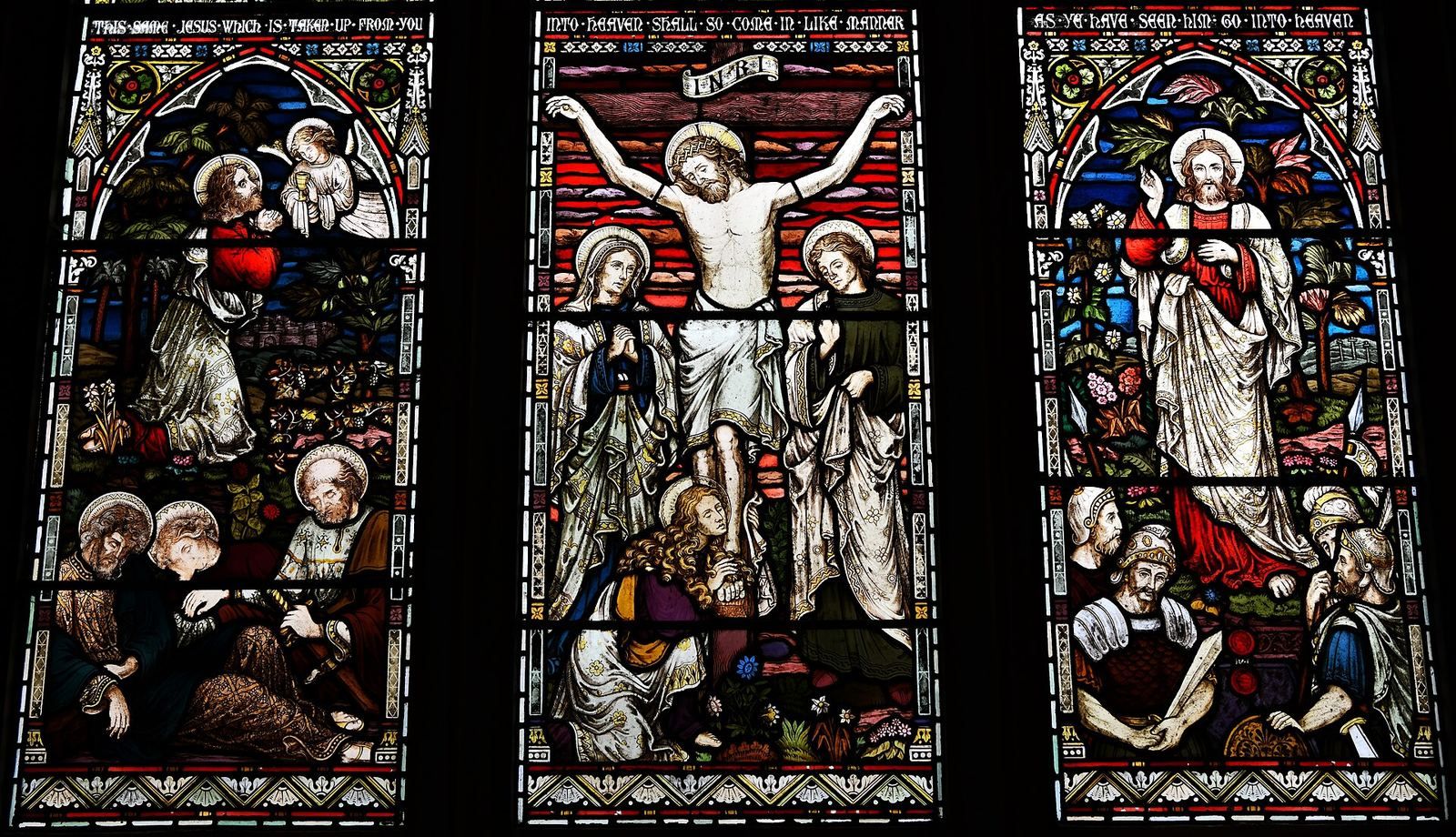
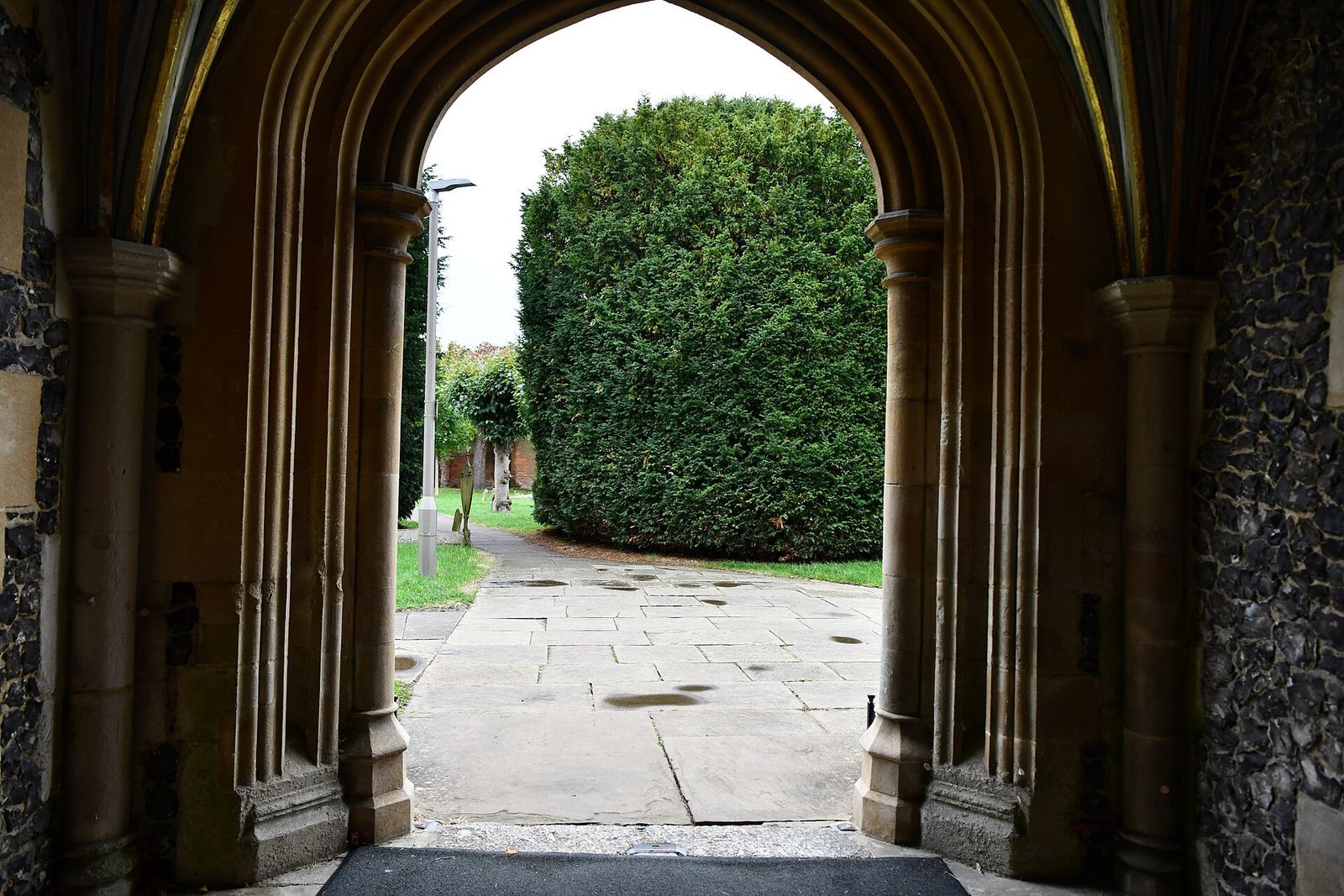
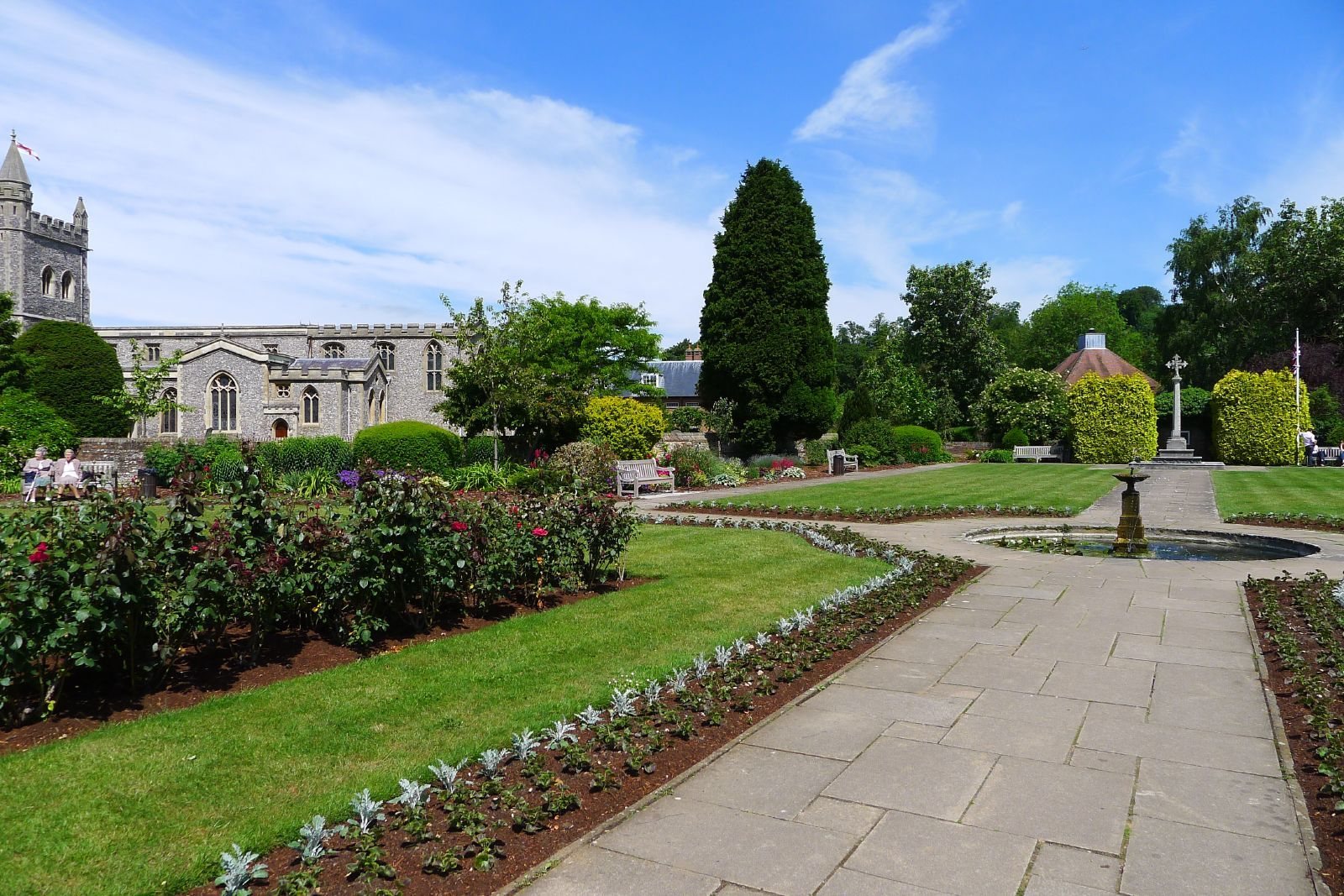
Site at a Glance
- Popularity
- Very High
- Country
- United Kingdom
- Primary era
- Medieval
- Eras represented
- Medieval
- Civilizations
- English
- Site type
- Religious
- Remains
- Church
On this page11 sections
History
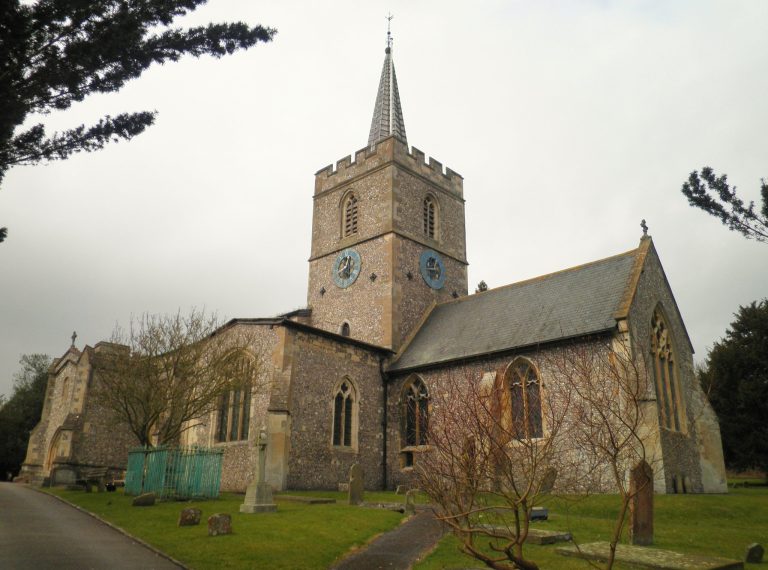
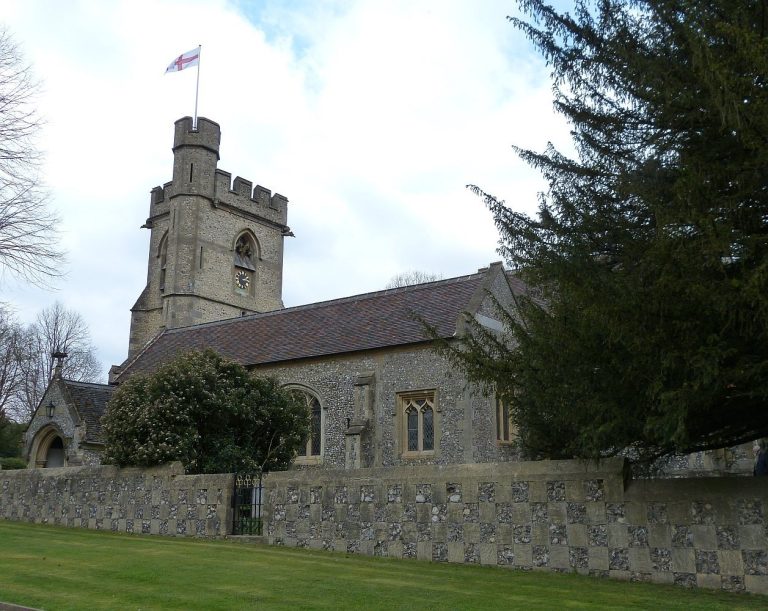
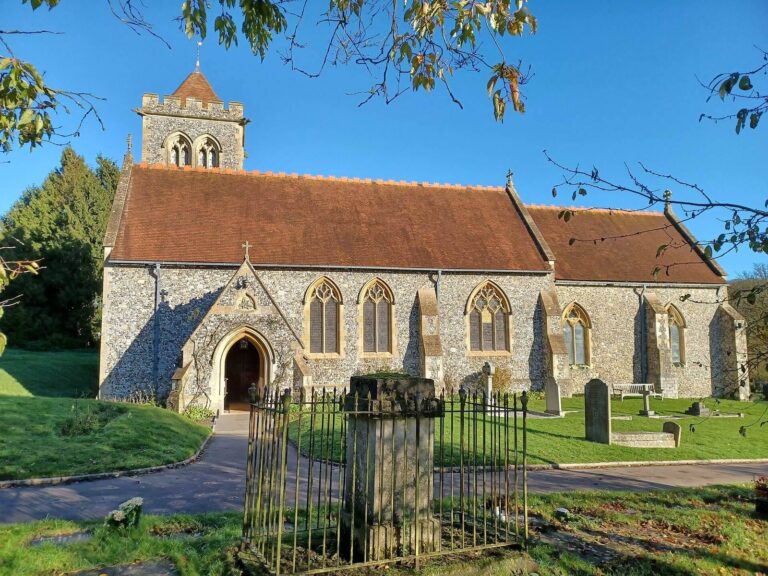
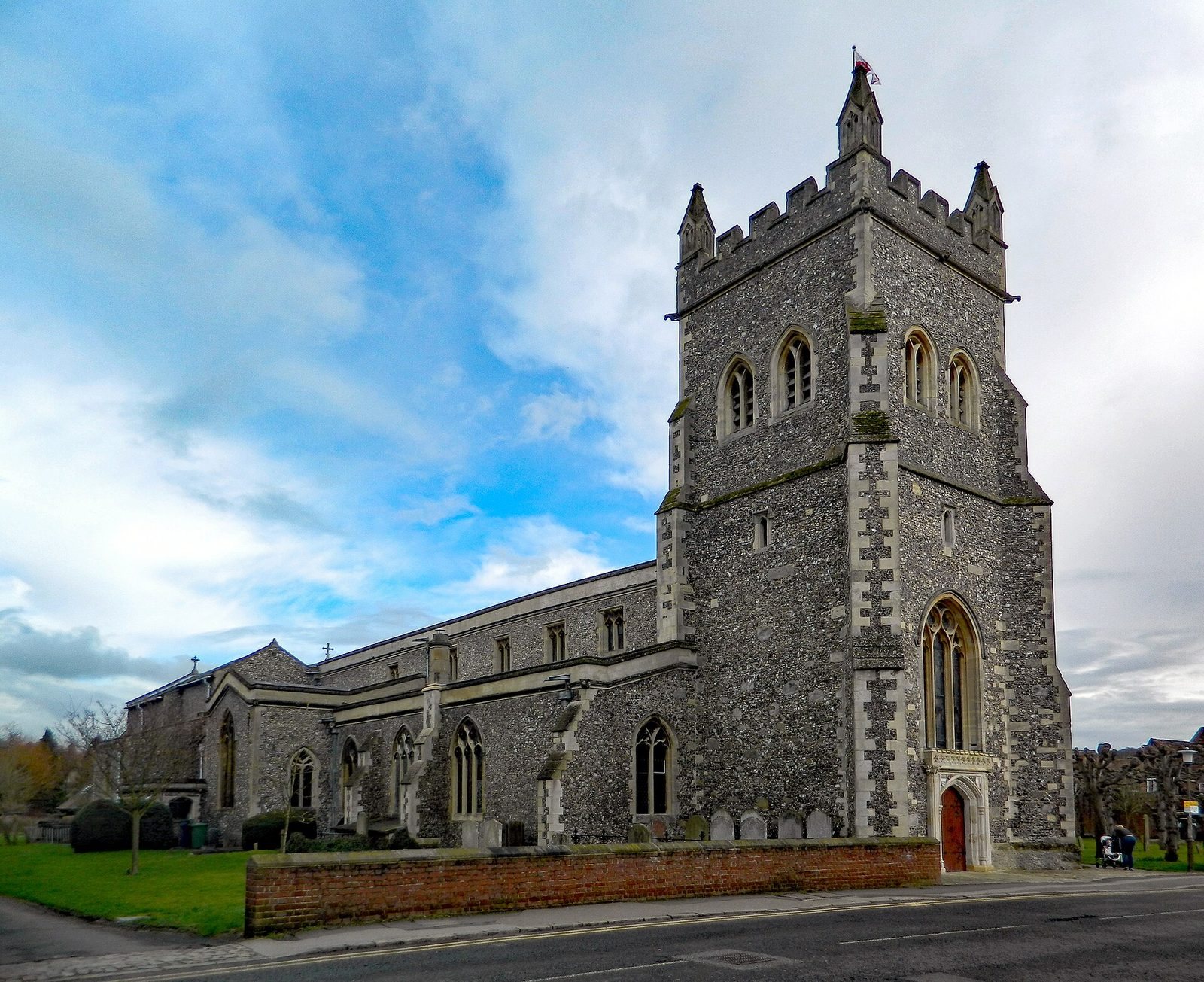
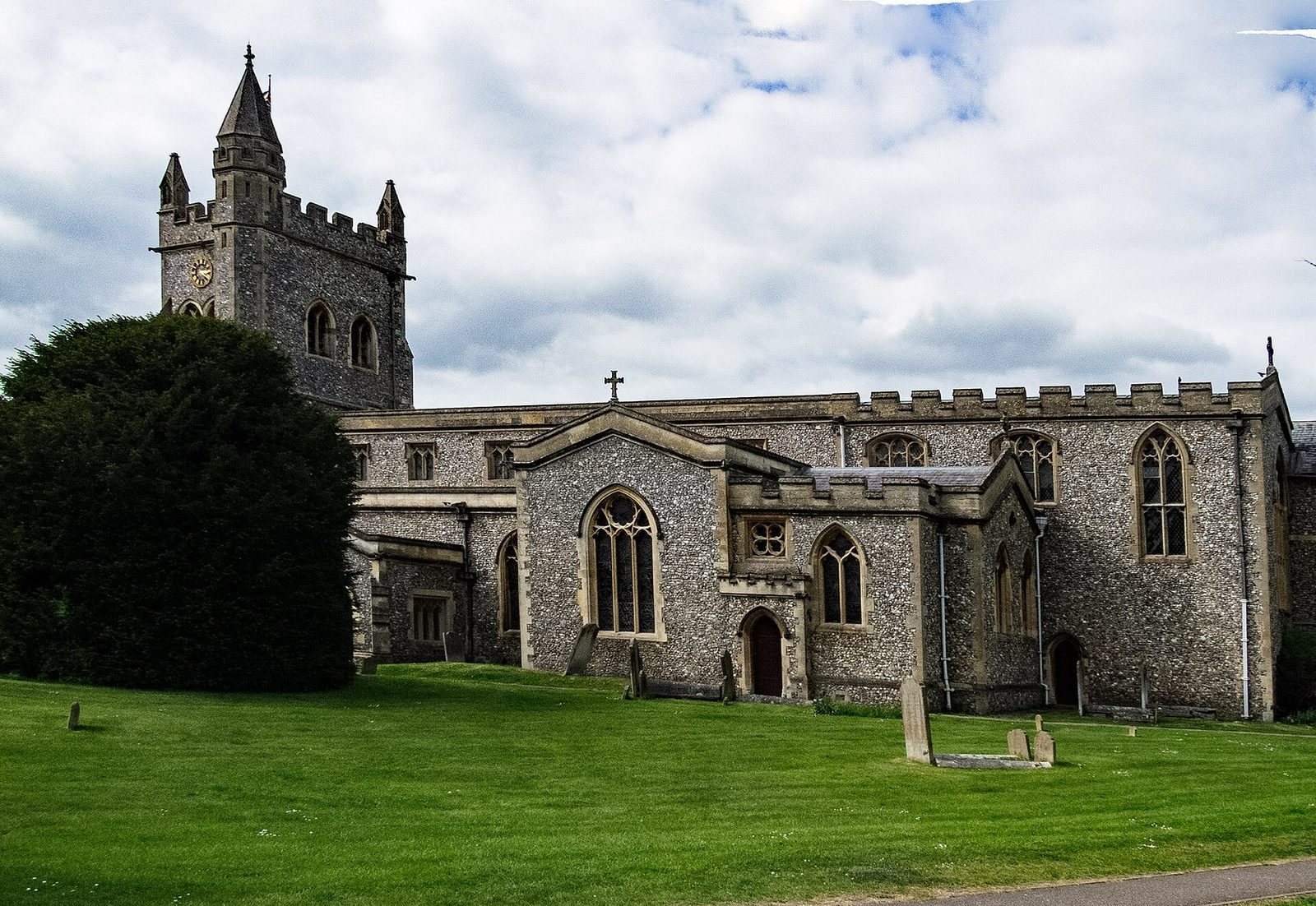
St Mary’s Church, Amersham, is a medieval parish church in the United Kingdom, built in the English Gothic tradition, a medieval architectural style that developed in England. The present church dates from the 13th century, while worship on the site reaches back to around 1140.
Early traditions and the medieval church
A tradition associates early Christian missionaries Augustine of Canterbury and Birinus with journeys along the Roman road Akeman Street. The monks are said to have converted local people and baptized them in the River Misbourne.
The present church took shape in the 13th century. Its later development included extensions in the 14th and 15th centuries.
Reformation and early modern Amersham
In the early 16th century, local Lollards, followers of a religious reform movement associated with John Wycliffe, were burned at the stake on a hill overlooking the old town. In 1553, Scottish Protestant reformer John Knox preached his last sermon at Amersham before going into exile to escape persecution under Mary I, Queen of England from 1553 to 1558.
The Drake family, Lords of the Manor of Amersham and relatives of the English naval commander and explorer Sir Francis Drake, held the church’s patronage. Around 1637, Sir William Drake bought the borough from the Earl of Bedford, whose title was a hereditary British rank. Several of Sir William’s descendants later served as parish rectors.
Restoration and later history
In 1890, rector Rev. Edward Drake commissioned a major restoration. The church was listed as a Grade I building on 22 December 1958. Grade I is England’s highest category of listed-building protection, for buildings of exceptional interest. The parish is part of the Church of England and belongs to the Province of Canterbury, Diocese of Oxford, Archdeaconry of Buckingham, Amersham Deanery and Amersham Benefice, levels of church administration and parish service.
Ruth Ellis, an English woman whose 1955 execution for murder became prominent in British legal history, was reburied in the churchyard extension.
Remains
The site includes the church and its tower, memorials inside the building, and memorials on the surrounding ground. The church was enlarged in the 14th and 15th centuries, and much of its exterior appearance reflects the 1890 restoration.
Church and interior memorials
Church and tower
The church is an English Gothic building. Its tower contains bells that continue to be rung.
Drake family memorials
Numerous memorials to members of the Drake family are located inside the church.
Memorials on the surrounding ground
Amersham Martyrs Memorial
Placed in 1931 on a hill overlooking the church, this memorial commemorates the local Lollards remembered as the Amersham Martyrs.
Ruth Ellis’s headstone
Ellis’s headstone carried the inscription "Ruth Hornby 1926–1955." Her son Andy destroyed it in 1982, shortly before his death by suicide.