Sokolica Monastery: A Serbian Orthodox Monastery in Serbia
Site at a Glance
- Rating
- 4.8
- Popularity
- Very Low
- Country
- Serbia
- Primary era
- Medieval
- Eras represented
- Medieval, Early Modern, Modern
- Civilizations
- Ottoman, Serbian
- Site type
- Religious
- Remains
- Monastery
On this page7 sections
History
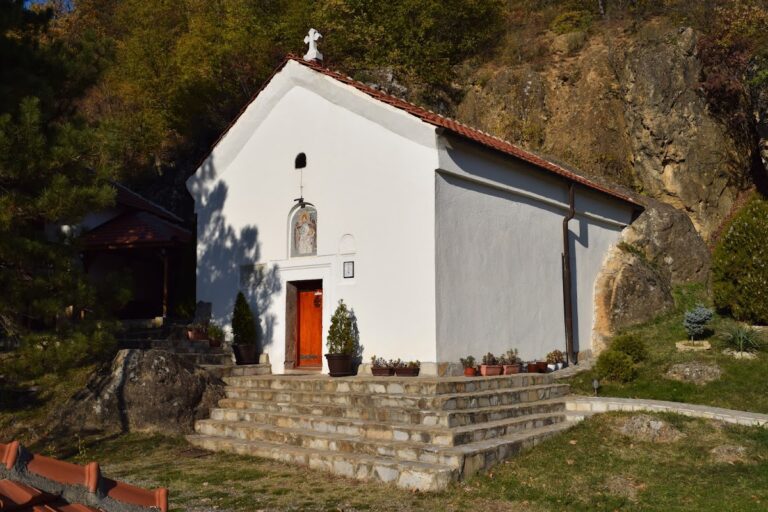
Sokolica Monastery is a Serbian Orthodox monastery in Serbia, located in Boletin in the municipality of Zvečan. Its small church was probably built in the fourteenth or fifteenth century by a local nobleman from the area around Zvečan. Dedicated to the Protection of the Mother of God, a Marian devotional theme centered on the Virgin Mary’s protective intercession, the monastery belongs to the Raška-Prizren Eparchy, an administrative diocese of the Serbian Orthodox Church. It is recognized as a Serbian cultural monument of exceptional importance.
Foundation and Marian devotion
The monastery takes its name from the hill at whose foot it stands, called Sokolovo Brdo or Sokolica. Local tradition links the name with falcons that nested in the hill’s forests for centuries. Sokolica probably acquired its monastic status through the presence of a sculpture of the Virgin Mary with Christ. The sculpture was transferred from the western portal of Banjska Monastery for protection from the Turks. The Sokolica Virgin became the focus of a Marian cult that, until recently, commanded broad popular respect across confessional boundaries.
Administration and twentieth-century damage
Before 1899, three devout local peasants administered the monastery. In that year, the metropolitan appointed Father Dositej Đurović as its superior. Đurović had previously served at the Holy Trinity site near Prizren. The monastery was looted by Albanians in 1912, when some objects inside the church were smashed, and it was looted again during the Second World War.
Modern monastic life
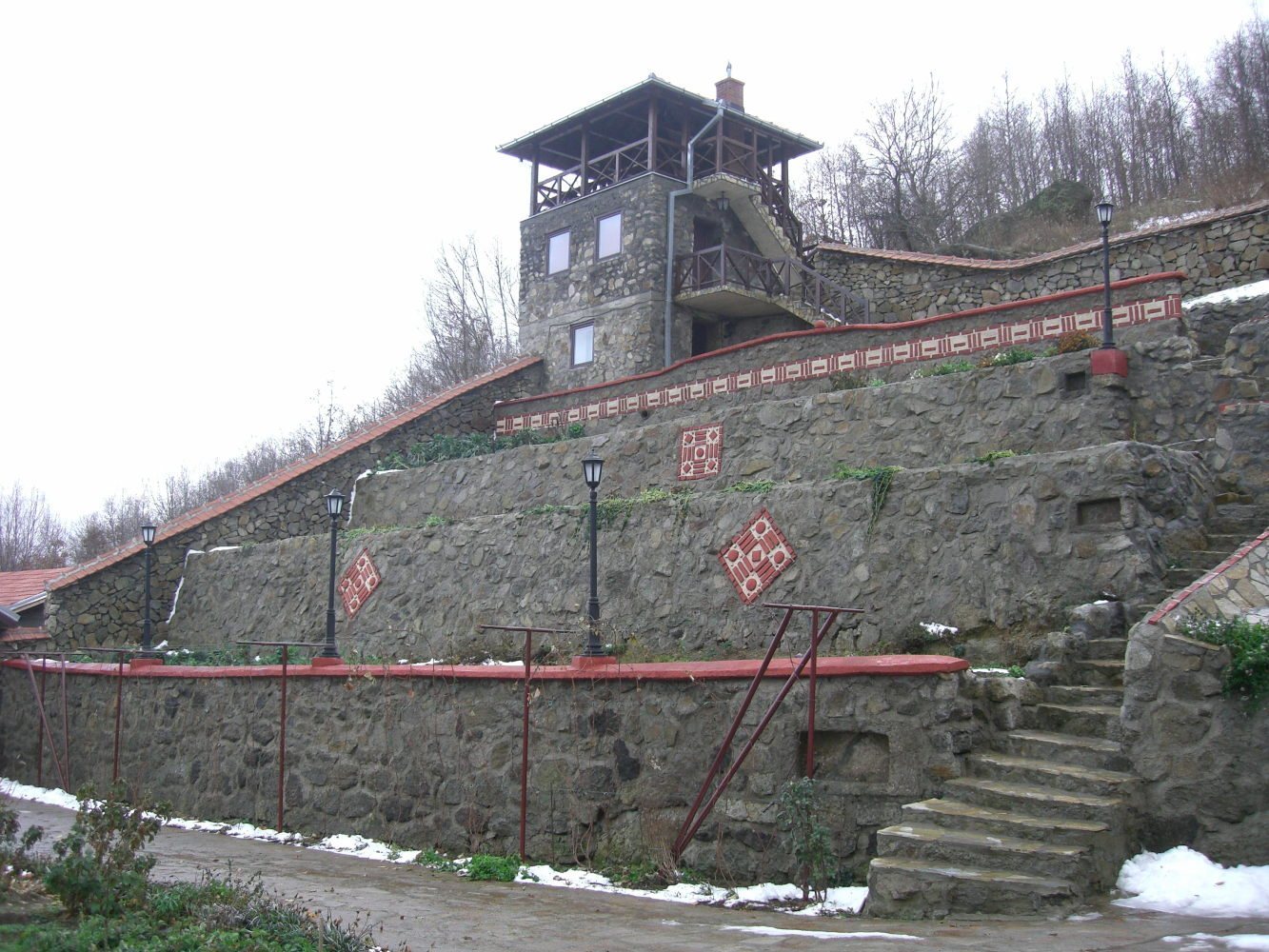
New monastic quarters were built in the 1980s, followed by architectural repairs and conservation in 1995 and 1996. Makarija Obradović served as abbess from 1991 until 2022. Sokolica is identified as a women’s monastery of the Serbian Orthodox Church.
Remains
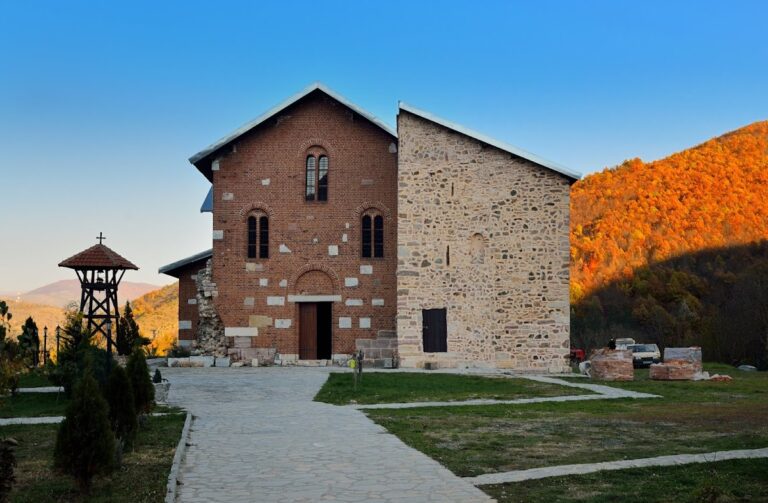
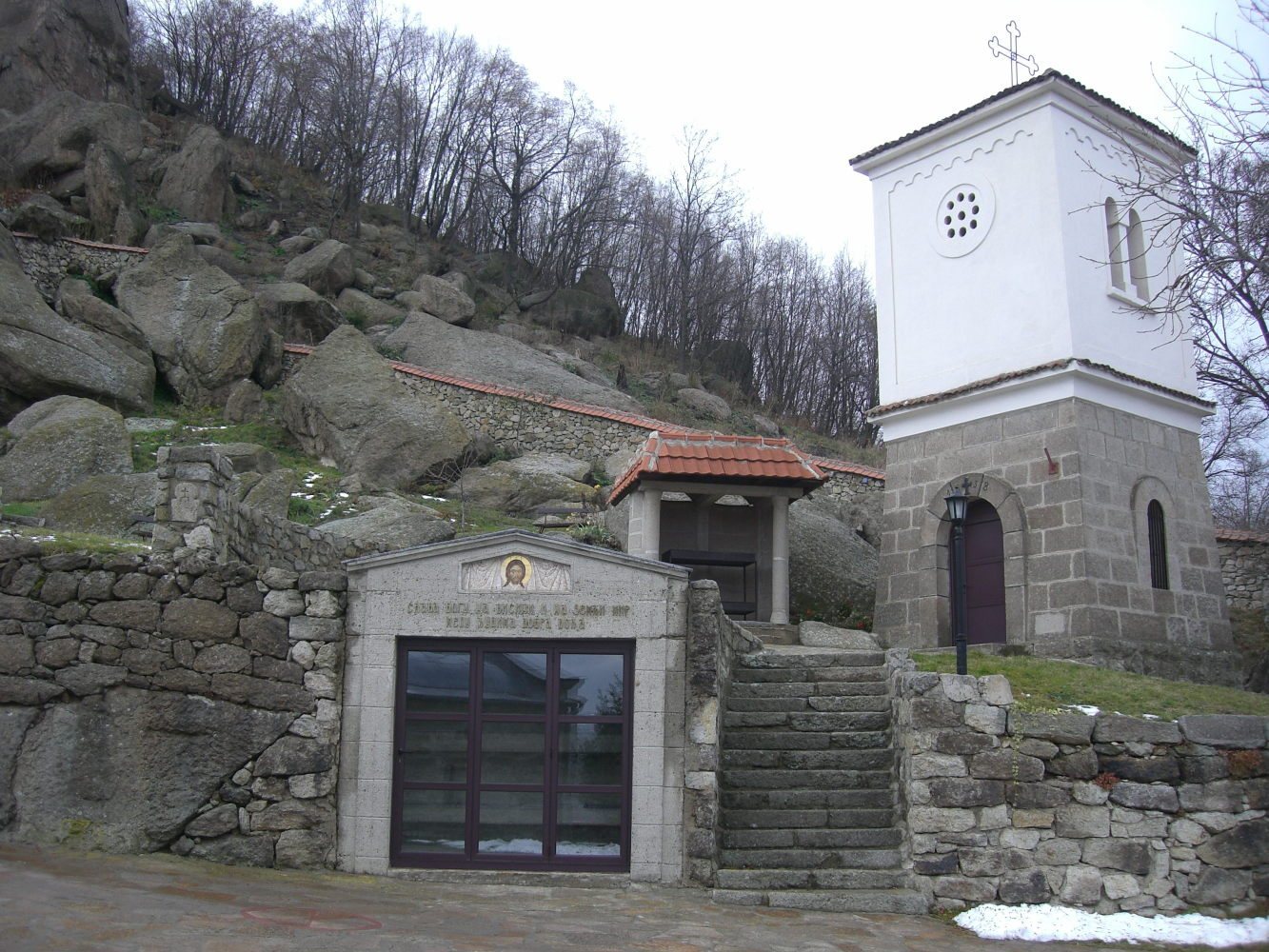
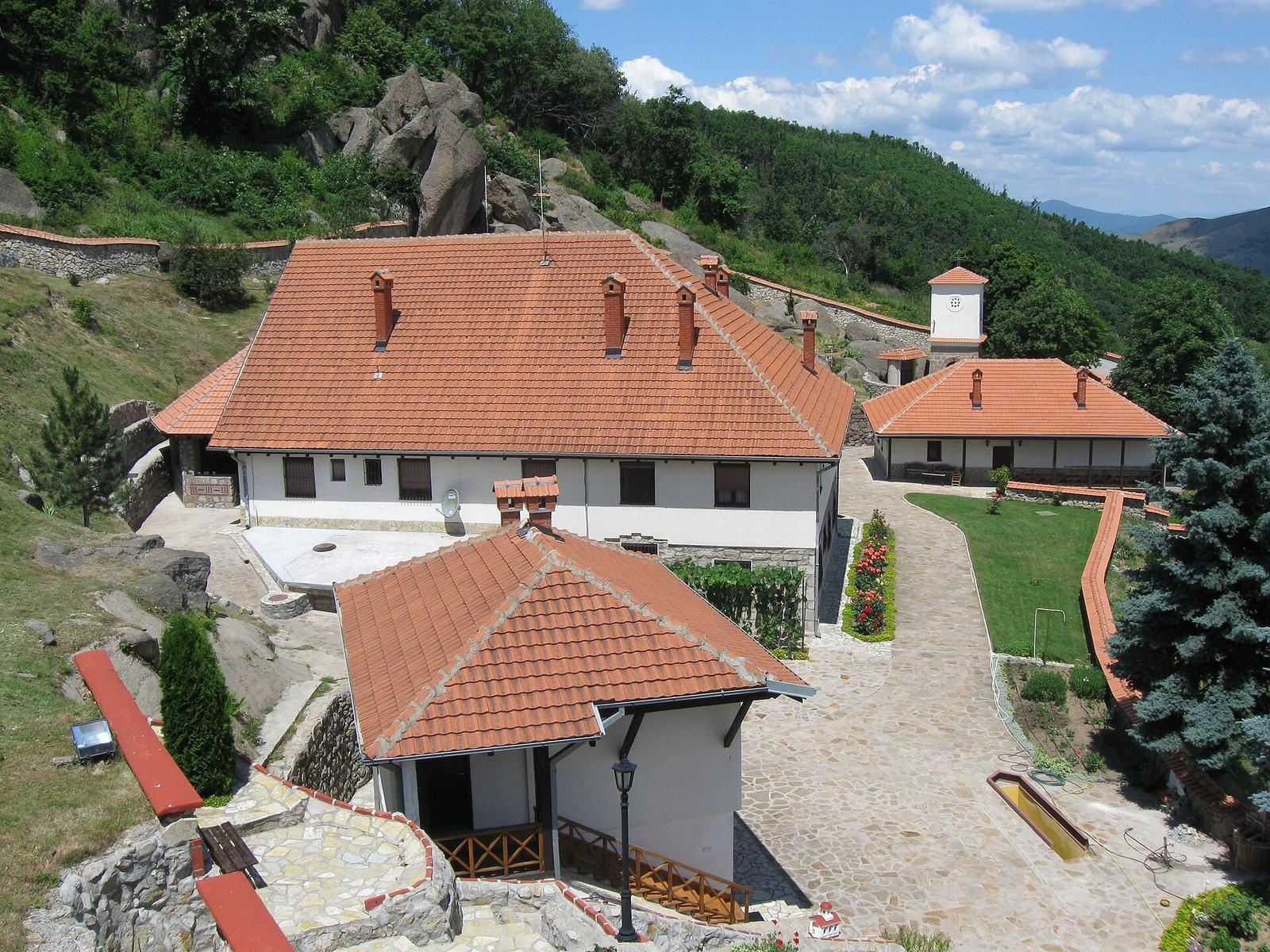
The surviving complex centers on a small stone church, later enlarged by a spacious narthex, an entrance vestibule adjoining the main body of the church. A bell tower was added between the two world wars. The church was constructed from carefully worked stone and has a shallow apse, the usually semicircular eastern end of the sanctuary, together with a semi-barrel vault.
Church surfaces and paintings
Primitive drawings of people and animals, along with old inscriptions or records, are incised into the church façades, especially on the northern side. The wall paintings are severely damaged, but several scenes remain identifiable from the period of Ottoman rule, when the territory was governed by the Ottoman Empire. Christ Pantocrator, an image of Christ as Almighty or universal ruler, appears in the vault. The western wall preserves the Assumption of the Virgin Mary, while the apse contains the Adoration of the Hierarchs, senior Orthodox Christian bishops. Fragments of figures in lay clothing remain on the southern wall and may represent the church’s founders or patrons.
Books and Marian sculpture
Three old books are preserved in the church: a Russian Psalter from the seventeenth century, a Bulgarian work titled Zavomaje ogledalo from 1816, and a prayer book from 1838. The church is also associated with the sculpture of the Virgin Mary with Christ, the image around which Sokolica’s Marian devotion developed.