Gavnø Castle: A Rococo Castle and Former Convent Estate in Denmark


Site at a Glance
- Rating
- 4.2
- Popularity
- Low
- Country
- Denmark
- Primary era
- Early Modern
- External website
- Open
- Eras represented
- Medieval, Early Modern, Modern
- Civilizations
- Danish
- Site type
- Domestic
- Remains
- Castle
On this page9 sections
History
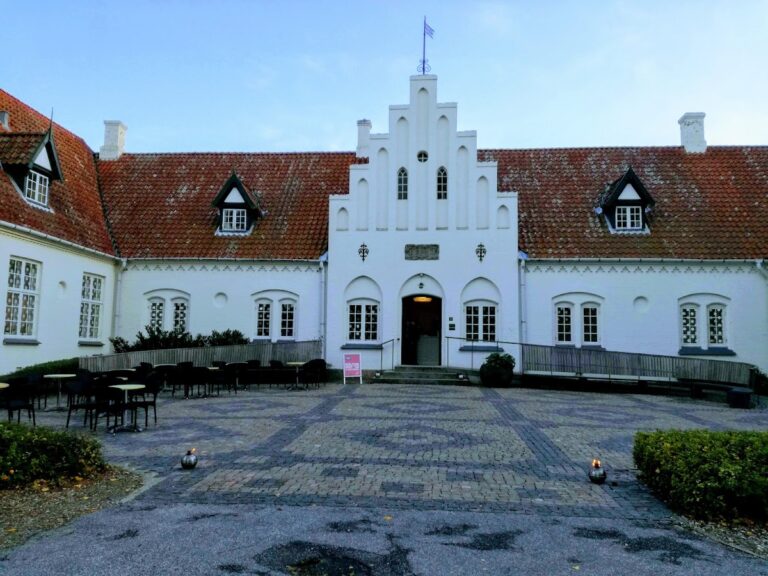
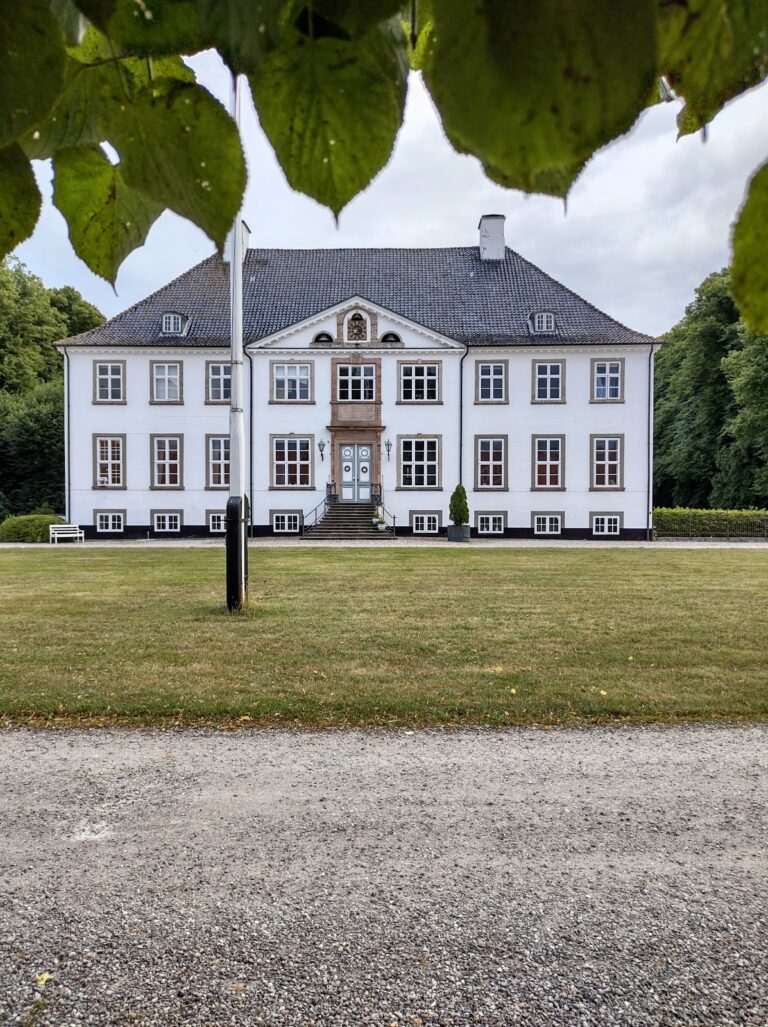
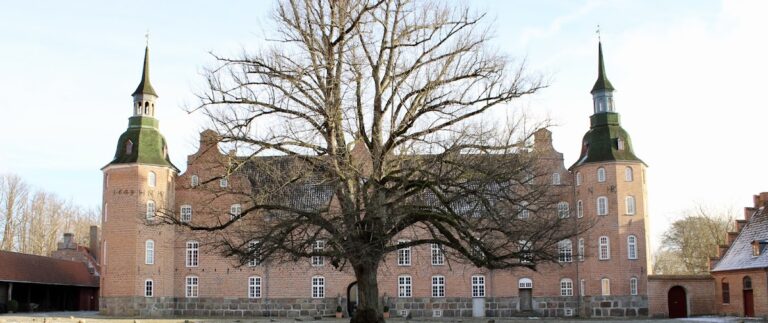
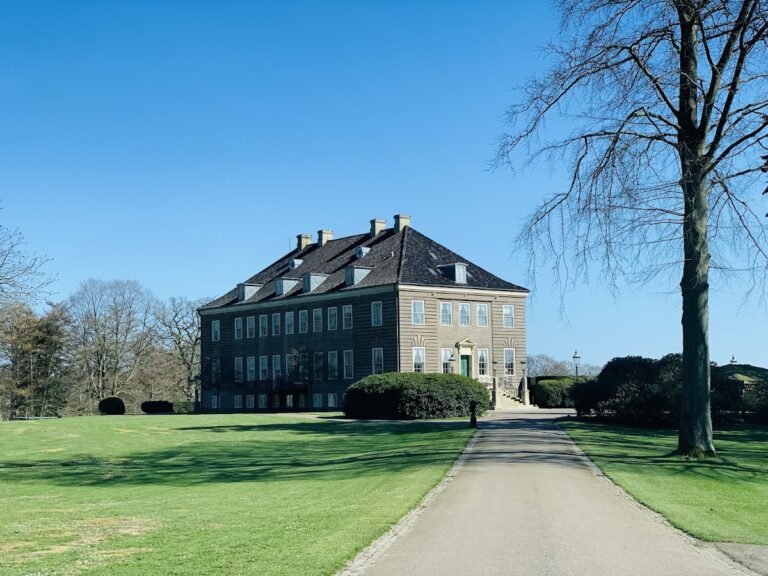
Gavnø Castle is an eighteenth-century Rococo castle on Gavnø Island in Denmark, near Næstved. Built between 1755 and 1758 on the site of an older manor house, it forms part of an estate whose history reaches back to a medieval fortified stronghold and a Dominican convent for women.
Medieval stronghold and Dominican convent
Gavnø Island was first recorded in 1231 in King Valdemar II’s census book as “the Hall on the island of Gapnø.” At that time, a fortified stronghold on the island helped protect Denmark’s southern coast. In 1402, Queen Margrethe I founded a Dominican convent for women dedicated to Saint Agnes. The Dominican order was a Catholic community associated with preaching and teaching.
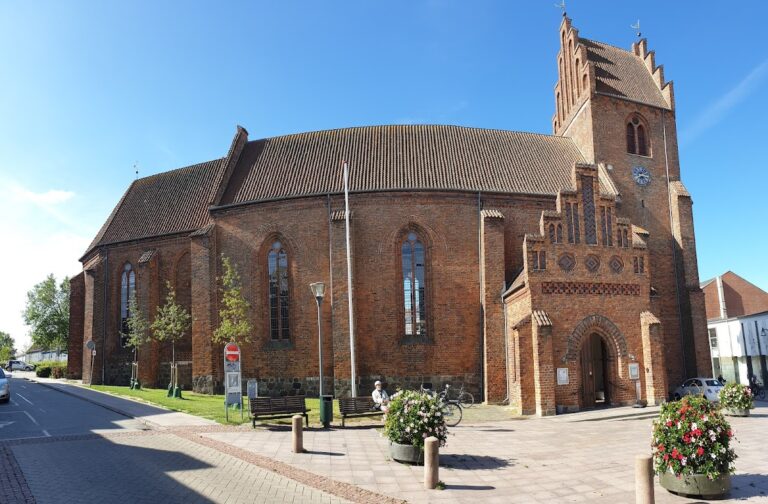
Following the Reformation, the sixteenth-century movement that established Protestant churches across northern Europe, the convent estate passed to the Danish Crown. The former convent chapel remained part of the later estate and continues to form part of Gavnø’s historic fabric.
Seventeenth- and eighteenth-century ownership
During the seventeenth century, Gavnø belonged first to Hans Lindenov, a Danish nobleman and royal councillor, and later to Admiral Niels Trolle, a senior naval commander and member of the Danish nobility. In 1682, the estate passed to the Thott family, a Swedish noble family whose descendants continued to own it.
Count Otto Thott acquired Gavnø in 1737 and began reshaping the estate. His work included the creation of the park, the decoration of the interiors, and the formation of the castle’s art collection and library. The present castle was then built between 1755 and 1758 in the Rococo style, known for light forms, delicate ornament, and elaborate interior decoration. Otto Thott established the foundations of the collections, and by the time of his death the library held approximately 120,000 volumes.
Later changes and continuing ownership
The castle garden was redesigned in the English landscape style in 1850. In 1872, a storm surge and flood destroyed the wooden access bridge built in 1766. A stone bridge was subsequently constructed across the Suså River to provide access to the castle.
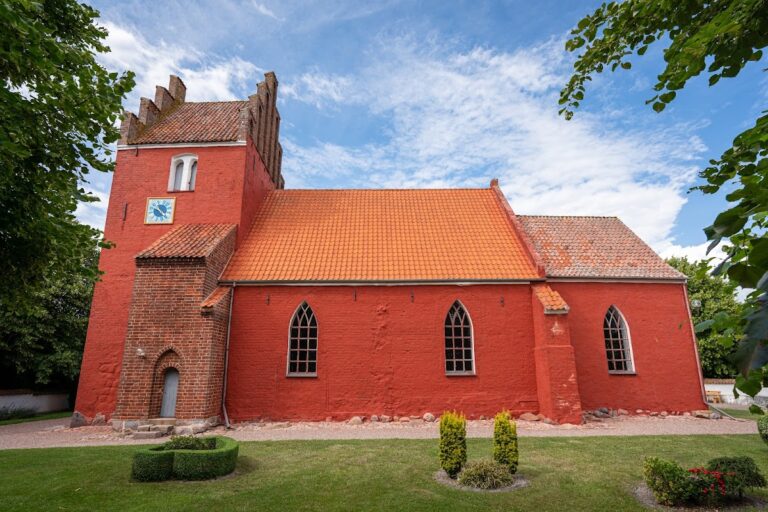
The chapel underwent extensive renovation in 1913 and was substantially enlarged. It remains the chapel inherited from the former Dominican convent. Gavnø is designated a Danish historical-heritage monument, and the present owner is Baron Otto Reedtz-Thott, a Danish baron associated with the estate’s later Reedtz-Thott ownership line.
Remains
Castle and former convent chapel
Gavnø’s principal building is a Rococo castle occupying the site of the earlier manor house. Its eighteenth-century construction dates from 1755 to 1758, while its interiors form part of the redevelopment initiated by Count Otto Thott after he acquired the estate in 1737.
Castle chapel
The castle chapel is the chapel of the former Dominican convent. Renovated and enlarged in 1913, it preserves an altar containing a genealogical tree associated with Admiral Niels Trolle and his wife, Helle Rosenkrantz. The design is represented through 64 coats of arms, linking the chapel’s interior to the history of the families connected with the estate.
Collections and park
The castle contains the Reedtz-Thott collection of paintings, as well as a library and a small museum of Danish firefighters. The surrounding park includes tulip plantings and a butterfly house. Its present arrangement also reflects the garden redesign carried out in the English landscape style in 1850.
Bridge and island landscape
A stone bridge crosses the Suså River on the approach to the castle. It replaced the wooden bridge constructed in 1766 and destroyed by the storm surge and flood of 1872. On Gavnø Island, the southern area is wooded, while most of the remaining land is used for agriculture.
Nearby sites