St Martin at Tours’ Church, Houghton: A Medieval Parish Church Transformed by Robert Walpole
Site at a Glance
- Rating
- 4.8
- Popularity
- Low
- Country
- United Kingdom
- Primary era
- Medieval
- Eras represented
- Medieval, Early Modern
- Civilizations
- British, English
- Site type
- Religious
- Remains
- Church
On this page8 sections
History
Medieval parish church
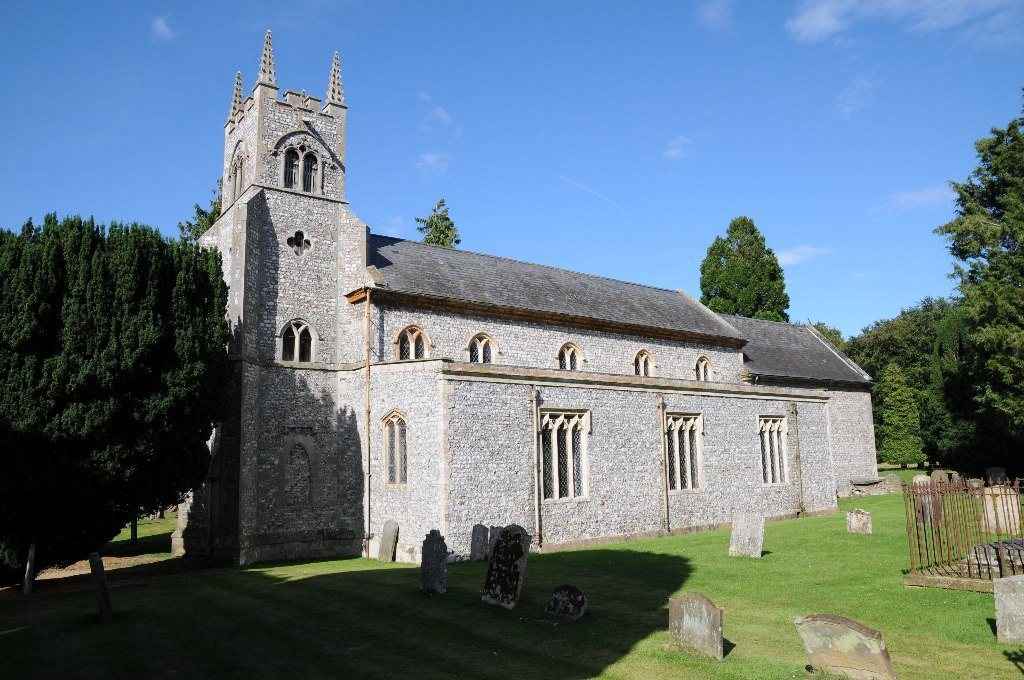
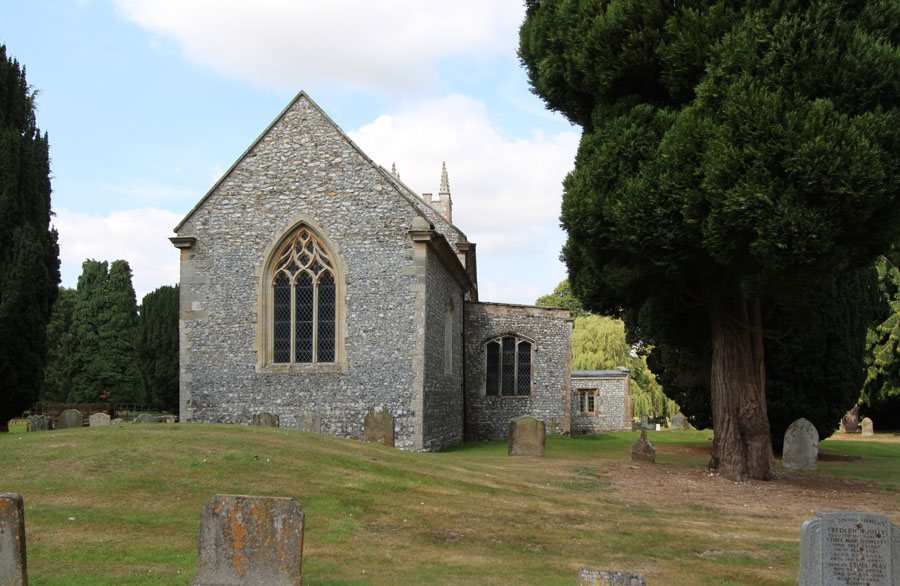
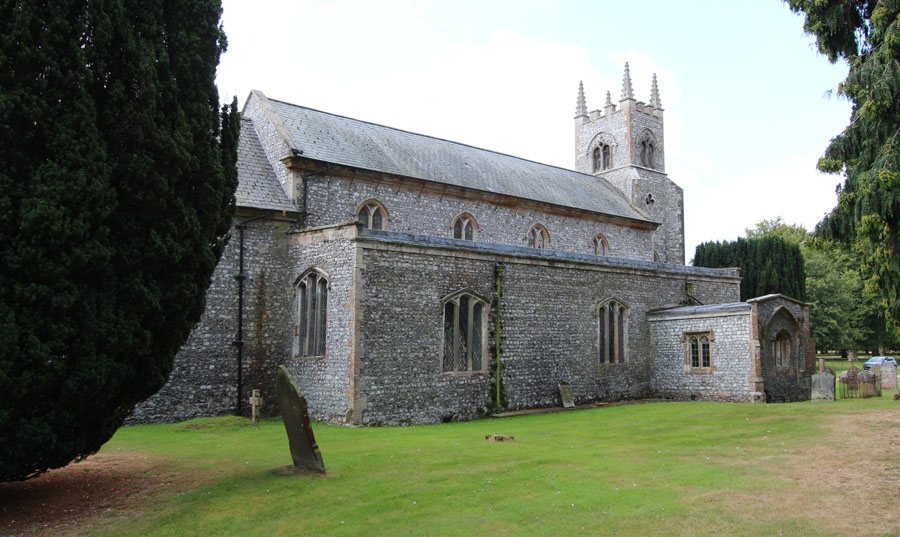
St Martin at Tours’ Church in Houghton, United Kingdom, is a fourteenth-century building in the Perpendicular Gothic style, a late English Gothic tradition marked by strong vertical lines. It served as Houghton village’s parish church. Its dedication refers to Saint Martin of Tours, a fourth-century Christian bishop who was widely venerated as a saint.
Walpole’s estate redesign
The Houghton Hall estate had belonged to the Walpole family since the reign of Henry I. Robert Walpole, born at Houghton in 1676, inherited it in 1700 and began modernizing the house and grounds. Widely regarded as Britain’s first prime minister, he became First Lord of the Treasury, a senior government office traditionally held by the prime minister, by 1721. He served as the king’s first minister from 1730 until resigning in 1742.
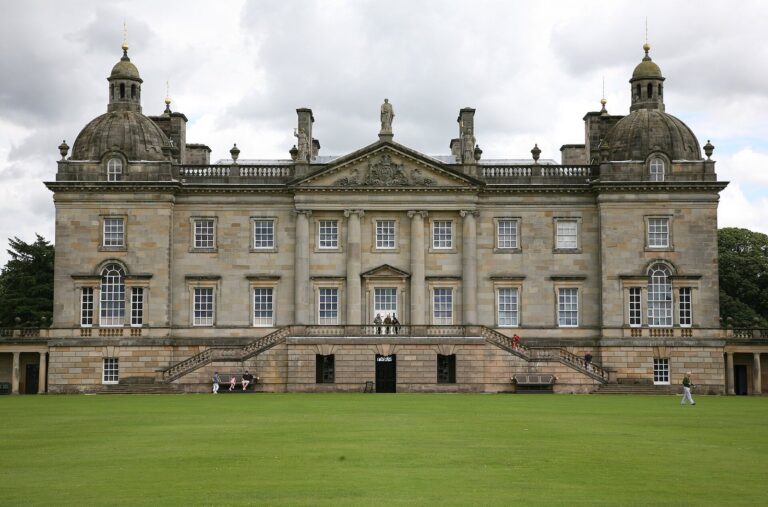
By 1720, Walpole had decided to replace the Elizabethan house with a Palladian mansion, a building tradition inspired by the classical designs of Andrea Palladio. He moved the village to the southern edge of the estate and enclosed the park. By 1732, the old village had been demolished, leaving the church as its sole surviving structure. Walpole also altered the church as part of the estate’s transformation.
War memorial and present status
In October 1944, an Avro Lancaster returning from a raid on Germany’s Ruhr Valley crashed at Houghton, killing its crew. The church remains an Anglican Church of England parish church in the Diocese of Norwich, a regional church district. It is listed at Grade I, England’s highest listed-building category, for buildings of exceptional interest.
Remains
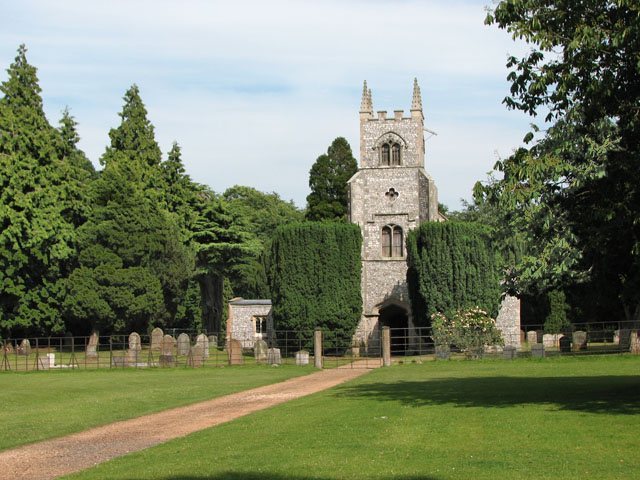
Set within the grounds of Houghton Hall, the church retains its basic medieval structure. Its walls are made of knapped flint, worked to expose relatively flat faces, with dressings of Carrstone, a ferruginous sandstone.
Walpole-era alterations
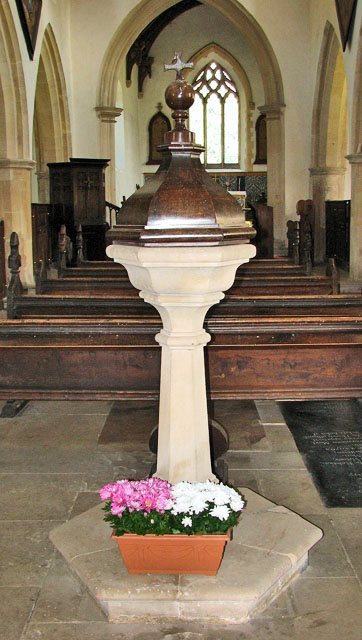
The western tower was built entirely during Walpole’s alterations. It commemorated his grandfather and helped incorporate the church into the redesigned estate landscape. The clerestory, an upper section of wall above adjoining roofs, and the classical cornice, a projecting feature near the top of a wall, probably also date from this work. Most of the windows and much of the interior were replaced.
Burials
The church holds the graves of Sir Robert Walpole, his first wife Catherine, his second wife Maria, and his brother Galfridus. Also buried there are three of his descendants who held the Earldom of Orford in its second creation, meaning the title was granted again: his eldest son Robert, his grandson George, and his third son Horace. The church also contains the tombs of George Cholmondeley, 5th Marquess of Cholmondeley, a hereditary rank below duke and above earl, and his wife, Sybil Sassoon.
Churchyard memorial
A churchyard memorial commemorates the six Lancaster crew members killed in the 1944 crash: one British airman and five Australians.