Raynham Hall: The Townshend Family Seat in Norfolk
Site at a Glance
- Rating
- 4
- Popularity
- Very Low
- Country
- United Kingdom
- Primary era
- Early Modern
- Eras represented
- Early Modern
- Civilizations
- British, English
- Site type
- Domestic
- Remains
- Manor House
On this page12 sections
History
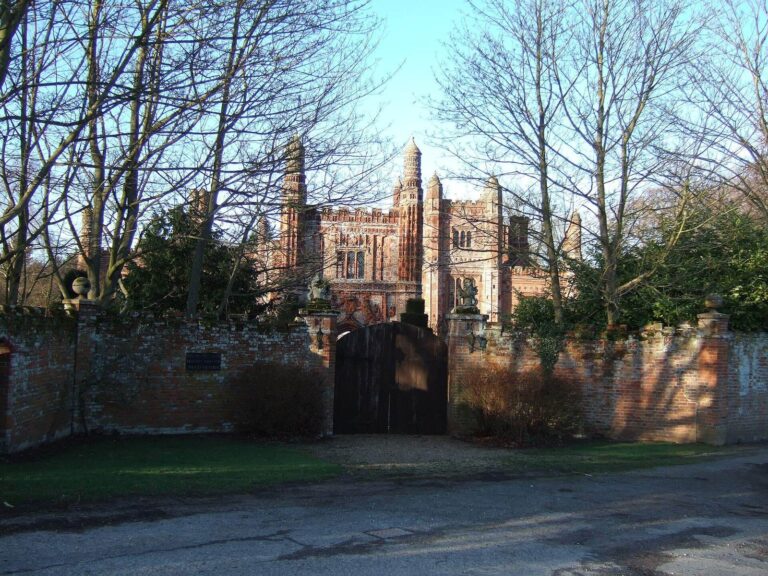
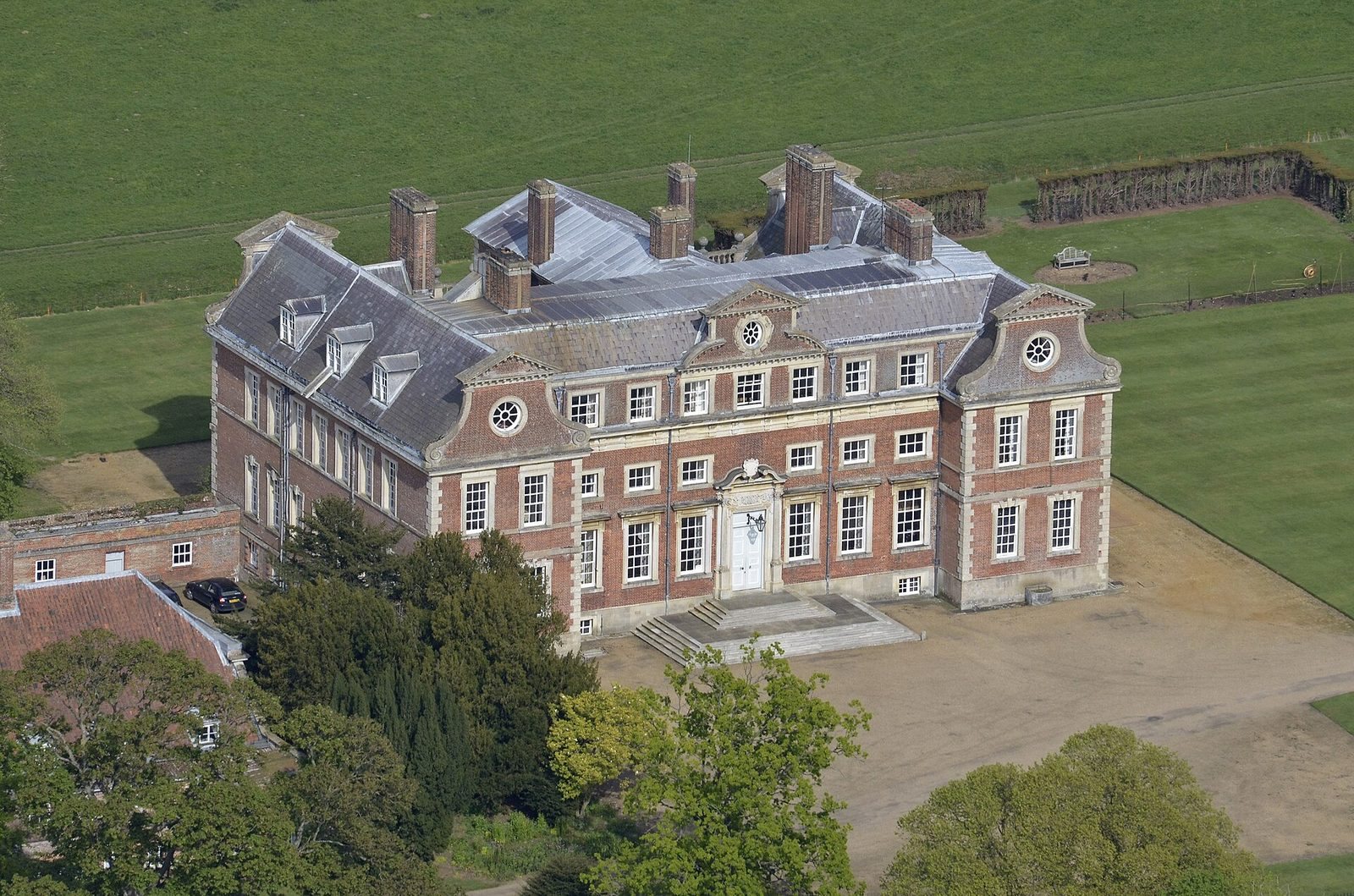
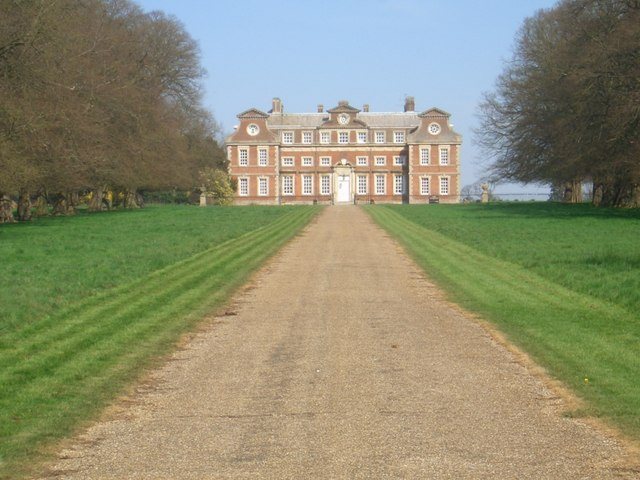
Raynham Hall is a seventeenth-century country house in Norfolk, England, built for the Townshend family in an Italian form and plan. It has served as the family seat for nearly 400 years, and its name was given to the estate’s five villages, collectively known as The Raynhams.
Building the house
An initial attempt to begin the house in 1619 did not proceed, and construction started in 1622. Sir Roger Townshend travelled around Europe for three years with William Edge, a mason who worked in stone. In 1620, Townshend paid Edge for twenty-eight weeks of travel with him in England and abroad. The house was substantially complete when Townshend died in 1637.
Townshend, Walpole, and Kent
Charles Townshend, 2nd Viscount Townshend, held a rank in the British peerage and became Raynham’s best-known resident. He was a leader in the House of Lords, Parliament’s upper chamber. In 1713, he married his second wife, Dorothy, the sister of statesman Robert Walpole. Contemporary gossip claimed that Dorothy had previously been Lord Wharton’s mistress. She was buried in 1726.
Walpole was Townshend’s neighbour in Norfolk as well as his brother-in-law, and their personal and political rivalry grew sharper as Walpole built Houghton Hall. Townshend considered Raynham Norfolk’s foremost country seat and viewed the additions at Houghton as a challenge to its standing. From 1725 to 1732, architect and designer William Kent worked at Raynham on extensions and interiors.
A haunting tradition associates the so-called Brown Lady with Dorothy Walpole and links the apparition to a brown brocade dress. A photograph purported to show a figure descending the staircase is perhaps the best-known ghost photograph; alleged sightings have been infrequent since it was taken. In 1951, Raynham Hall received Grade I listing, England’s highest category of listed-building protection, for buildings of exceptional interest.
Remains
The house has an Italian plan that departs from English building traditions. Its construction used Ketton stone, a limestone quarried at Ketton in Rutland. The exterior combines a roof that slopes down on all sides with Dutch gables, shaped gables associated with northern European architecture. Much of the design has the character of a house from a later century, while these features retain a different aspect.
The designer is unknown. The design reflects the influence of Inigo Jones, an influential English architect, and draws on current architectural ideas from London, perhaps also those of the Prince’s Lodging at Newmarket. It shows a considered response to Jones’s style rather than evidence that Jones designed the house; its designer may have worked in his circle, possibly at Newmarket. Several years after Townshend’s death, architect Sir Roger Pratt admired the balance between the house’s length, height, and breadth. He saw little ornament, and some rooms had not yet been fitted out.
Kent’s additions and interiors
North wing and front
Kent added the north wing and revised a prominent feature of the north front, bringing its details closer to Jones’s manner.
Decorated interiors
Kent’s interior work includes elaborately carved fireplace surrounds and doorframes. The staircase is painted with niches and sculpture that create an illusion of depth, while the ceiling in the Belisarius Room is painted to resemble a mosaic.
Marble Hall and State Dining Room
The Marble Hall ceiling, completed in 1730, incorporates Lord Townshend’s coat of arms. During the nineteenth century, it was sometimes attributed to Inigo Jones. In the State Dining Room, Kent installed a screen in the form of a Roman triumphal arch. In 1732, Lord Oxford criticized the screen by comparing it unfavourably with the Arch of Severus, a Roman arch designed to stand in a street.
Princess’ Room
In the Princess’ Room, a painting believed to be an early study for Flemish painter Anthony van Dyck’s Children of Charles I hangs beside a black-and-white marble fireplace surround.
Paintings
Works in Kent’s rooms
Portraits remain in Kent’s rooms at Raynham. The painting in the Princess’ Room is among them.
Former collection
Before 1904, the house also held family portraits by portrait painters Kneller and Reynolds. Its best-known and most valuable painting was Salvator Rosa’s Belisarius, given to the 2nd Viscount Townshend by Frederick William I of Prussia. Valued at £5,000 in 1804, it was sold roughly a century later for £273.