St. Lawrence’s Church in Warsaw: A Parish Church within Redoubt No. 56
Site at a Glance
- Rating
- 4
- Popularity
- Medium
- Country
- Poland
- Primary era
- Early Modern
- Eras represented
- Early Modern, Modern
- Civilizations
- Polish–Lithuanian Commonwealth, Russian
- Site type
- Religious
- Remains
- Church
On this page11 sections
History
Medieval origins and construction
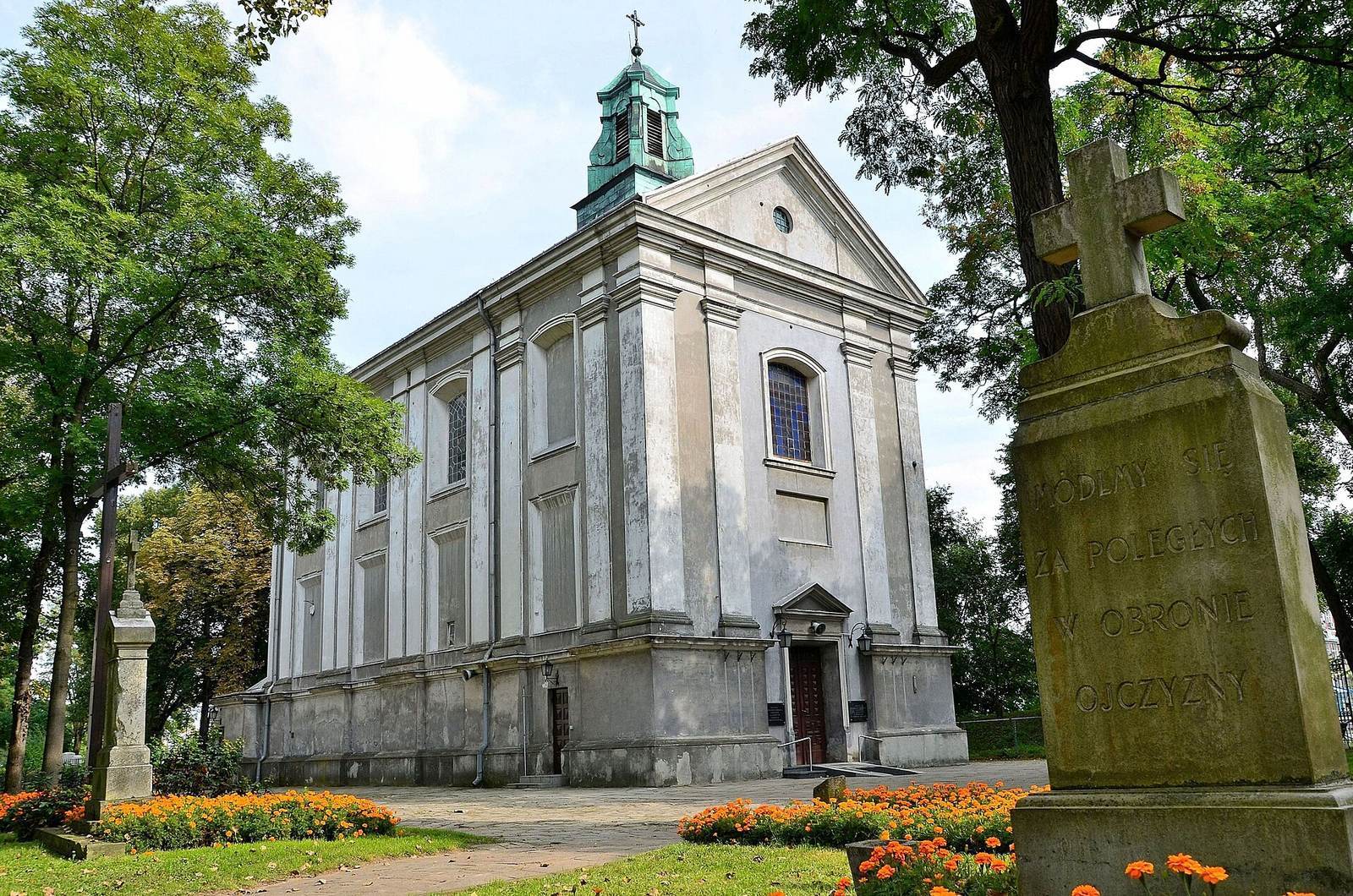
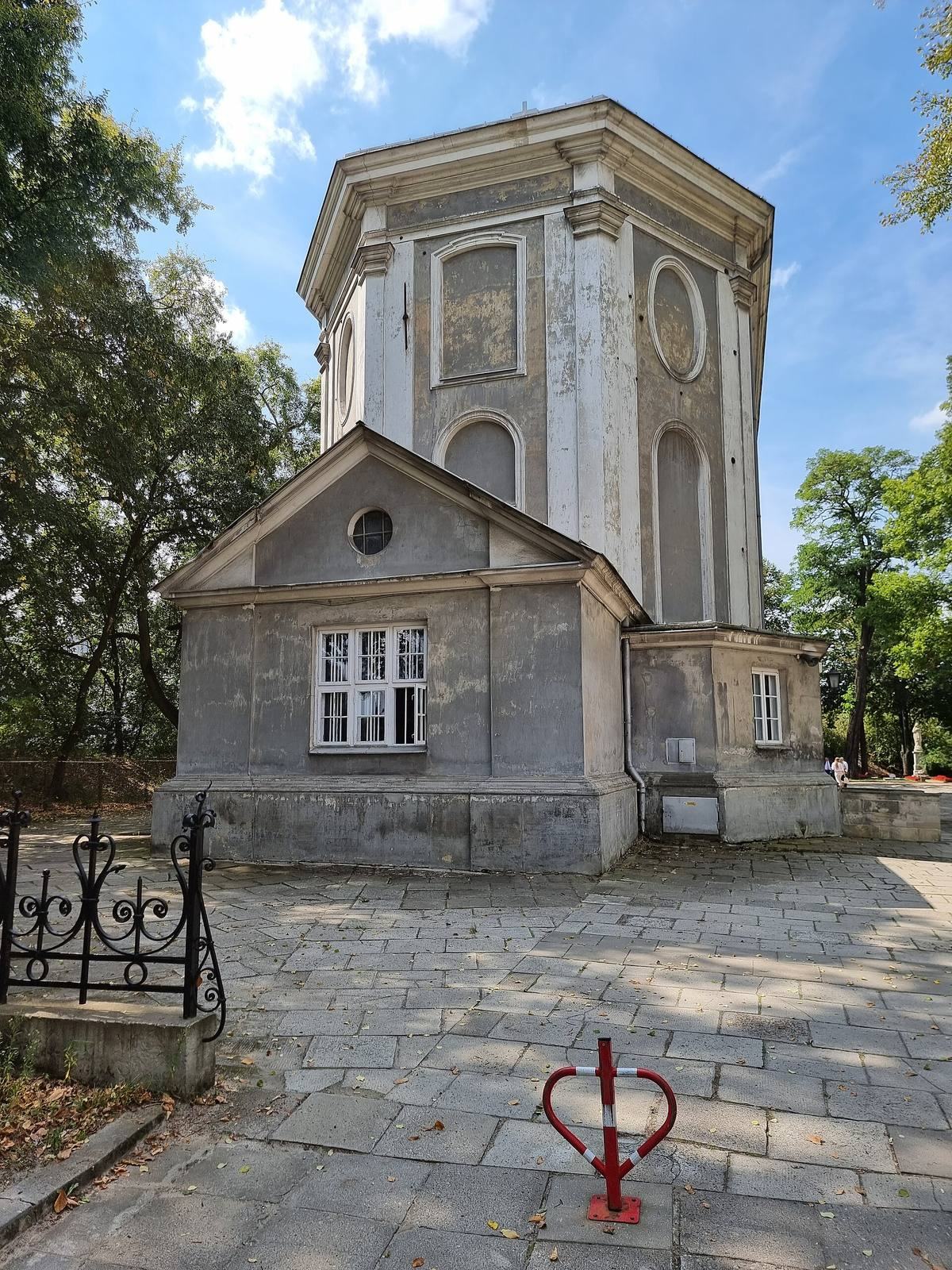
St. Lawrence’s Church in Warsaw, Poland, is a late Baroque church within the historic Redoubt No. 56; construction began in 1695. It developed from a wooden church at Wielka Wola, now part of Warsaw’s Wola district, which stood by the early fourteenth century. The church first appears in a document from 1412 issued by John XXIII, an antipope, or rival claimant to the papacy during the Western Schism. Until the seventeenth century, it depended on St. John’s parish. An independent parish was established in 1611.
Swedish forces burned the wooden church in 1655 during the Deluge, the Swedish invasion and occupation of the Polish-Lithuanian Commonwealth. A wooden replacement was built in 1660. Work on a masonry church began in 1695 at the initiative of Mikołaj Popławski, a Polish Catholic bishop and Warsaw dean, with funding from Queen Marie Casimire, wife of King John III Sobieski. Architect Joachim Daniel Jauch directed the initial work. After his death, architect Johann Friedrich Knöbel took over, but construction halted following the king’s death and the withdrawal of funds. The church was completed in 1755.
Sieges and Orthodox use
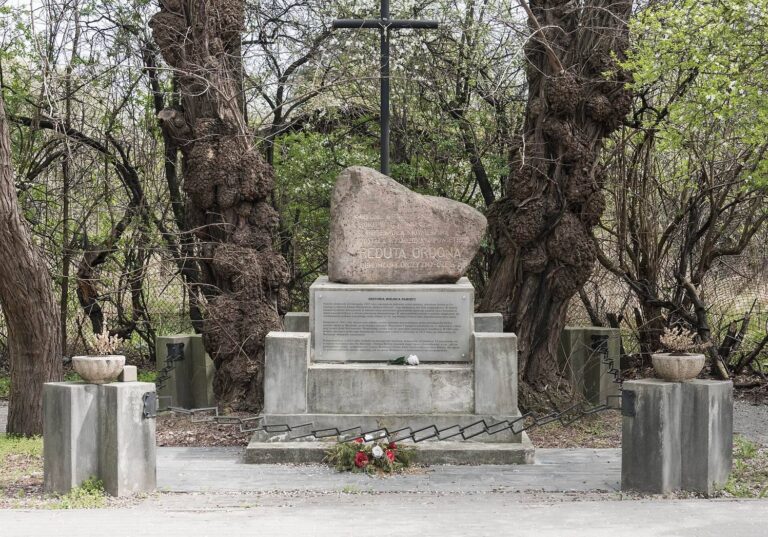
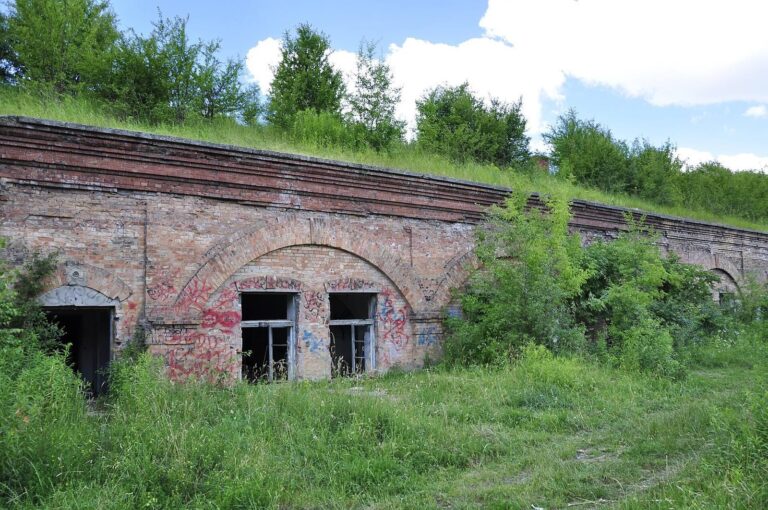
During the Prussian siege of Warsaw in 1794, the church was incorporated into a defensive bastion and suffered damage. Repairs followed in 1807, and the church was consecrated in 1811. In 1831, Russian forces again damaged it during their siege of Warsaw in the November Uprising, a Polish revolt against Russian rule in 1830–31. The church became part of Redoubt No. 56, a Polish defensive position. General Józef Sowiński was killed nearby.
After the uprising, Russian authorities confiscated the church. In 1834 it became an Orthodox church and mausoleum dedicated to the Vladimir Icon of the Mother of God, an Orthodox image of the Virgin Mary and Christ Child associated with the day Russian forces captured Warsaw. Architect Adam Idźkowski redesigned the interior in 1841.
Return to Catholic use and wartime destruction
German military officer Hans von Beseler, who headed Warsaw’s occupation administration during the First World War, returned the church to Roman Catholic use in 1916. The formal handover took place in 1919, when the Orthodox community left. A new St. Lawrence parish was established on 1 November 1923. That year, the main worship space was extended, the interior was rebuilt to a design by architect Oskar Sosnowski, and a small bell turret was added.
The church sustained light damage during Warsaw’s defense in September 1939. On 9 September, a machine-gun position of the 8th Company, 40th Infantry Regiment, known as the “Children of Lviv,” was located in its tower. During the Wola massacre in August 1944, German forces killed several hundred civilians in the church garden and set the building on fire. The massacre was part of the mass killing of civilians in Wola during the Warsaw Uprising. Parish priest Mieczysław Krygier was killed on the altar steps. The church was rebuilt after the Second World War.
The parish later moved to the new Church of the Good Shepherd on Redutowa Street and adopted that church’s patron. St. Lawrence’s was unused for a period, then resumed activity as a separate parish in 2005, with about 1,000 parishioners. The church is among Wola’s oldest buildings and, with its associated earthwork, is one of the few surviving structures linked to the former village of Wola. In 2003 it was entered in the register of historic monuments as part of the Redoubt Wolska complex.
Remains
Plan and fabric
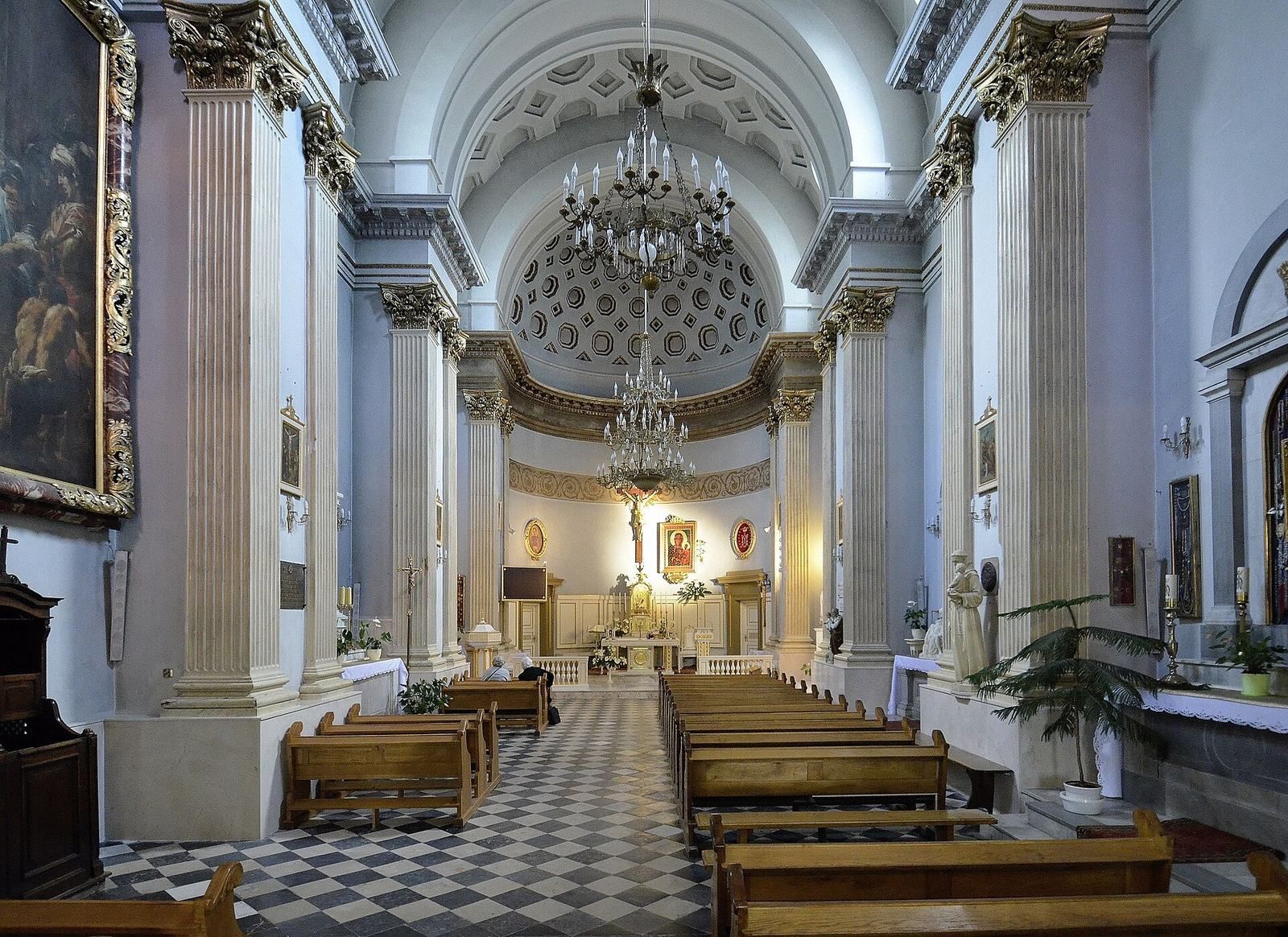
The present church is built of brick and stands within Redoubt No. 56, a defensive fortification. Its plan is rectangular, with one main worship space and a multi-sided apse (the sanctuary end of the church).
Commemorative features
Memorials to the 1831 assault
Twelve Russian artillery barrels, with cannonballs still inside them, are set into the church walls. Six inscribed plaques installed in 1845 commemorate participants in the assault on Warsaw and its course.
Memorials on the Wolska Street wall
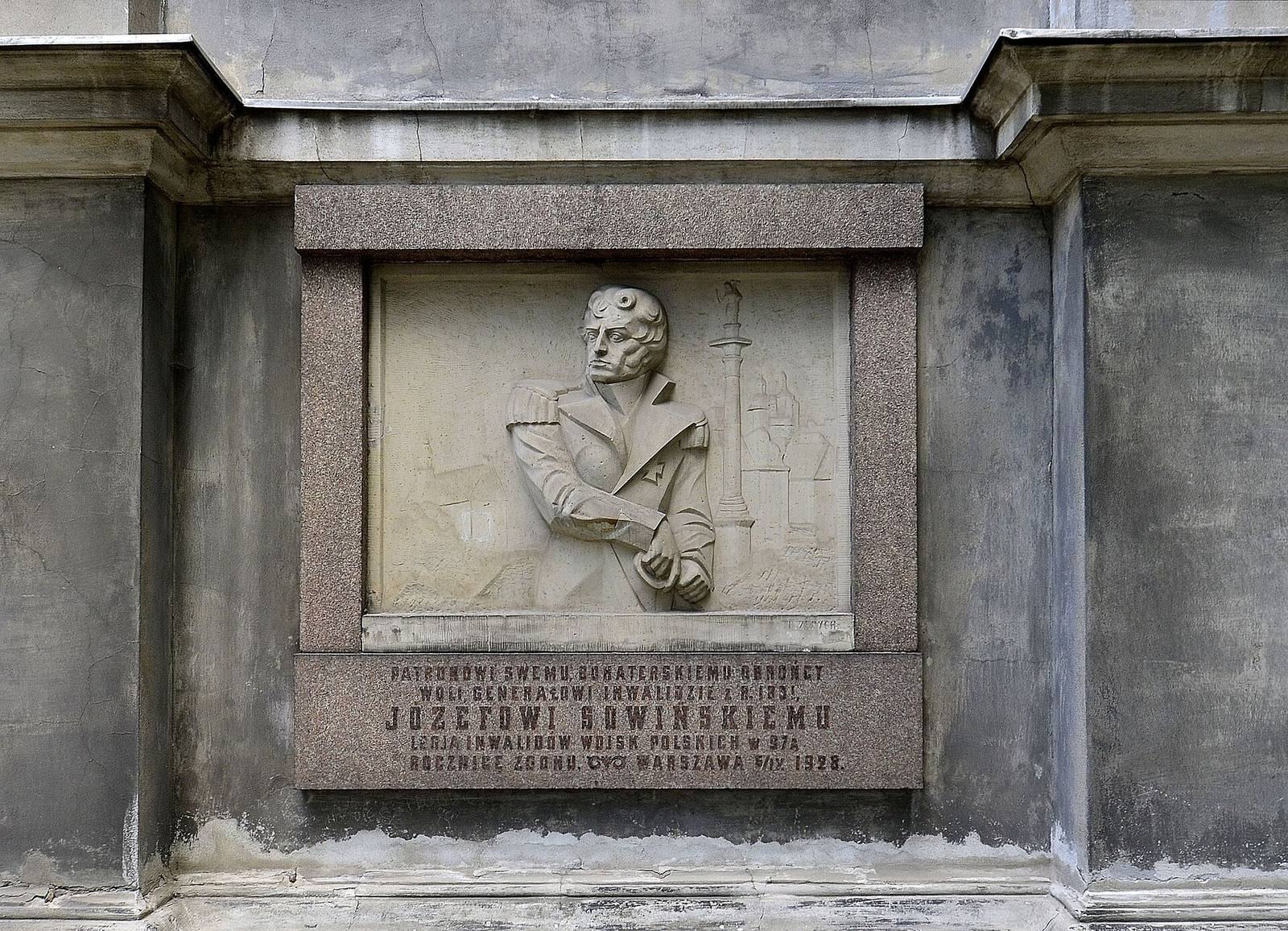
A plaque on the wall facing Wolska Street bears a bas-relief of Józef Sowiński. The Polish Military Invalids’ League installed it in November 1928, on the 97th anniversary of his death. A second plaque on the same wall commemorates soldiers of the 40th Infantry Regiment, the “Children of Lviv,” who defended Redoubt No. 56 in September 1939.
Memorial by the gate
A Tchorek memorial plaque was set into the wall by the gate in the 1950s to commemorate victims of the August 1944 executions. Tchorek plaques, named for sculptor Karol Tchorek, are a postwar Warsaw memorial type used to mark sites of executions and other Nazi crimes.
Painting of Our Lady of Consolation
The painting of Our Lady of Consolation, also called the Election Madonna, was once kept in the church. Tradition held that it was carried from the church to the primate’s chapel in the senators’ shed during royal elections. After the church was confiscated, the painting went to the Biernacki family’s private chapel. In 1860 it was moved to the newly built Church of St. Stanislaus, Bishop and Martyr, where it remains.