Springer-Schlösschen: A Villa and Park Estate in Vienna
Site at a Glance
- Popularity
- Medium
- Country
- Austria
- Primary era
- Modern
- Eras represented
- Modern
- Civilizations
- Austria-Hungary, Habsburg
- Site type
- Domestic
- Remains
- Elite Residence
On this page5 sections
History
Hügel and Springer ownership
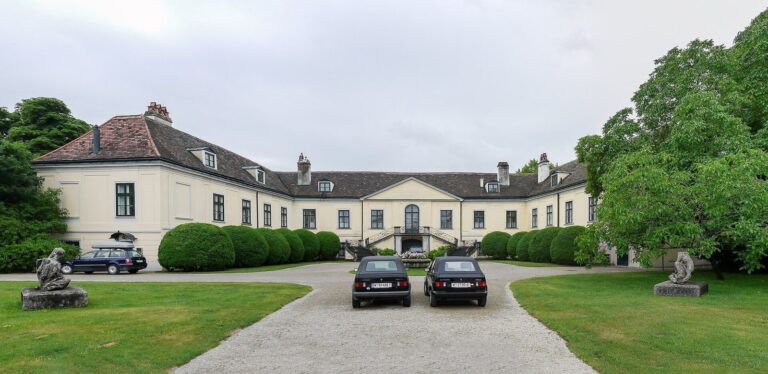
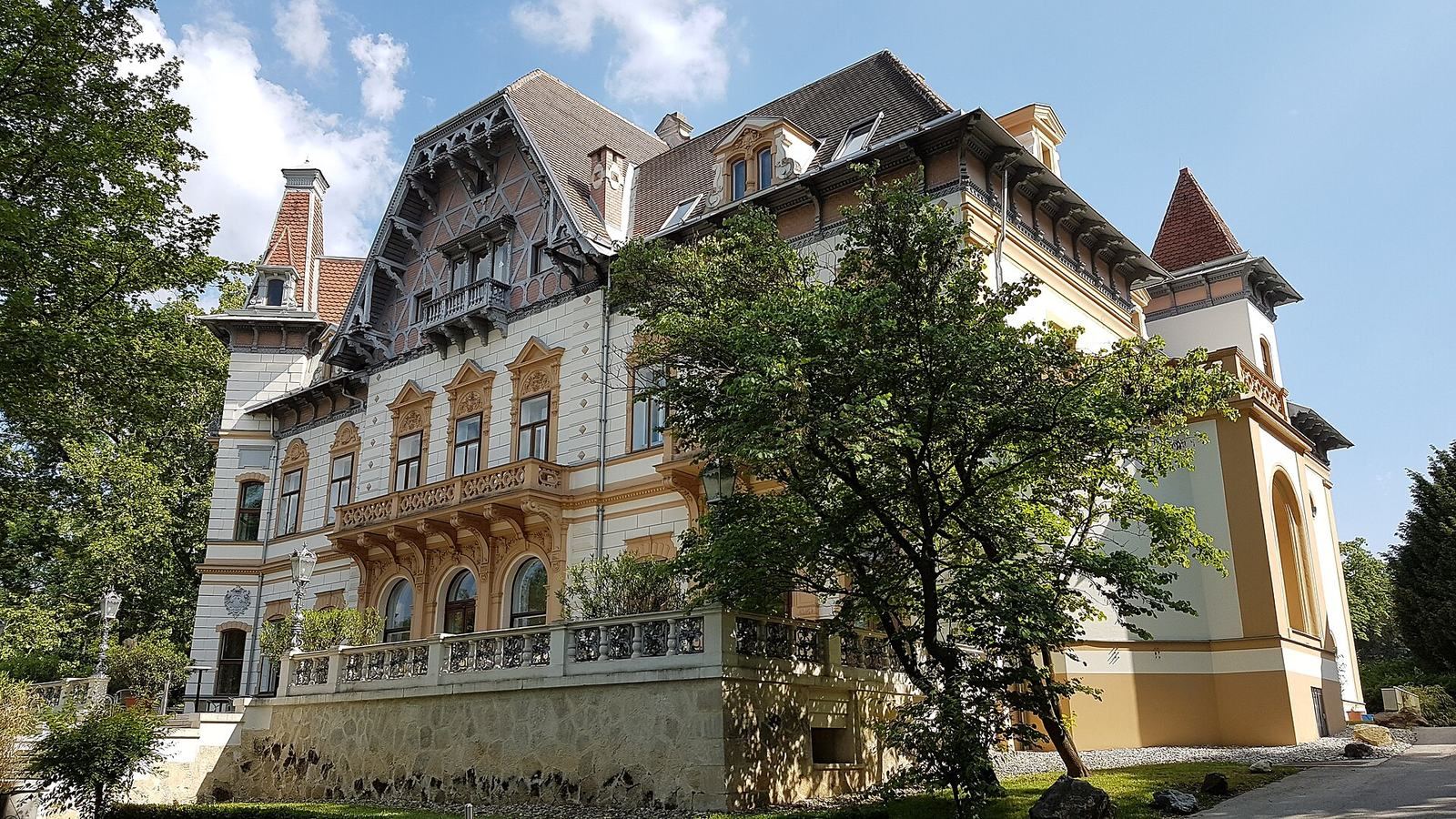
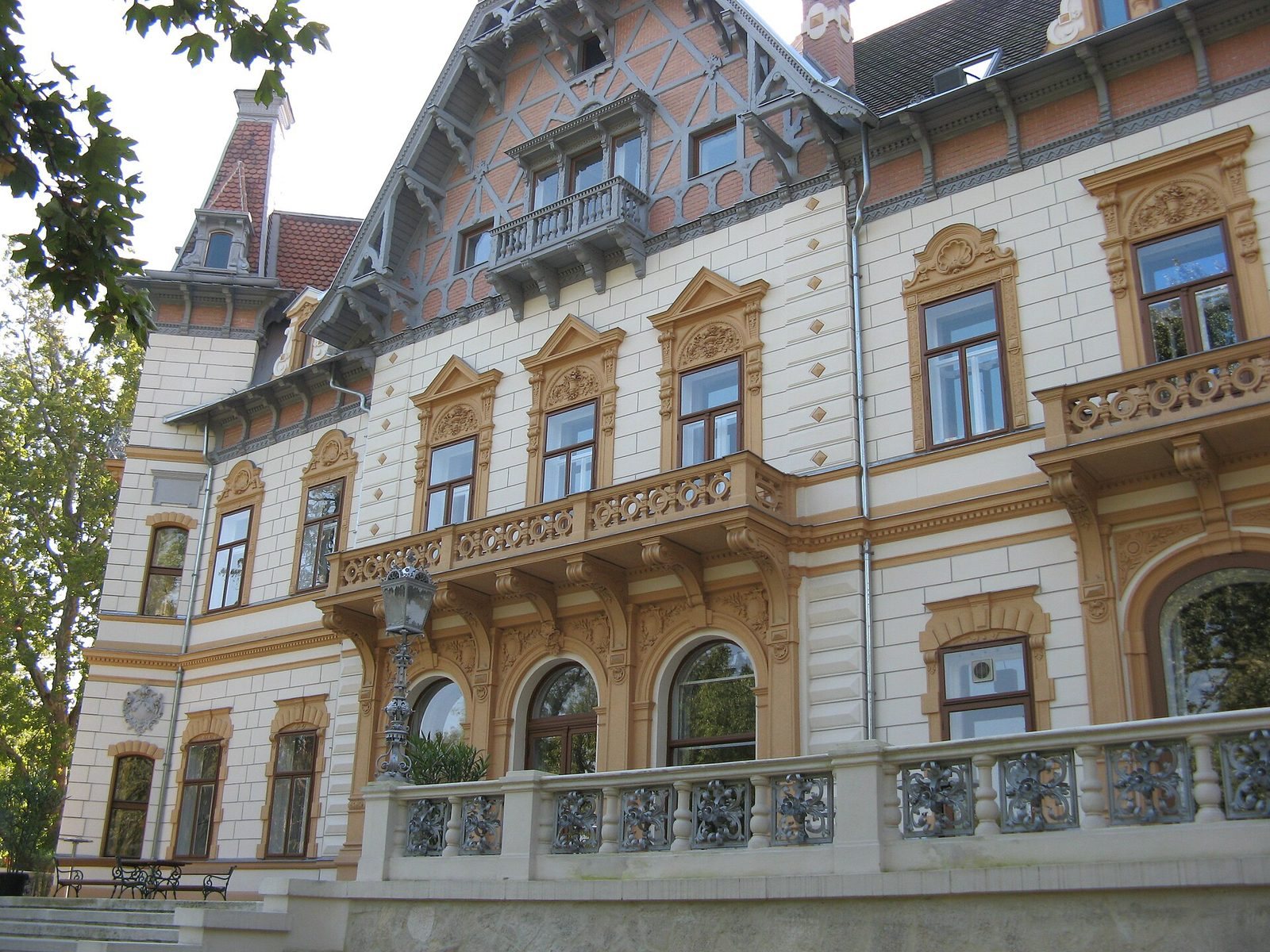
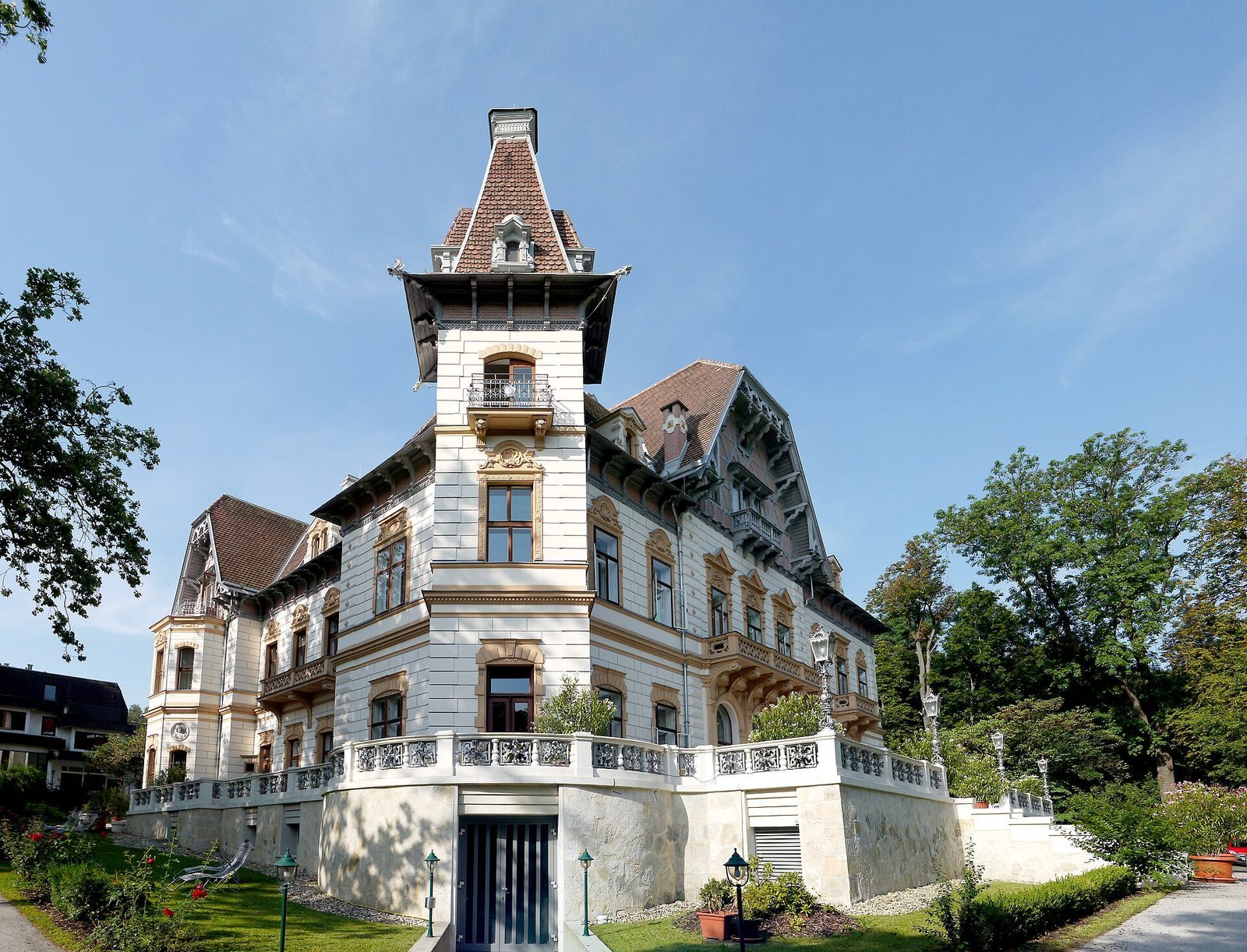
Springer-Schlösschen is a villa in Vienna, Austria, commissioned in 1887 by Gustav, Baron von Springer. The estate originally belonged to Carl, Baron von Hügel (1796 to 1870), an Austrian nobleman and horticulturalist who served as chief garden master of the neighboring Schönbrunn Palace park. He laid out both parks at the same time.
Viennese industrialist Gustav von Springer bought the estate from the Hügel family and commissioned the villa from the architectural firm Fellner & Helmer. His death in 1920 ended the male line of the Springer family. That year, his daughter Maria Cäcilia, later known as Marie Springer, became the owner. She usually visited from Paris about twice a year, then moved permanently to France in 1936.
Nazi confiscation and wartime damage
In late 1939, Nazi authorities confiscated the property as Jewish property and turned the villa into a Gau leadership school. A Gau was a regional unit of the Nazi Party, and its leadership schools trained party cadres. Near the end of the Second World War, Allied bombing heavily damaged the park. Twenty-two bombs threatened the villa, but none struck it.
Postwar ownership and political use
After the war, the devastated villa was returned to Marie Springer. She sold it in 1953 to the Vienna People’s Homes Association. In 1975, the Political Academy of the Austrian People’s Party (ÖVP), the party’s political education organization, decided to convert the building into a seminar hotel. The Academy moved out in 2024, but the ÖVP retained the property and continues to use it as Campus Tivoli.
Remains
The estate comprises the villa and its associated park, which covered 40,000 square metres. The park contains 170 natural monuments, legally protected natural features that reflect Carl von Hügel’s horticultural work.