Casino Baumgarten: A Palace and Cultural Event Venue in Vienna
Site at a Glance
- Popularity
- Medium
- Country
- Austria
- Primary era
- Early Modern
- Eras represented
- Early Modern, Modern
- Civilizations
- Austria-Hungary, Habsburg, Habsburg Austria, Holy Roman Empire
- Site type
- Entertainment
On this page5 sections
History
Palace and entertainment venue
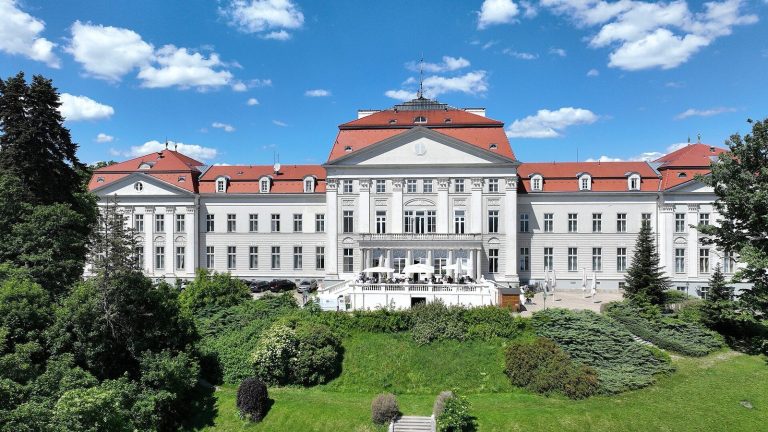
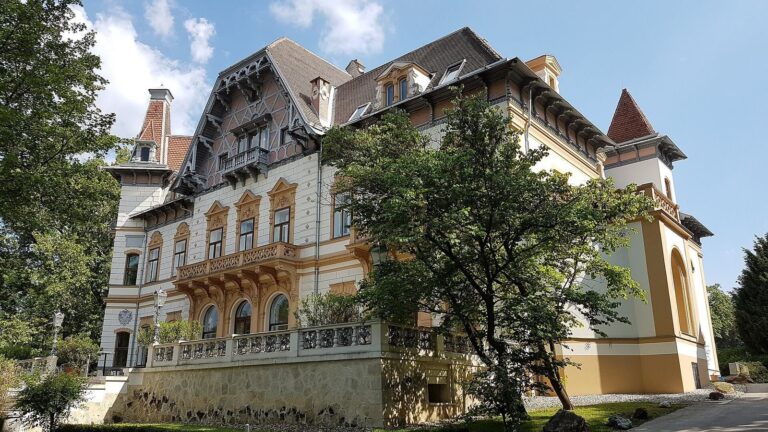
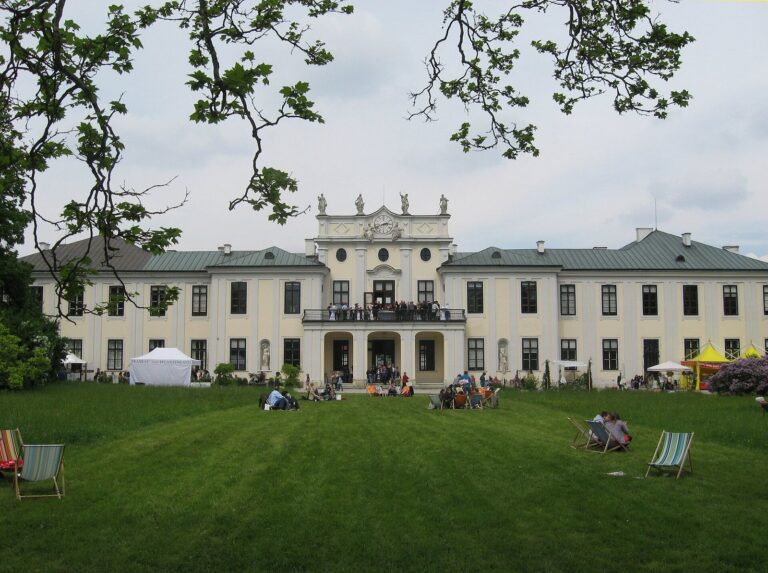
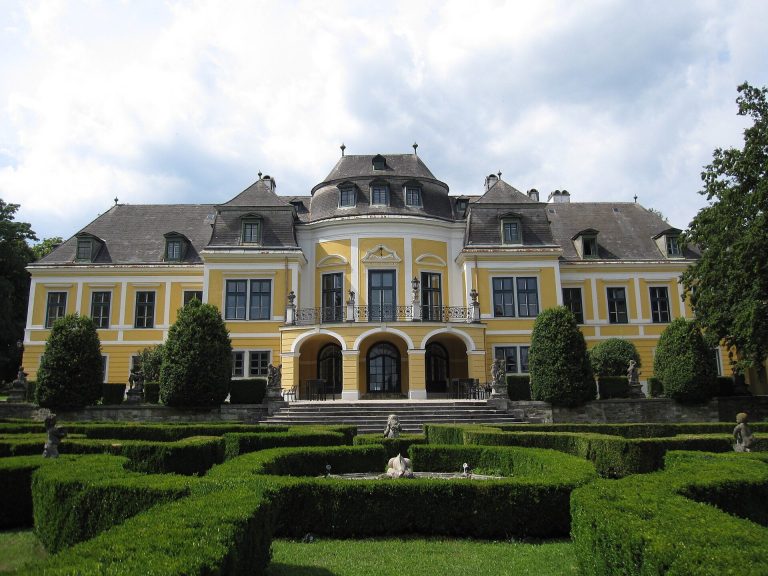
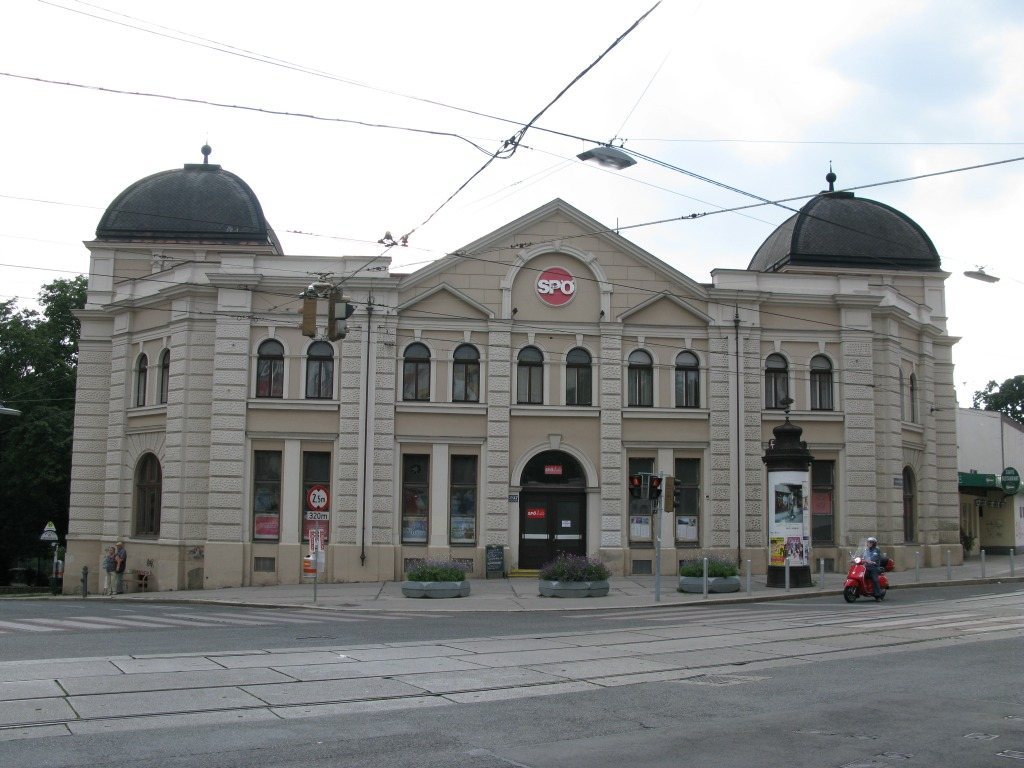
Casino Baumgarten is a former palace and present-day cultural event venue in Baumgarten, Vienna, Austria. It was built in 1779 for General Andreas Hadik von Futak, an eighteenth-century military commander and nobleman in Habsburg service. The property belonged for a time to the Esterházy princes. During the nineteenth century, it became an entertainment venue, and a large event hall was added in 1891/92.
Political ownership and television production
A gift later transferred the property to Austria’s Social Democratic Party (SPÖ). Its current owner is the SPÖ-affiliated Association of Vienna Workers’ Homes. Before the ORF Center at Küniglberg opened in 1975, Casino Baumgarten was an important early Austrian television production site. ORF is Austria’s public-service broadcaster. The building hosted large game shows and live broadcasts in front of audiences.
Damage, renovation and continued use
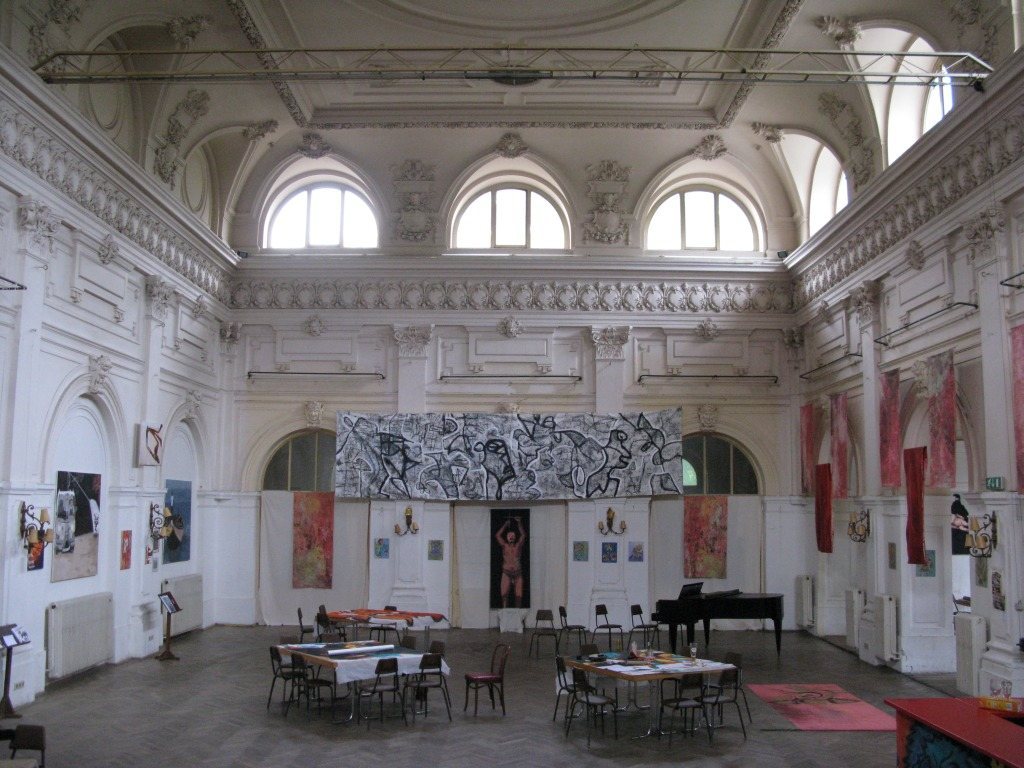
Water damage and other structural defects threatened the building in 2009. The event hall was occupied during the summer, and after the occupation ended, Preiser Records moved into rooms it had rented. Since 2009, a company has leased the hall and adjoining rooms, chiefly for sound recordings, concerts and events. Following renovation, the building has been used mainly for cultural events and sound recording since summer 2010. Casino Baumgarten is protected as a monument and, together with the nearby Slama-Siedlung residential estate, forms part of a City of Vienna conservation zone.
Remains
The building stands on land that was once part of an extensive palace park. Its large event hall, designed by Austrian architect Eugen Sehnal, is in a historicist style, an approach that draws on architectural styles from earlier periods. Adjoining rooms include an analog tube recording studio used by Preiser Records. The studio uses vacuum-tube equipment and an analog recording method rather than digital recording.