Spencer House: An Aristocratic Townhouse in London
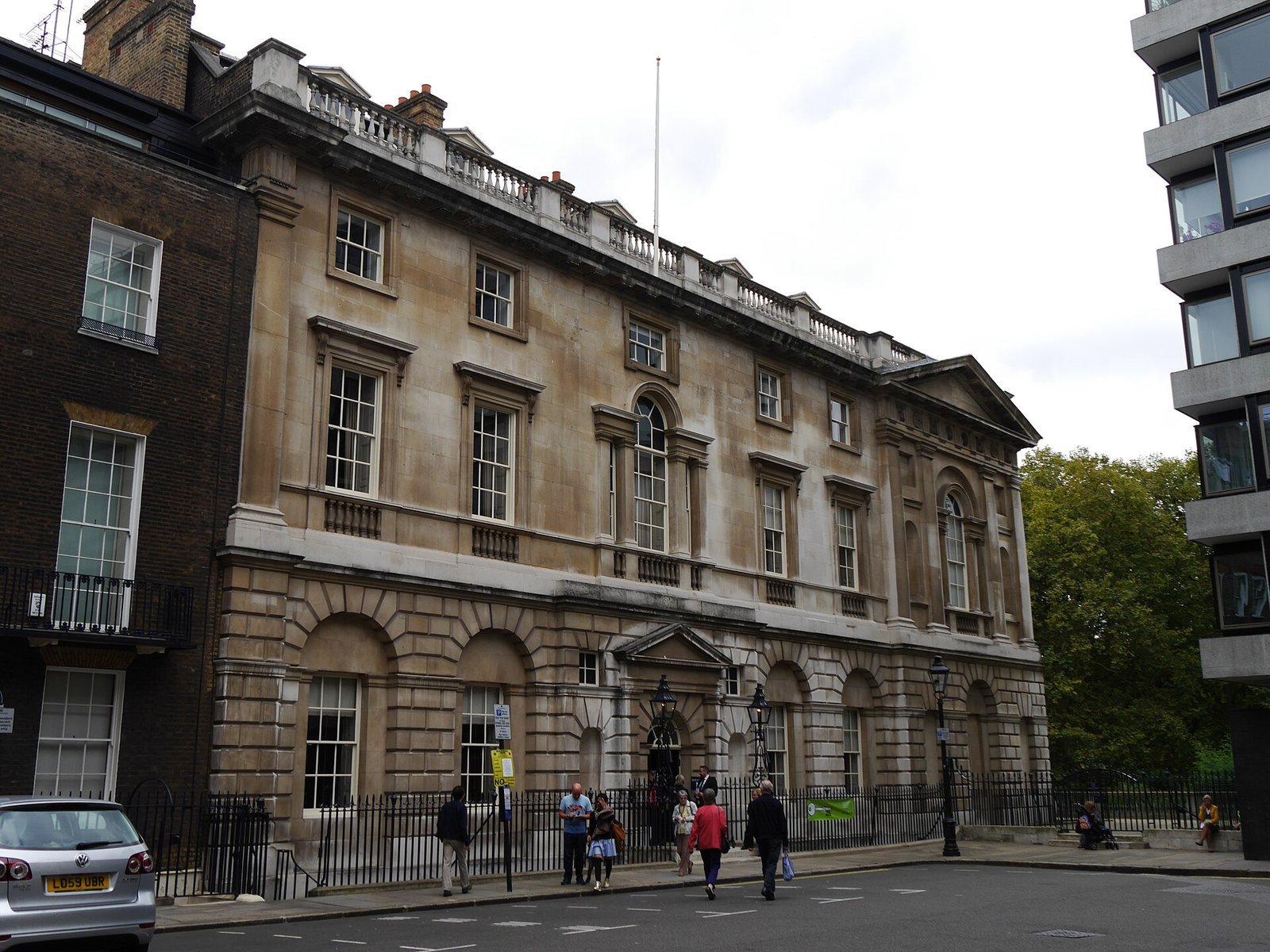
Site at a Glance
- Popularity
- Very High
- Country
- United Kingdom
- Primary era
- Early Modern
- Eras represented
- Early Modern
- Civilizations
- British
- Site type
- Domestic
- Remains
- Elite Residence
On this page8 sections
History
Spencer House is an eighteenth-century townhouse in Westminster, London, United Kingdom. John Spencer commissioned it in 1756 as a large residence intended to reinforce his social standing. He later became the 1st Earl Spencer, a British hereditary rank broadly comparable to a count. John Vardy began as architect, but James ‘Athenian’ Stuart took over the project in 1758. The house’s interiors helped introduce neoclassical architecture to London, a revival of forms and principles associated with ancient Greek and Roman art.
The Spencer household
Successive Earls and Countesses Spencer used the house as their London residence. Its principal rooms, known as state rooms and used for formal entertaining, hosted gatherings of high society. The family lived there through 1895, although the house was also let for particular London Seasons during the 1890s.
Seasonal tenants and royal connections
In 1890 John Spencer, 5th Earl Spencer, leased the house for the London Season to Sarah Roberts, widow of Marshall Owen Roberts. Businessman Barney Barnato also rented it during the decade. The 5th Earl returned in January 1897, then let it later that year to Consuelo, Duchess of Marlborough, and her first husband, Charles Spencer-Churchill, 9th Duke of Marlborough. Their son, John Spencer-Churchill, Marquess of Blandford, was born at the house on 18 September. Consuelo considered the family’s Spencer ancestry a fitting reason for the birthplace.
Mary Wilson Goelet and her daughter rented the house for the 1901 London Season, and the Spencer family was again living there in 1903. On 6 September, King Edward VII, Queen Alexandra, and their daughters Princess Victoria and Princess Maud visited Charlotte Spencer, Countess Spencer, during a serious illness. She died at the house on 30 October. The 5th Earl died in 1910. In the early 1910s the house was let to Maurice de Forest, before Charles Spencer, 6th Earl Spencer, resumed possession in late 1914.
Wartime use and the family’s departure
In December 1916 the 6th Earl offered the house to the British Government for wartime use without charge. From 1 January 1917 until early 1919, it housed two Royal Commissions, government bodies dealing with Defence of the Realm losses and licensed-trade claims, as well as a Board of Referees established under the Finance (No. 2) Act 1915. The Defence of the Realm Act was wartime legislation in Britain. After the authorities left, American widow Mrs William Bateman Leeds leased the property. When members of the public tried to enter, she posted a notice asserting that it was her private home.
Leeds married Prince Christopher of Greece and Denmark in January 1920 and became known as Princess Anastasia of Greece. Most of his extended family were then in exile, following King Constantine I’s forced abdication in 1917 in favour of his second son, Alexander. In October 1921 the 6th Earl said heavy taxation had impoverished him; he planned to close the family’s country seat, Althorp, and live mainly at No. 28 St James’s Place. After his death in 1922, the Spencer family left Spencer House for the last time in the early 1920s. His eldest son, Albert, 7th Earl Spencer, inherited the estate and kept the freehold, despite accepting that the house’s upkeep was beyond his means.
In December 1922 the house briefly accommodated Prince Christopher’s exiled brother Prince Andrew, Andrew’s wife, Princess Alice of Battenberg, and their infant son, Prince Philip. Princess Anastasia died there in August 1923. The house was let for the 1924 London Season to Cornelius and Grace Vanderbilt, and in 1925 to Mrs Harry Brown of Pittsburgh. From 1927 the Ladies Army and Navy Club occupied it during the interwar years.
Institutional use and restoration
The government requisitioned Spencer House during the Second World War. It was damaged during the Blitz, and looters took remaining original treasures, custom-made furniture, and fireplaces. In the 1940s the 7th Earl considered an offer from the Bath Club and the Royal Society to buy the property; Queen Mary privately encouraged him to accept. The family nevertheless retained the freehold. Christie’s auctioneers leased the house from 1948. The British Oxygen Company took a 42-year lease in 1956 and sold it to Capital and Counties Property Co in 1961; the Economist Intelligence Unit became a tenant in 1963.
In 1986 RIT Capital Partners, a company associated with the Rothschild family, obtained a long lease, with a further option to extend it. Jacob Rothschild, 4th Baron Rothschild, and RIT carried out a five-year restoration completed in 1990. Spencer House is Grade I listed, the highest category for buildings of exceptional interest in England, and is among the few surviving aristocratic townhouses that once characterized central London.
Remains
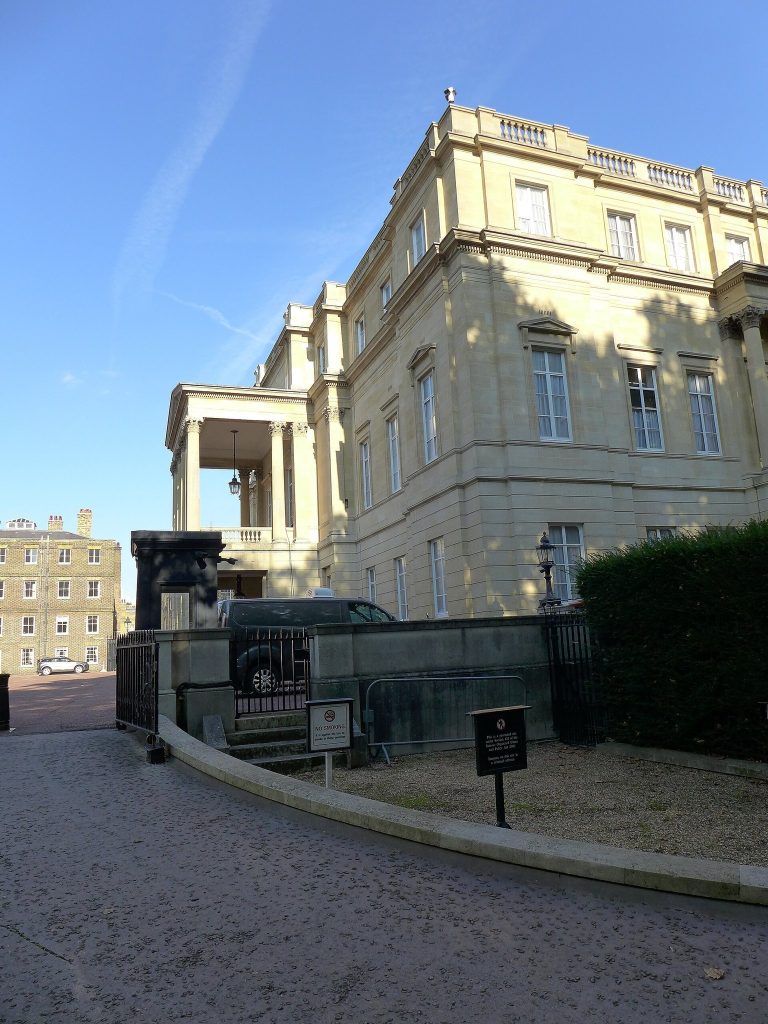
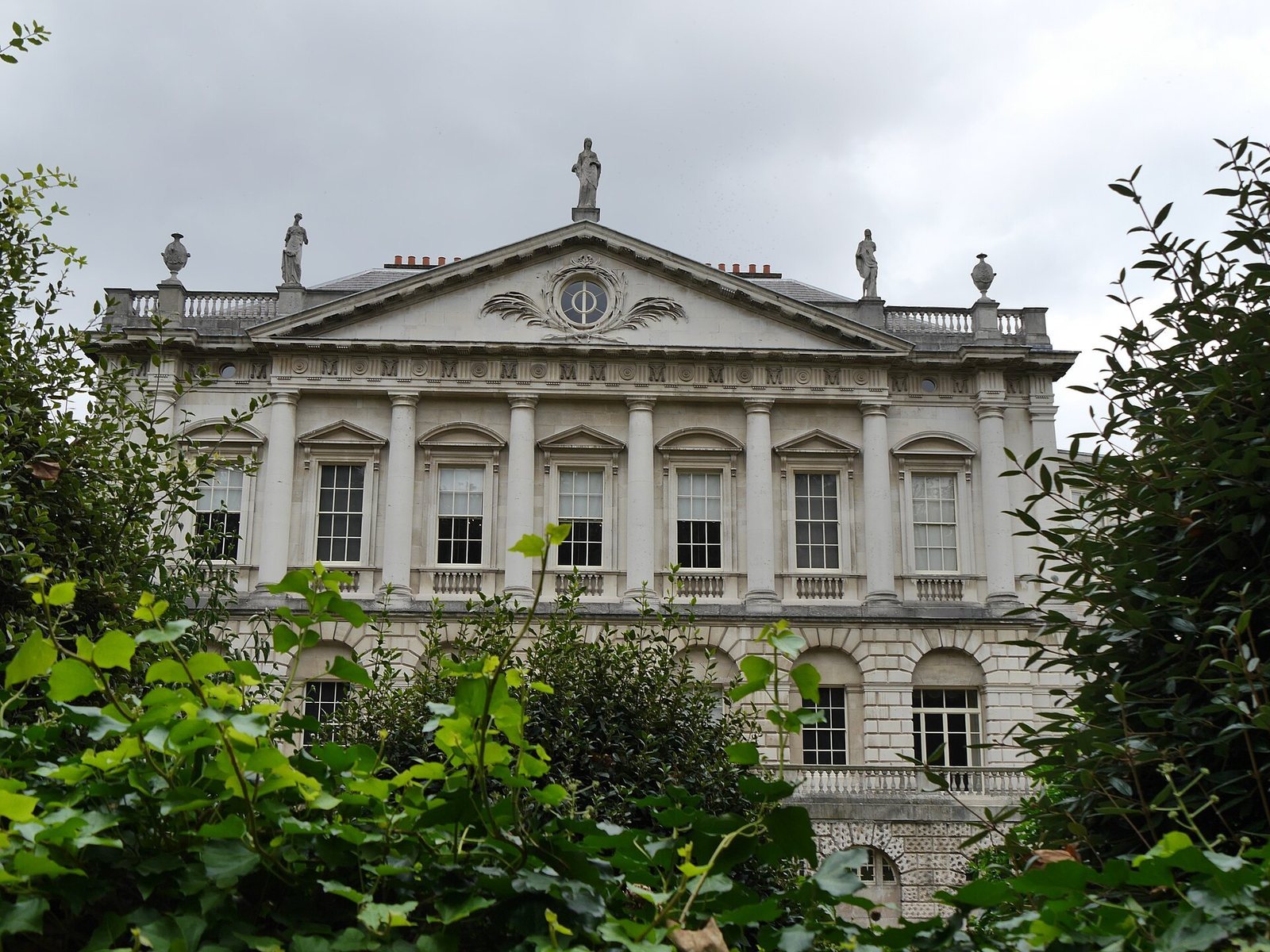
The site includes the principal townhouse and an adjoining, smaller terraced house. Vardy designed the main house’s façades, while the interior combines his work on some first-floor rooms and furnishings with Stuart’s Greek-inspired decoration. The resulting interiors are an early London example of neoclassical architecture, which revived ancient Greek and Roman design principles.
The main townhouse
The house’s principal rooms were arranged for formal entertaining and are known as state rooms. Greek architectural details shape Stuart’s interior decoration. The restoration brought the principal rooms and garden closer to their original appearance.
The adjoining house
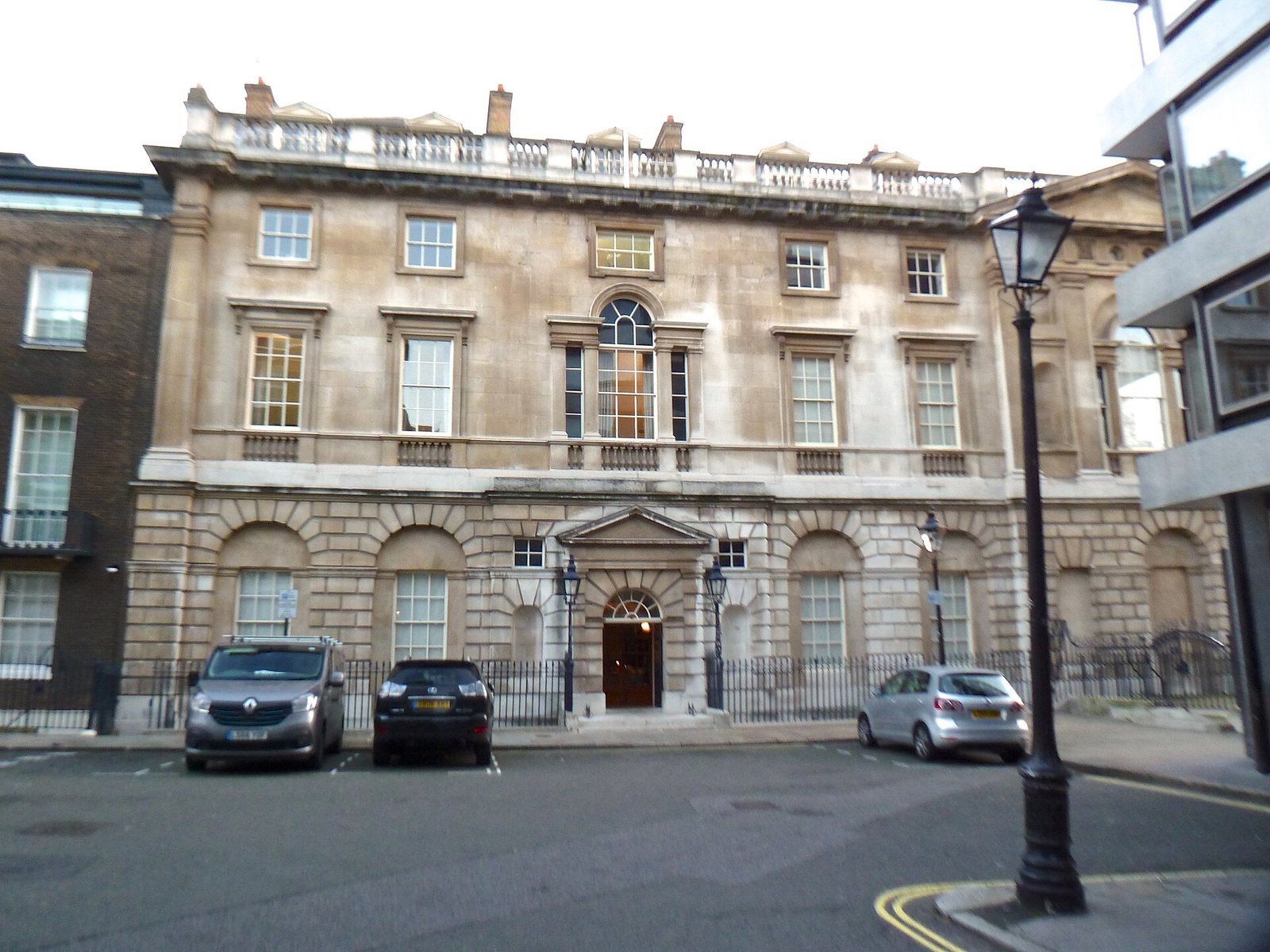
The smaller house at No. 28 St James’s Place was originally built as a dower house, a separate residence traditionally provided for a landowner’s widow. Earls Spencer sometimes used it as their London home when Spencer House was let.