Sōroku Kofun: A Keyhole-Shaped Burial Mound on Iki Island
Site at a Glance
- Rating
- 4.1
- Popularity
- Very Low
- Country
- Japan
- Primary era
- Medieval
- External website
- Open
- Eras represented
- Medieval
- Civilizations
- Yamato
- Site type
- Burial
- Remains
- Burial Mound
On this page11 sections
History
Sōroku Kofun is a keyhole-shaped burial mound in Iki, Japan, built during the second half of the sixth century in the late Kofun period. The Kofun period, which lasted broadly from the third to the seventh century, saw powerful regional elites construct large burial mounds as expressions of status. Sōroku Kofun forms part of the Iki Kofun Group, a nationally designated historic site, and is the largest kofun on Iki Island and in Nagasaki Prefecture.
Construction in the late Kofun period
The mound was built in the central hills of Iki Island during a period of increasingly powerful regional leadership and emerging centralized authority in Japan. Its scale and carefully constructed burial facility reflect the standing of the person or group placed within it. The mound’s rear section has a steep, inverted-bowl-like profile, a form also seen at Tsushima-zuka Kofun on Iki Island.
Opening and archaeological investigation
The stone chamber had already been opened by the Edo period and was mentioned in two works from that era. A survey of the chamber took place in 1981, followed by measured investigations of the mound and chamber by the Nagasaki Prefectural Board of Education in 1992. Full-scale excavations were conducted by the former Katsumoto Town between 1997 and 2000.
The excavated objects are collectively designated as the “Artifacts Excavated from Sōroku Kofun, Nagasaki Prefecture” and hold the status of an Important Cultural Property of Japan. They are stored at the Iki City Ichikoku Museum. The horse-harness ornaments display a high level of technical skill, while Silla and other continental objects provide evidence of contacts across the sea during the period. Silla was a Korean kingdom that lasted from antiquity until 935.
Remains
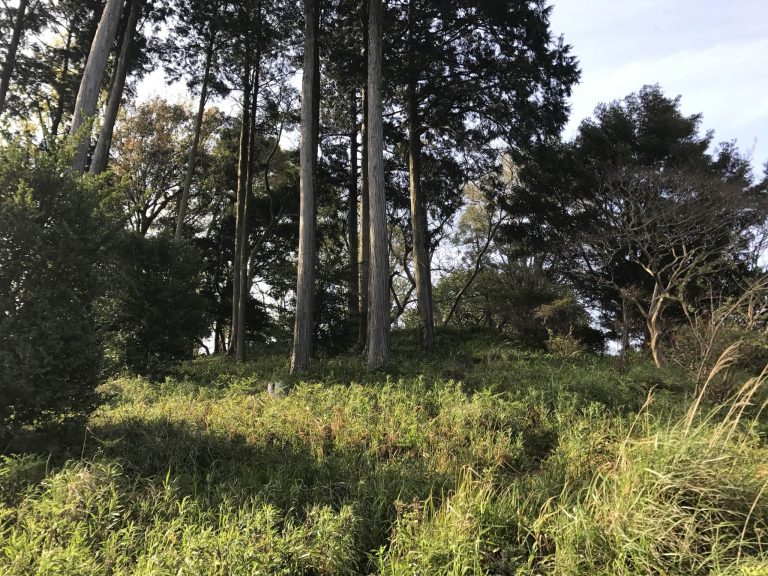
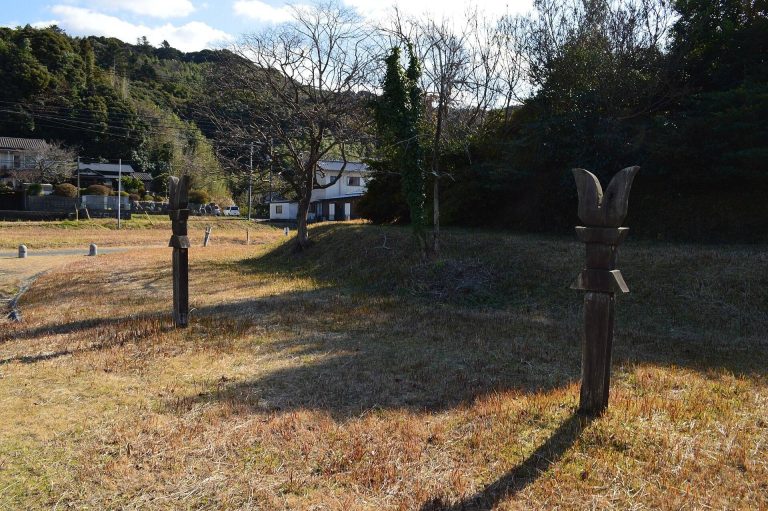
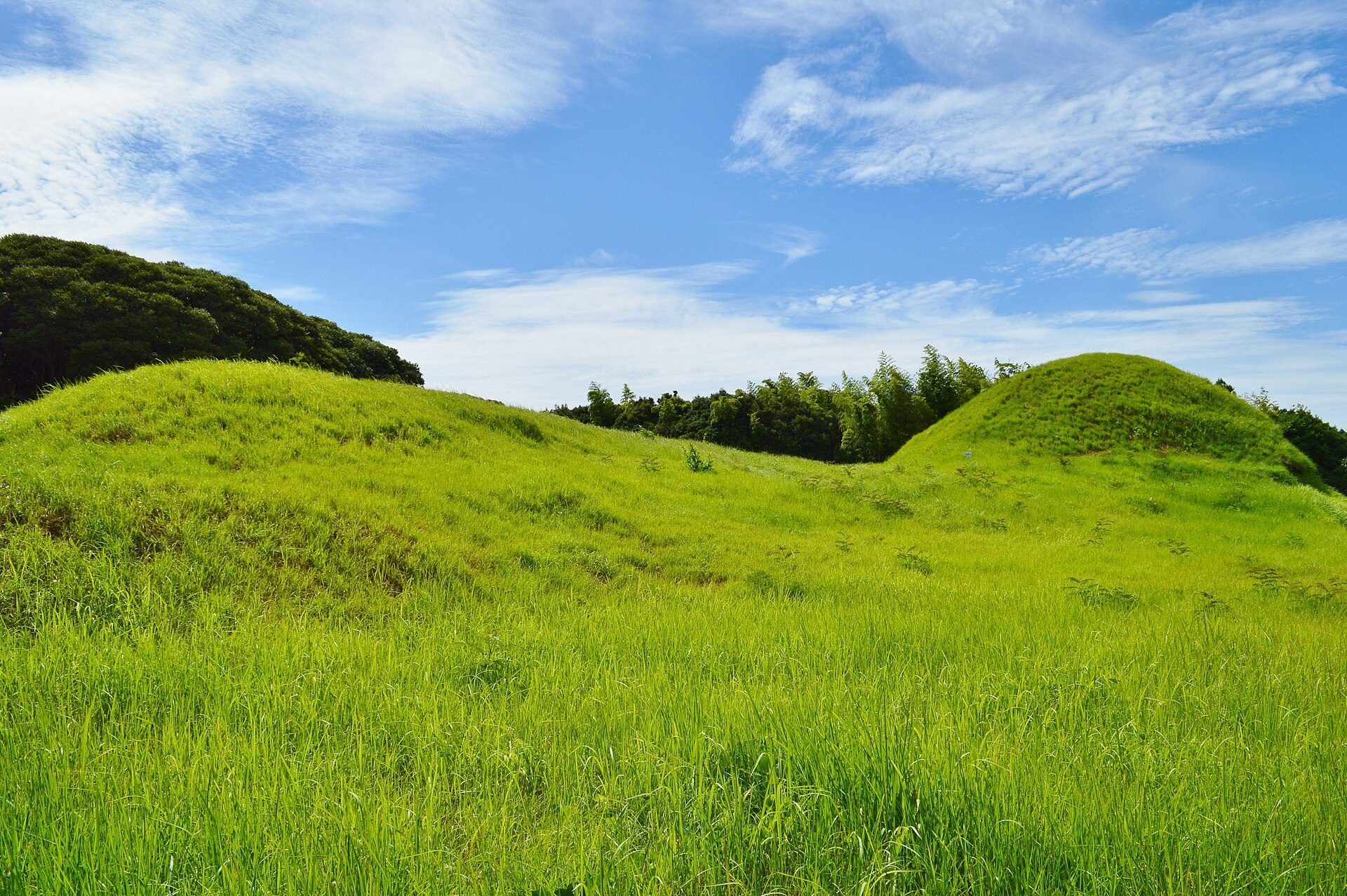
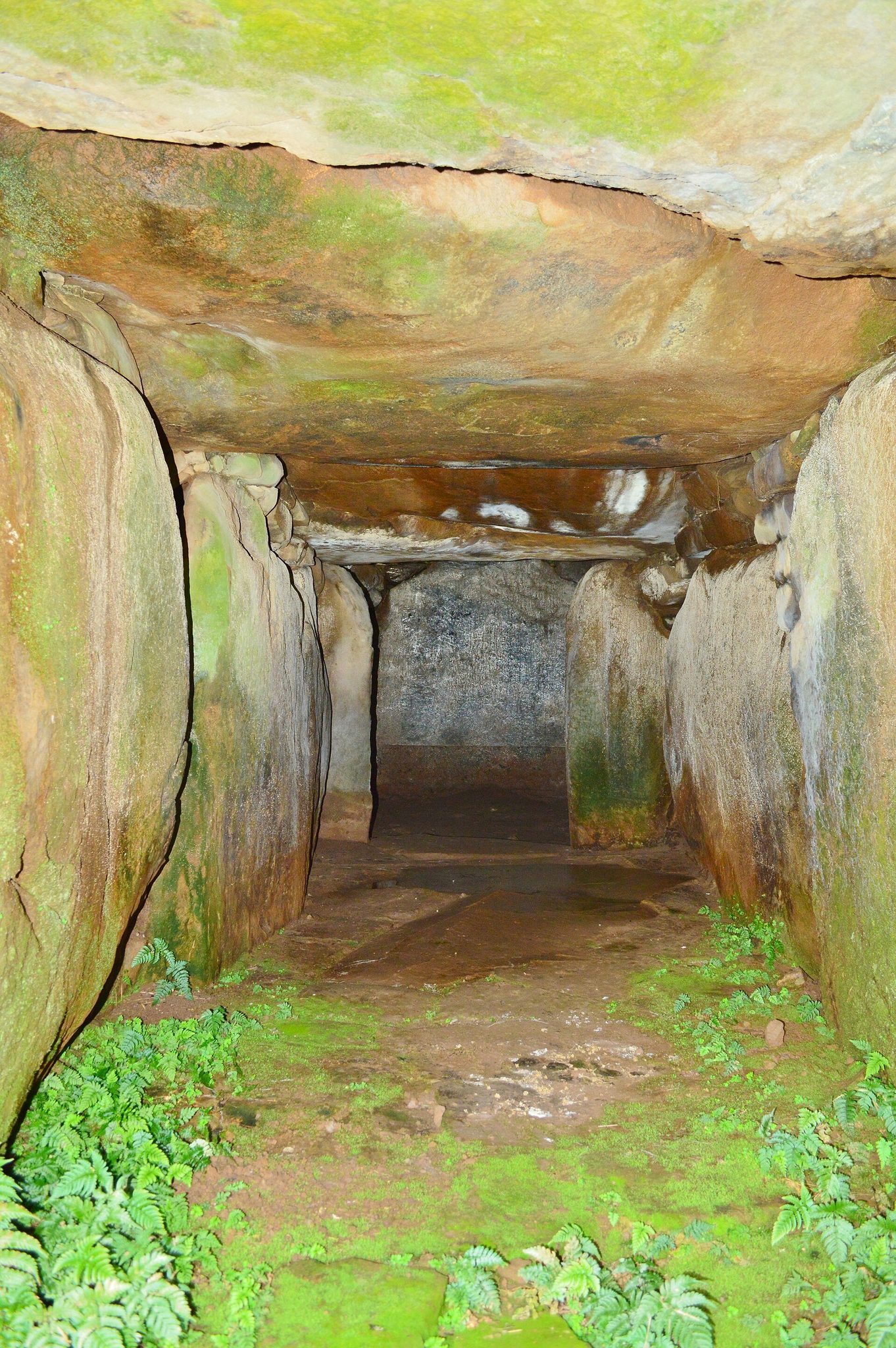
Sōroku Kofun stands on a hill in the central part of Iki Island. It is a two-tier, keyhole-shaped mound composed of a long rectangular front section and a rounded rear section. The front extends farther than the rear, while the rear rises steeply in an inverted-bowl form. The burial facility is a two-chambered horizontal stone chamber, meaning that it is entered from the side through a passage rather than opened from above.
Mound and stone chamber
Keyhole-shaped mound
The mound measures 91 meters in length and reaches 10.6 meters in height. Its two levels and contrasting front and rear sections preserve the characteristic keyhole plan. The elevated position on a central island hill forms part of the surviving archaeological setting.
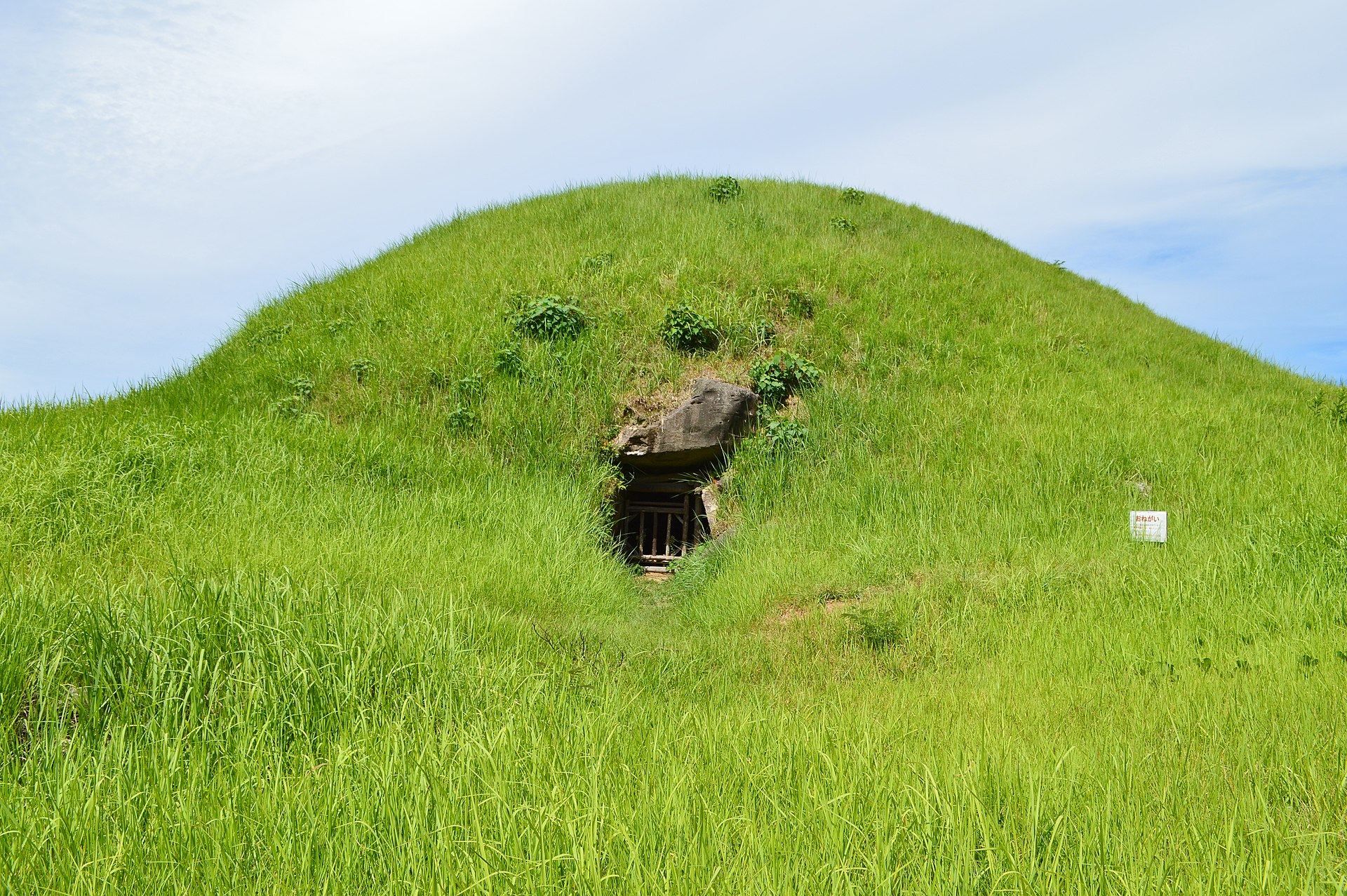
Horizontal stone chamber
The chamber opens toward the southwest and has a total length of 11 meters. It consists of a burial chamber, a forechamber, or antechamber, and a short passage. The burial chamber is 3.5 meters long, 2.58 meters wide, and 4.28 meters high. Traces of red pigment remain on its interior, and its floor appears to have been paved throughout with slabs of tuff. Boat-shaped line engravings are visible on the chamber walls.
The forechamber measures 6.28 meters long, 1.8 meters wide, and 1.68 meters high. The passage is 1.28 meters long and 1.28 meters wide, with a height of 1.7 meters. Together, these spaces create the side-entered route to the main burial chamber.
Burial goods
Objects from the burial chamber
Finds from the burial chamber include Sue ware, a high-fired ceramic tradition made with kiln technology associated with the Korean Peninsula, and Haji ware, a lower-fired Japanese earthenware tradition. The assemblage also contains iron objects, glass beads, fragments of two-color ceramics, and gold thread.
Objects from the forechamber
The forechamber produced the gilt-bronze pommel, grip base, and eight-windowed guard of a sword with an angular pommel. Other finds include cloud-shaped bosses and apricot-leaf pendants from horse harnesses, a gilt-bronze crown, Sue ware, Haji ware, and glass beads.
Objects from the passage and chamber entrance
The passage contained a gilt-bronze bell, iron arrowheads, a silver-inlaid sword guard, horse harnesses, Haji ware, and a short sword. Silla pottery was found at the entrance to the chamber, adding to the evidence for connections between Iki Island and communities across the sea.