Sočanica Basilica: A Ninth- or Tenth-Century Church in Kosovo

Site at a Glance
- Rating
- 5
- Popularity
- Very Low
- Country
- Kosovo
- Primary era
- Medieval
- Eras represented
- Classical, Medieval
- Civilizations
- Bulgarian, Roman, Serbian
- Site type
- Religious
- Remains
- Basilica
On this page7 sections
History
Early Medieval Basilica
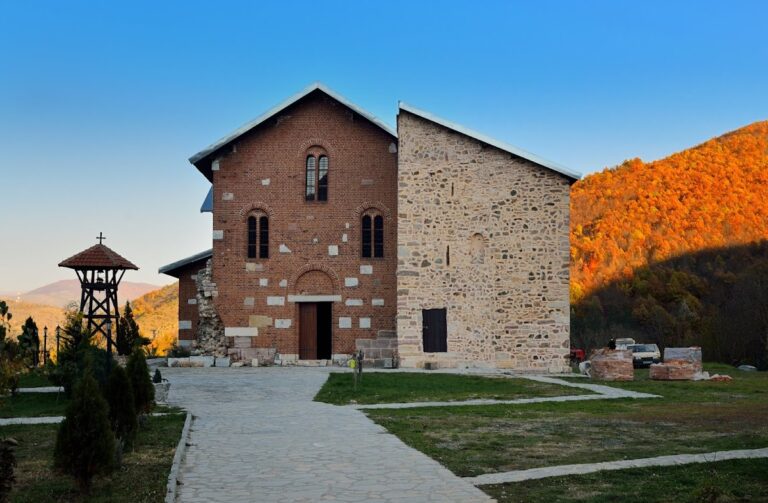
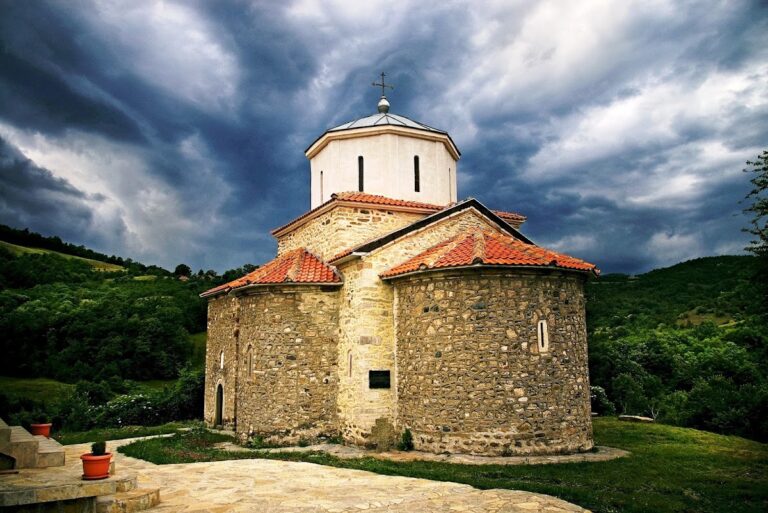
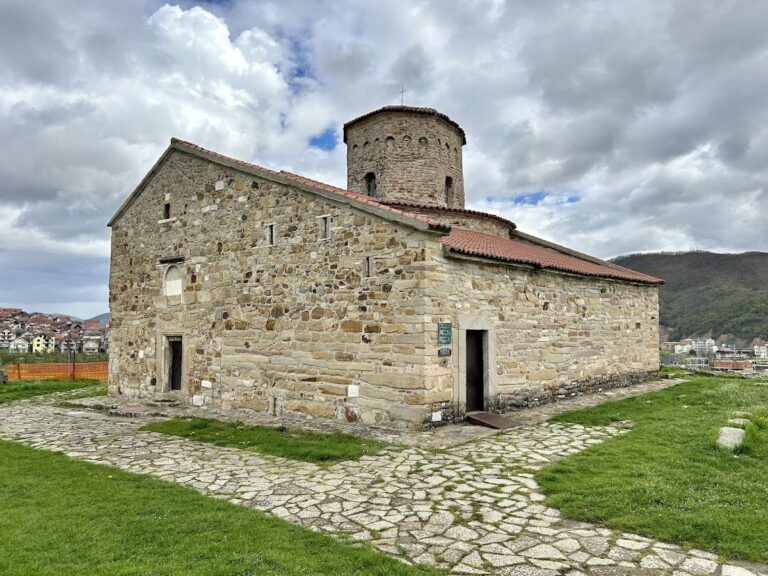
Sočanica Basilica is the remains of a ninth- or tenth-century church in Kosovo. A basilica is a church building traditionally organized around a long central space. The decorative stonework dates the church to the reigns of Simeon I of Bulgaria, who ruled from 893 to 927, and Petar of Serbia. The site is also associated with the continuity of the Roman town Municipium Dardanorum, an urban settlement in the region of ancient Dardania.
Medieval Use and Defence
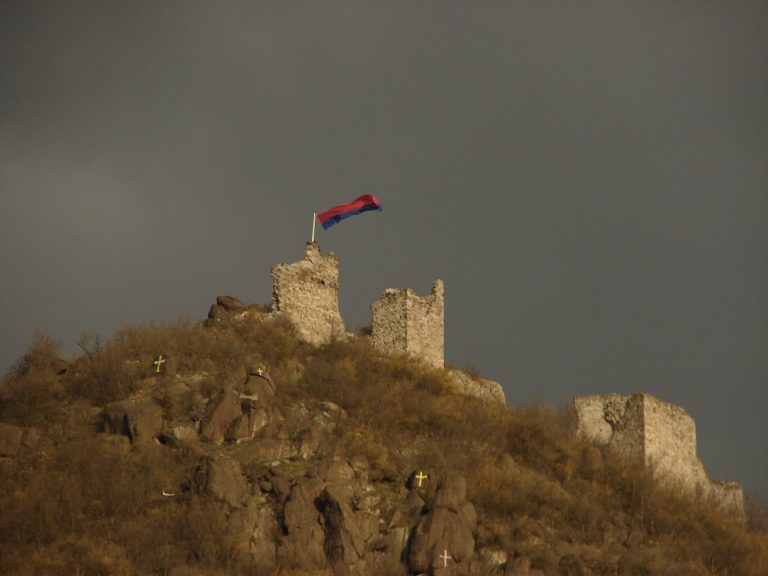
Graves found at the basilica indicate that it remained in use during the eleventh and twelfth centuries. During the reign of Grand Prince Uroš II, the site was known as Sečenica. It was defended against Byzantine forces from the newly built fortress at Galič, protecting the bridge over the Ibar and the road to Ras, the political center associated with the early Serbian state.
The place was later recorded as Selčanica in the foundation charter issued by King Milutin, who reigned from 1282 to 1321, for his endowment at Banjska. Banjska lies close to Sočanica, linking the site to the medieval religious and political landscape of the area.
The Later Monastery
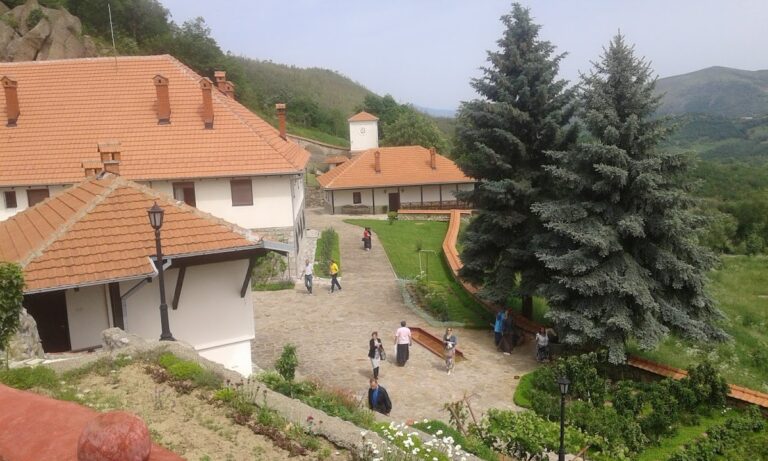
The present Sočanica monastery belongs to the Raška-Prizren Eparchy of the Serbian Orthodox Church. An eparchy is an ecclesiastical jurisdiction comparable to a diocese. Its church was built in 1862 on the site of an older church dedicated to the Presentation of the Virgin Mary, while the present building is dedicated to the Beheading of Saint John the Baptist. A gravestone found around the monastery church shows that the earlier church was active in 1643.
The monastery became active again in 2002, when a brotherhood settled around the church after leaving the monastery at Zočište near Orahovac because of attacks by Albanian extremists. The monastery of Saint Petka at Ulije, near the Ceranjska River, was restored as a metoch of Sočanica Monastery. A metoch is a dependent monastery or monastic estate attached to a larger monastery.
Remains
Early Basilica
The basilica survives as the remains of a church whose carved stone decoration supports a date in the ninth or tenth century. Graves discovered at the site point to continued use during the eleventh and twelfth centuries. The burial evidence therefore places the church within a longer medieval phase of activity rather than limiting its history to the period of its original construction.
Monastery Church and Catacombs
The altar area of the monastery church is cut into the rock. In 2007, an opening leading to underground catacombs was discovered beneath this area. Specialists from the Provincial Institute for the Protection of Monuments in Pristina proposed that the catacombs date from the second or third century and were used by early Christians living in Municipium Dardanorum. Their proposed date places these underground spaces before the medieval basilica associated with the site.