Siwa Oracle: An Ancient Egyptian Sanctuary and Oracle Site in Egypt
Visitor Information
Google Rating: 4.5
Popularity: Medium
Country: Egypt
Civilization: Greek
Site type: Religious
Remains: Sanctuary
History
The Siwa oracle is located in Siwa, a municipality in the modern state of Egypt, and was established by the ancient Egyptian civilization.
People used the Siwa area from the Paleolithic and Neolithic eras, and the site enters the historical record during Egypt’s Middle and New Kingdoms (roughly 2050–1800 BC and 1570–1090 BC). Written evidence attests to activity in these periods, though the surviving record does not preserve structures from that early phase.
By about the 8th century BC the sanctuary had acquired a renowned divine oracle that attracted attention across the eastern Mediterranean. That fame drew imperial attention: in 524 BC the Persian ruler Cambyses II sent a military force against the sanctuary, an expedition recorded as vanishing in the desert as it approached the oasis.
After Alexander the Great’s conquest of Egypt, he traveled to Siwa in 331 BC seeking recognition from the oracle as a son of the god Amun-Ra. The shrine granted him a unique audience inside its inner sanctuary; the oracle’s pronouncement of his divine status became a central element in his self-presentation thereafter. During the Hellenistic era the site was commonly linked with Zeus and called the Temple of Zeus-Ammon, and under Roman rule it came to be known as the Temple of Jupiter-Ammon.
Under Rome the oracle’s stature lessened by the time of the geographer Strabo around 23 BC, though the site continued to receive attention into the second century AD, as shown by inscriptions dating to the reign of Emperor Trajan (98–117 AD). The sanctuary likely remained associated with the worship of Amun-Ra until the spread of Islam around 702 AD. After Roman times the local population contracted and, amid unrest, relocated up onto a fortified hill; that settlement pattern developed into a honeycomb, or beehive, arrangement by about 1200 AD. European travelers resumed visits in the late eighteenth century, with William George Browne recording the oasis in 1792. In recent decades archaeological investigations in the Siwa area have produced tablets that led scholars to consider the possibility that Alexander’s body might have been interred nearby.
Remains
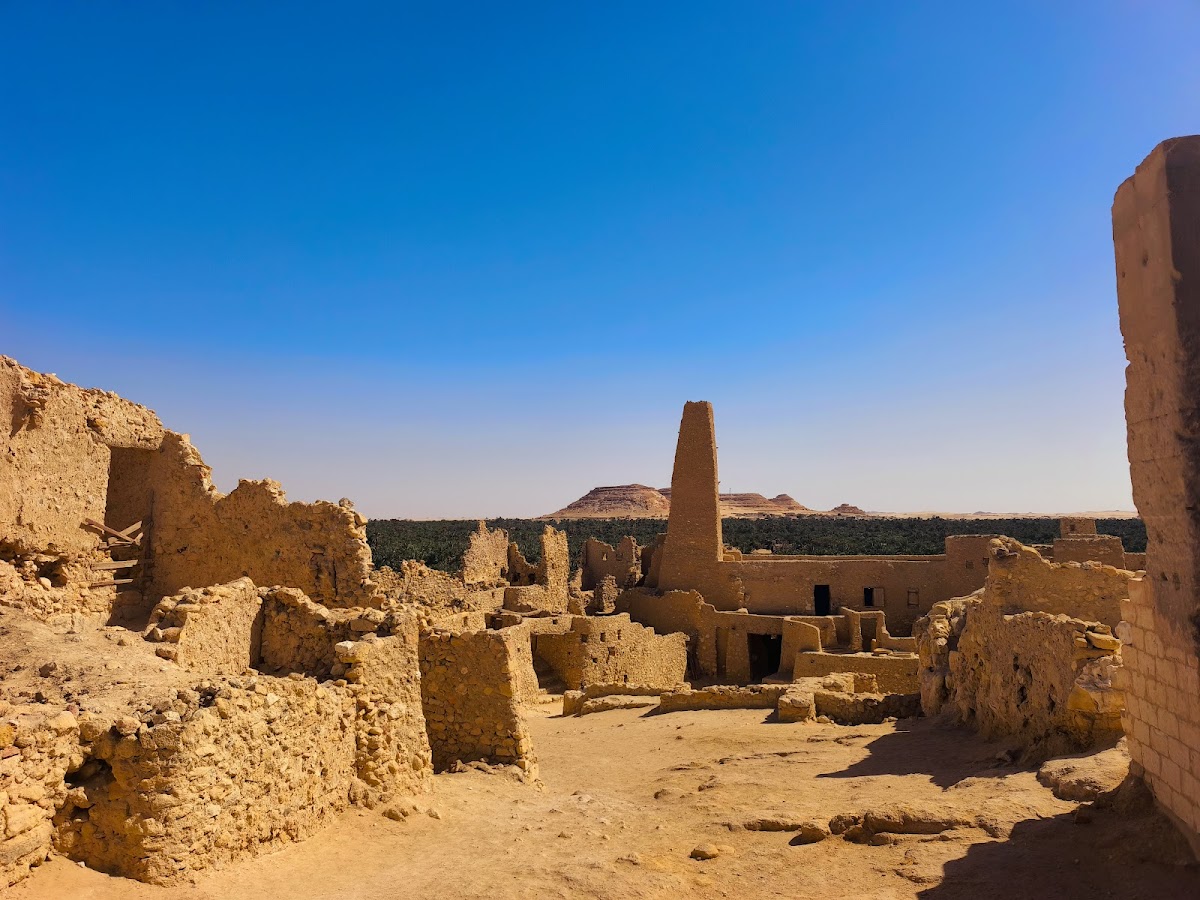
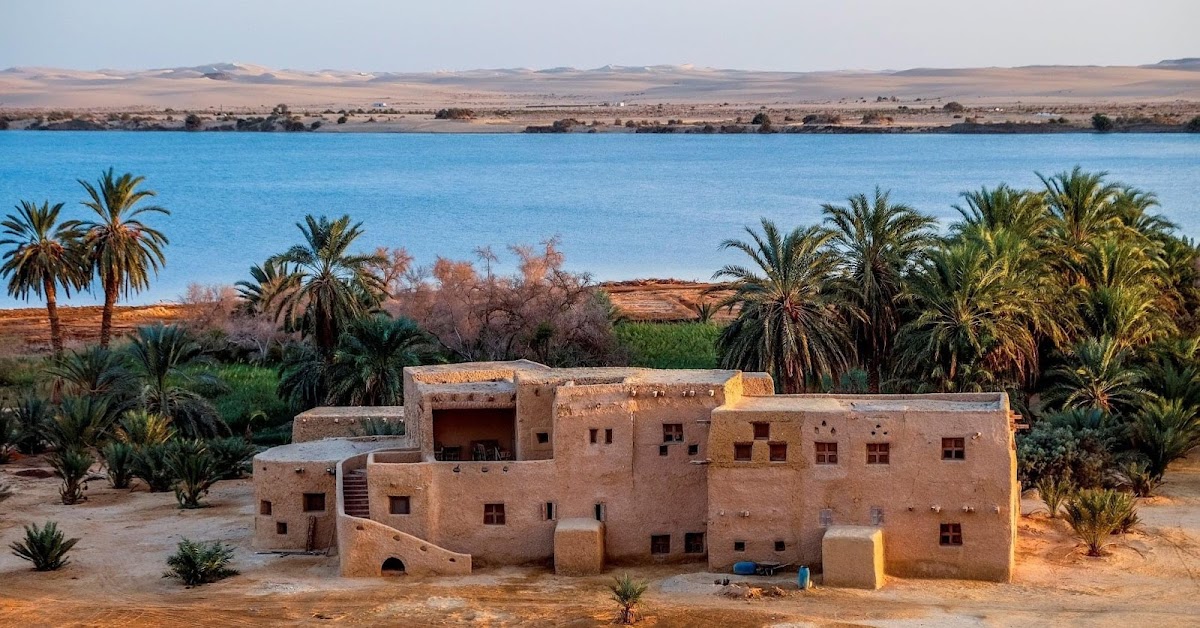
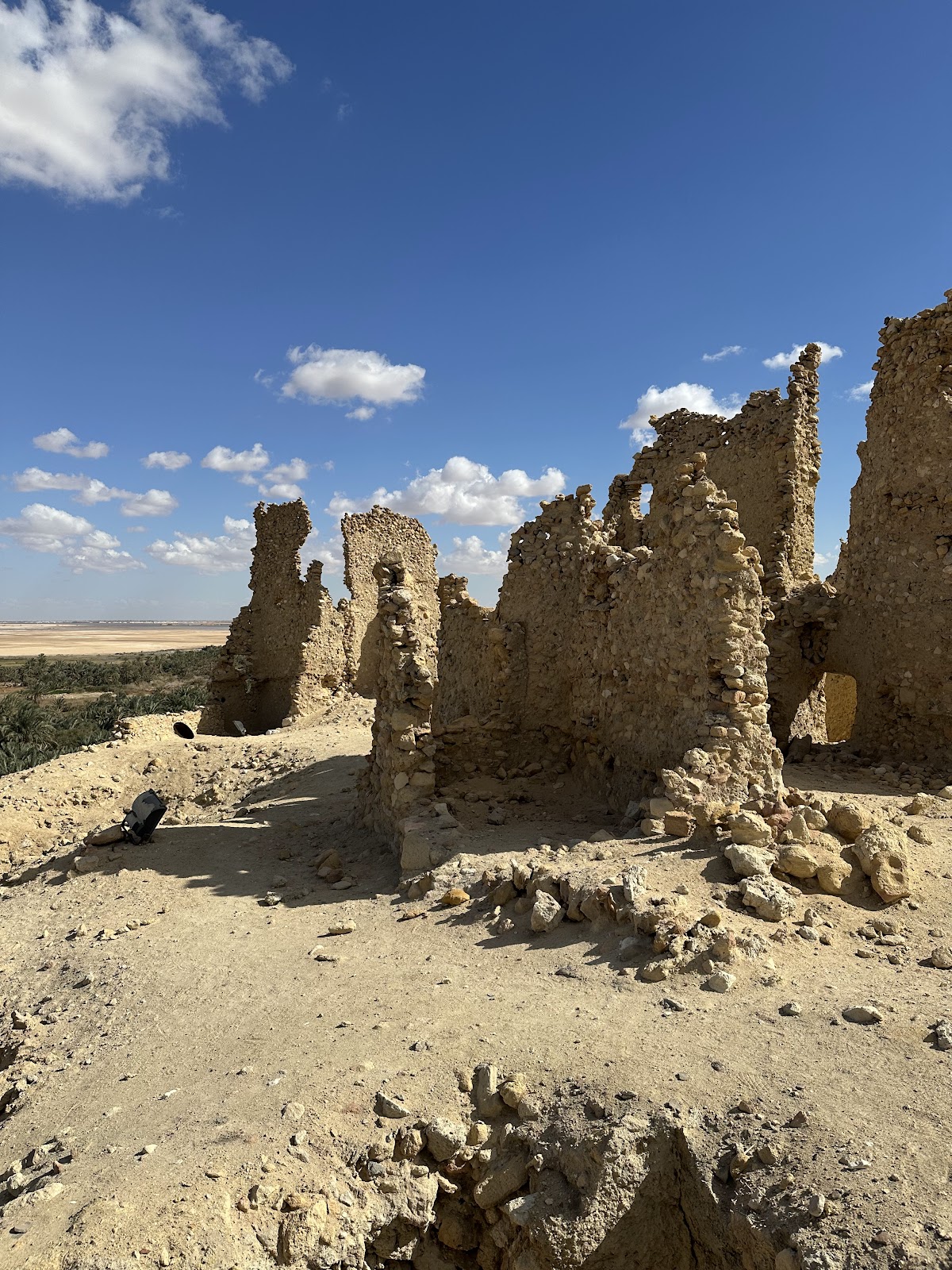
The ancient sanctuary stands as a single, deliberately placed temple aligned to the rising sun on the spring and autumn equinoxes when viewed from the Timasirayn Temple twelve kilometers away across Lake Siwa. The complex was dedicated to the Egyptian deity Amun-Ra and later identified with Greek Zeus-Ammon and Roman Jupiter-Ammon, reflecting its continued religious role through successive cultural phases.
A principal feature documented at the site is the inner sanctuary known as the Holy of Holies, the most restricted part of the temple. In antiquity this space served the oracle’s most secret rites; classical sources record that Alexander was admitted into it and addressed the oracle through a stone screen or partition, an architectural element specified in surviving accounts. Inscriptions carved into the temple fabric include texts datable to the reign of Trajan (98–117 AD), indicating activity or commemoration during the Roman imperial period.
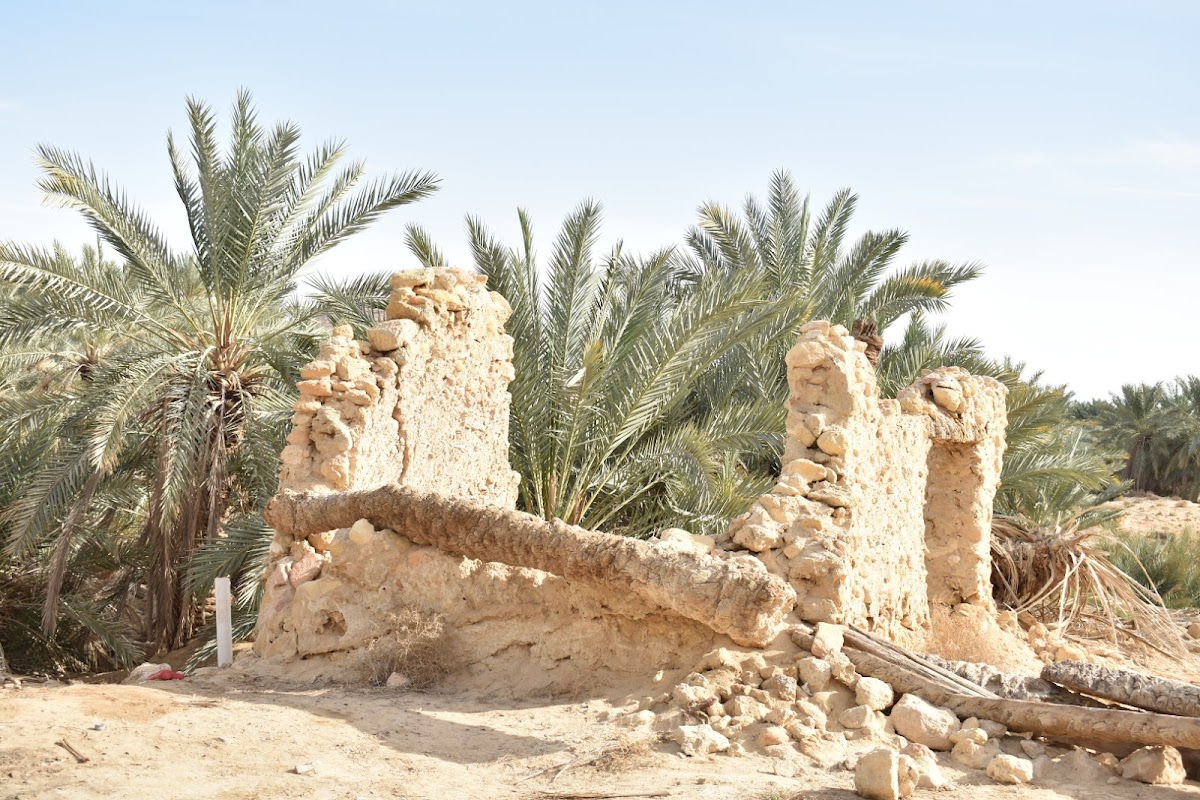
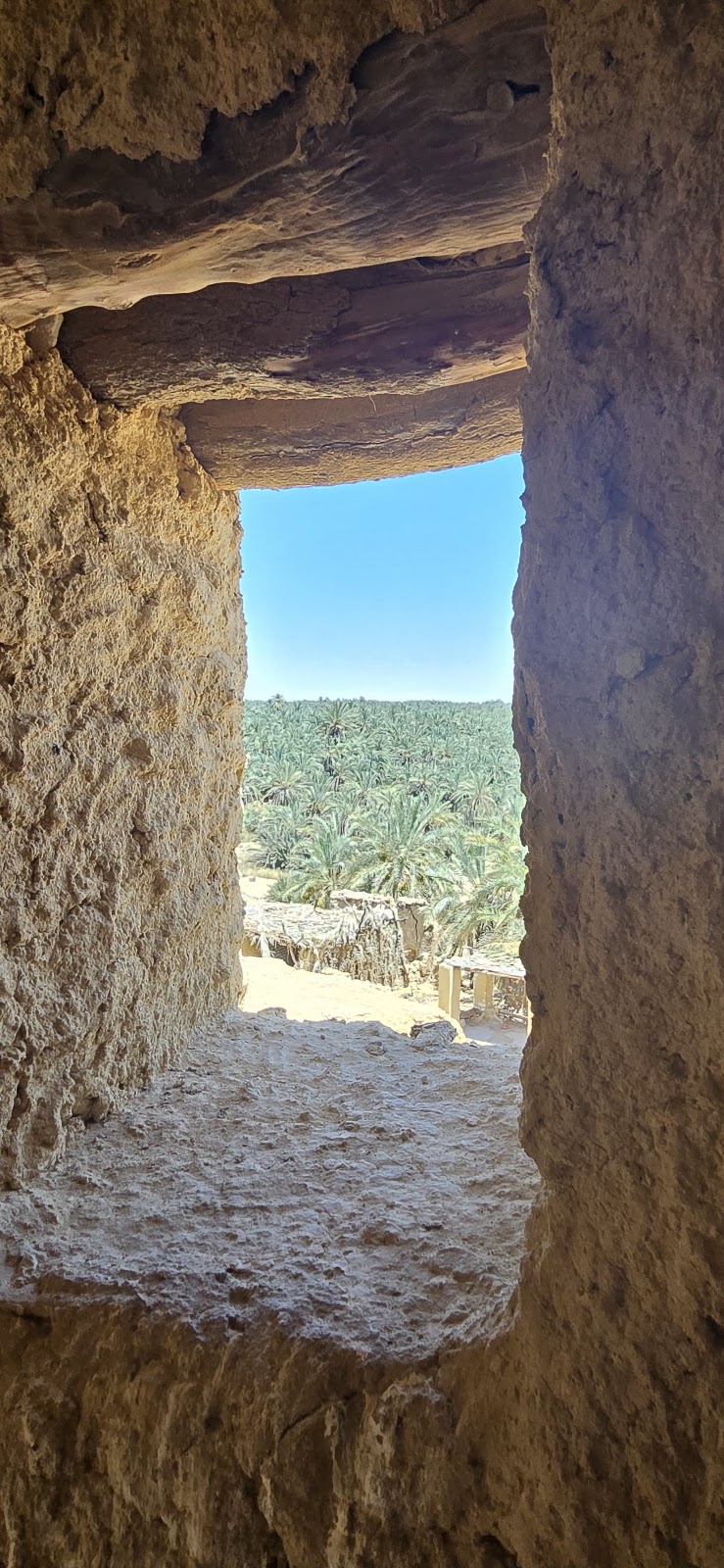
The settlement above the oasis evolved into a fortified hill village after about 1200 AD, where houses were built in a honeycomb, beehive-like pattern. Many of those dwellings were later damaged by a severe rainstorm in 1926, yet the characteristic clustered layout remains visible in the ruined hilltop fabric today, testifying to medieval reoccupation and continued reuse of the site’s surroundings.
Nearby archaeological features form part of the broader Siwa landscape. The Gebel al Mawta is a Roman-period necropolis (a burial complex, literally a city of the dead) that contains numerous rock-cut tombs hewn directly into the local stone. An ancient natural spring, long referred to in local tradition as “Cleopatra’s Bath,” is also present and noted in the archaeological record as a named water source linked with the oasis environment.
Archaeological fieldwork in the area has produced both inscriptional material and more recent finds, including tablets recovered near Siwa that have prompted discussion about Alexander’s mortal remains. Together, the temple alignments, the Holy of Holies with its stone partition, the Roman-era inscriptions, the hilltop beehive settlement, the rock-cut cemetery at Gebel al Mawta, and the named spring comprise the documented ancient and historic elements associated with the Siwa oracle site.