Sion Hillock Fort: An East India Company Boundary Fort in India
Site at a Glance
- Popularity
- High
- Country
- India
- Primary era
- Early Modern
- Eras represented
- Early Modern
- Civilizations
- English, Portuguese
- Site type
- Military
- Remains
- Fort
On this page5 sections
History
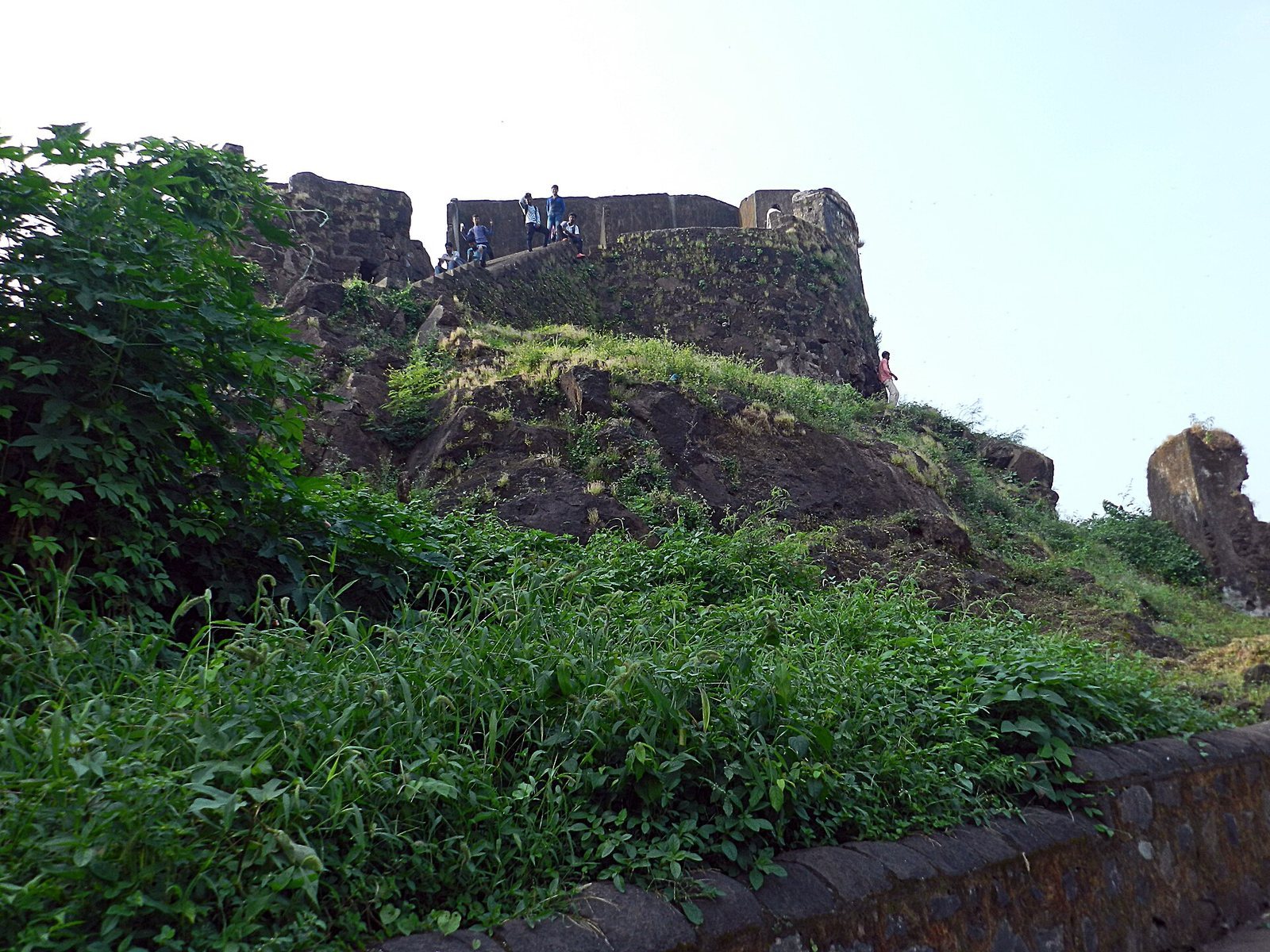
Sion Hillock Fort is a hilltop fort in India, built by the English East India Company between 1669 and 1677 during Gerald Aungier’s governorship of Bombay. The Company was an English trading corporation that also held political and territorial power in India. The fort marked the boundary between British-held Parel Island and Salsette Island, then under Portuguese colonial control, which lay to the north across a creek.
The East India Company owned the fort from 1677 until 1947, when it passed to the Government of India. It was notified as a Grade I Heritage structure in 1925 and is designated a Monument of National Importance. These protections cover the hill fort and ancient Portuguese building remains at the hill’s northern, eastern, and southeastern base. Restoration began in 2009 but stopped before completion because of insufficient funds.
Remains
Hilltop fort and associated remains
Fort fabric and layout
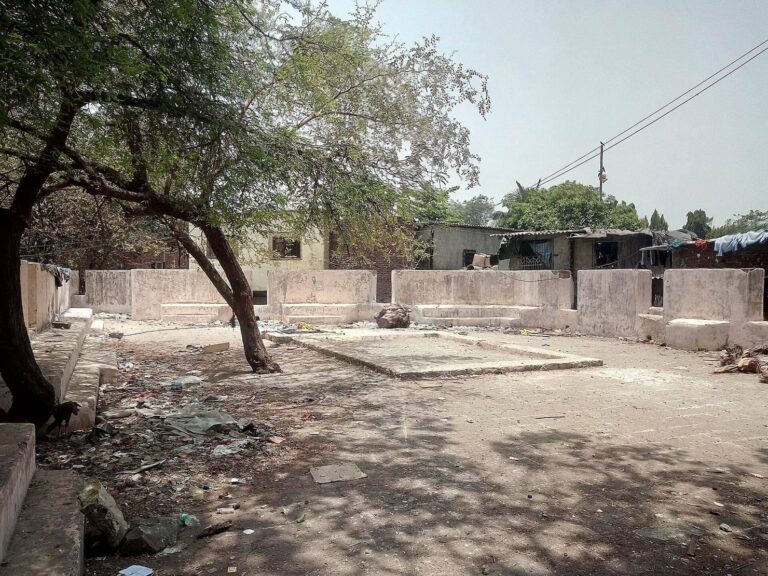
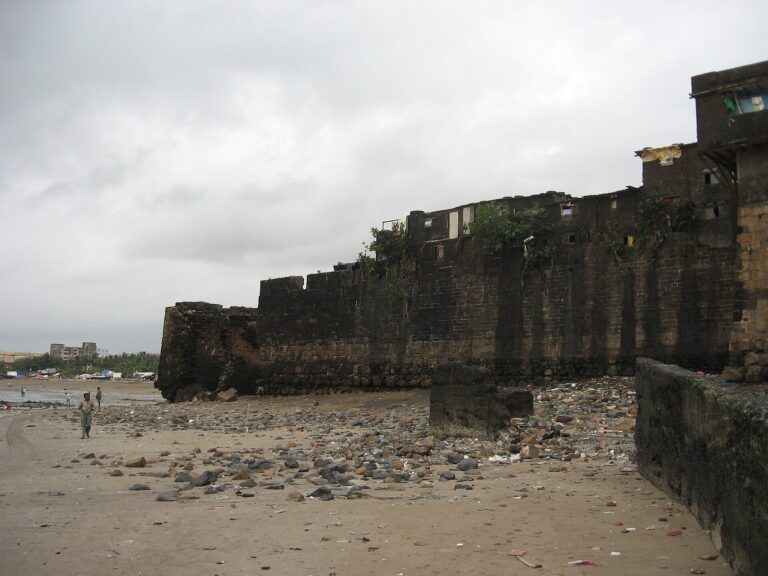
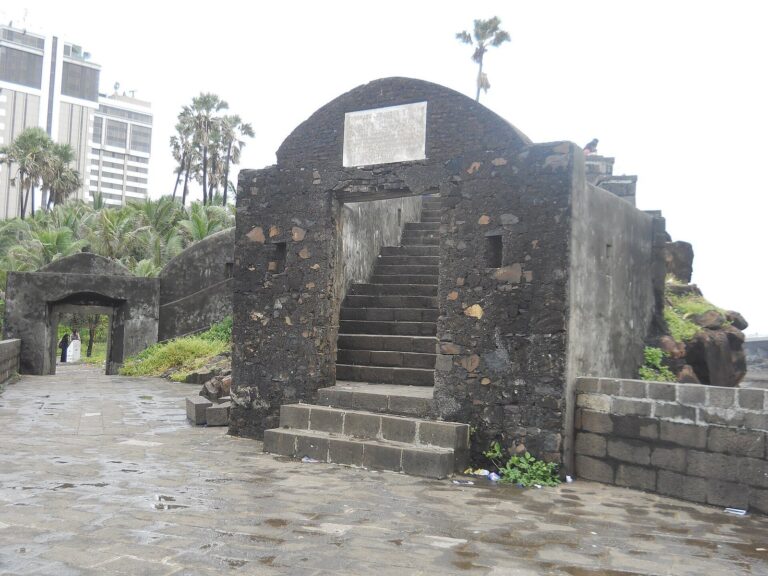
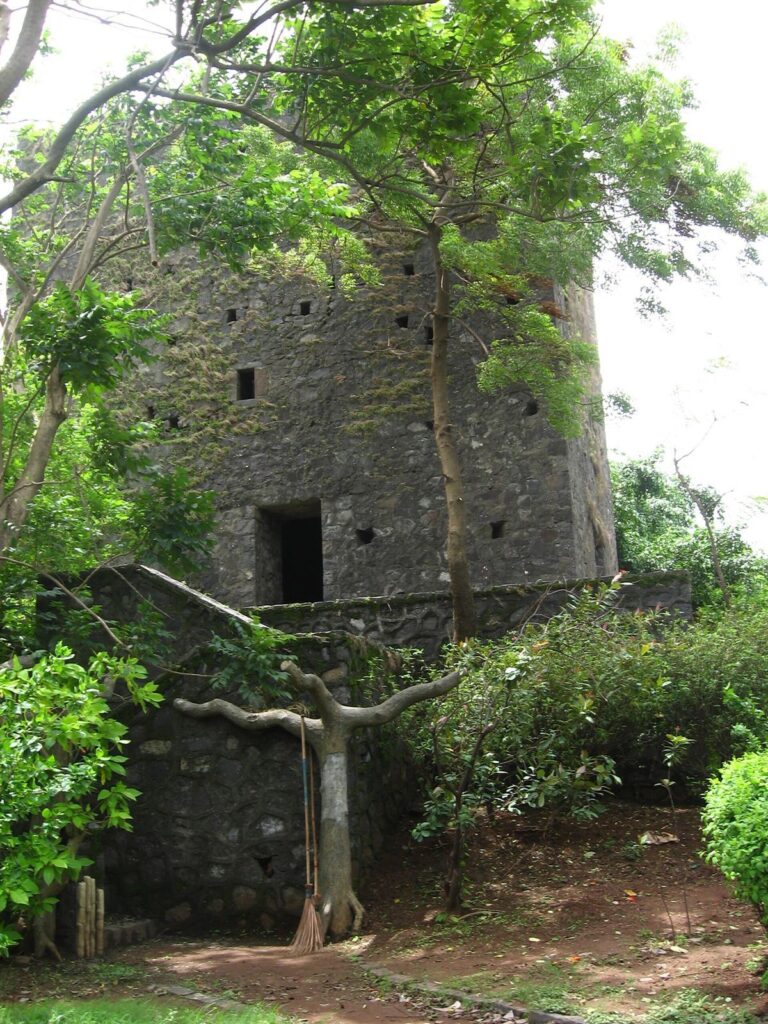
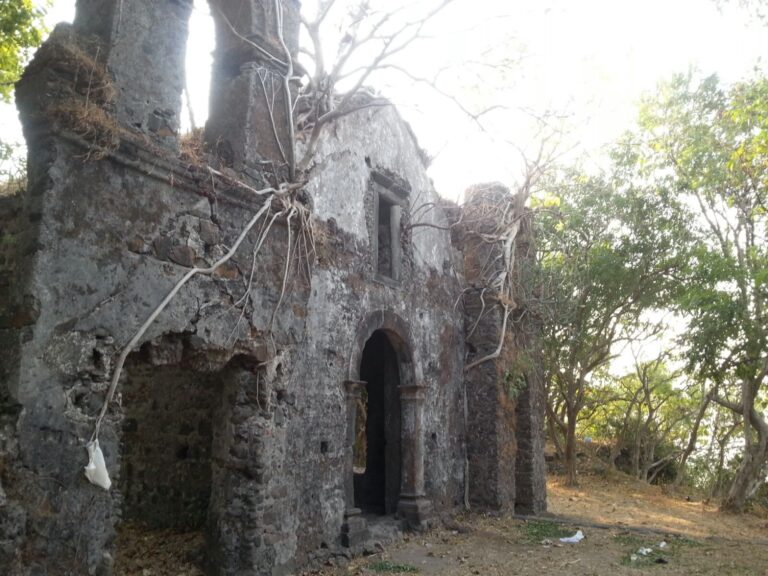
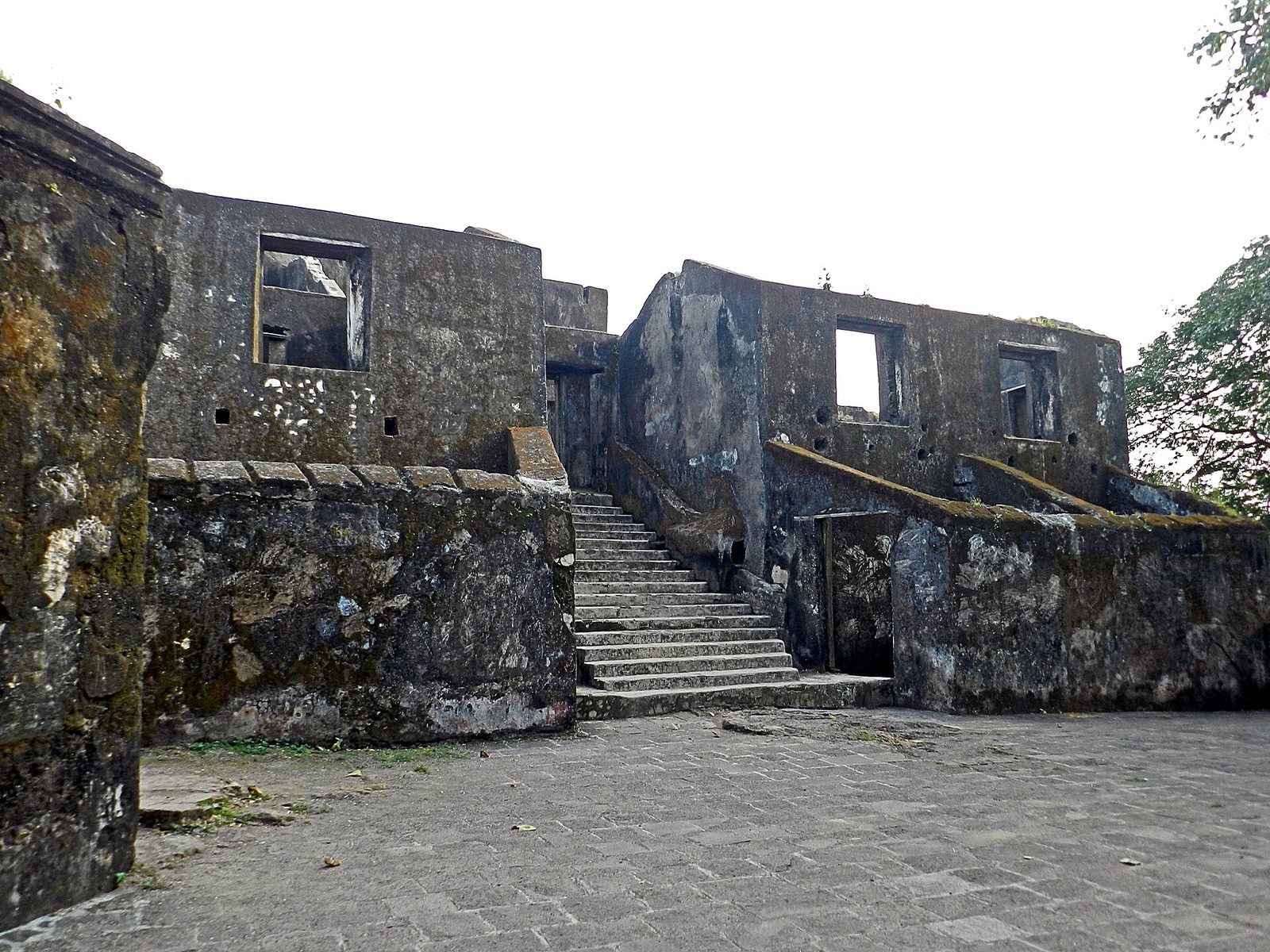
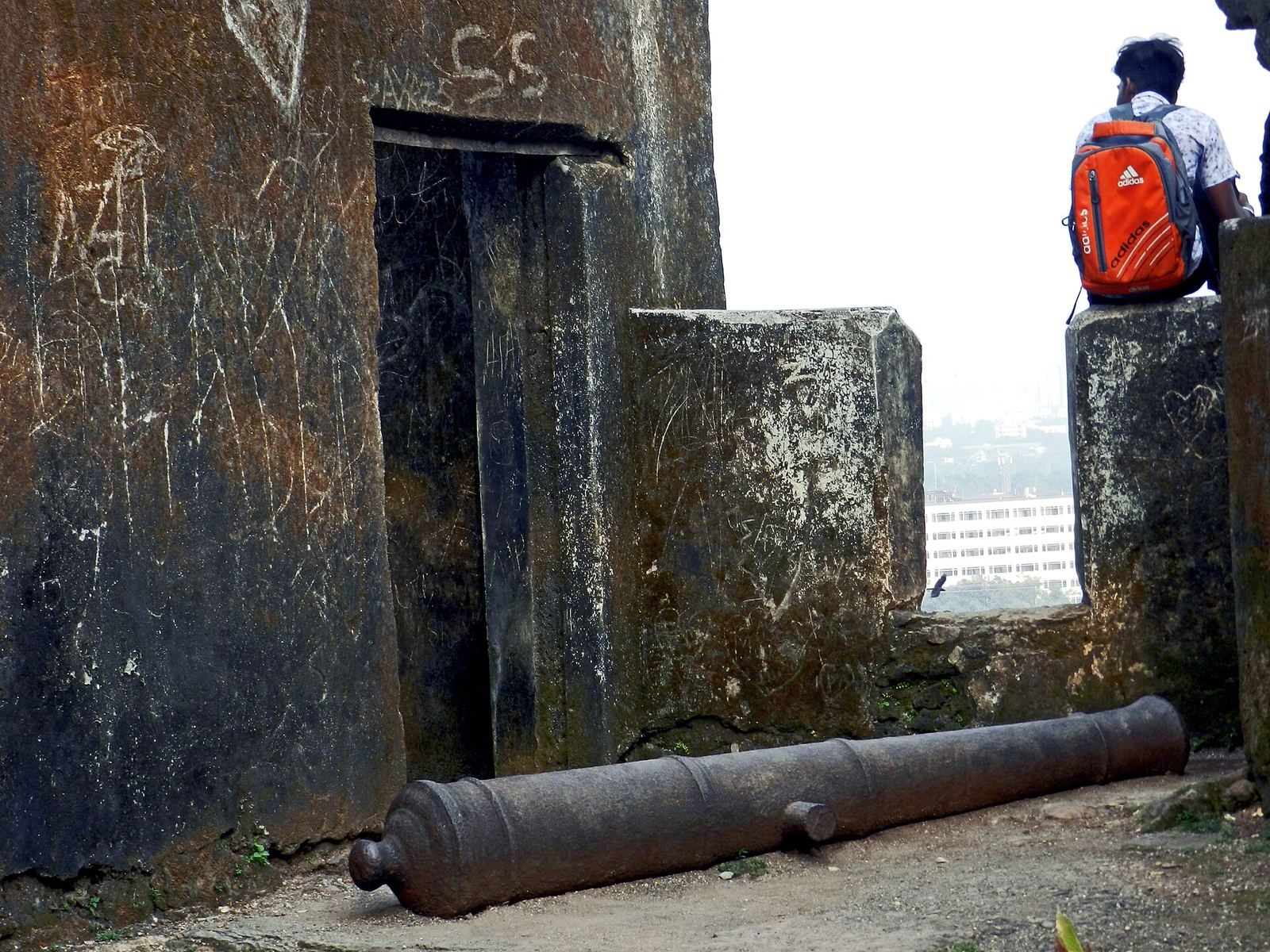
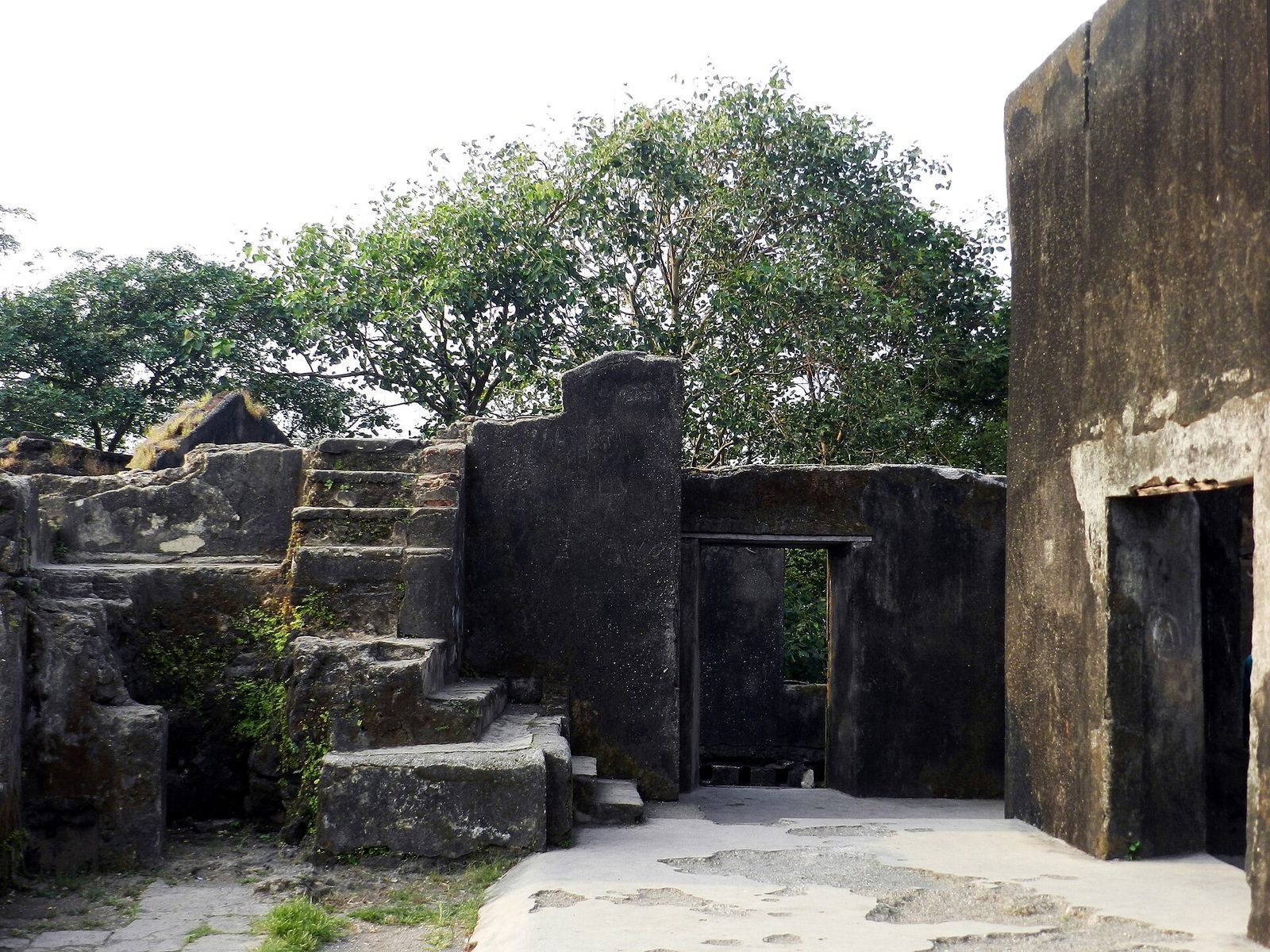
The fort occupies a conical hillock and was constructed from basalt set with lime mortar. Broken stone steps and scattered walls survive among ruins overgrown with trees and ground cover. A small room sits atop one fort wall, while pathways lead to the upper part of the hill. The remains are dilapidated, with vandalism and neglect contributing to their deterioration.
Remains at the hill’s base
Ancient Portuguese building remains lie at the northern, eastern, and southeastern foot of the hill. The Archaeological Survey of India’s Mumbai Circle office and the Pandit Jawaharlal Nehru Udyan garden are also at its base. From the hilltop, the salt pans in Thane Creek are visible.