Mahim Fort: A Coastal Fort on Mahim Bay
Site at a Glance
- Popularity
- Medium
- Country
- India
- Primary era
- Unclassified
- Eras represented
- Unclassified
- Civilizations
- Unclassified
- Site type
- Military
- Remains
- Fort
On this page4 sections
History
Origins and Portuguese control
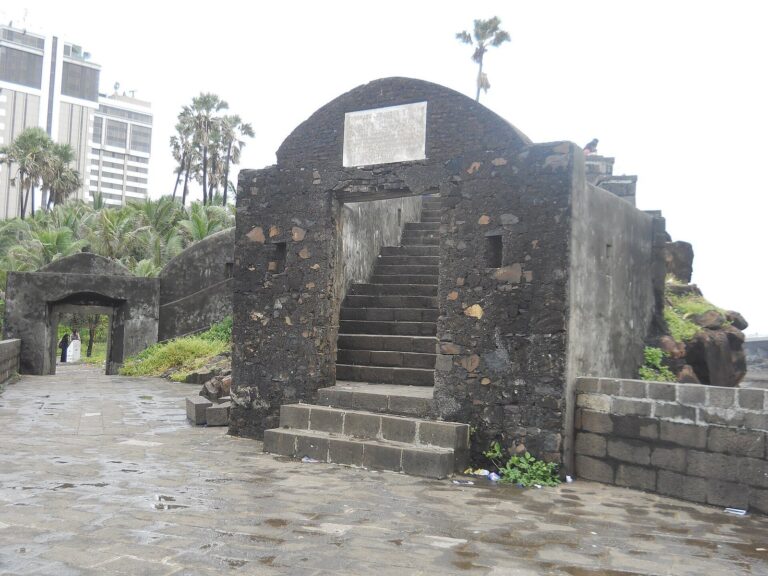
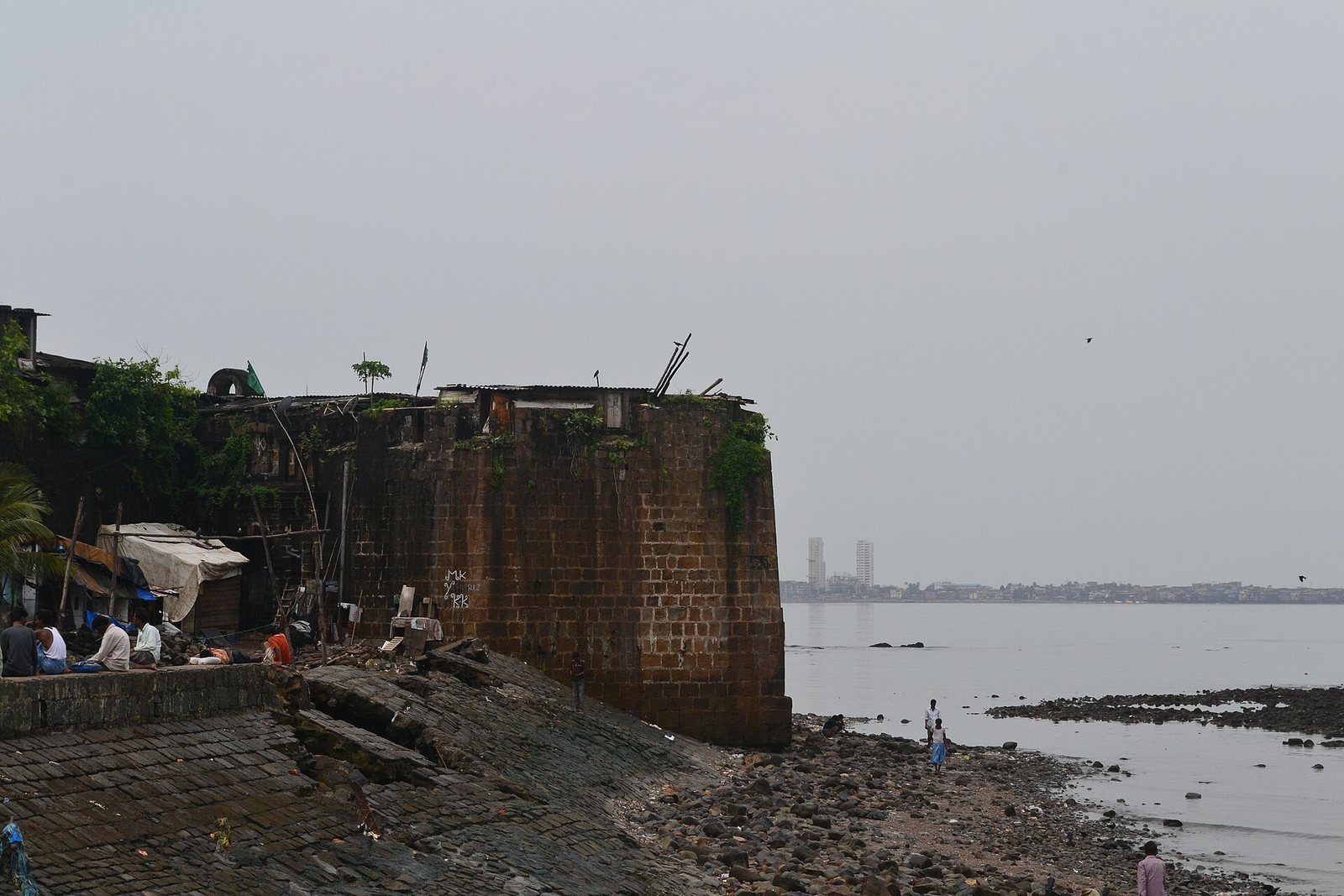
Mahim Fort is a coastal fort on Mahim Bay in India, near the causeway linking the suburbs with the city. Its construction date is unknown, and its origins are attributed to Bhima, a ruler associated with Mahikavati, the historical name for Mahim.
In 1516, Portuguese commander Dom Joao de Monoy entered Mahim Creek and defeated the fort’s commander. The fort also saw repeated skirmishes between the Portuguese and a ruler of Gujarat. In 1534, the Portuguese took Mahim Island from Bahadur Shah, the sultan of Gujarat. They ceded the island to Charles II of England as a dowry in 1661.
English and British control
After the English took control of the fort, military officer Sir Thomas Grantham strengthened it in 1684. It served as a lookout against possible Portuguese attacks and, later, the Marathas, a major political power in western India. In 1772, Portuguese forces attacked, but British cannon fire drove them back. The encounter damaged the Basilica of Our Lady of the Mount, a church in Bandra with special status in the Catholic Church. The fort reportedly had 100 soldiers and 30 cannons at the time. British forces later captured it during the First Anglo-Maratha War, an eighteenth-century conflict between the British East India Company and Maratha forces. Mahim Fort is classified as a Grade I heritage structure, a designation for places of high heritage value, and as a State Protected Monument under state heritage law.
Remains
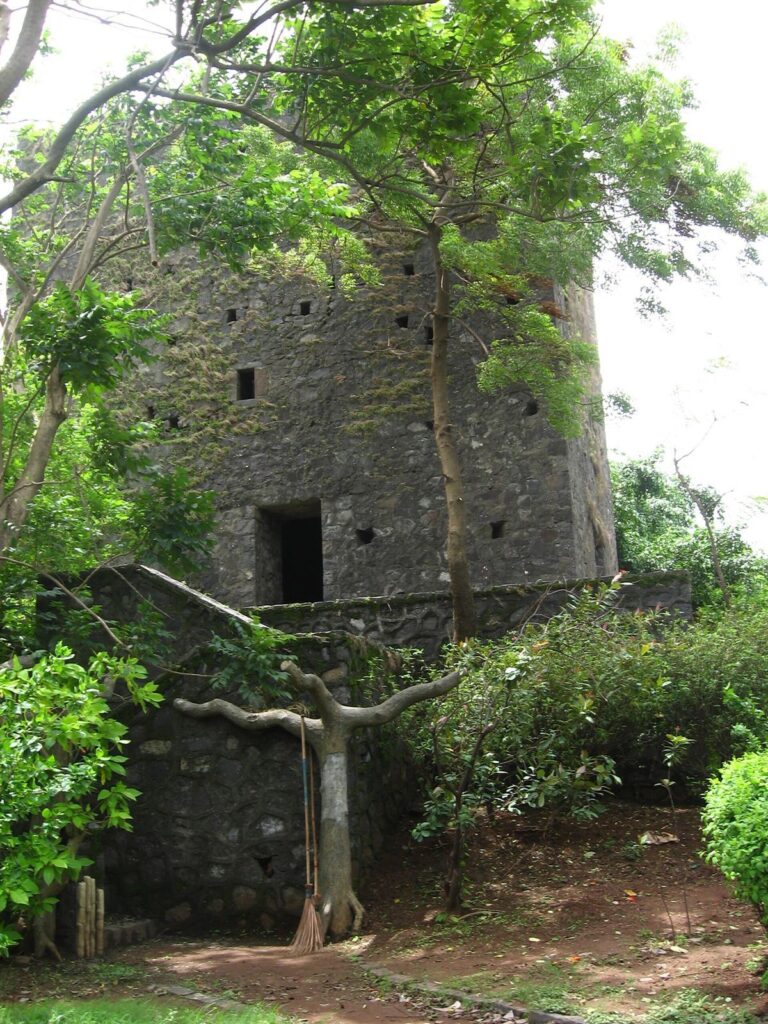
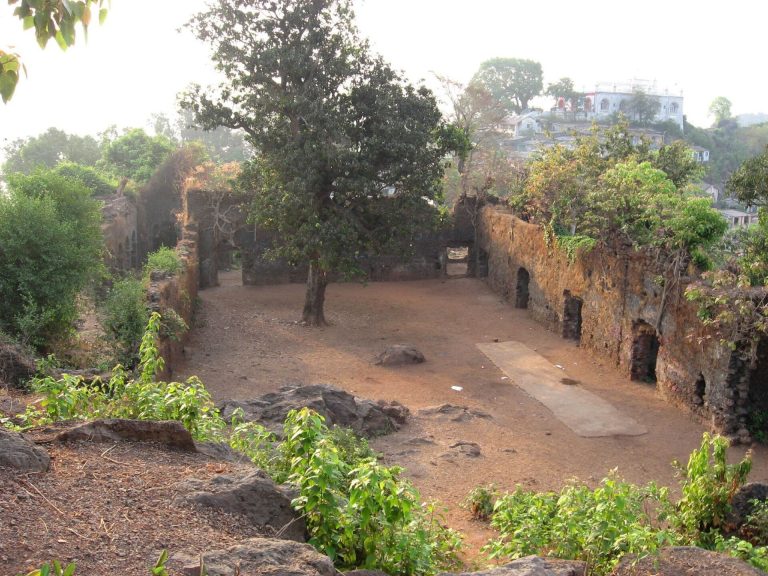
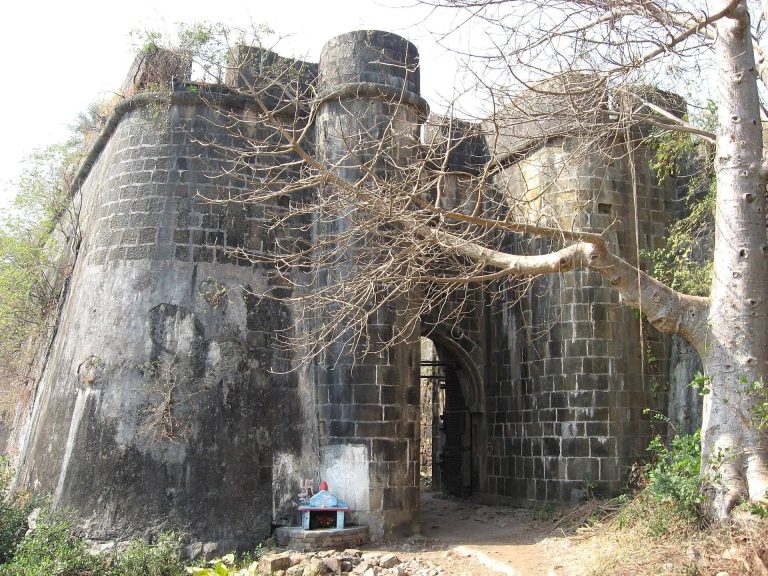
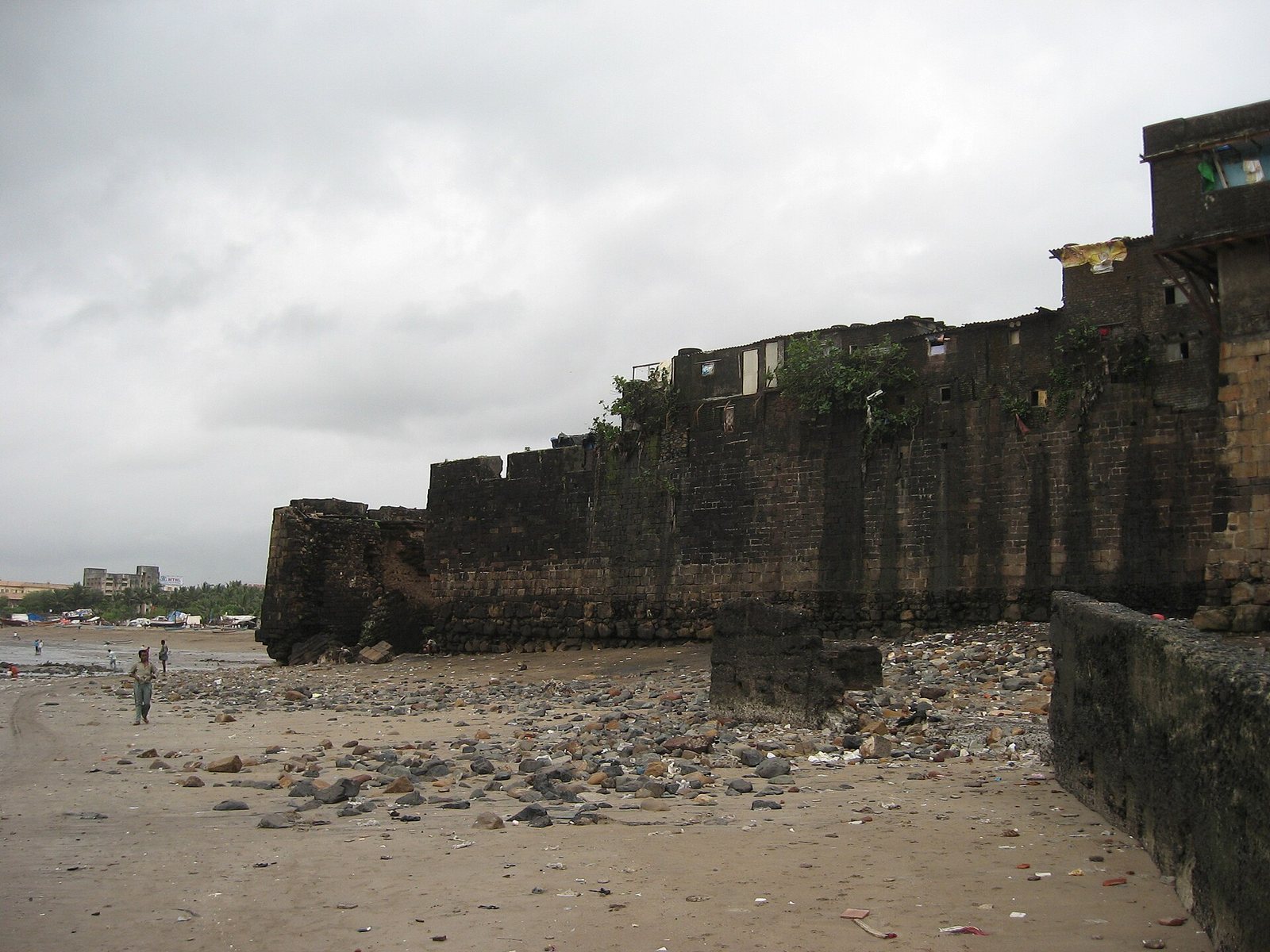
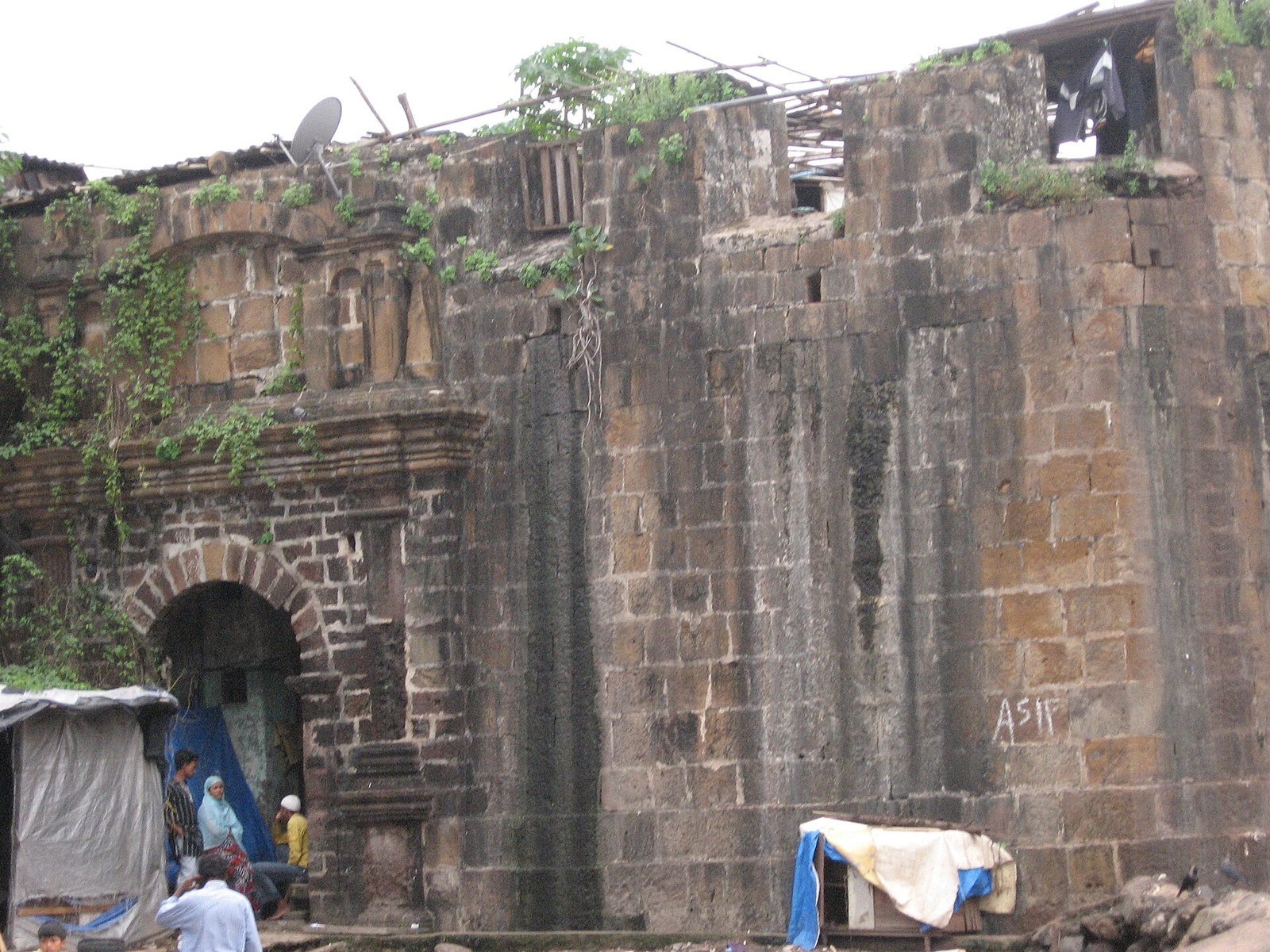
The coastal fort stands at Mahim Bay, off the Mahim Causeway, which links the suburbs with the city. It faces Worli to the south, Bandra to the north, and Mahim to the east. Listed at 25 metres high, it was built from basalt and lime mortar and is also described as a land battery, an artillery position on land for defense.
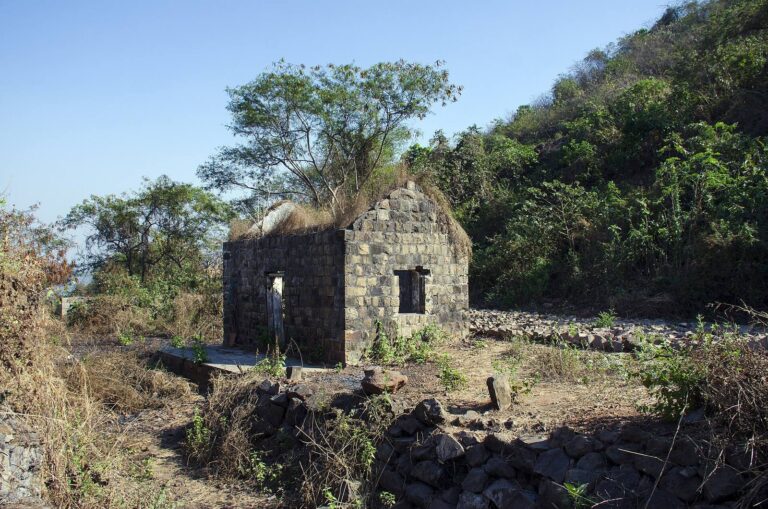
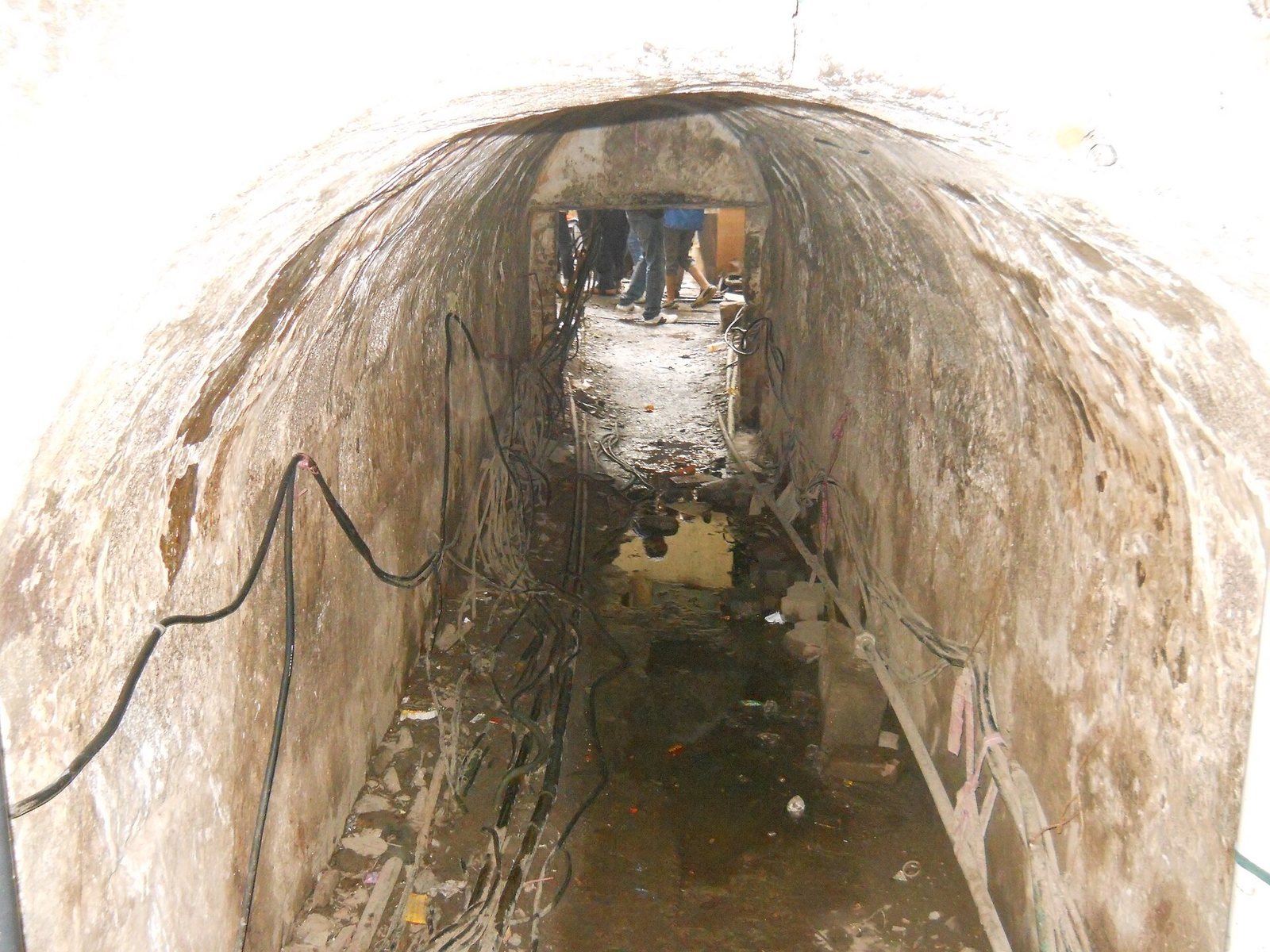
The fort is now dilapidated and heavily encroached upon by slum settlements. Tidal erosion and neglect have caused sections to collapse. Large boulders are scattered across the sand, and crevices in the remains reach as much as three metres deep.