Sajjangad: A Hill Fort and Pilgrimage Site in Maharashtra
Site at a Glance
- Popularity
- High
- Country
- India
- Primary era
- Medieval
- Eras represented
- Medieval, Early Modern
- Civilizations
- Unclassified
- Site type
- Military
- Remains
- Fort
On this page8 sections
History
Sajjangad is a stone hill fort near Satara in Maharashtra, India, built under the Bahamani Sultanate between 1347 and 1527. The Bahamanis ruled a medieval kingdom in the Deccan. The fort later passed to the Adilshahi dynasty, which governed the Deccan sultanate of Bijapur.
From Adilshahi to Maratha Rule
Chhatrapati Shivaji Maharaj captured the fort from Adilshah on 2 April 1673. Previously called Parali, it was renamed Sajjangad, meaning “Fort of Good People.” The Mughals, an imperial dynasty in South Asia, took the fort in 1700 and gave it the name Navrous Tara. The Marathas, a major political power in the region, recaptured it within a few years and held it until British conquest ended the Maratha Empire in 1818.
Ramdas and Pilgrimage
Sajjangad became the final resting place of Sant Ramdas, also known as Samarth Ramdas, a Hindu saint and spiritual teacher born in 1608. His work of spiritual instruction, Dasbodh, continues to be read and followed in Maharashtra, and the fort remains a pilgrimage site associated with him. Devotional observances include prayers, ritual bathing, worship, food offerings, devotional songs, and readings from Dasbodh. Each year, thousands of devotees walk to the shrine for Shiv Jayanti, an annual celebration of Shivaji’s birth.
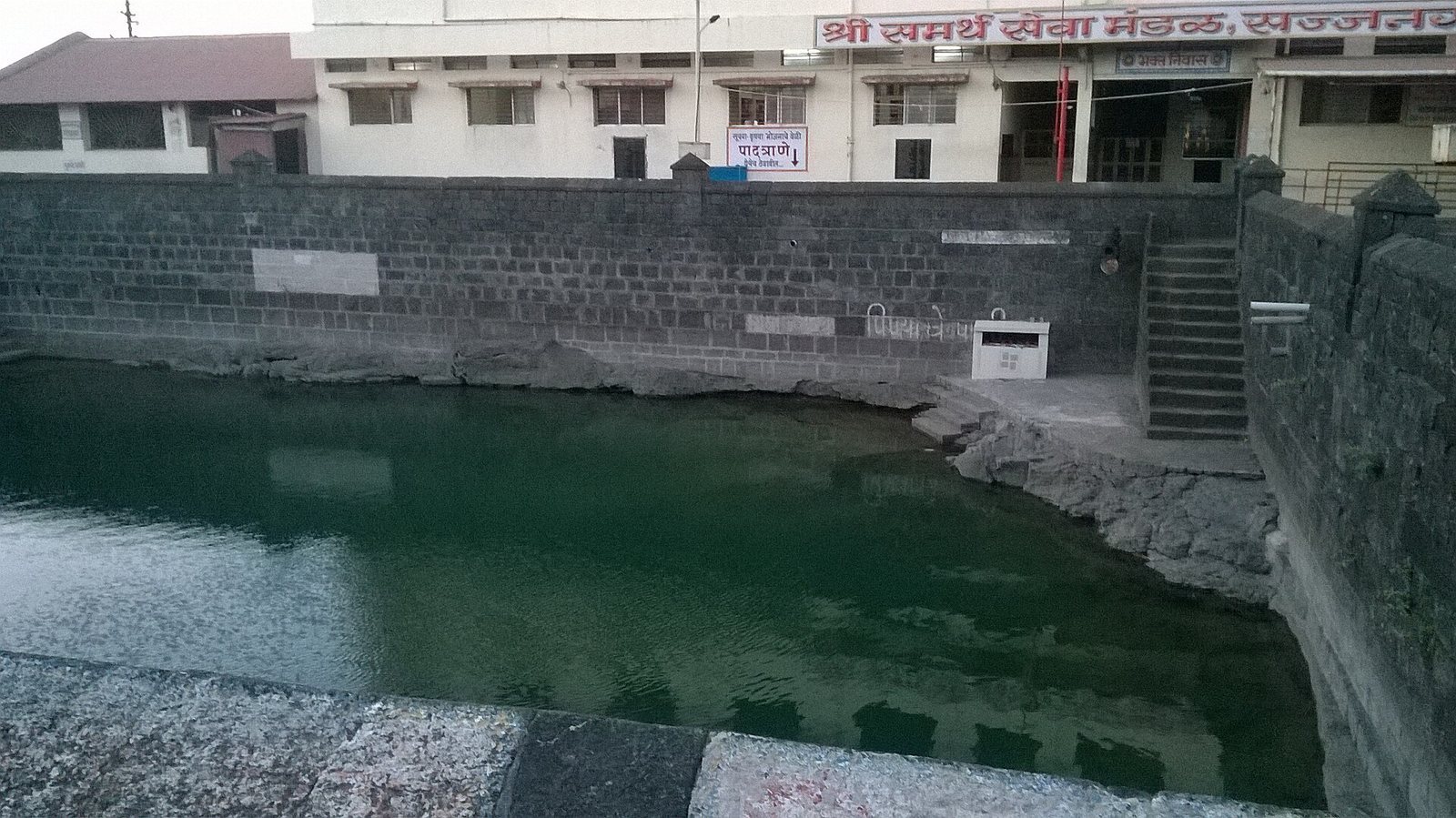
The Shri Ramdas Swami Sansthan Trust and Shri Samarth Seva Mandal Sajjangad maintain the fort and Ramdas’s samadhi, a memorial marking a revered person’s final resting place. The Seva Mandal has a 400-year history.
Remains
Fort Setting and Construction
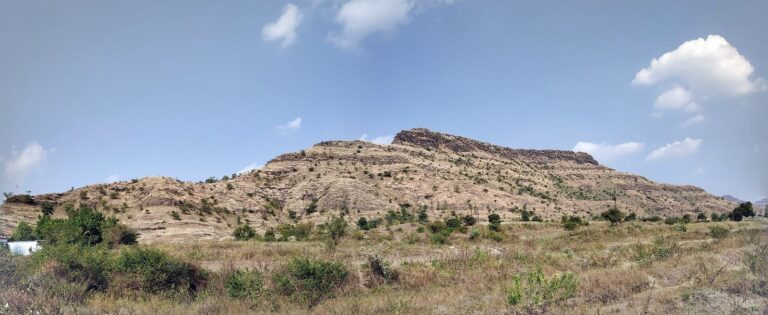
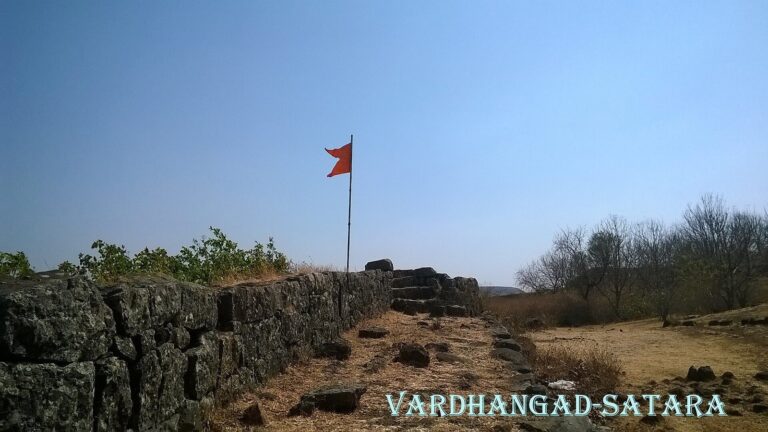
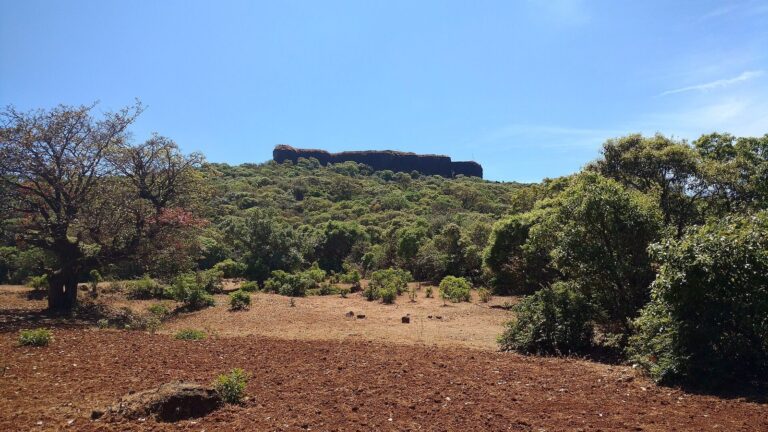
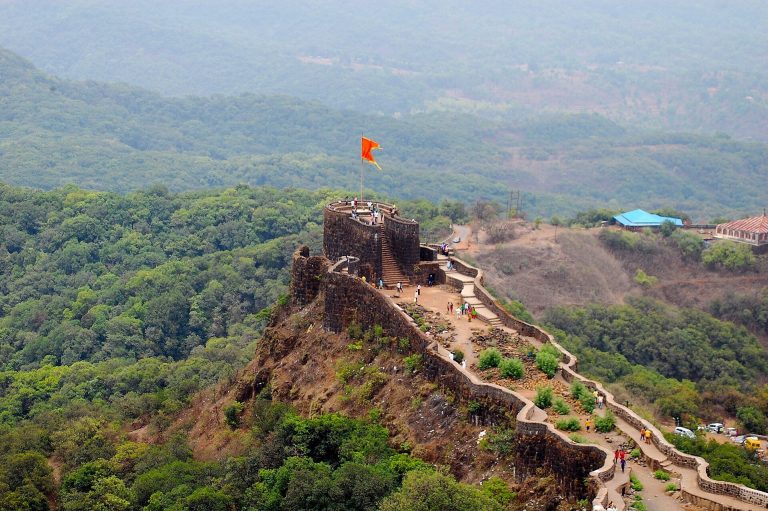
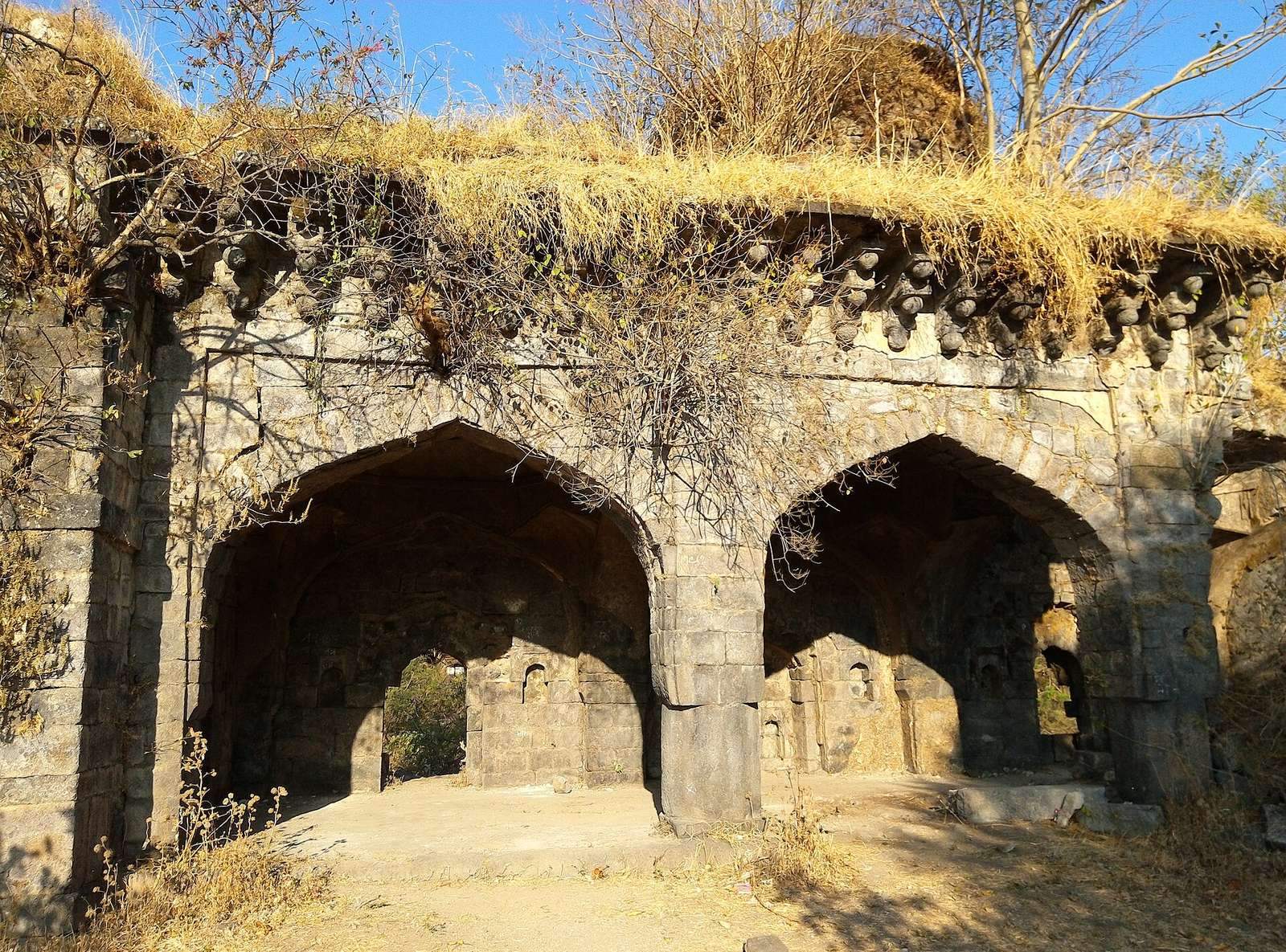
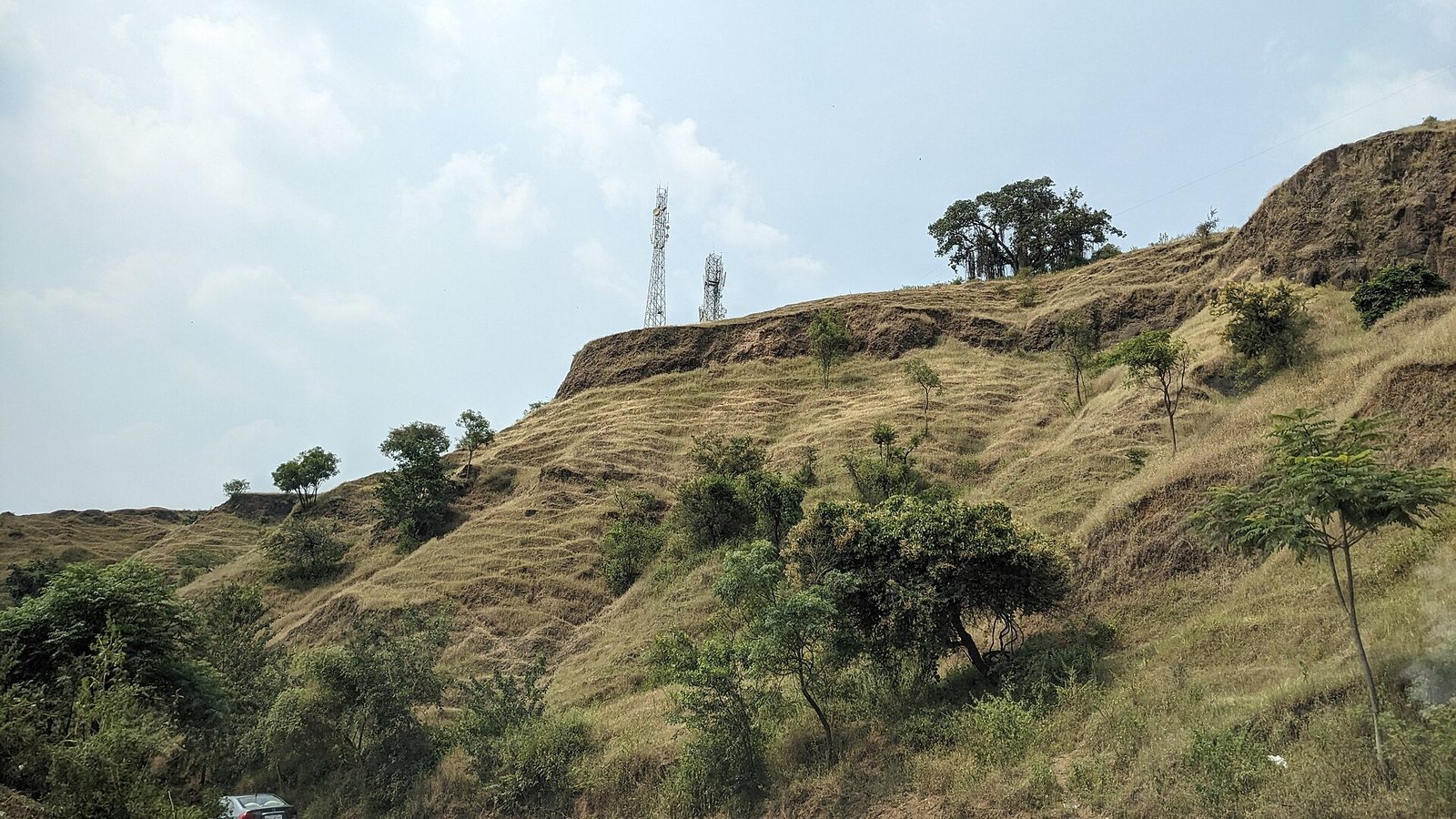
Sajjangad is a stone hill fort at a stated height of 3,350 feet. The fort is described as being in good condition.
Structures and Access
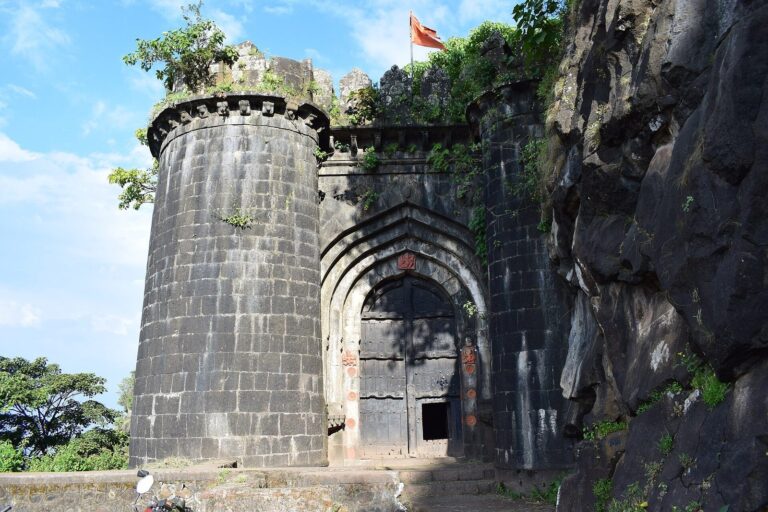
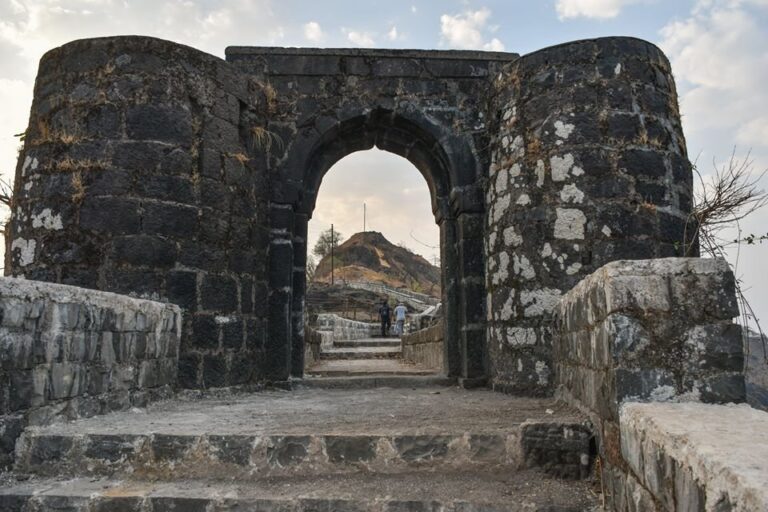
Shivaji Mahadarwaja
An entrance to the fort is called Shivaji Mahadarwaja. About 230 steps lead from the upper part of the fort to this gate.
Ramdas’s Samadhi
The fort includes the samadhi associated with Ramdas, which is maintained by the Shri Ramdas Swami Sansthan Trust and Shri Samarth Seva Mandal Sajjangad.