Sibberhuuske: A Historic Castle Farm in the Netherlands
Visitor Information
Google Rating: 4.4
Popularity: Low
Official Website: www.sibberhuuske.nl
Country: Netherlands
Civilization: Early Modern
Site type: Military
Remains: Castle
History
Sibberhuuske is a castle farm located near the village of Sibbe, within the municipality of Valkenburg aan de Geul in the Netherlands. Its origins trace back to the Middle Ages, with constructions and ownership linked to the medieval nobility and local governing powers of the region.
The estate is first recorded in 1381 as a significant fiefdom under the lordship of Oud-Valkenburg, held by Willem van Hercke. Its early history is closely connected to the nearby Hartelstein castle, and through the 15th century, it belonged to the Horion-Van Tzevel family. Later ownership passed to the Van Ghoor family, who also controlled Hartelstein farm and the Veljaeren castle, the latter of which influenced the alternative name for Sibberhuuske, Villartshof. During this period, the farm functioned as a sheriff’s residence, a role that implied local administrative and judicial responsibilities.
In the turbulent period of the early Eighty Years’ War, the estate’s owners took a politically significant stance. Maria van Ghoor, a Calvinist, and her husband Jacques van Oijenbrugge supported William of Orange’s efforts against Spanish rule under the regency of Isabella of Spain. This allegiance led to their exile and the confiscation of their property in 1570 by the command of the Duke of Alva, the Spanish governor. Consequently, the estate was granted by Isabella to Charles, Baron of Billehé, an official tied to both the Archbishop of Cologne and the Prince-Bishopric of Liège.
By the late 1600s, control of the Sibberhuuske passed to Jan Bernard van Volckershoven, a major general in the Dutch States Army. His family was closely linked to military and noble circles; his sister Catharina Maria married Daniel Wolff, a commander who later became governor of Maastricht and held lordship over Veljaeren and Hartelstein. Another sister, Odilia, married Jacques de Chalmot du Portal, a Huguenot officer in States service who eventually inherited the estate.
Toward the end of the 18th century, Sibberhuuske came into the hands of the connected families Sleypen and Schoenmaeckers. The Schoenmaeckers family maintained residence there until 1971. The 20th century saw notable events including a severe fire in 1935 that destroyed much of the farm buildings, sparing the main residential house. Following a road expansion in 1948, the moat on the southwest side was partially filled in. Restoration efforts took place from 1971 to 1974, preserving the historic character of the site. Since 2018, the Nijst-Mommers family have owned the estate. Recognizing its historical value, Sibberhuuske has been officially listed as a national monument since 1967.
Remains
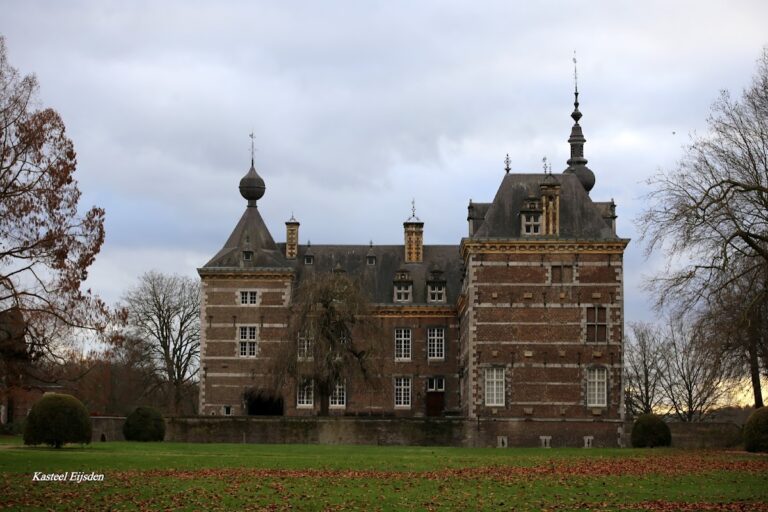
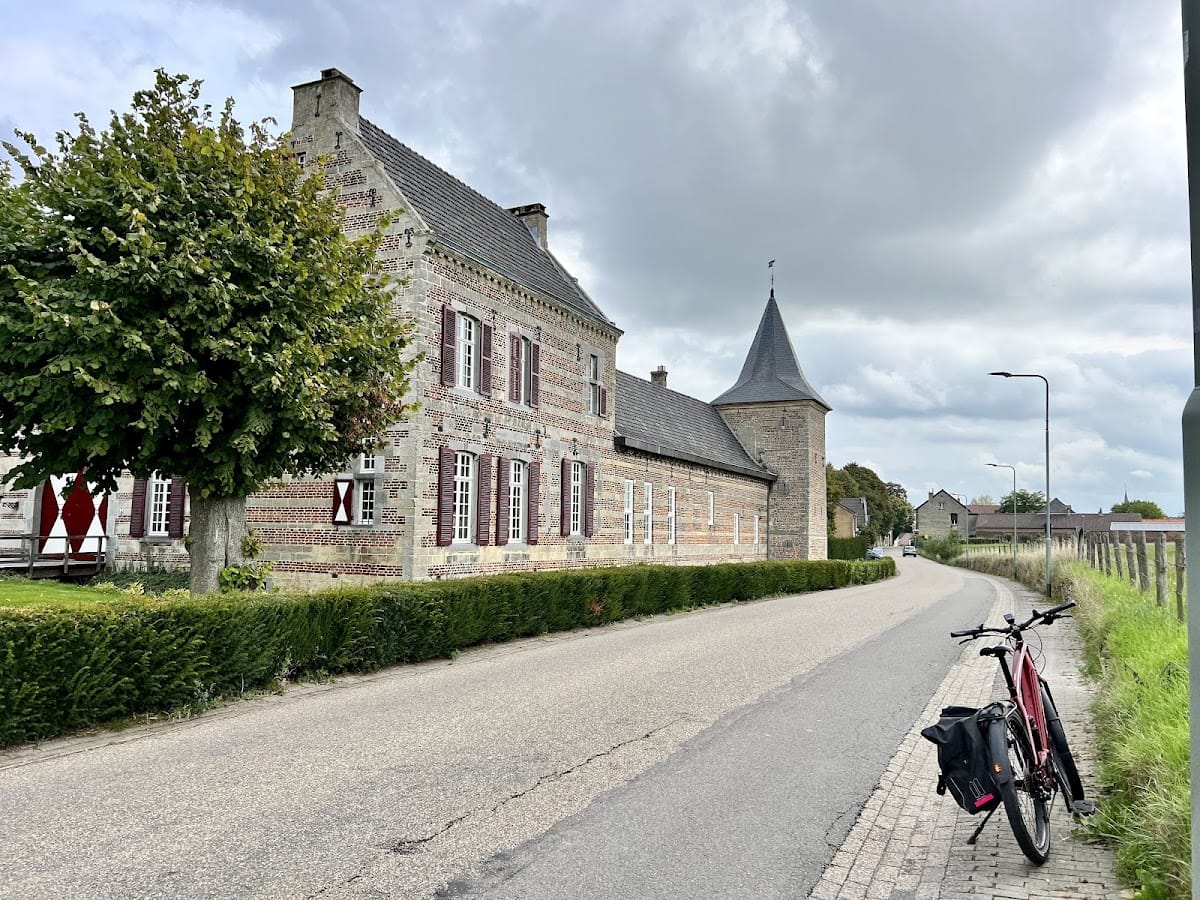
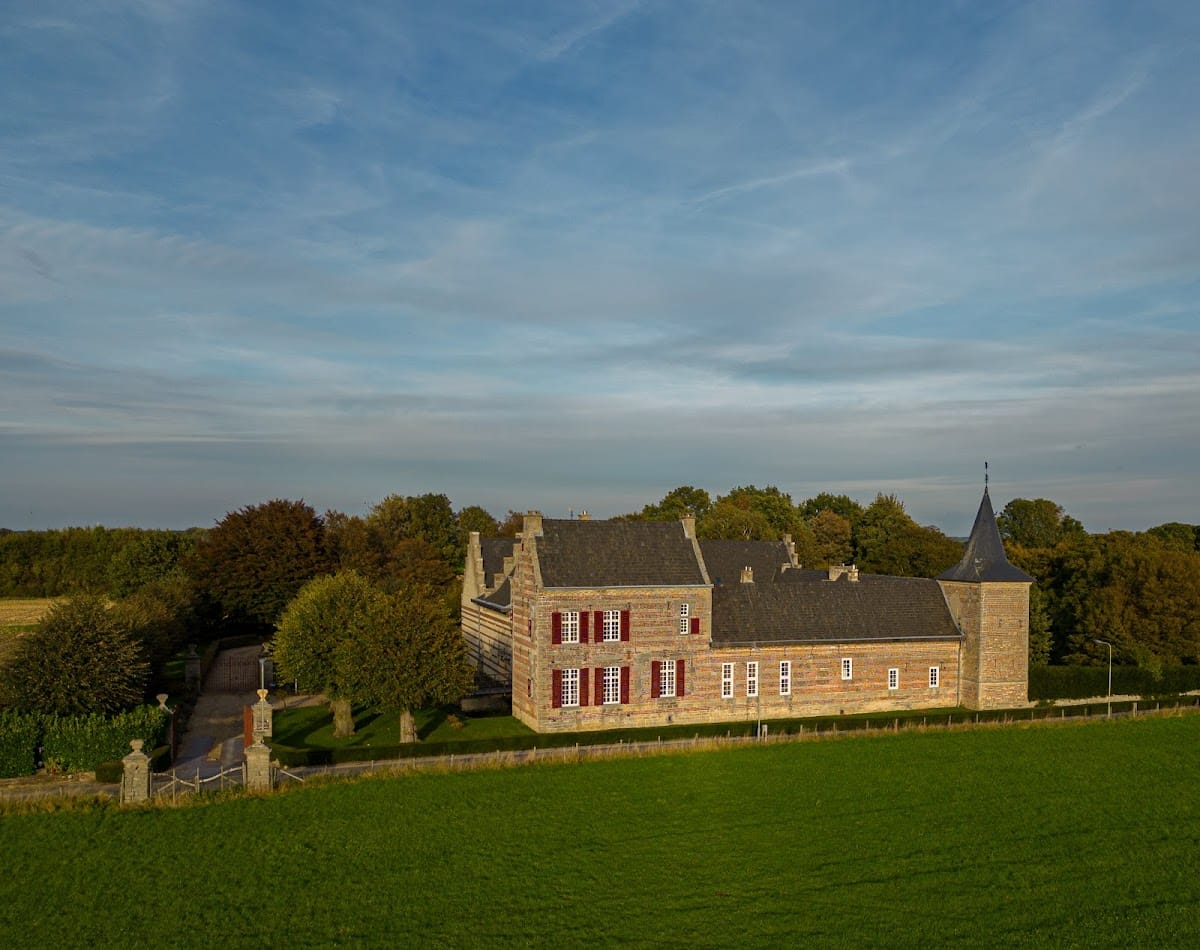
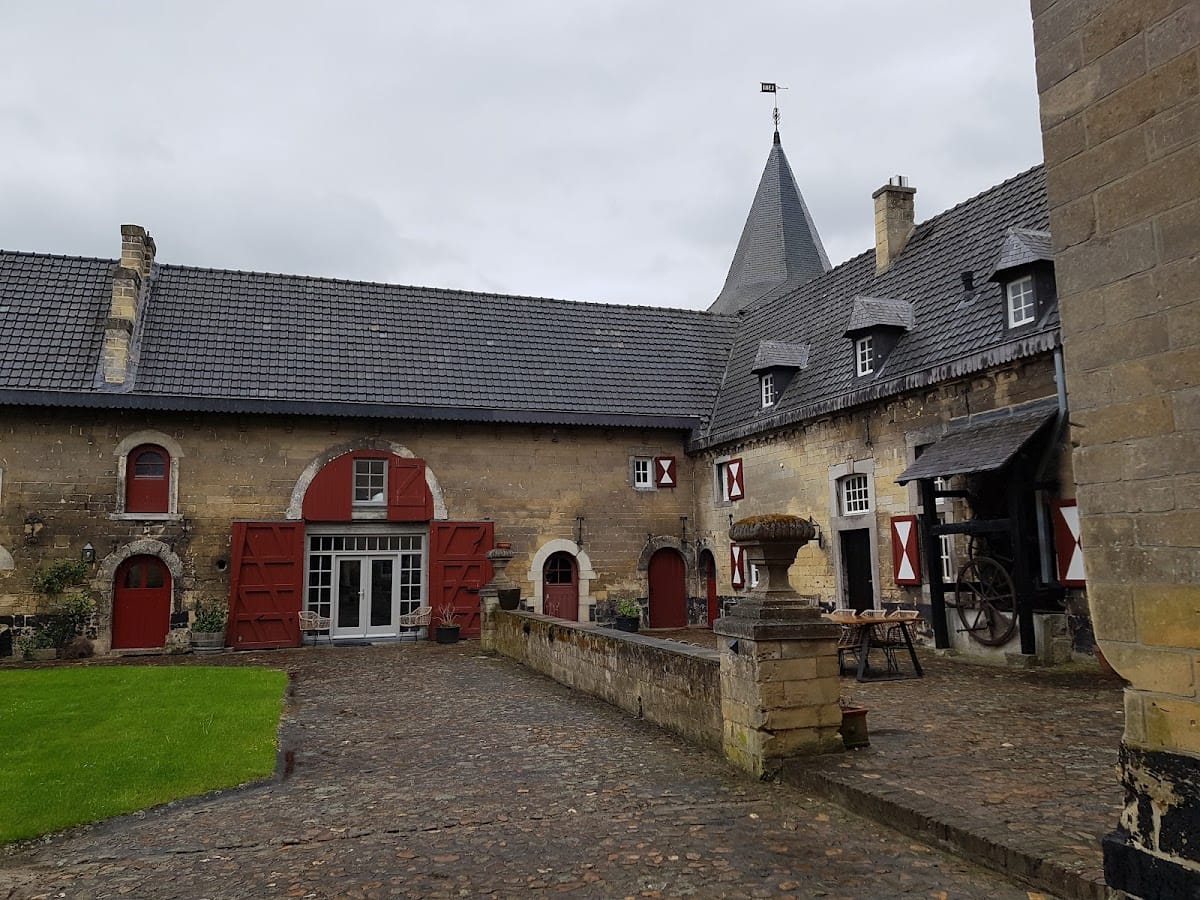
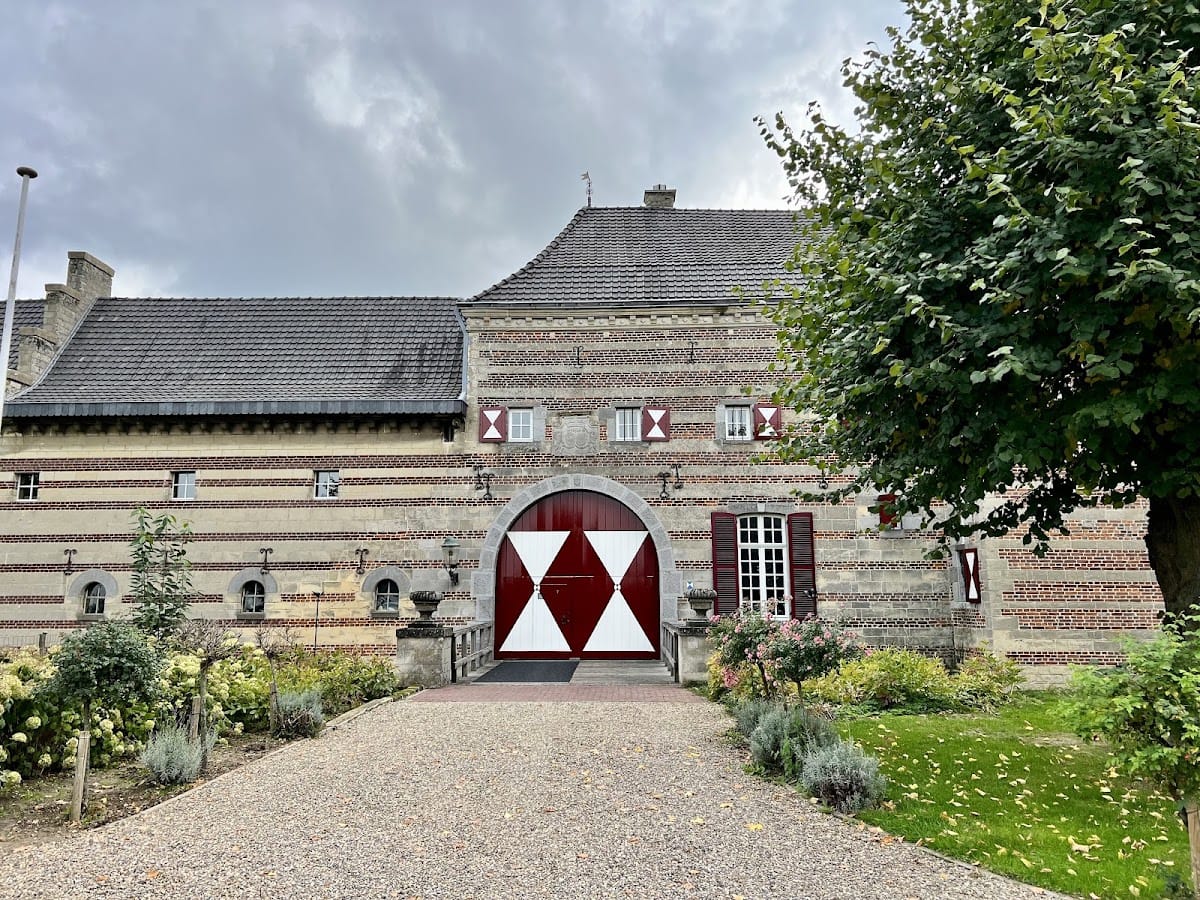
Sibberhuuske presents as a traditional castle farm arranged around a central courtyard. Its construction integrates local limestone, known as Limburg marlstone, combined with brickwork that includes marlstone layers, cornerstones, and window frames fashioned from marl blocks. The roofs are steeply pitched with gable ends, covered by roof tiles typical of the region.
The southeastern part of the complex, facing the street, is the oldest section, featuring a sturdy corner tower dating from the 16th century. This tower is topped with a narrow spire clad in slate, contributing to the estate’s defensive character during its early existence. Adjacent to this tower, two residential wings display 17th-century architecture in the Maasland Renaissance style, notable for incorporating marlstone layering. One wing is single-story, while the other rises two stories above the courtyard.
A decorative console frieze runs beneath the eaves of the main residence, reflecting the stylistic details of the period. The farm buildings suffered extensive damage in a fire in 1935 but were reconstructed using the same local marlstone blocks, maintaining the traditional material palette. The northwest wing, which includes the main entrance gate, dates from the 17th or 18th century. Above this gate is a carved stone showing the alliance coat of arms from 1704, symbolizing the union of the De Chalmot du Portal and Van Volckershove families who once occupied the property.
At the heart of the courtyard lies a deep well, approximately 60 meters, that still holds water, marking an important resource for the estate. Originally, the estate was surrounded by a moat, but in 1948, this was partly filled in due to local road widening, and the remaining moat no longer contains water. Historical traces indicate the prior existence of a pond near the castle, forming a remnant of the original moat system.
Inside the residential quarters, notable features survive from the 17th century. A hall includes a staircase located beside what remains the original kitchen, a space distinguished by a remarkable fireplace mantel from 1604. This mantel is decorated with carved figures of Mars, the Roman god of war, and Ceres, the goddess of agriculture, reflecting symbolic themes appropriate to a rural noble estate. The hearth itself is adorned with slate tiles laid out in a star pattern. A central room features a chimney mantel enriched with stucco decoration, while a neighboring chamber contains an open hearth inscribed with the date “AO 1624.”
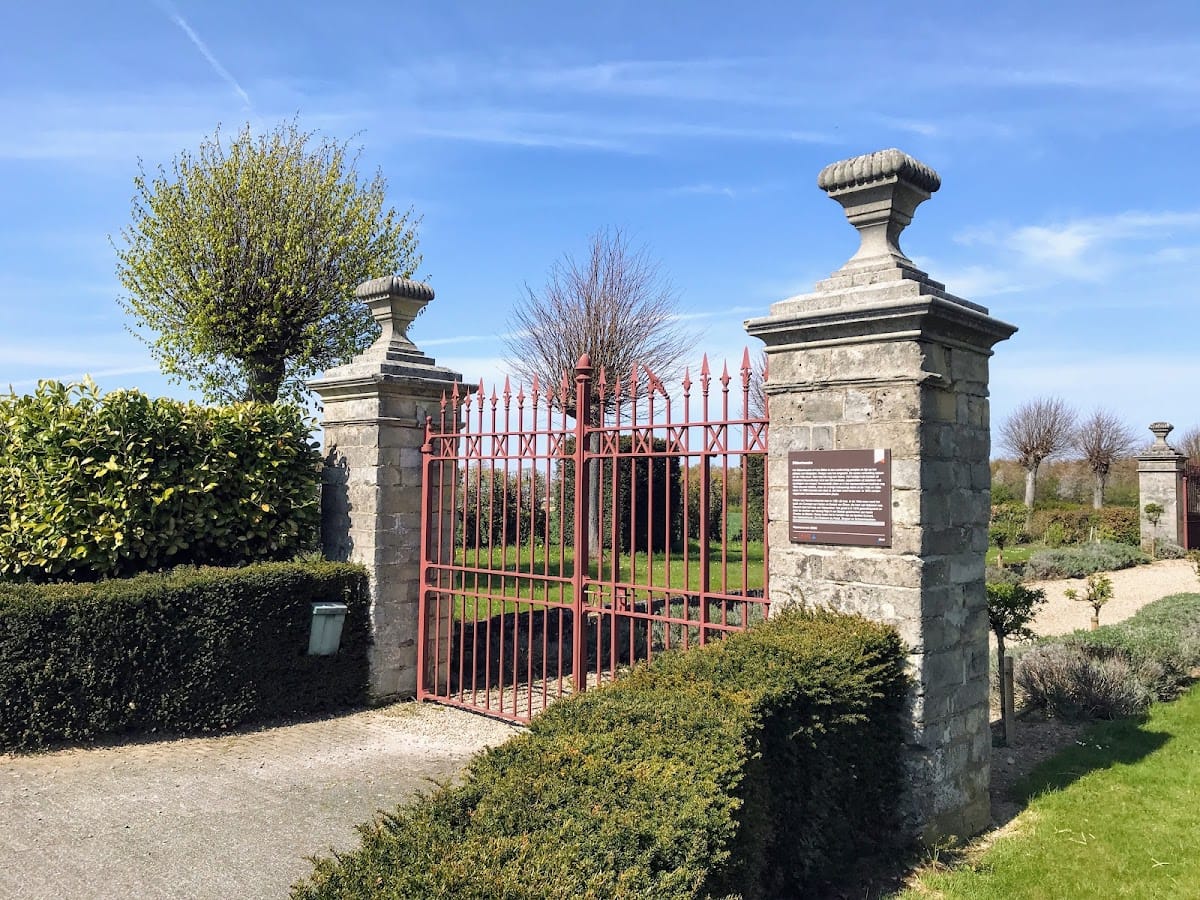
The estate grounds are marked to the east by a substantial marlstone boundary wall with gates, delineating the former extent of the property. To the west, a sequence of marlstone gate pillars adorned with decorative vases from the 18th century indicates the route to other former possessions associated with the lords of Sibber castle. These walls and gate structures have been recognized as a national monument independently from the main farm complex.
Nearby, several 18th-century marlstone tenant farms, including Dorpstraat 72 and 74, stand as part of the estate’s once broader agricultural operations. Number 72 is sometimes cited as a tithe barn—a building historically used for collecting grain as tax—and these farm buildings, along with a former brewery among them, also carry the status of national monuments. Together, these elements convey the longstanding agrarian and noble heritage embodied by the Sibberhuuske estate.
Nearby sites