Santa Severa Castle: A Medieval-Renaissance Fortification in Italy


Site at a Glance
- Rating
- 4.5
- Popularity
- High
- Country
- Italy
- Primary era
- Medieval
- External website
- Open
- Eras represented
- Classical, Medieval
- Civilizations
- Papal States, Roman
- Site type
- Military
- Remains
- Castle
On this page11 sections
History
Santa Severa Castle is a medieval-Renaissance fortification in Italy whose present form dates mainly from the fourteenth century. Its origins reach back to around the tenth or eleventh century, and its first written reference dates to 1068, when Count Gerardo di Galeria donated the castle and its church to Farfa Abbey, a major medieval monastic institution in central Italy.
Medieval Transfers
In 1130, at the request of Antipope Anacletus II, a twelfth-century claimant to the papacy, Farfa Abbey transferred the castle to the Basilica of Saint Paul Outside the Walls, one of Rome’s principal early Christian basilicas. During the thirteenth and fourteenth centuries, control passed among the Papareschi, Orsini, and Anguillara families. The Orsini and Anguillara were prominent Italian noble families with territorial and military interests during the medieval period.
The Order of the Holy Spirit
In 1482, Pope Sixtus IV entrusted Santa Severa Castle to the Order of the Holy Spirit, a religious order that retained ownership until 1980. During the fifteenth and sixteenth centuries, the order supported the development of the surrounding village. A patriarchal cross, the order’s symbol, remains visible there.
Religious Tradition and Modern Use
Christian tradition holds that Severa of Pyrgi and her brothers, Calendino and Marco, were martyred at the site on 5 June 298. An early Christian church dedicated to Santa Severa was associated with this tradition, and its remains remain within the castle complex.
After centuries of abandonment and decline, the castle was used by German forces during the Second World War as a military position and machine-gun post. The Lazio Region now owns the complex, which is recognized as part of Italy’s national heritage.
Remains
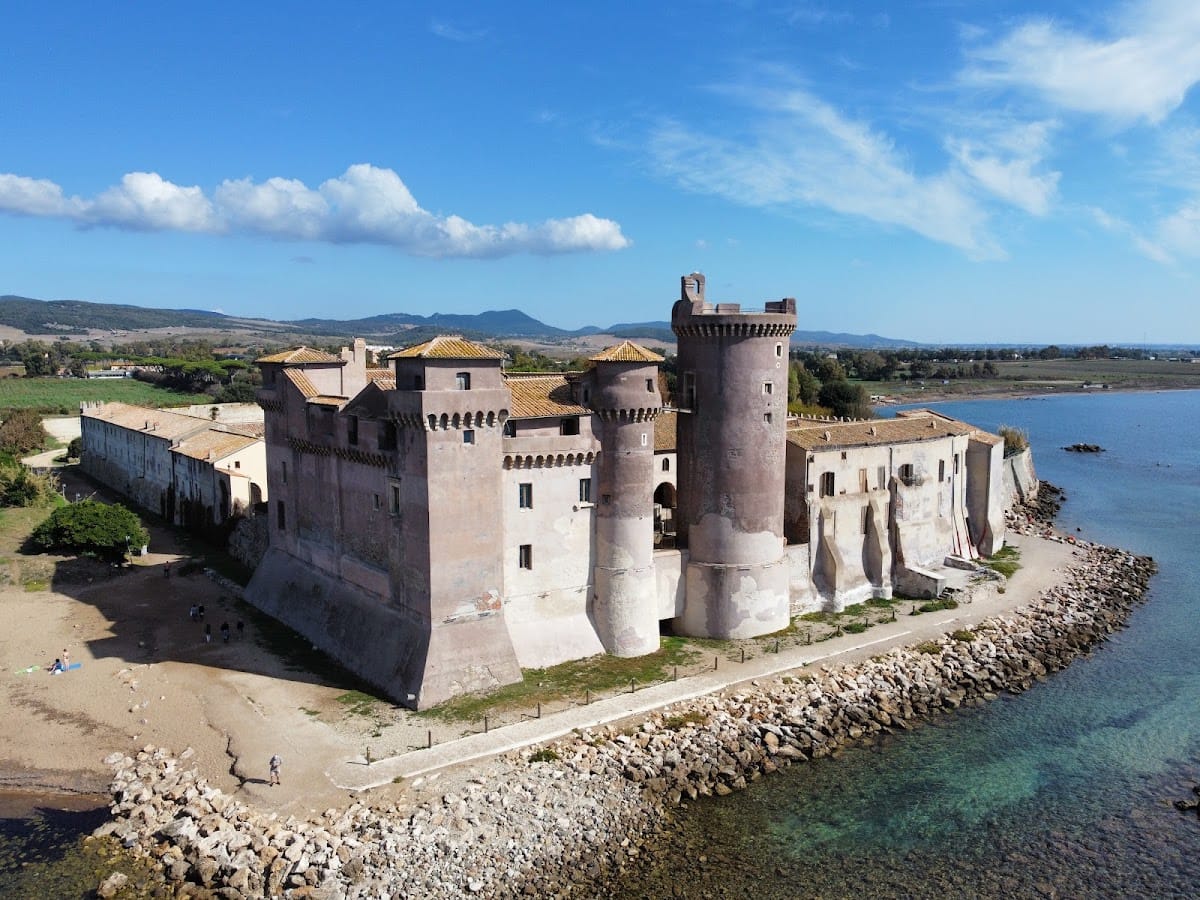
The surviving complex combines a rectangular medieval fortification, a circular tower connected by a bridge, and remains associated with the early Christian church dedicated to Santa Severa. The castle forms the central architectural enclosure, while related features extend into the surrounding village and the nearby archaeological landscape.
Fortification and Tower
Rectangular Castle
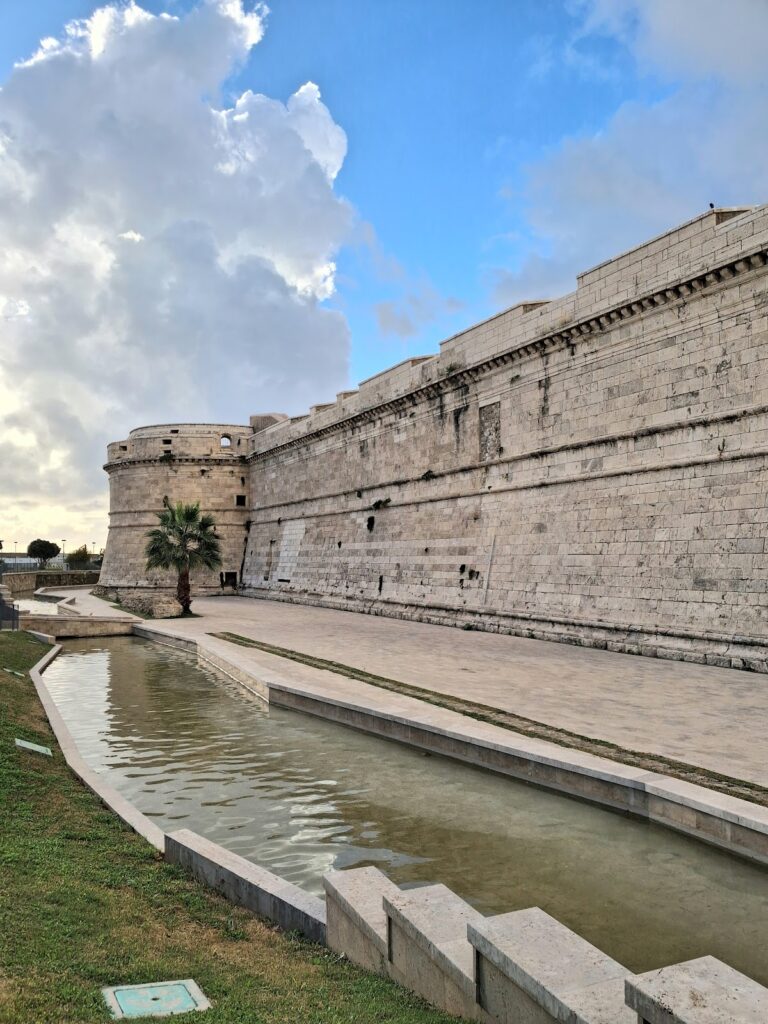
The castle has a rectangular plan with square towers at its corners. Its present layout was established in the fourteenth century, and the structure represents a medieval-Renaissance defensive complex. The enclosure forms the principal built element of the site and retains the relationship between its perimeter, corner towers, and connected outwork.
Torre del Castello
A bridge links the rectangular castle to the Torre del Castello, a circular tower. The tower dates to approximately the ninth century and was reconstructed during the sixteenth and seventeenth centuries, giving it a physical history distinct from the main rectangular enclosure.
Religious and Archaeological Features
Early Christian Church
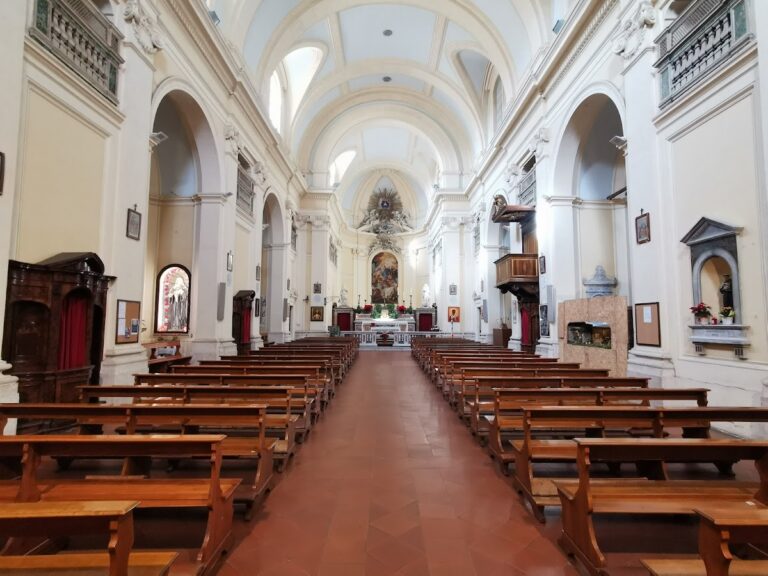
Within the castle complex, in the Piazza della Rocca, are the remains of the early Christian church dedicated to Santa Severa. The surviving fragments connect the religious tradition surrounding Severa and her brothers with the later medieval fortified settlement.
Pyrgoi
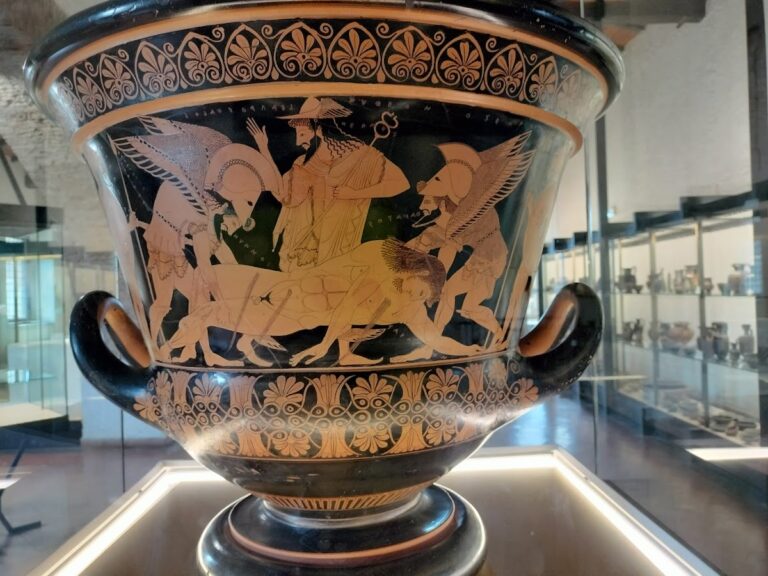
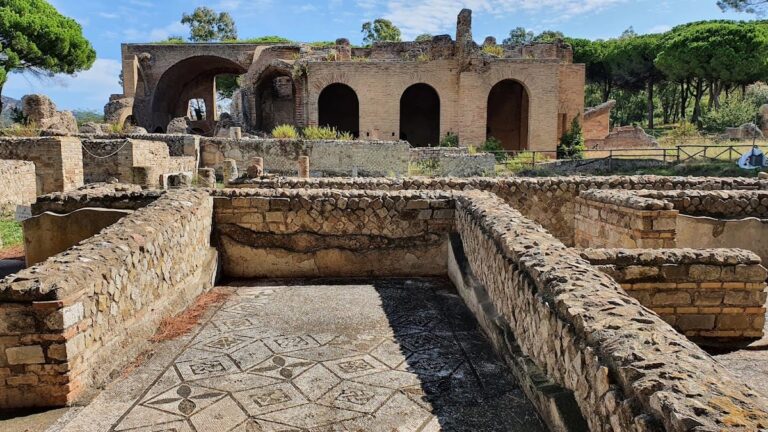
Ruins of Pyrgoi, the Greek name for an Etruscan settlement, lie near the castle. The Etruscans were an ancient civilization of central Italy that flourished before Roman dominance. These remains place Santa Severa within a landscape containing evidence of occupation predating the castle by many centuries.