Shirotori-kofun: An Early Sixth-Century Burial Mound in Nagoya
Site at a Glance
- Popularity
- Medium
- Country
- Japan
- Primary era
- Medieval
- Eras represented
- Medieval
- Civilizations
- Yamato
- Site type
- Religious
- Remains
- Tomb
On this page8 sections
History
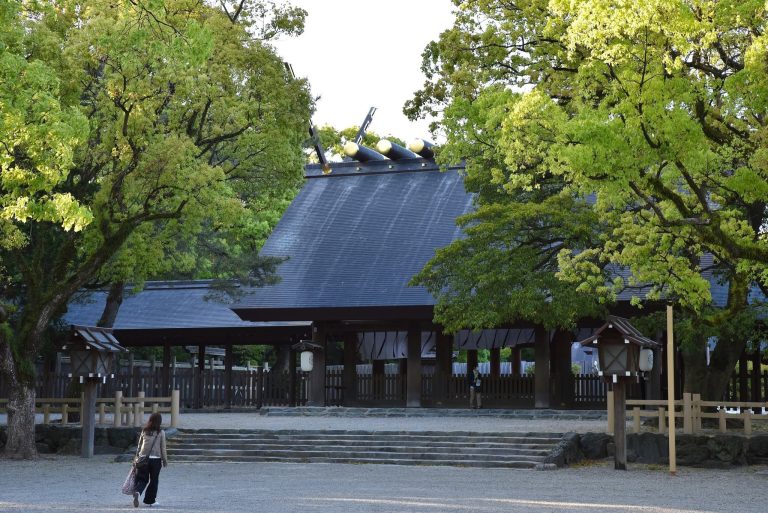
Shirotori-kofun, an ancient Japanese burial mound in Nagoya, Aichi, Japan, is believed to have been built in the early sixth century. Archaeological interpretation identifies the buried person as a chief of the Owari clan, an aristocratic family associated with the historic province of Owari, which roughly corresponds to present-day Aichi. Atsuta Shrine instead identifies the mound as the tomb of Yamato Takeru, a legendary prince in early Japanese tradition.
Shrine traditions
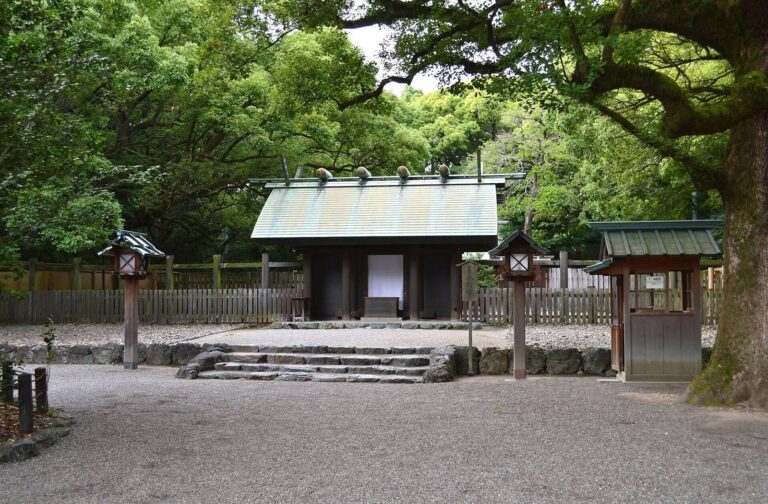
In the shrine’s tradition, Yamato Takeru was buried elsewhere, then became a swan and came to rest at this mound. Atsuta Shrine calls it the White Bird Mausoleum. The shrine also regards a mound about 300 metres to the north as the tomb of Yamato Takeru’s consort. An annual tomb festival is held at both mounds on May 8.
Discovery and custody
On August 14, 1837, a typhoon brought down a tree on the mound and exposed its stone burial chamber. Monks from the adjacent temple temporarily removed objects from the chamber. Tradition holds that, after reporting the find to temple and shrine authorities and deliberating with them, the monks returned the objects and restored the mound. The objects’ shapes and numbers were recorded.
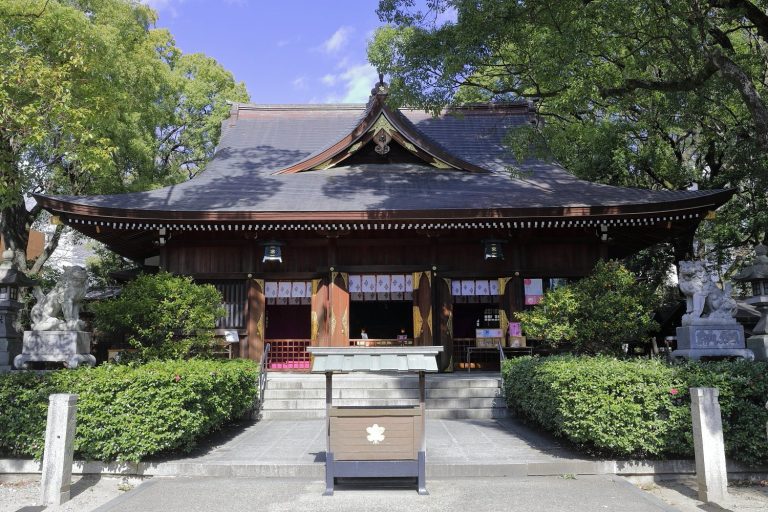
The adjacent temple formerly managed the mound. Custody passed to Atsuta Shrine in 1876, then to Nagoya City after World War II.
Remains
Mound form and setting
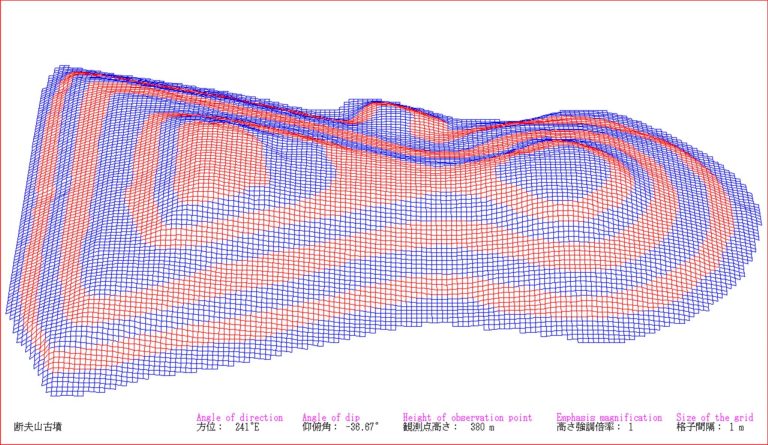
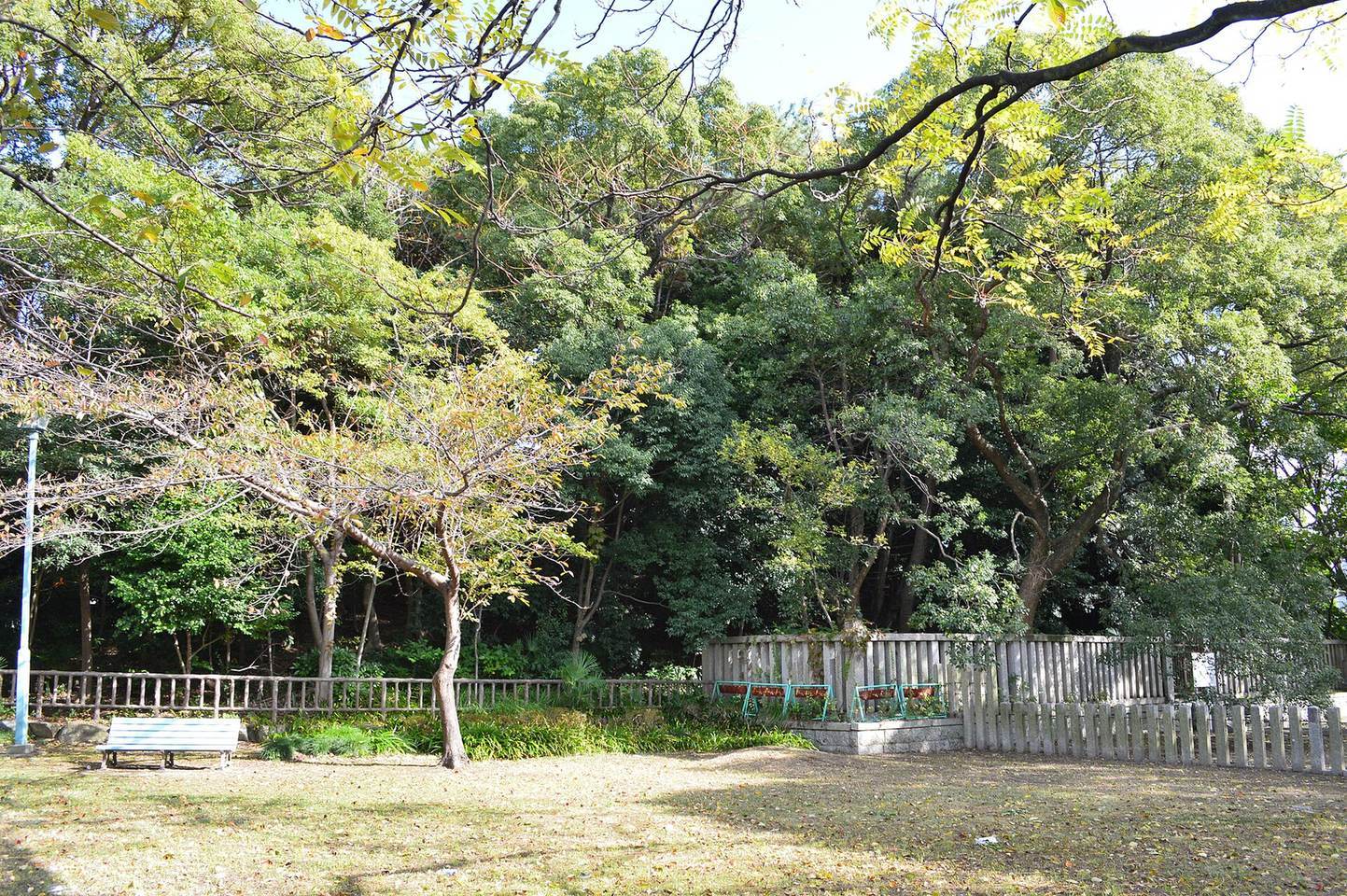
The mound is a keyhole-shaped kofun, an ancient burial mound with a rounded rear section joined to a projecting front. A Nagoya University survey in 1951 measured it at 70 metres long and 7 metres high. It stands beside a temple and adjoins a park. Its form has been altered: road construction cut into the southern end of the front section, work on a torii gate excavated the eastern side of the rear section, and the temple’s relocation and rebuilding involved excavation at the mound’s western foot. The survey suggested that the front may have been levelled. A flat area about 5 metres wide on the east side may indicate that the mound was built in two tiers.
Haniwa and surrounding ditch
Cylindrical haniwa, objects placed on or around burial mounds, once encircled the site. They were made from Sue ware, a high-fired stoneware produced in ancient Japan. A surrounding ditch is estimated to have been about 10 metres wide, extending from the eastern side toward the northwest.
Burial chamber and recorded objects
A description of the chamber exposed in 1837 gives its length as about 3.7 metres, its width as 1.2 to 1.5 metres, and its depth as 1.5 to 1.8 metres. It had stone-built walls and five capstones. Three copied drawings preserve details of the chamber and its contents. One ink drawing gives a crosswise measurement of 4 to 5 shaku and a length greater than 2 ken; it records the depth as 5 to 6 shaku. Shaku and ken are traditional Japanese units of length. Another ink drawing, copied in 1838, describes a stone box 2.5 ken long, more than 3 shaku wide, and 4 shaku deep. A colored drawing shows how objects were arranged inside the chamber.
Poem stele
An upright stone monument beside the park entrance on the Horikawa side bears a poem traditionally attributed to Motoori Norinaga, an Edo-period scholar and poet. He is said to have visited the area and written of the white bird’s longing for Yamato, identifying this place as the point from which it departed.