Shinpu Castle: Takeda Katsuyori’s Principal Fortress
Site at a Glance
- Country
- Japan
- Primary era
- Medieval
- Eras represented
- Medieval
- Civilizations
- Takeda
- Site type
- Military
- Remains
- Castle
On this page9 sections
History
Shinpu Castle was the principal fortress of Takeda Katsuyori in Japan, begun in 1581 as a new headquarters for the clan. It was intended to support a larger castle town and the administration of the Takeda’s expanded territories.
Relocation and Construction
After the Takeda defeat at the Battle of Nagashino in 1575, Katsuyori faced increasing pressure from neighboring powers. The clan’s seat had shifted from Isawa to Kawada and then to Tsutsujigasaki Castle, which served as its administrative center. Growth there was restricted by the terrain behind the town. Nirasaki offered a more central position within the expanded domain, which included Shinano (roughly present-day Nagano), western Kōzuke (Gunma), and Suruga (Shizuoka), as well as natural defenses.
A tradition in the Kōyō Gunkan credits Anayama Nobutada with proposing a new castle in March 1581, while another interpretation dates his proposal to July 1580. On January 21, 1581, Takeda retainer Sanada Masayuki ordered local leaders to mobilize workers. Masayuki may have overseen construction, although that role is uncertain. Initial works were complete by September, after about eight months, but the castle remained unfinished. Katsuyori transferred his headquarters there by the end of the year, while the castle town was still incomplete in early 1582.
The Takeda Collapse
After Kiso Yoshimasa, a regional lord in Shinano, defected, Katsuyori tried to suppress the rebellion but was blocked by the Oda–Tokugawa alliance. In 1582, Oda Nobunaga ordered an invasion of Takeda territory, with his son Oda Nobutada commanding an army of 18,000. As the allied forces advanced into Kai (roughly present-day Yamanashi), Katsuyori set fire to the unfinished castle in March and fled toward Iwadono Castle with about 300 to 400 men.
On the way, Oyamada Nobushige betrayed Katsuyori and refused him entry to Iwadono. Driven to Tenmokuzan, Katsuyori died by suicide, and the Takeda family was destroyed.
Later Use and Preservation
During the Tenshō-Jingo War, the 1582 struggle over former Takeda territories, Tokugawa Ieyasu used Shinpu as his headquarters against Hōjō Ujinao’s forces. After the war, Kai came under Tokugawa control, and Ieyasu based himself at Tsutsujigasaki Castle. Following Ieyasu’s transfer to the Kantō region of eastern Japan in 1590, Kai passed to lords serving the Toyotomi government. Kōfu Castle was later built at Ichijo Hill and became the province’s political center. After Tokugawa victory at the Battle of Sekigahara restored their rule, Shinpu remained abandoned.
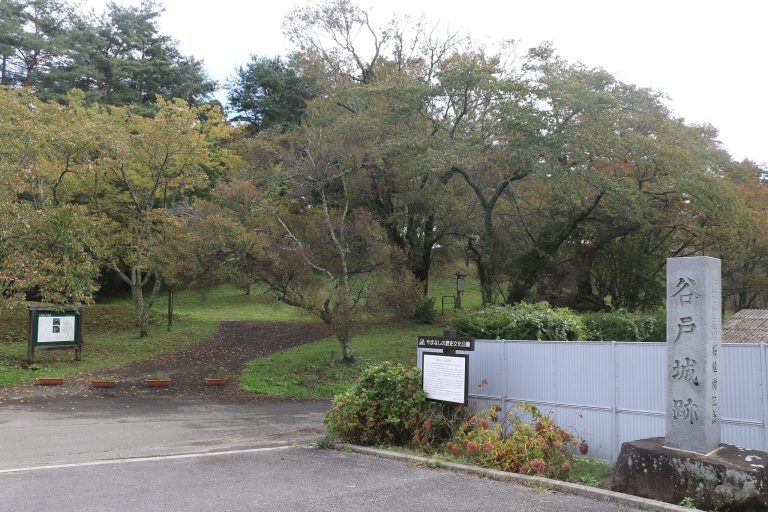
Nirasaki later became a transport junction. In the Edo period, the Kōshū Highway and routes toward Suruga, Saku, and Suwa converged there, while the Kamanashi River supported water transport. This later role may also have informed the choice of location. The ruins became a National Historic Site on July 21, 1973, and land was acquired for their preservation. Nirasaki City took on site management in 1986. Excavation and environmental work began in 1998, followed by further site improvements from 2005.
Remains
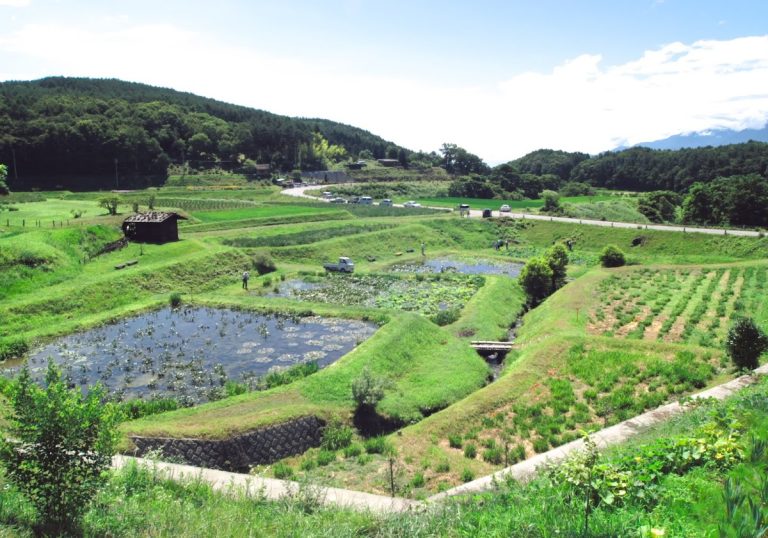
The castle’s defensive core covered about 500 metres from north to south and 200 metres from east to west. It occupied part of a much broader plateau, about 7 to 8 kilometres long and 2 kilometres wide, formed from deposits of Mount Yatsugatake and shaped by the Kamanashi and Shiokawa rivers. West of the Kōfu Basin, the site has an eroded cliff along its western side and the Shiokawa River to the east. Steep terrain and waterways strengthened the defenses, which were organized around enclosures and moats.
Main Enclosure and Western Entrance
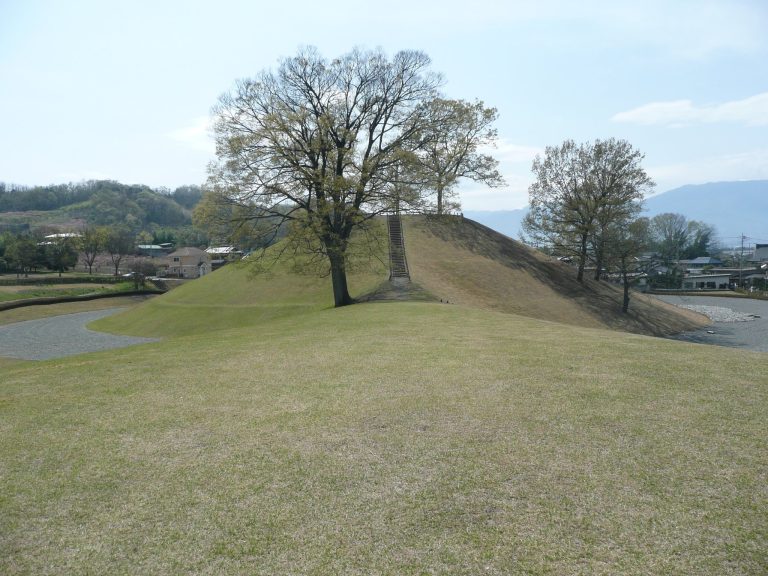
The square main enclosure stood at the hilltop and connected through a second enclosure to the main gate on the west. The layout also included eastern and western third enclosures and belt enclosures. South of the central area, a third enclosure about 100 metres long was divided into two by an earthen wall. The main and second enclosures were similar in scale to the main and western enclosures at Tsutsujigasaki Castle, a resemblance that has supported an interpretation of administrative use.
Gate and Northern Defenses
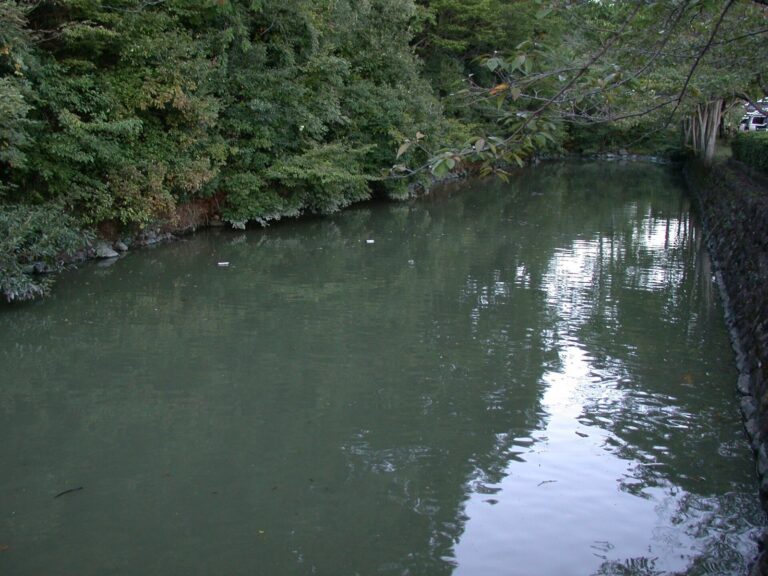
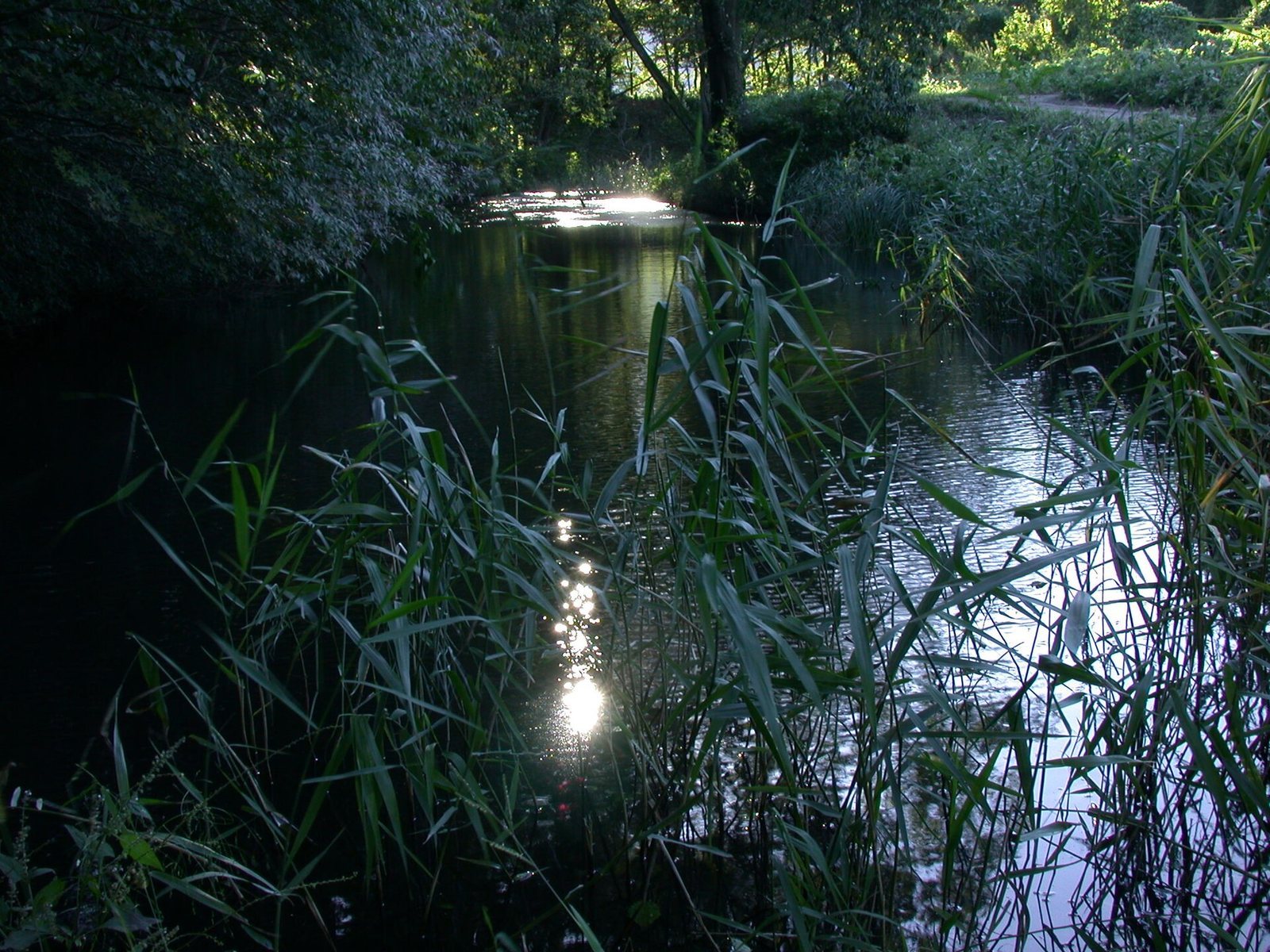
A semicircular outer defense protected the main gate, with a crescent-shaped dry moat in front. Two projecting gun positions on the northern side extended toward a water-filled moat. Their proposed arrangement was intended to limit the exposed approach and concentrate fire from the projections and the space between them, though its effectiveness remains uncertain.
Northern Ramparts and Branch Forts
A separate system of northern ramparts, centered around Nomi Castle, forms part of the wider military landscape rather than the remains usually identified as Shinpu Castle itself. The ramparts are numerous and sharply angled, a layout interpreted as enabling attacks along the approaches from the side. The defensive plan may have guided attackers along a deep moat toward the cliff or river, where they could be attacked from the flank and driven toward the steep terrain or water. The system’s scale appears to anticipate a force of at least several thousand troops, potentially tens of thousands. Hakusan and Nomi castles served as branch forts in the wider arrangement, which is considered characteristic of Takeda castle building under Katsuyori. The northern works may have been constructed by the Tokugawa during the 1582 conflict.
Surviving Archaeology
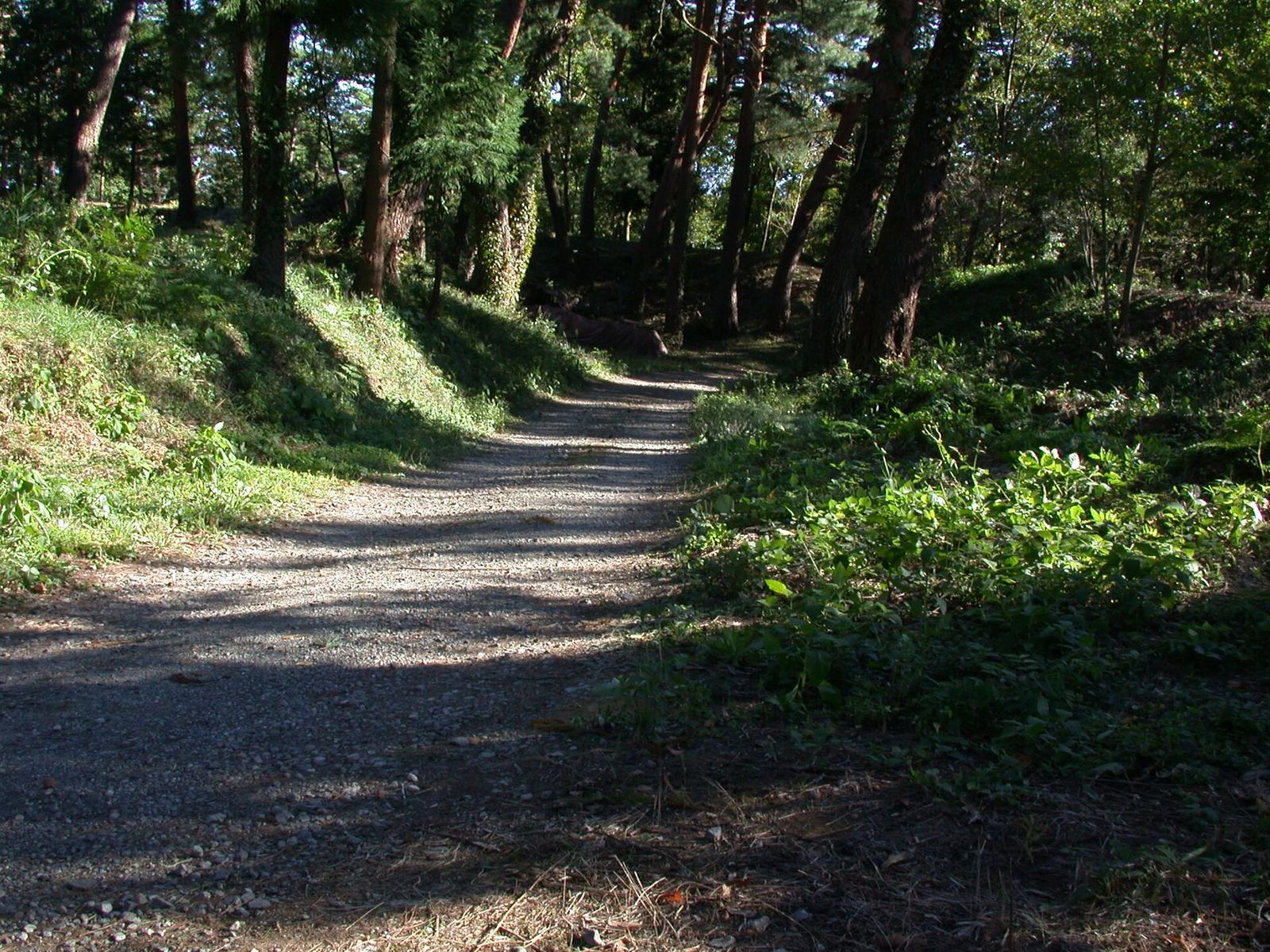
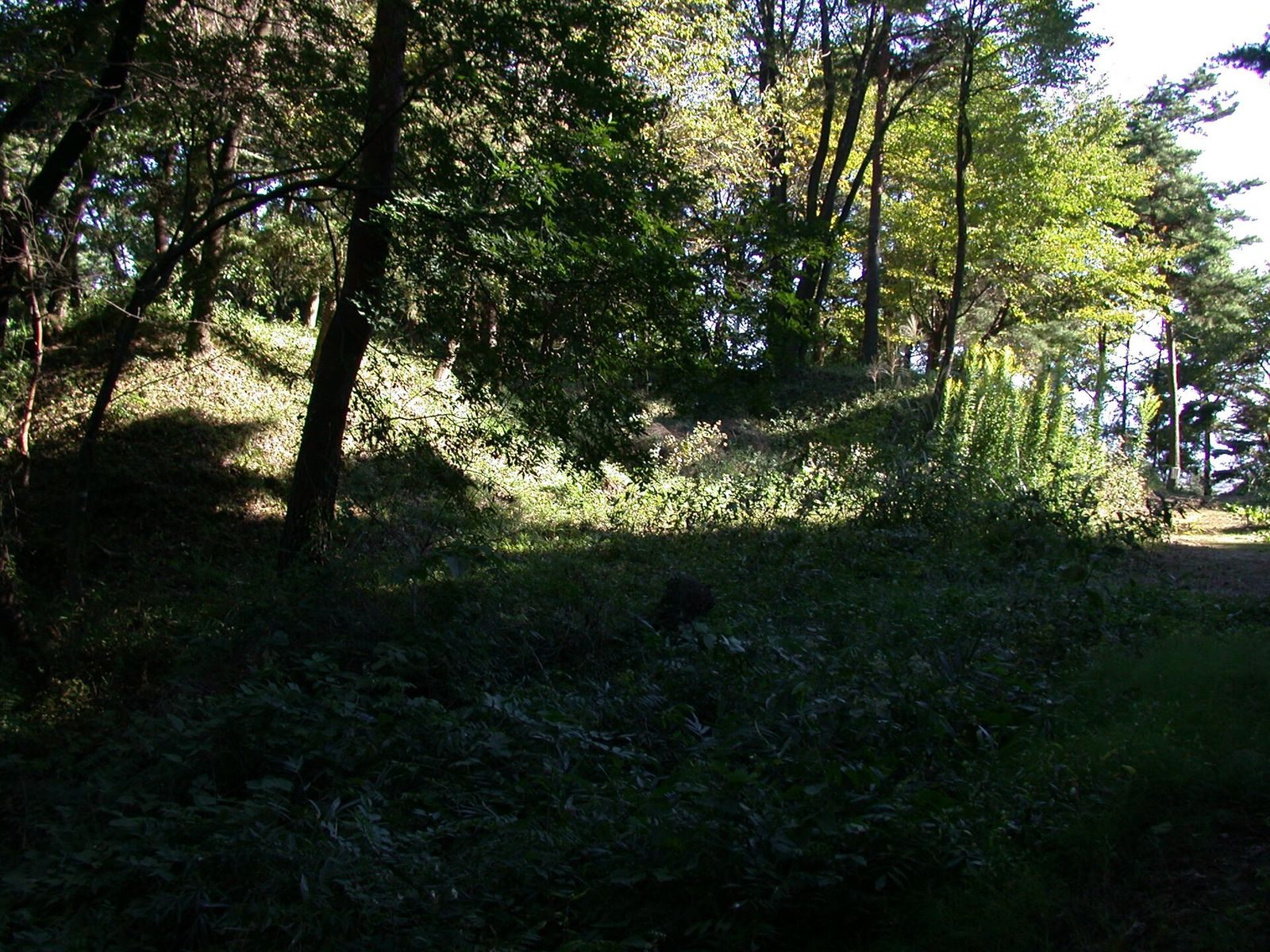
Earthworks and traces of moats survive at the site. Excavations have revealed wells and drainage facilities, and pottery and ceramics have been recovered. A Shinto shrine occupies the former main-enclosure site.