Schlossmuseum Ismaning: A Museum of Ismaning’s Cultural History


Site at a Glance
- Rating
- 4.4
- Popularity
- Very Low
- Country
- Germany
- Primary era
- Unclassified
- External website
- Open
- Eras represented
- Unclassified
- Civilizations
- Unclassified
- Site type
- Domestic
- Remains
- House
On this page6 sections
History
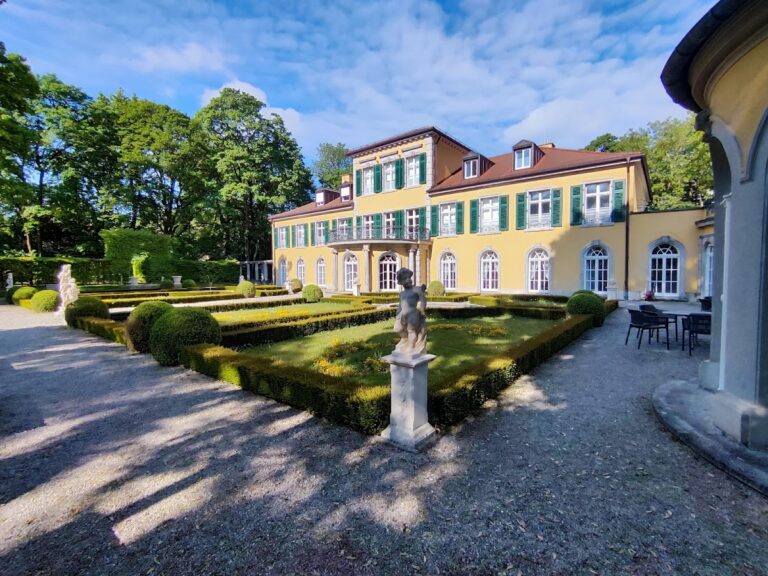
Schlossmuseum Ismaning is a museum in Germany devoted to the cultural history of Ismaning and its castle complex. Ismaning is first documented in 809, while the museum’s historical focus extends especially to the nineteenth and twentieth centuries, the Beauharnais–Leuchtenberg ducal family, and the development of the municipality.
The Castle and the Leuchtenberg Family
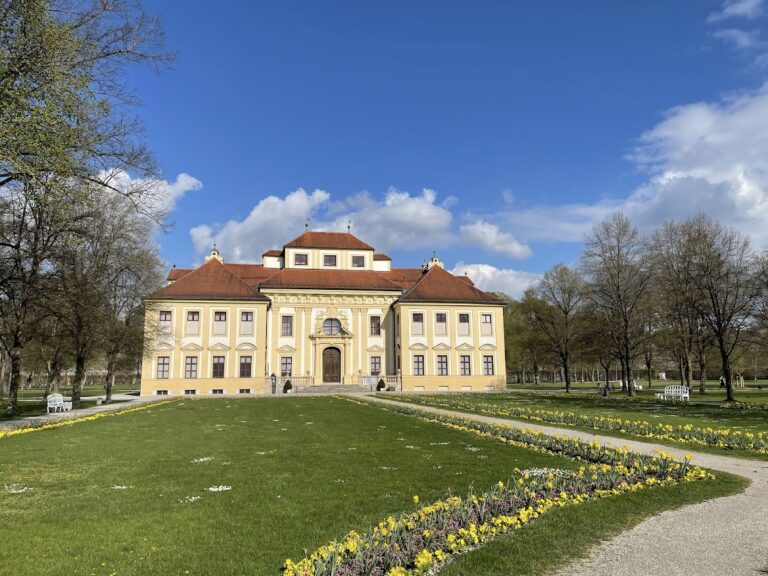
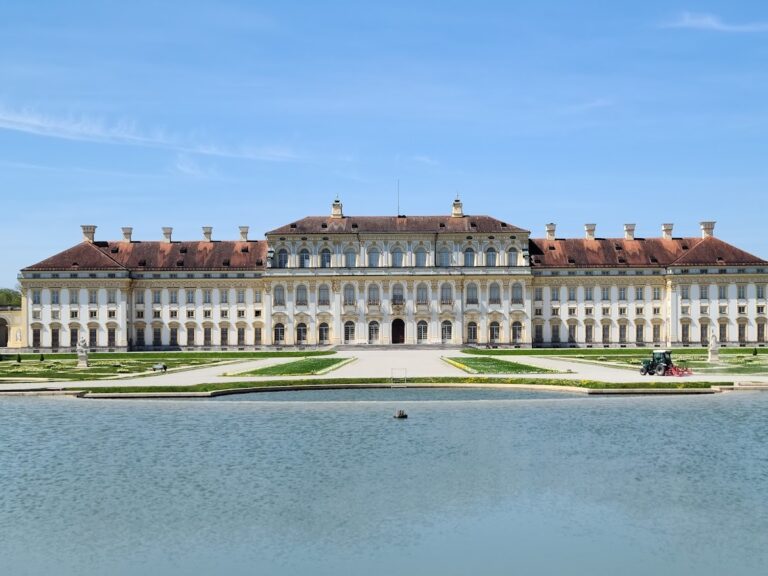
The permanent exhibition explains the history of Ismaning Castle, which served as a summer residence for the prince-bishops of the Prince-Bishopric of Freising during the Baroque period. This ecclesiastical principality was ruled by a prince-bishop, who combined religious authority with territorial government. In the nineteenth century, the castle complex was transformed into a Neoclassical form under Princess Auguste of Bavaria. Neoclassicism drew on the forms and principles of ancient Greek and Roman architecture. Auguste became Duchess of Leuchtenberg in 1816, linking the castle’s history with the Beauharnais–Leuchtenberg family, a European noble family descended from Eugène de Beauharnais.
Creation and Development of the Museum
Schlossmuseum Ismaning opened on 26 July 1986 in the entrance area of the castle complex’s coach house, and its collection was expanded in 1987. After more than 20 years with an almost unchanged presentation, the museum left the coach house in January 2008. Parts of the exhibition were then shown temporarily in the former economic buildings of the castle estate, including a building known as the Peat Railway Station.
The museum reopened in the Gardener’s House in the castle park on 14 July 2010. Its new presentation used a contemporary concept and included a substantially expanded permanent exhibition. Temporary exhibitions are added regularly, exploring different aspects of Ismaning’s history. The museum also oversees the historical state rooms in Ismaning Castle and an exhibition in the old sawmill of the Seidl-Mühle Cultural and Educational Centre. Guided tours of both locations can be arranged on request.
Remains
The museum occupies the Gardener’s House within the grounds of Ismaning Castle. Its displays bring together objects, documents, and photographs relating to the cultural history of Ismaning and the castle complex. The collection connects the castle’s architectural transformation and aristocratic associations with the municipality’s infrastructure, agriculture, and trade.
Religious and Family Collections
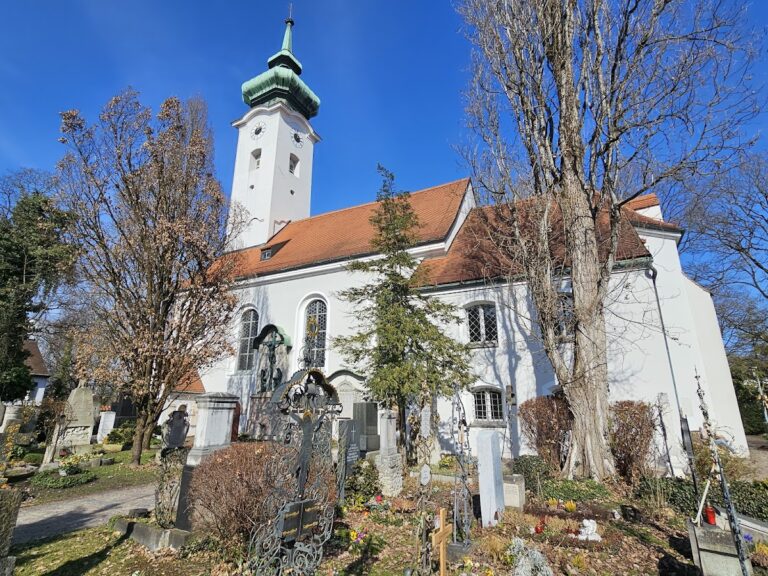
A Baroque altar retable from the second half of the eighteenth century forms part of the collection. An altar retable is the decorated structure placed behind an altar, often with painted or sculpted religious imagery. The piece came from Ismaning’s St John’s Church, demolished in 1904. A separate portrait and miniature collection traces the Beauharnais–Leuchtenberg family.
Models of Transport and Industry
The exhibition includes a model of the former Ismaning railway station together with the peat railway. Another working model represents a self-service machine from the Ismaning paper factory, described as having survived largely intact to the present day. These models, alongside the local-history displays, present aspects of transport, manufacturing, and economic life in Ismaning.