Lustheim Palace: A Baroque Pleasure Palace and Hunting Lodge in Germany


Site at a Glance
- Rating
- 4.7
- Popularity
- Low
- Country
- Germany
- Primary era
- Early Modern
- External website
- Open
- Eras represented
- Early Modern
- Civilizations
- Electorate of Bavaria, Holy Roman Empire
- Site type
- Domestic
- Remains
- Palace
History
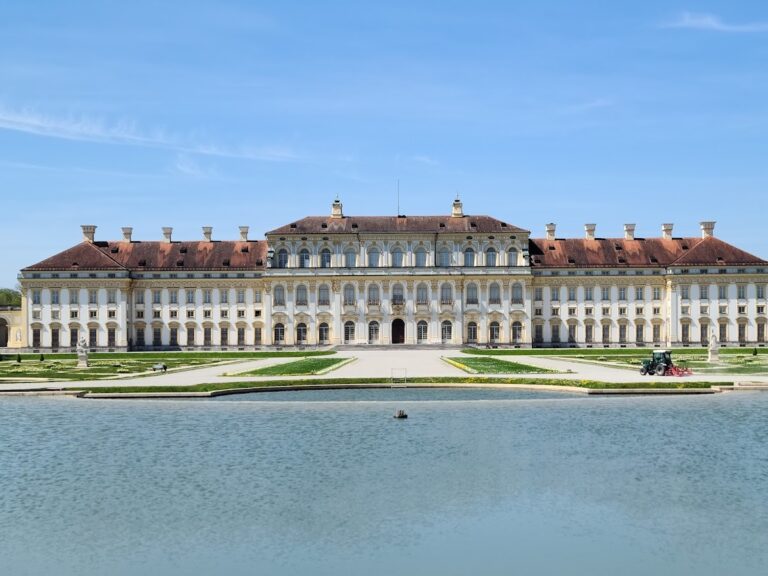
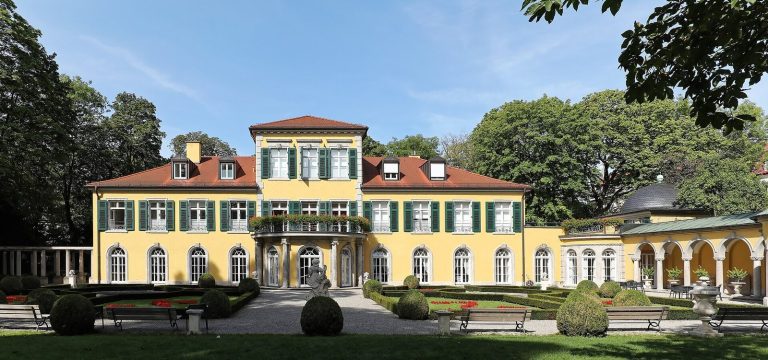
Lustheim Palace is a Baroque pleasure palace and hunting lodge in Germany, located in Oberschleißheim as the eastern section of the Schleißheim palace complex. Maximilian II Emanuel, Elector of Bavaria, commissioned it between 1684 and 1688. An elector was a prince of the Holy Roman Empire entitled to participate in the election of the emperor. The palace was designed by Enrico Zuccalli, a Swiss-Italian architect associated with late seventeenth-century Baroque architecture in Bavaria, and its architectural dates extend from 1684 to 1701.
Baroque architecture, the seventeenth- and eighteenth-century style characterized by monumental composition, formal planning, theatrical spatial effects, and elaborate decoration, shaped Lustheim Palace and its place within the wider complex. Since 1971, the building has functioned as a museum. It is protected as an architectural heritage monument in Bavaria.
Remains
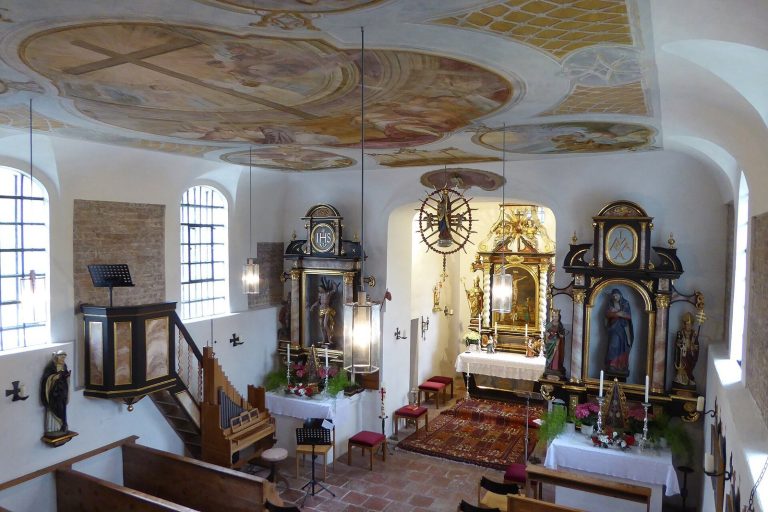
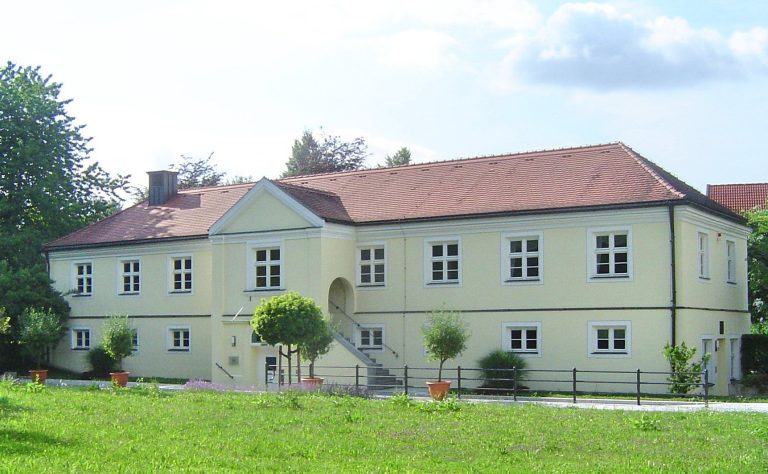
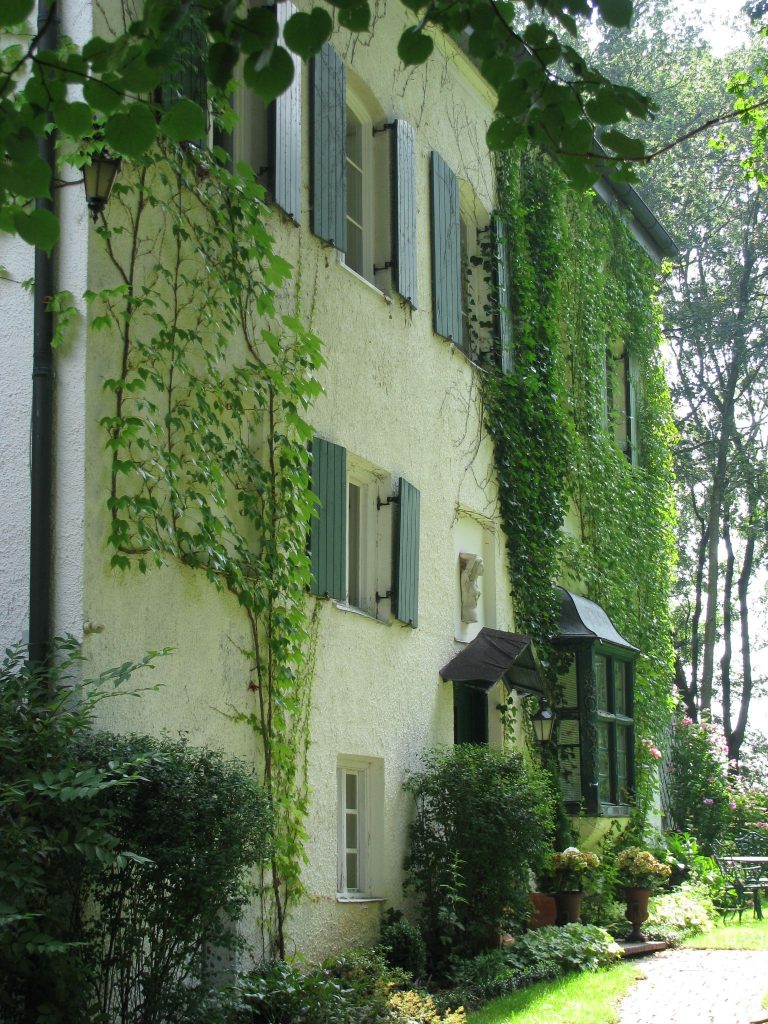
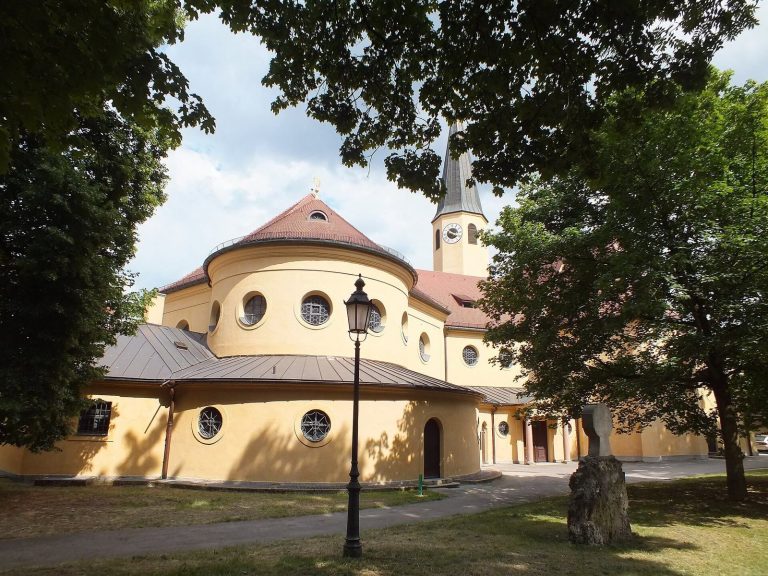
Lustheim Palace is a Baroque palace building within the eastern part of the Schleißheim complex. The associated grounds include the Am Hofgarten palace grounds, a southern pavilion, a northern pavilion, and buildings at Hochmuttinger Straße 54 and Max-Emanuel-Platz 1. The palace stands at approximately 486 metres above sea level in Oberschleißheim. The surrounding terrain is flat and lower-lying to the north, while the highest nearby point reaches 553 metres and lies about 5.5 kilometres southeast of the palace.