Wisent Castle: An Estate Farm in Lower Austria
Site at a Glance
- Popularity
- Low
- Country
- Austria
- Primary era
- Early Modern
- Eras represented
- Early Modern
- Civilizations
- Habsburg, Holy Roman Empire
- Site type
- Domestic
- Remains
- Castle
On this page5 sections
History
Early references and construction
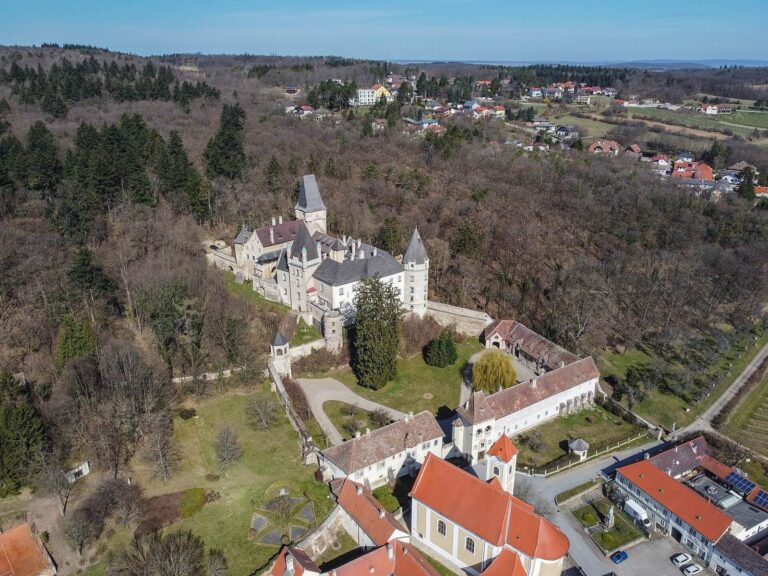
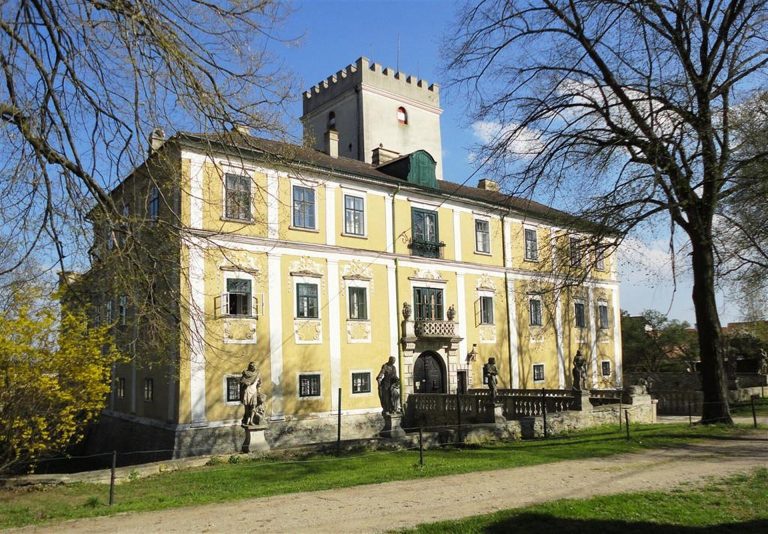
Wisent Castle stands in Amelsdorf, Lower Austria, Austria, and was built in 1571 under Valentin Polani and his wife Barbara. The name Wisent is first recorded in 1353. An abandoned fortress at Amelsdorf was sold in 1514 and mentioned again in 1602, but it was probably a different building from the later castle.
Conflict and the lordship
In 1619, troops of Charles Bonaventure de Longueval, Count of Bucquoy, a military commander in Habsburg service, stormed and looted the castle. The estates of Mörtersdorf and Sachsendorf and the settlement of Limberg later came under Wisent’s lordship. In 1755, those properties and the lordship passed to Altenburg Abbey, a Benedictine community that follows the Rule of Saint Benedict.
Twentieth-century history
During 1944–45, about 30 Hungarian Jews were forced to work at the estate. In 1947, their overseer, Karl Reschinsky, was convicted of maltreating the workers and sentenced to 18 months in prison. Altenburg Abbey uses the castle as an estate farm, an agricultural property managed as part of a larger landed estate.
Remains
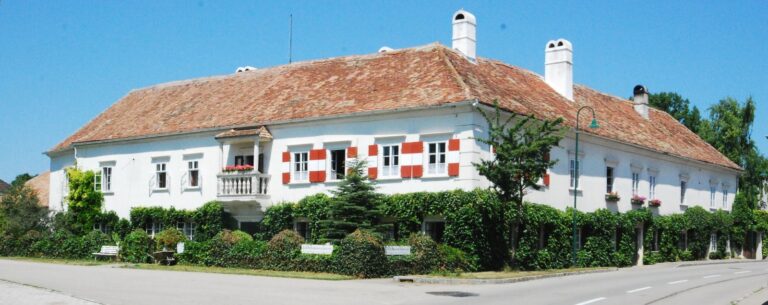
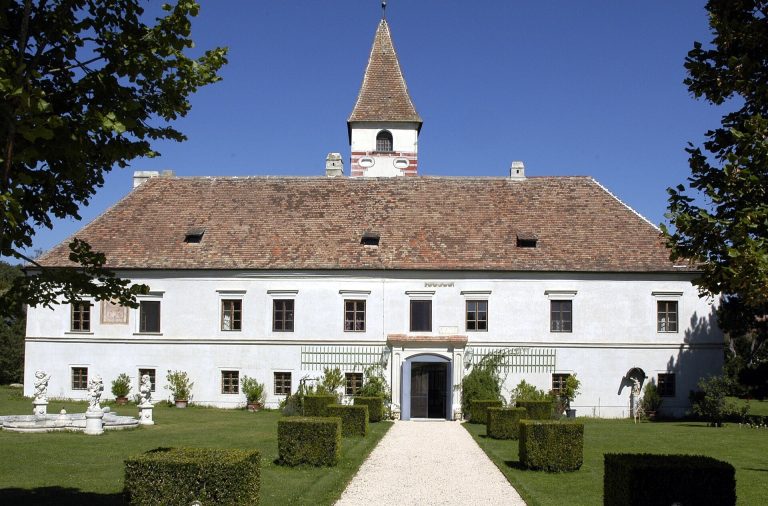
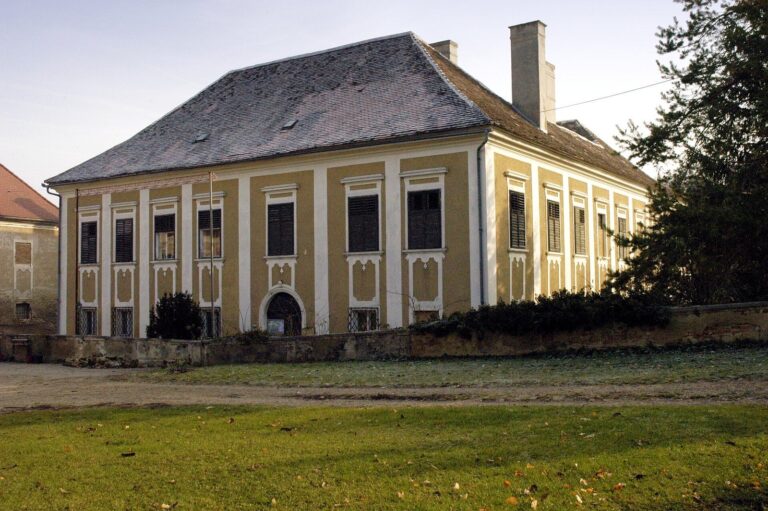
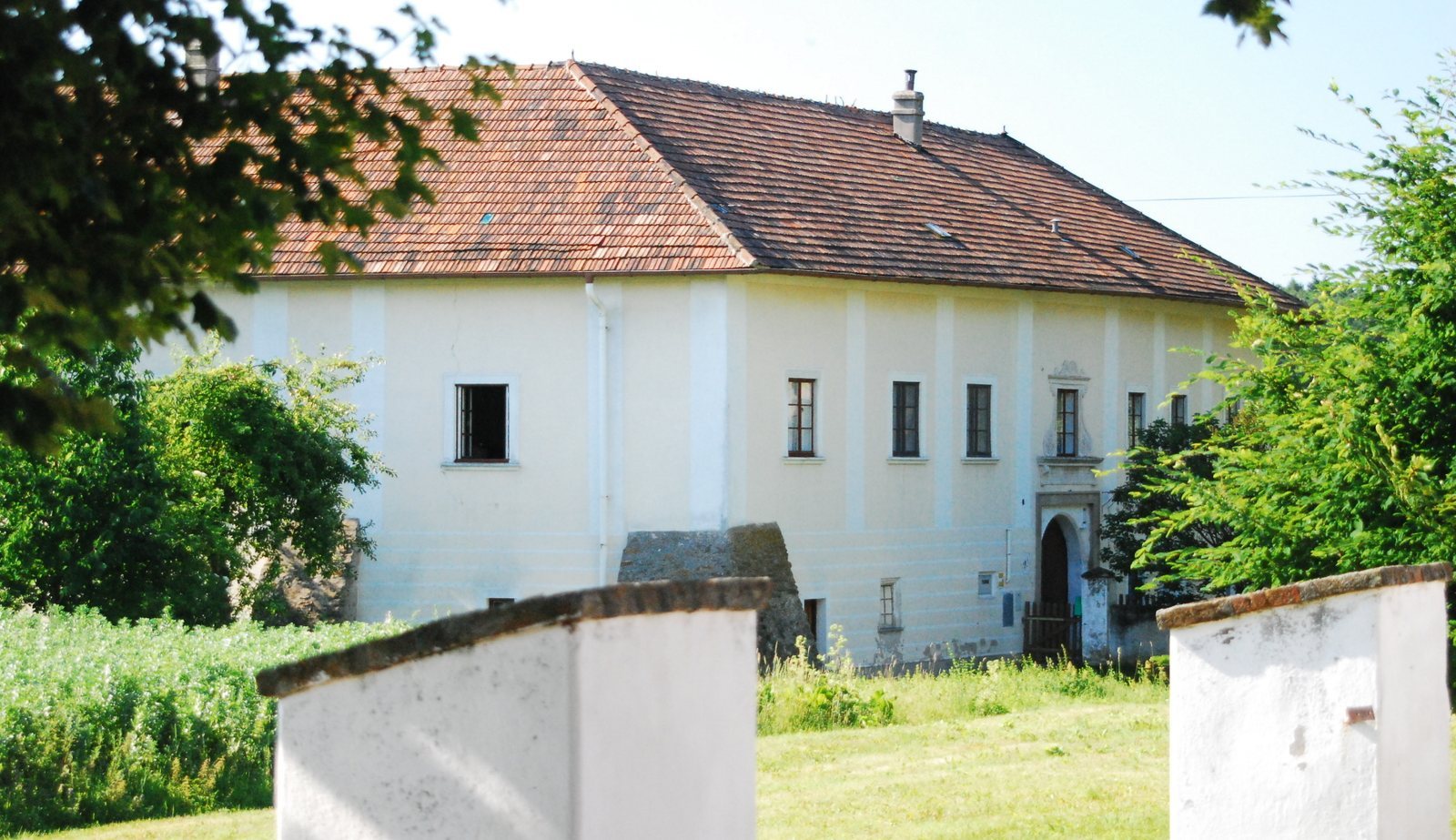
The surviving complex is arranged around a courtyard. Its rectangular main building is now one storey high, and wings around the courtyard have open arcaded galleries on both the ground and upper floors. The building’s second upper floor was removed after a lightning-caused fire in 1900.
An inscription above the main gate preserves the castle’s construction record, naming Valentin Polani and his wife Barbara and dating the building to 1571.