Weißenborn Castle: A Medieval Fortification in Saxony
Site at a Glance
- Rating
- 4.4
- Popularity
- Low
- Country
- Germany
- Primary era
- Medieval
- Eras represented
- Medieval
- Civilizations
- Holy Roman Empire, Margraviate of Meissen
- Site type
- Domestic
- Remains
- Castle
On this page5 sections
History
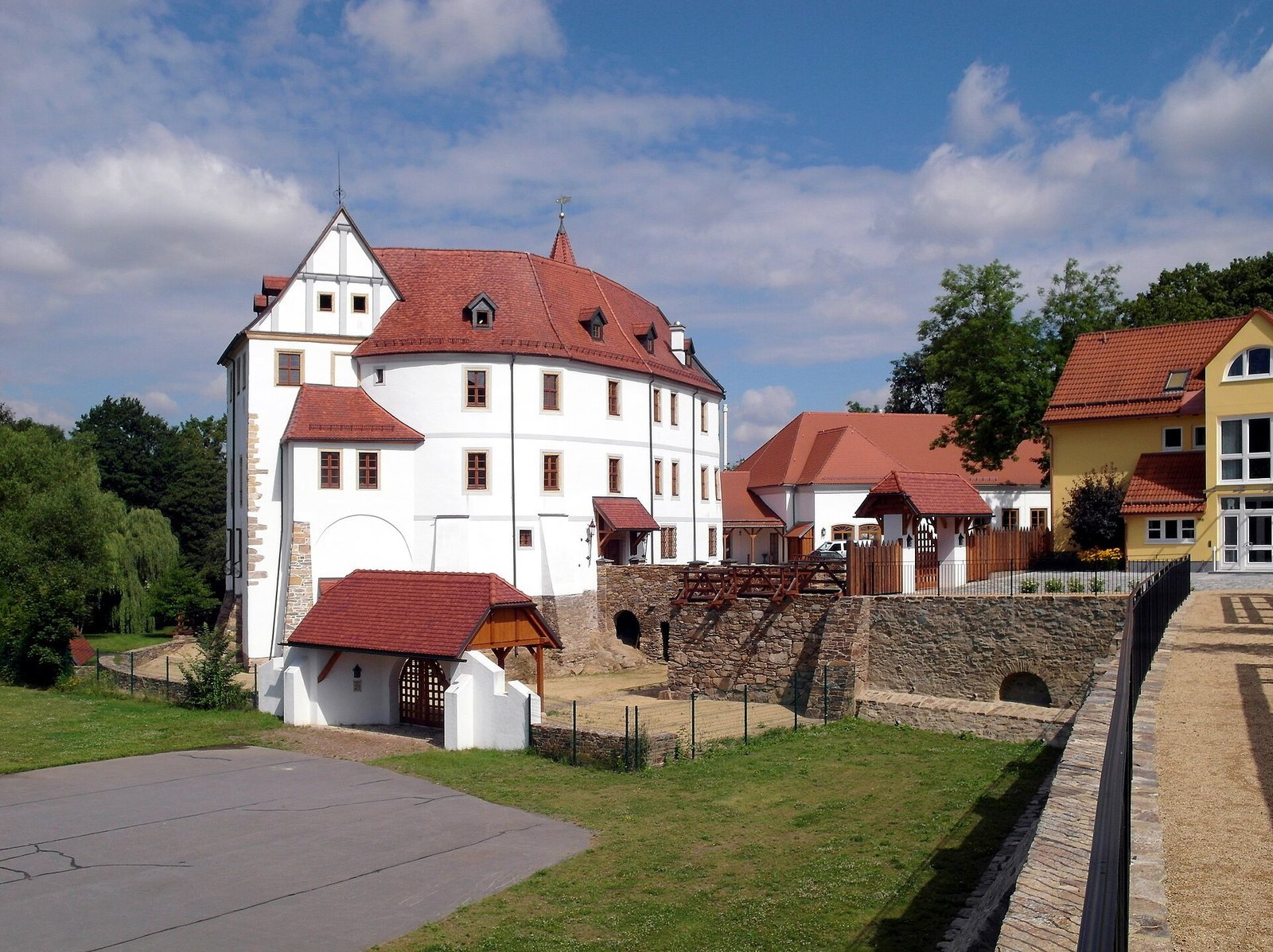
Weißenborn Castle is a medieval castle site in Weißenborn/Erzgeb., Saxony, Germany. The castle was first recorded alongside the village in 1213, although its construction probably dates to the fourteenth century. Rudegerus de Wizenburne is named in a record from 1228.
Medieval origins and the Hartitzsch family
In 1365, Weißenborn was granted as a fief, land held under a feudal relationship, to the Freiberg family von Hartitzsch. The family held it until 1802. Over the course of its history, Weißenborn was affected by warfare, looting, and plague.
Changes in ownership, 1802–1945
In 1802, Alexander von Hartitzsch sold the castle and manor estate to Christoph Schubert, who then transferred them to a cavalry captain von Weißenbach. In 1882, Colonel Baron von Wangenheim acquired the estate from Count Hohenthal-Püchau and held it until 1924. Dr. Otto Fritz became its owner in 1931; the estate was expropriated in 1945.
Twentieth-century use and ownership
During the German Democratic Republic, the East German state that existed from 1949 to 1990, a cultural center operated in the castle rooms. On September 18, 1969, the castle area was registered as an archaeological monument, marking it as the site of the predecessor castle. The castle returned to private ownership in 2010.
Remains
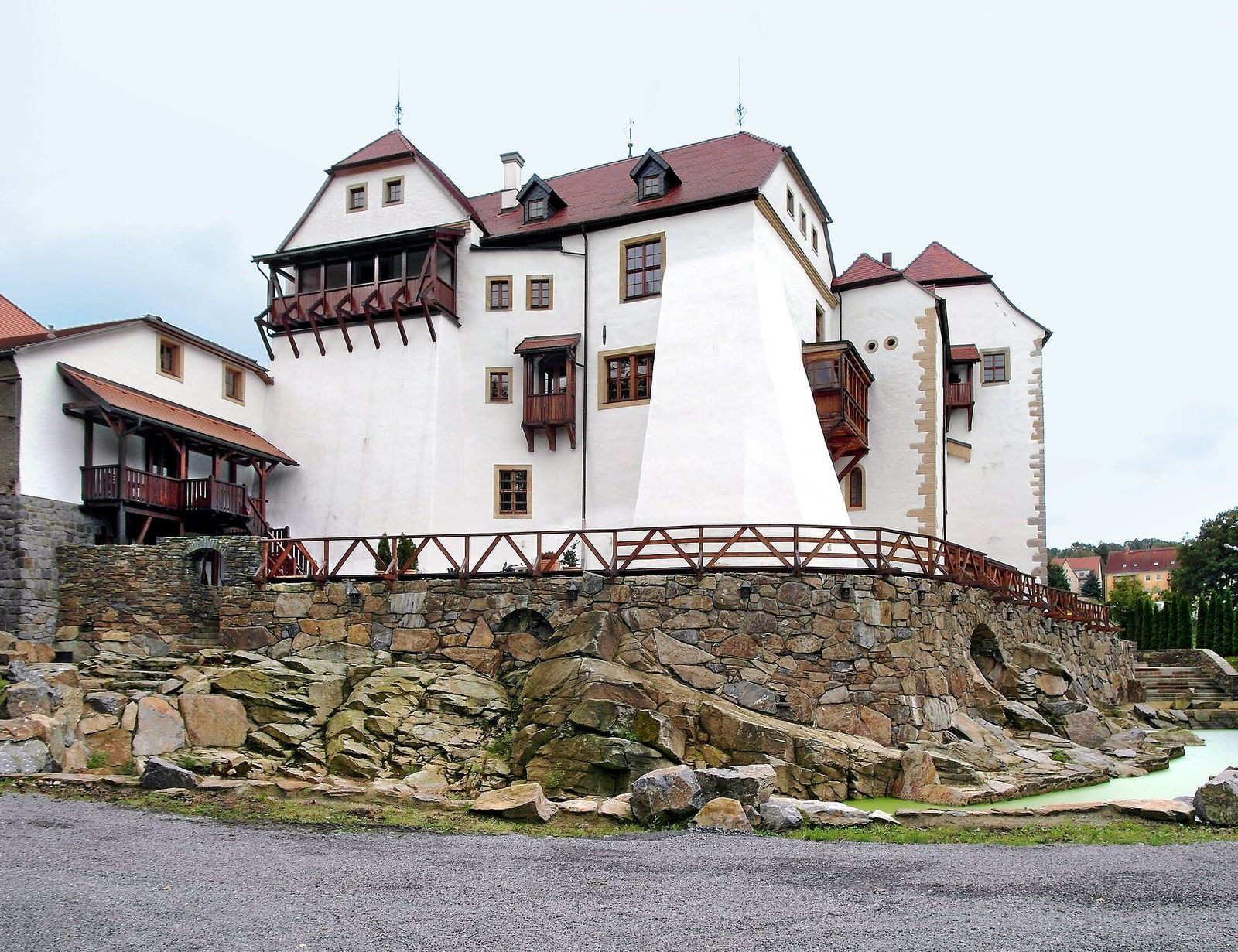
The castle site lies in the northwest of the village, on a flat, west-facing spur above the Freiberger Mulde. The former spur castle, a fortification built on a projecting ridge or hillside, covered an area of about 60 by 40 metres. Later castle buildings substantially altered the medieval complex.