Wädenswil Castle: A Bailiff’s Seat and Agricultural Research Centre
Site at a Glance
- Popularity
- Medium
- Country
- Switzerland
- Primary era
- Modern
- Eras represented
- Modern
- Civilizations
- Swiss
- Site type
- Domestic
- Remains
- Castle
On this page7 sections
History
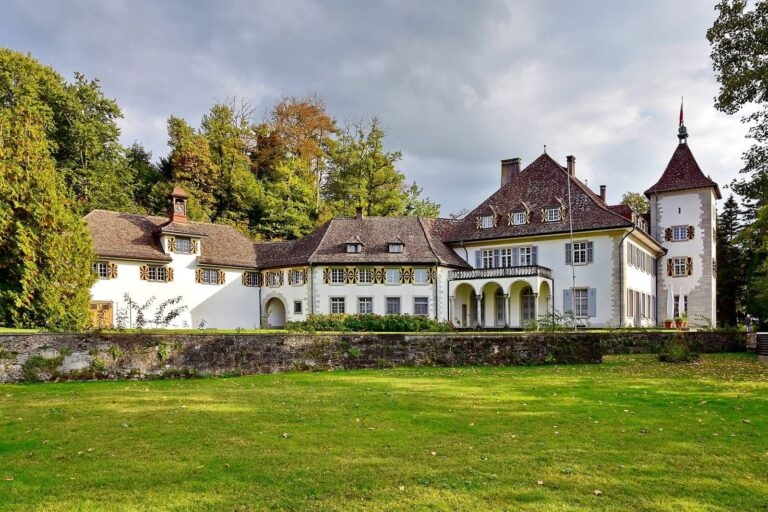
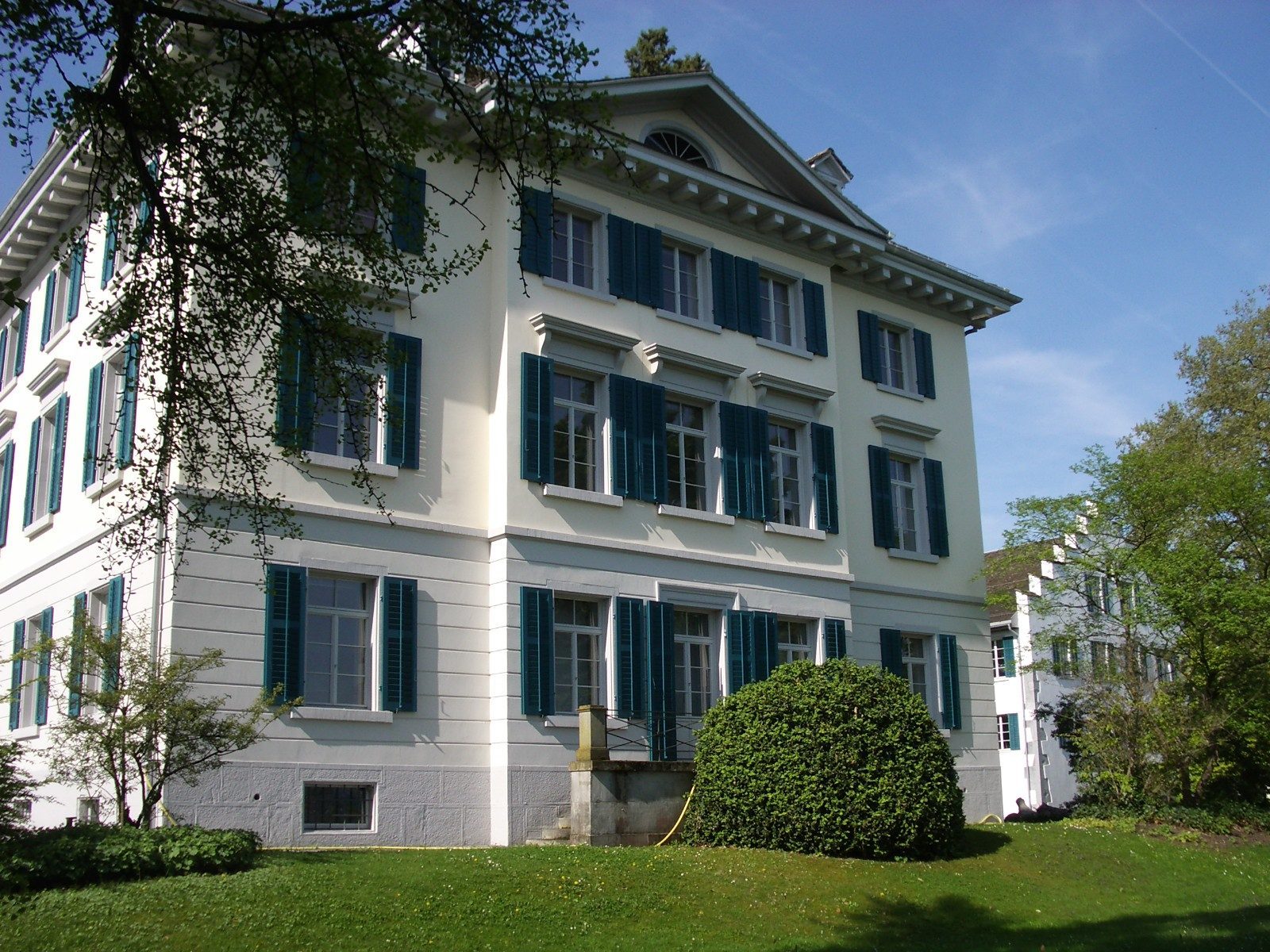
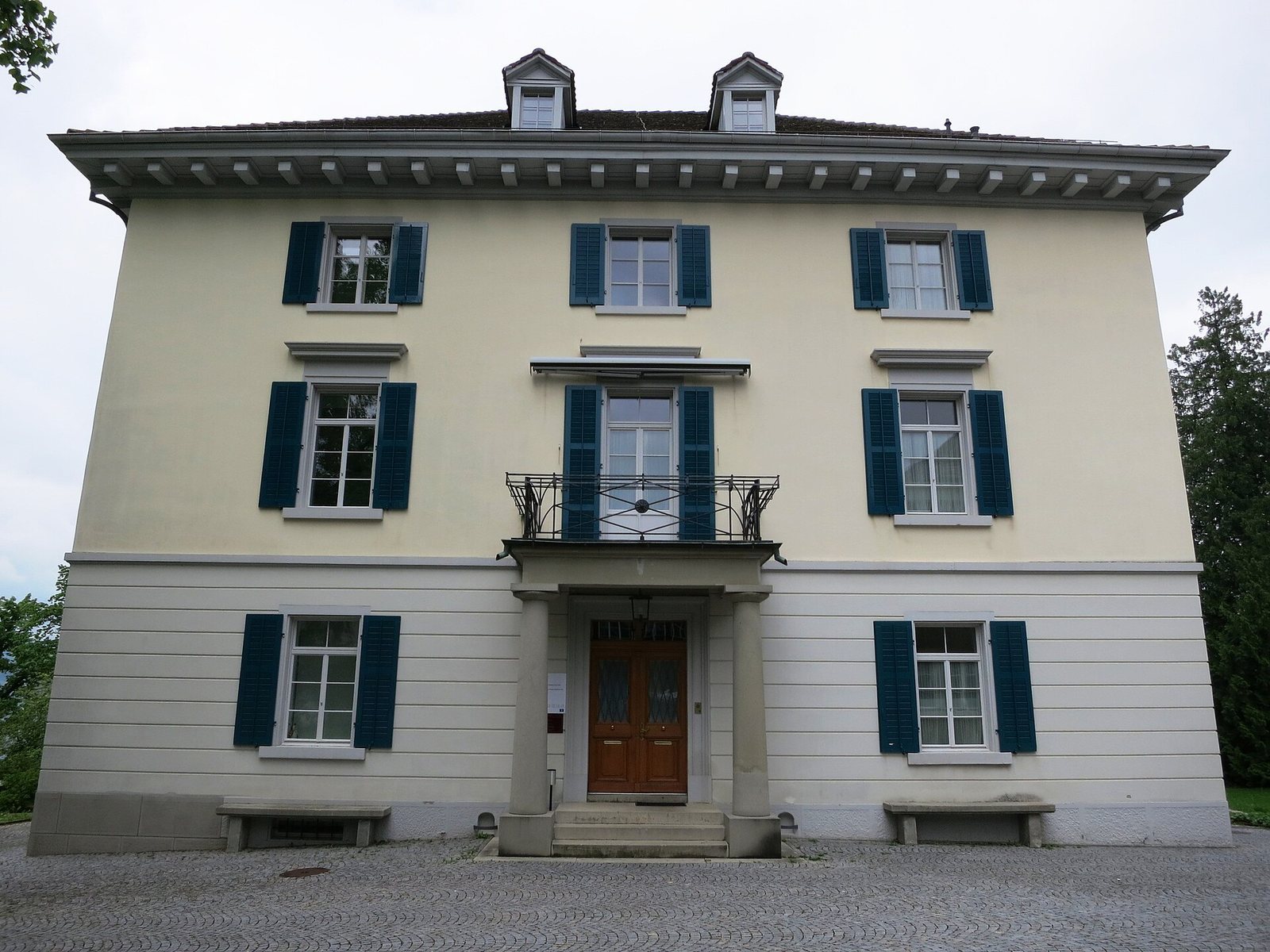
Wädenswil Castle is a historic castle in Wädenswil, Switzerland. Its original building, erected for Zurich’s bailiff between 1550 and 1555, served successive administrators for about 250 years; the present building is neoclassical.
Zurich rule and the bailiff’s seat
After the Reformation, the Order of St John, a Christian religious order also known as the Hospitallers, sold the lordship of Wädenswil and its rights to the Canton of Zurich in 1549. Zurich incorporated the order’s commandery, a local administrative centre and estate, into its territory as a bailiwick, a district administered by a bailiff. This strengthened Zurich’s position on the upper left shore of Lake Zurich at the order’s expense. The castle became the bailiff’s administrative seat, an office sought by members of Zurich’s upper social ranks.
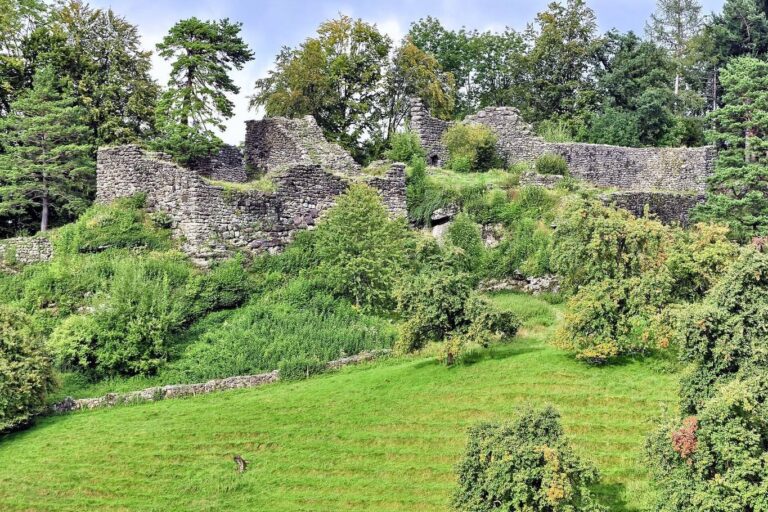
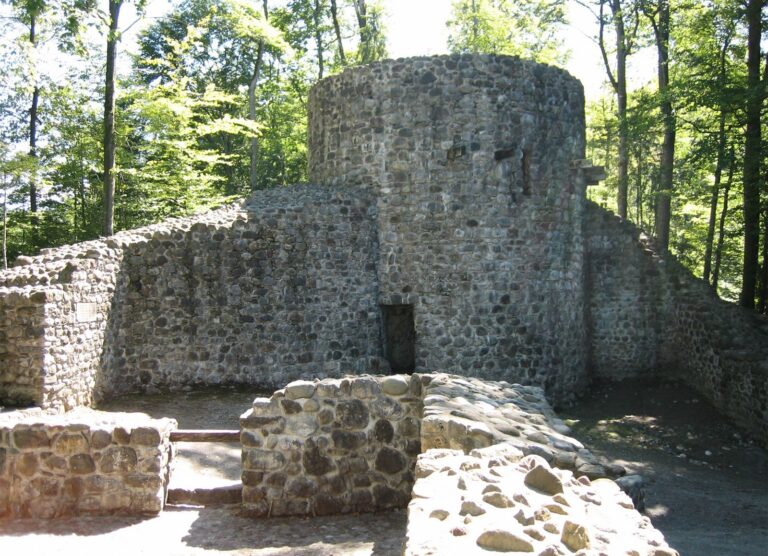
In 1557, the Swiss Diet, an assembly of representatives from the cantons, ordered the demolition of Alt-Wädenswil Castle. Glarus and Schwyz feared that the older castle could serve as a base for military action by Zurich’s enlarged city-state.
Religious disputes
In January and February 1613, Mayor Rahn and Johann Jakob Breitinger, the senior cleric of Zurich’s Reformed church, summoned Hans Landis and other Anabaptist representatives to the castle for two religious debates. Anabaptists were a Reformation-era Christian movement that rejected infant baptism and emphasized baptism after a personal profession of faith.
Political upheaval and rebuilding
After Zurich’s city-state collapsed in 1798, the castle became national property and was leased to the municipality. The Helvetic Republic, the short-lived Swiss republic founded that year, appointed Philipp Albert Stapfer as education minister. In 1799, he decided to establish a school in the vacant castle. It opened in 1800 under educator J. Th. Lutz, for boys aged 11 to 15, and ran for two years.
After the Helvetic regime fell, rural inhabitants rose against aristocratic Zurich in the Bocken War, an 1804 rural uprising. On 24 March, rebels set fire to the bailiff’s castle in the first military action of the revolt, and its main building burned down. Zurich architect Hans Conrad Stadler began constructing the present castle in 1816.
Agricultural research and the arboretum
After decades in private ownership, the castle became the home in 1890 of the Experimental Station for Fruit Growing, Viticulture and Horticulture in German-speaking Switzerland. Its first director was Hermann Müller-Thurgau, a botanist and grape breeder who developed Riesling × Sylvaner. The institution became the Federal Research Station in 1968 and later operated as Agroscope Changins-Wädenswil.
Research at the arboretum ended as botany lost scientific standing, and the grounds have not been under tree-focused management since 1987. In 2008, representatives of Wädenswil, Agroscope and the Zurich University of Applied Sciences founded the Landart im Schlosspark association, with the aim of reviving the arboretum.
Remains
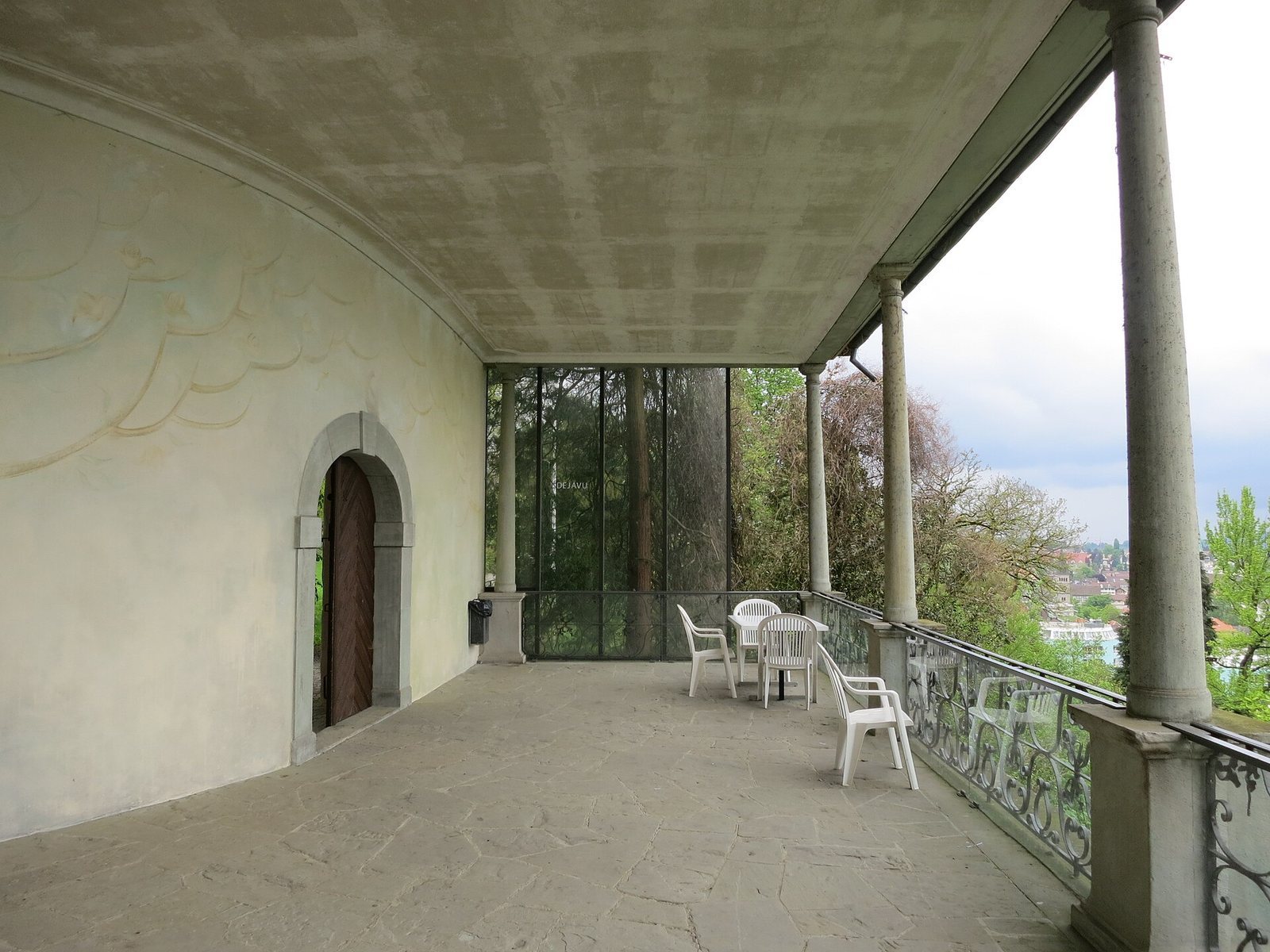
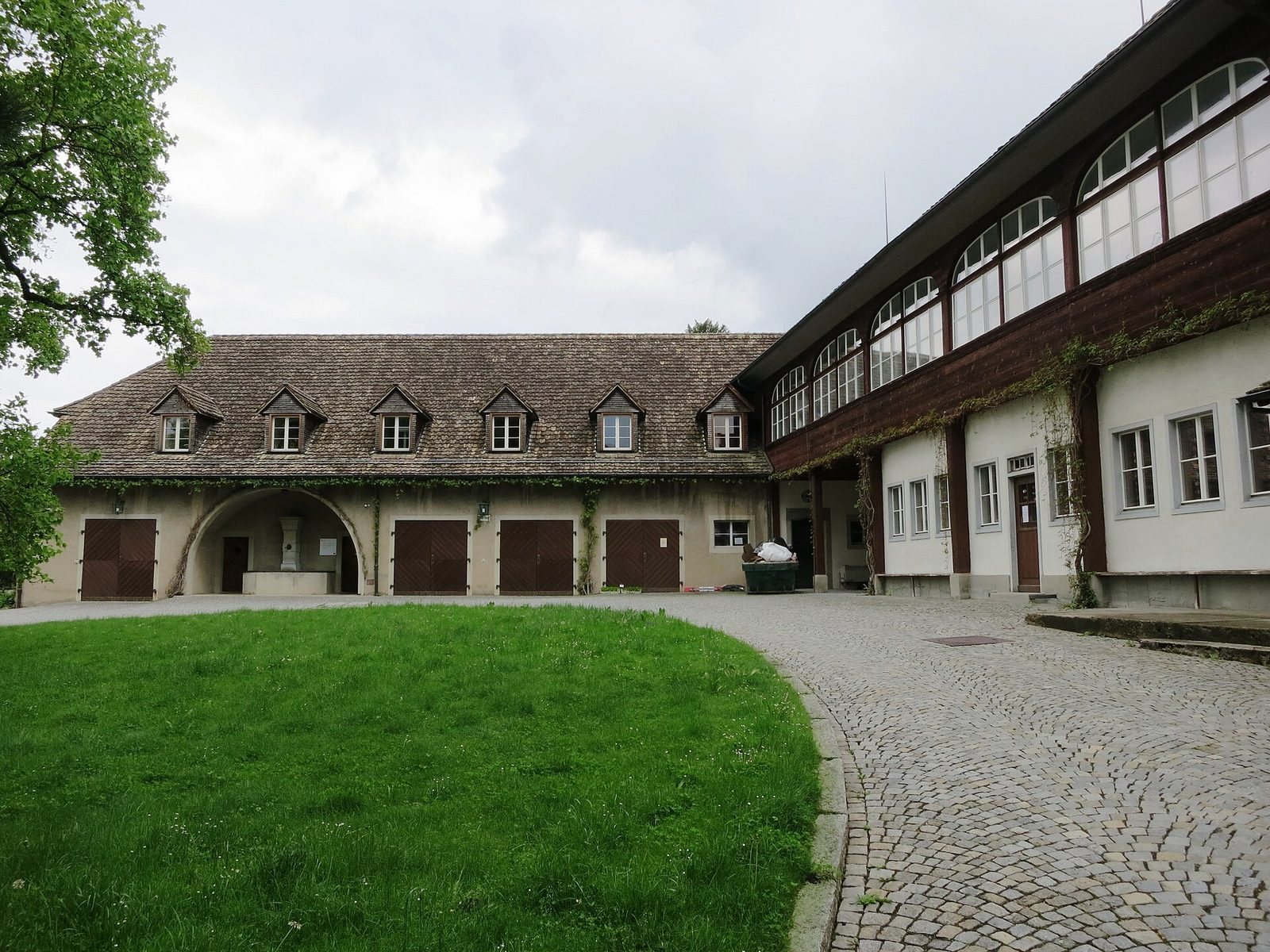
The present neoclassical castle occupies a hill within Wädenswil. Its park extends down the slope, where the arboretum forms part of the grounds.
Arboretum
The arboretum is a collection of trees and shrubs maintained for study or display. Its woody-plant garden covers 10,000 square metres, and its oldest trees date from 1836. By 1895, the collection included more than 500 species of woody plants.