Schulzendorf Manor House: A Neo-Renaissance Residence in Germany
Site at a Glance
- Popularity
- Medium
- Country
- Germany
- Primary era
- Modern
- Eras represented
- Early Modern, Modern
- Civilizations
- German, Holy Roman Empire
- Site type
- Domestic
- Remains
- Manor House
On this page4 sections
History
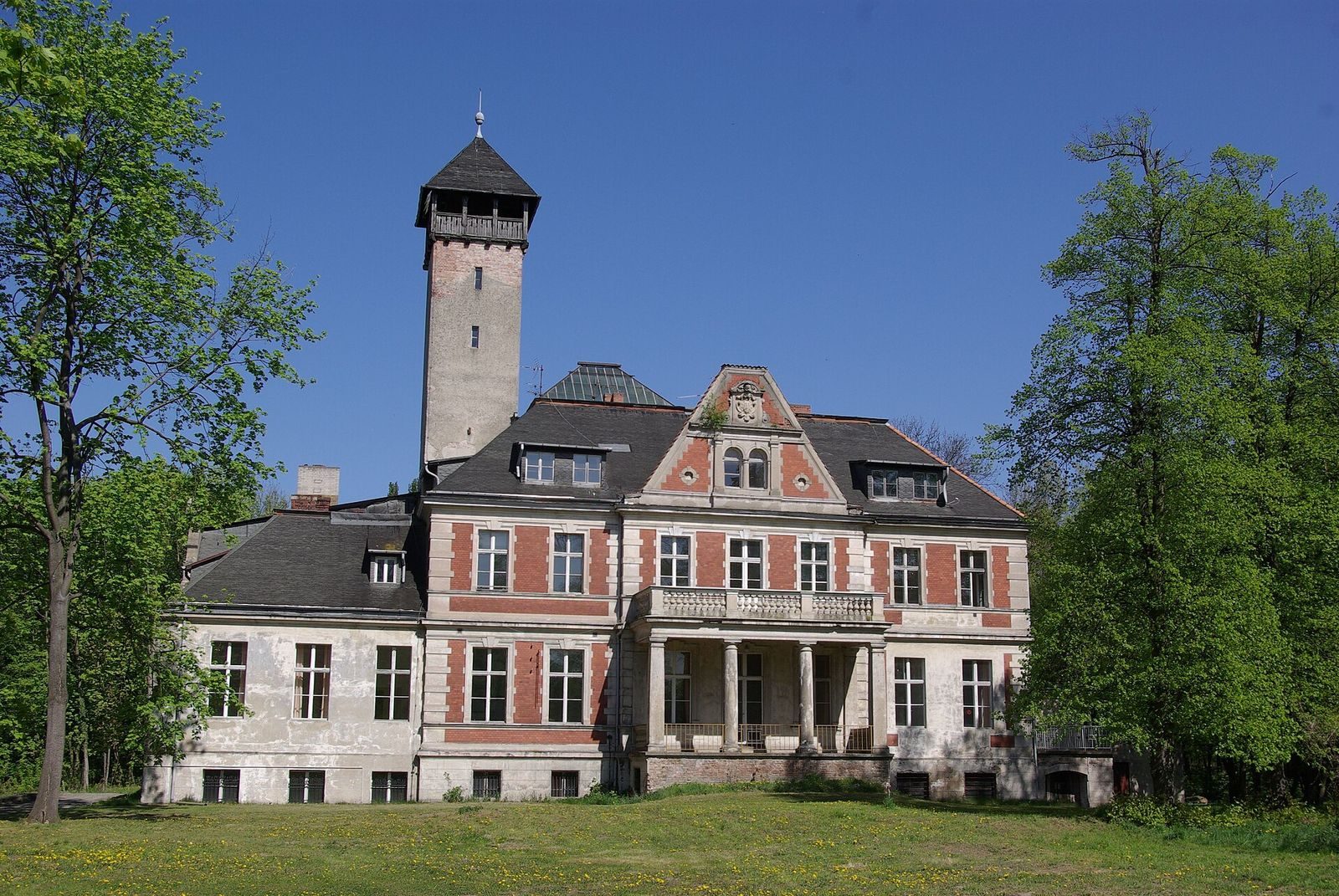
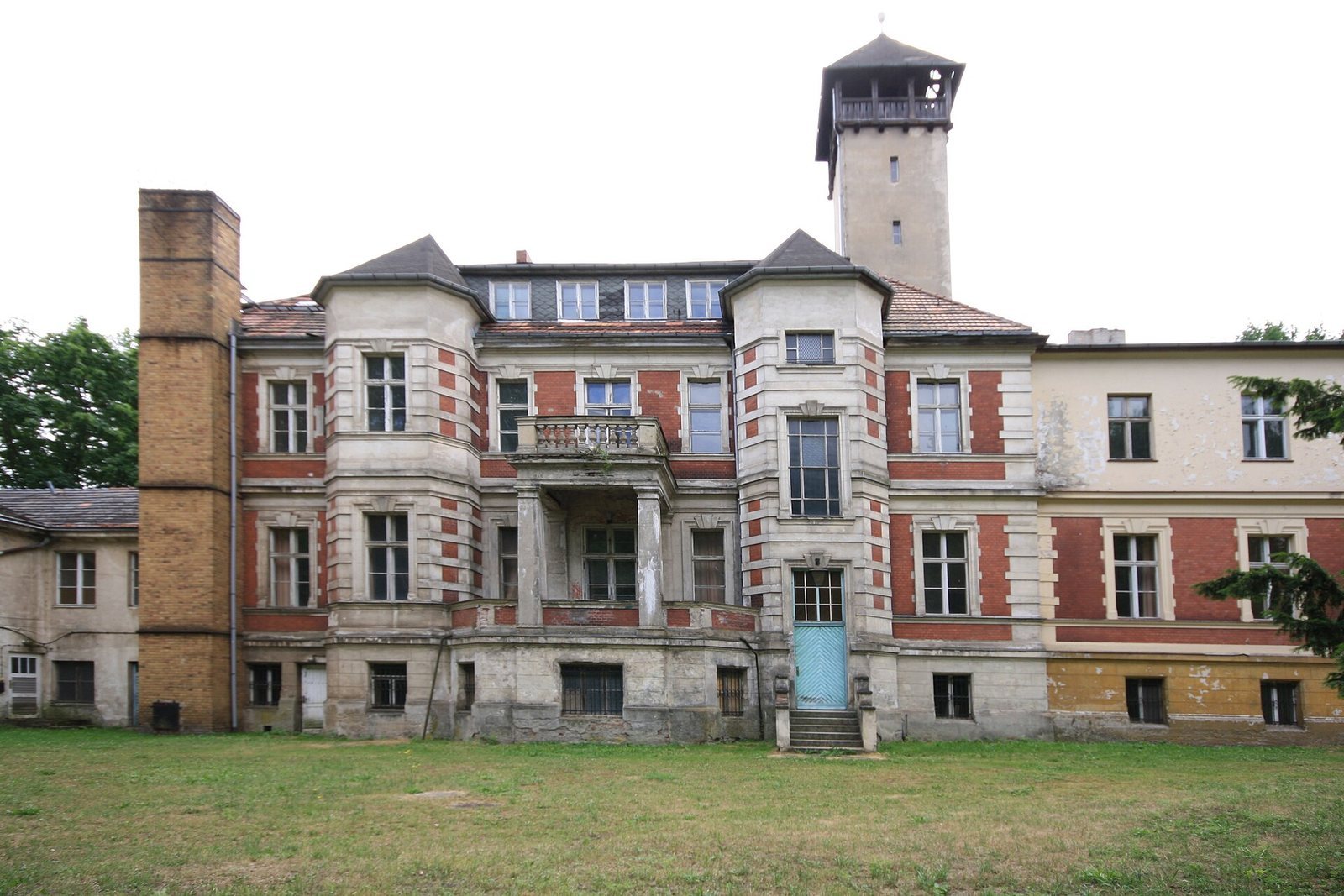
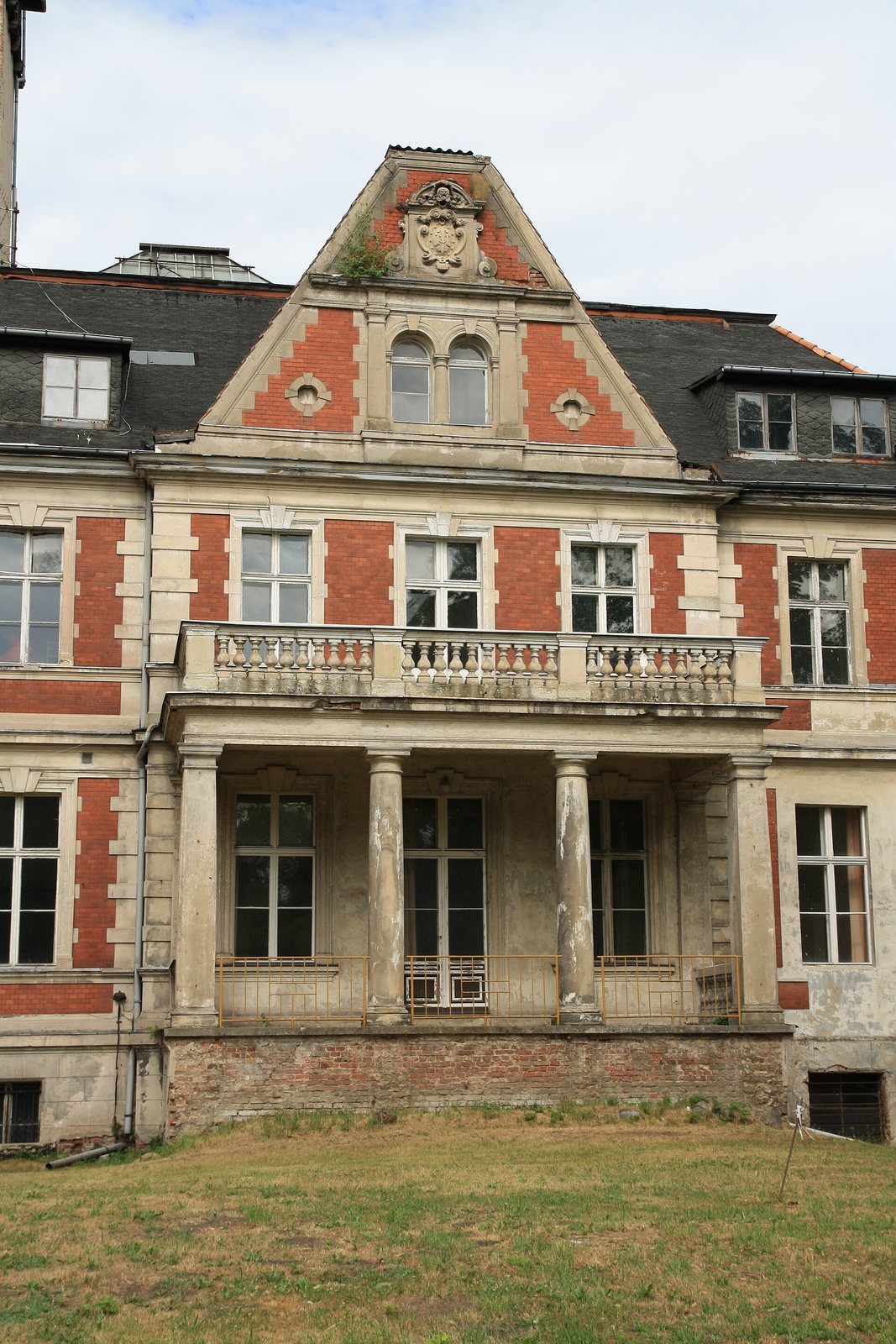
Schulzendorf Manor House, also known as Schloss Schulzendorf, is a neo-Renaissance residence in central Schulzendorf, Brandenburg, Germany. Moritz Israel built the present house in 1889 as a wedding gift for his son Richard and Richard’s bride, Bianca Cohn.
The earlier estate and the Israel family
An earlier castle stood on the site from the seventeenth or eighteenth century and belonged to David Gottlob von Gersdorf. Ownership later passed to Frederick William I, king of Prussia in the early eighteenth century, then to Eberhard von der Recke, civil governor of Saxony, and subsequently to Meyer Jacobson.
In 1889, Moritz Israel, a Jewish businessman and heir to the Nathan Israel Department Store, bought the estate after selling his shares in the store to his brother. For three decades, Richard and Bianca Israel supported improvements in Schulzendorf, including access to clean drinking water, schools, and the installation of electrical lines.
Nazi persecution and postwar use
During the early years of Nazi rule, much of the Israel family left Germany. In 1939, Richard was dispossessed of the house. He and Bianca were taken to Theresienstadt, a Nazi ghetto and concentration camp, where Richard died in 1943. Bianca survived the war and later lived in Hanover for about twenty years.
After 1945, the house served in East Germany as a resettlement home and as a place for instruction in mechanical workshops. Following German reunification, the government reclaimed the property in 1993 and returned it to descendants of the Israel family.
Remains
The manor house is in the neo-Renaissance style, which revives forms and decoration associated with Renaissance buildings. Its prominent central tower is a defining feature, and the property also includes a greenhouse with a glass roof, described as a winter garden. The property has not been maintained since it was returned to the Israel family’s descendants.