Schloss Sallgast: A Water Castle and Municipal Seat in Germany


Site at a Glance
- Rating
- 4.4
- Popularity
- Very Low
- Country
- Germany
- Primary era
- Early Modern
- External website
- Open
- Eras represented
- Medieval, Early Modern
- Civilizations
- Holy Roman Empire
- Site type
- Domestic
- Remains
- Castle
On this page6 sections
History
Medieval origins and wartime damage
Schloss Sallgast is a historic castle in Germany, established as a water castle in the twelfth century. A water castle is a fortified residence protected by surrounding water, such as a moat or wetland. During the Thirty Years’ War, the major European conflict fought from 1618 to 1648 across the Holy Roman Empire and neighboring regions, Swedish troops besieged and damaged the castle without capturing it. In 1633, Swedish forces almost completely destroyed the village.
Reconstruction and estate ownership
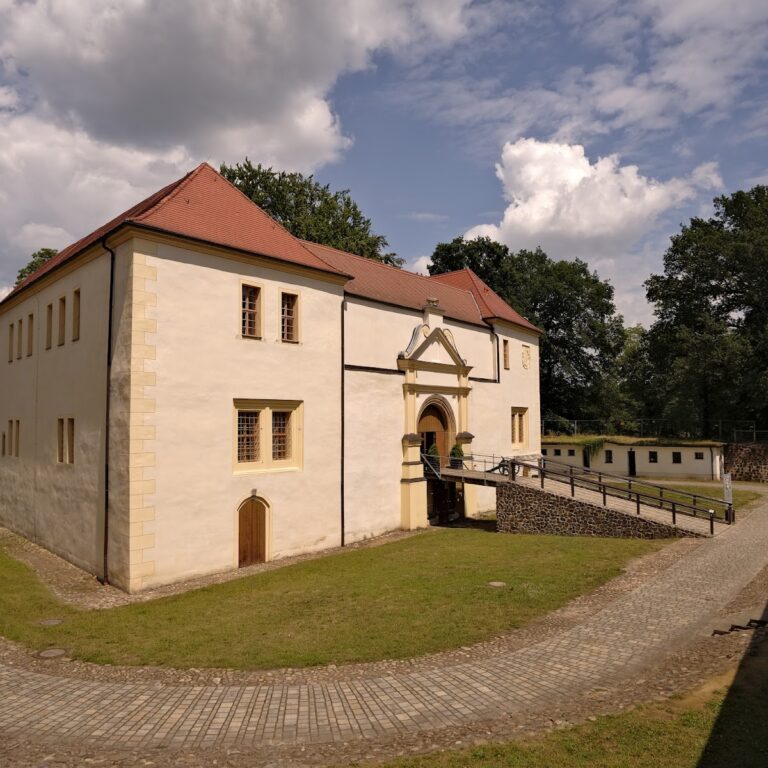
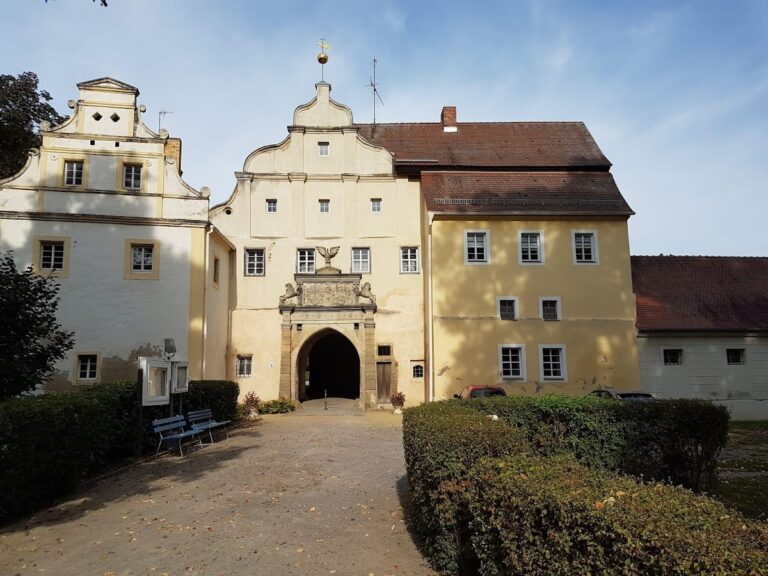
The von Rohr family owned the castle from 1652 to 1714. From 1744 to 1775, it belonged to the Prussian royal commercial councillor von Jampert, a senior economic and administrative adviser in the Kingdom of Prussia. He reconstructed the property as a four-winged castle, creating the form that largely defines the complex today.
The estate later passed through many hands. Politician Robert Fedor von Loebenstein-Lohsa laid out the extensive castle park around 1880 and enlarged it in 1911. The Berlin banker Max Abel used the castle as a summer residence from 1911 to 1914 and commissioned a restoration in 1911 and 1912 under plans by Bodo Ebhardt, a German architect and architectural historian known for studying and restoring historic castles. The property subsequently became the residence of another banker, Johannes Schwartz.
Twentieth-century changes and municipal use
Loebenstein sold the associated manor estate before 1929. It later belonged, among others, to Deutsche Bergbaugesellschaft mbH of Berlin, which appointed a local director and administrator. Land-reform measures followed in 1945, and the property was nationalized in 1946. From 1939, the castle served as a convalescent home, an institution providing accommodation and care for people recovering from illness or injury.
In 1989, an expansion plan for a neighboring open-cast lignite mine threatened Sallgast and the castle with demolition. After German reunification in 1990, the plans were abandoned. The municipality acquired the castle in 1993 and adapted it for hotel use in 1996, including a restaurant and a small local museum area. Schloss Sallgast is now used by the municipal administration. A fire in the roof structure on 11 September 2008 was extinguished before causing further recorded damage.
Remains
Castle and park
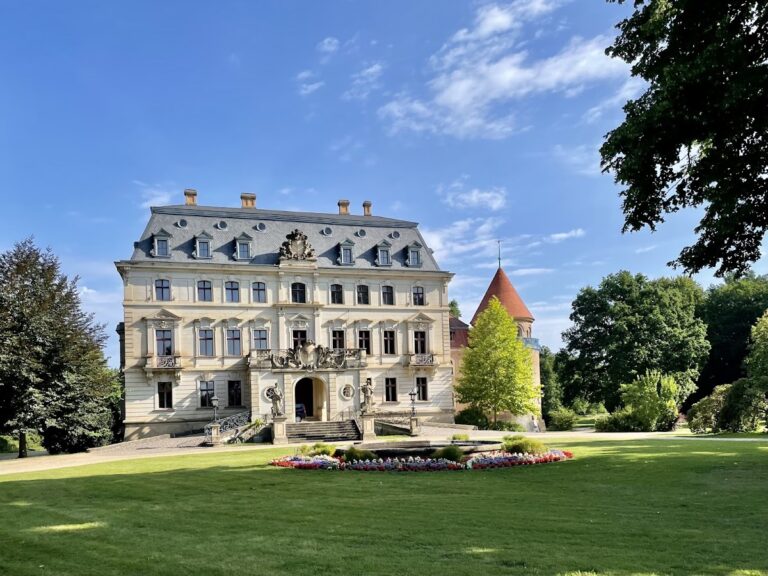
Schloss Sallgast stands in the village of Sallgast, approximately 13 kilometers southeast of Finsterwalde in Brandenburg. The present complex occupies the site of the twelfth-century water castle and consists of four building wings or bodies. Its surviving arrangement largely reflects the reconstruction undertaken in the eighteenth century, while the restoration of 1911 and 1912 contributed to its later appearance.
The associated castle park was laid out between 1878 and 1880 in the English style and enlarged in 1911. It forms part of the surviving complex and remains publicly accessible.