Castle of Caccuri: A Byzantine Fortress and Feudal Residence in Italy


Site at a Glance
- Rating
- 4.4
- Popularity
- Very Low
- Country
- Italy
- Primary era
- Medieval
- Eras represented
- Medieval, Early Modern, Modern
- Civilizations
- Byzantine, Italian, Kingdom of Naples
- Site type
- Military
- Remains
- Castle
On this page8 sections
History
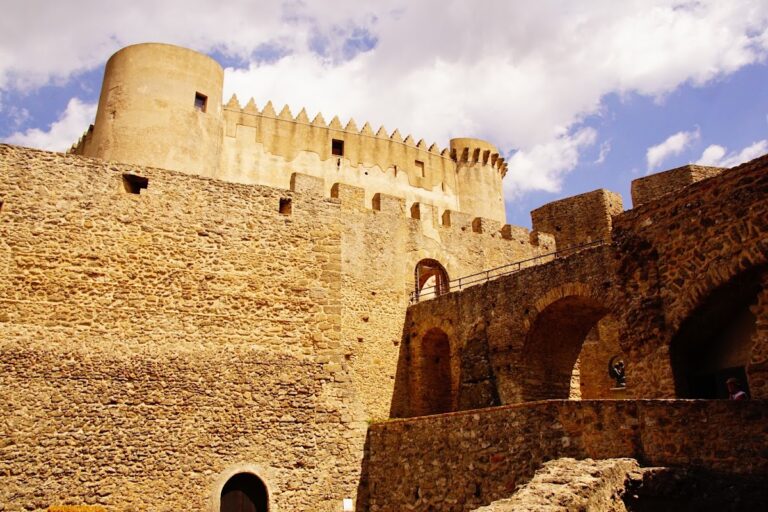
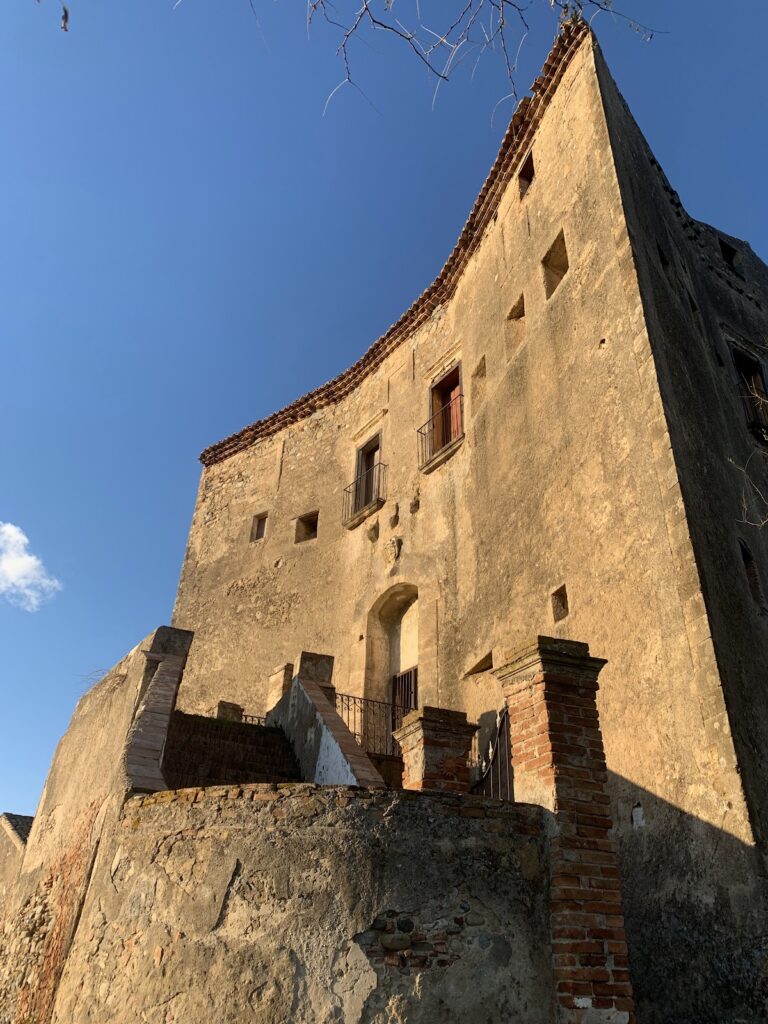
The Castle of Caccuri is a medieval spur castle in Caccuri, Italy, erected in the sixth century by the Byzantines, the eastern Roman imperial state whose territories in southern Italy included Calabria. Built as a small military fortress controlling Byzantine possessions in the Neto Valley, it was repeatedly modified by successive feudal lords and later became the residence of several noble families.
Byzantine foundation and early feudal lords
The castle began as a Byzantine military outpost during the early medieval period. Its position on a rocky spur allowed it to control the surrounding valley, while later alterations changed the fortress according to the needs of its successive occupants.
Among the earliest feudal lords associated with Caccuri were Enrico and Matteo De Riso of Messina. Their heirs transferred the fief to the Ruffo counts of Montalto, whose ownership brought the castle wider recognition within the Kingdom of Naples.
The Ruffo and Sforza connection
The Ruffo family’s history at Caccuri became connected with the rise of Francesco Sforza, an Italian military commander who later became Duke of Milan. Polissena Ruffo, the widow of the French knight Giacomo de Mailly, was married by royal arrangement to the seventeen-year-old Francesco. Their daughter was Antonia. Polissena and Antonia were later murdered, possibly on the orders of Polissena’s aunt Novella.
Francesco Sforza lost his rights to the Ruffo fief, but he found important collaborators at Caccuri among the Simonetta family, especially Cicco Simonetta. Cicco became Sforza’s regent after his death and was later murdered at Pavia by Ludovico il Moro, a later Duke of Milan.
Cavalcanti and Barracco ownership
After the Cimino family, the dukes Cavalcanti, Barons of Gazzella, acquired the fief in 1651. Antonio Cavalcanti was responsible for much of the castle’s surviving appearance, and his descendants maintained a permanent residence there for two centuries.
In the nineteenth century, the castle belonged to the Barracco barons. Guglielmo Barracco established his residence at Caccuri and commissioned the architect Adolfo Mastrigli to build a tower on the castle’s ravelin in 1882. A ravelin is a detached defensive work positioned outside a fortress’s main walls. The resulting Mastrigli Tower became the symbol of Caccuri’s municipal coat of arms and an identifying landmark for the village.
Remains
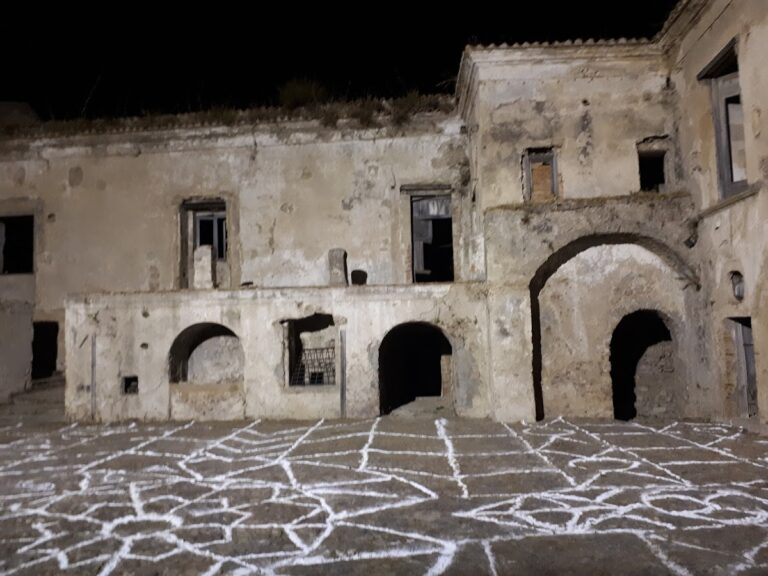
The castle occupies a medieval spur at approximately 613 metres above sea level in Caccuri, Calabria. Its walls are built of rubble stone, and the complex is in good condition. Repeated alterations reflect the interventions of the feudal families who occupied the fortress and used it as a residence.
Chapel and defensive works
Cappella Gentilizia
The palace’s family chapel, known as the Cappella Gentilizia, was built during the Cavalcanti period. Its construction took place in parallel with the Chapel of San Domenico at the Abbey of Santa Maria del Soccorso elsewhere in Caccuri. Both chapels were enriched with art treasures celebrating the Cavalcanti family.
Mastrigli Tower
The Mastrigli Tower stands on the castle’s ravelin. Built in 1882 by Adolfo Mastrigli for Guglielmo Barracco, it forms part of the castle’s later appearance and remains closely identified with Caccuri through its use on the municipal coat of arms.
Nearby sites