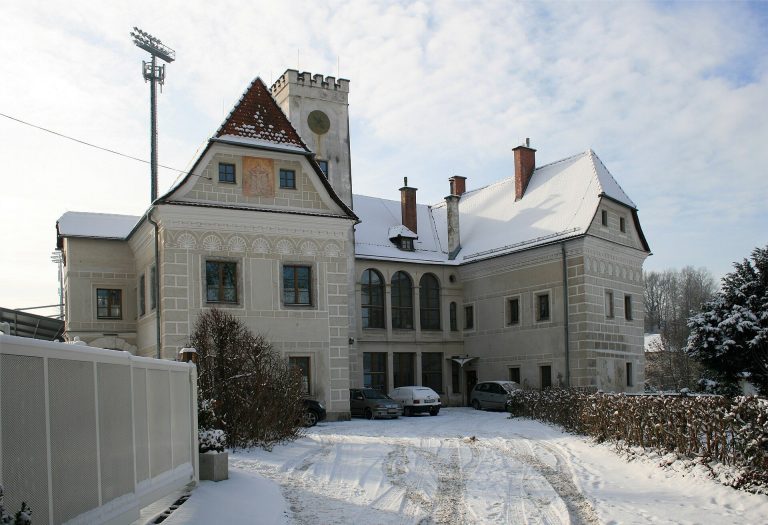
Rohrbach Castle: A Noble Estate in Weistrach, Austria
Site at a Glance
- Rating
- 4.5
- Popularity
- Very Low
- Country
- Austria
- Primary era
- Early Modern
- Eras represented
- Medieval, Early Modern
- Civilizations
- Habsburg, Holy Roman Empire, Hungarian
- Site type
- Domestic
- Remains
- Castle
On this page5 sections
History
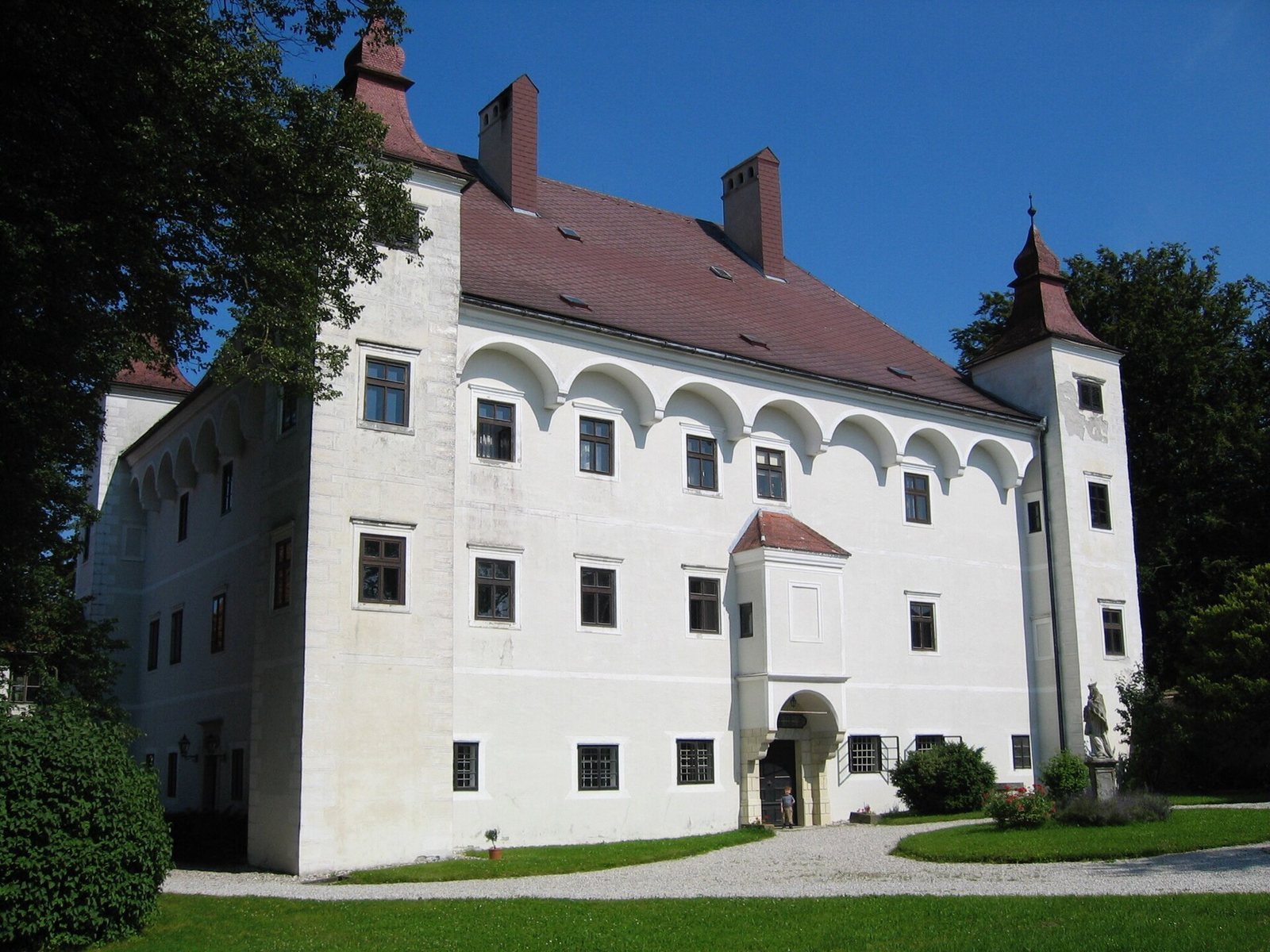
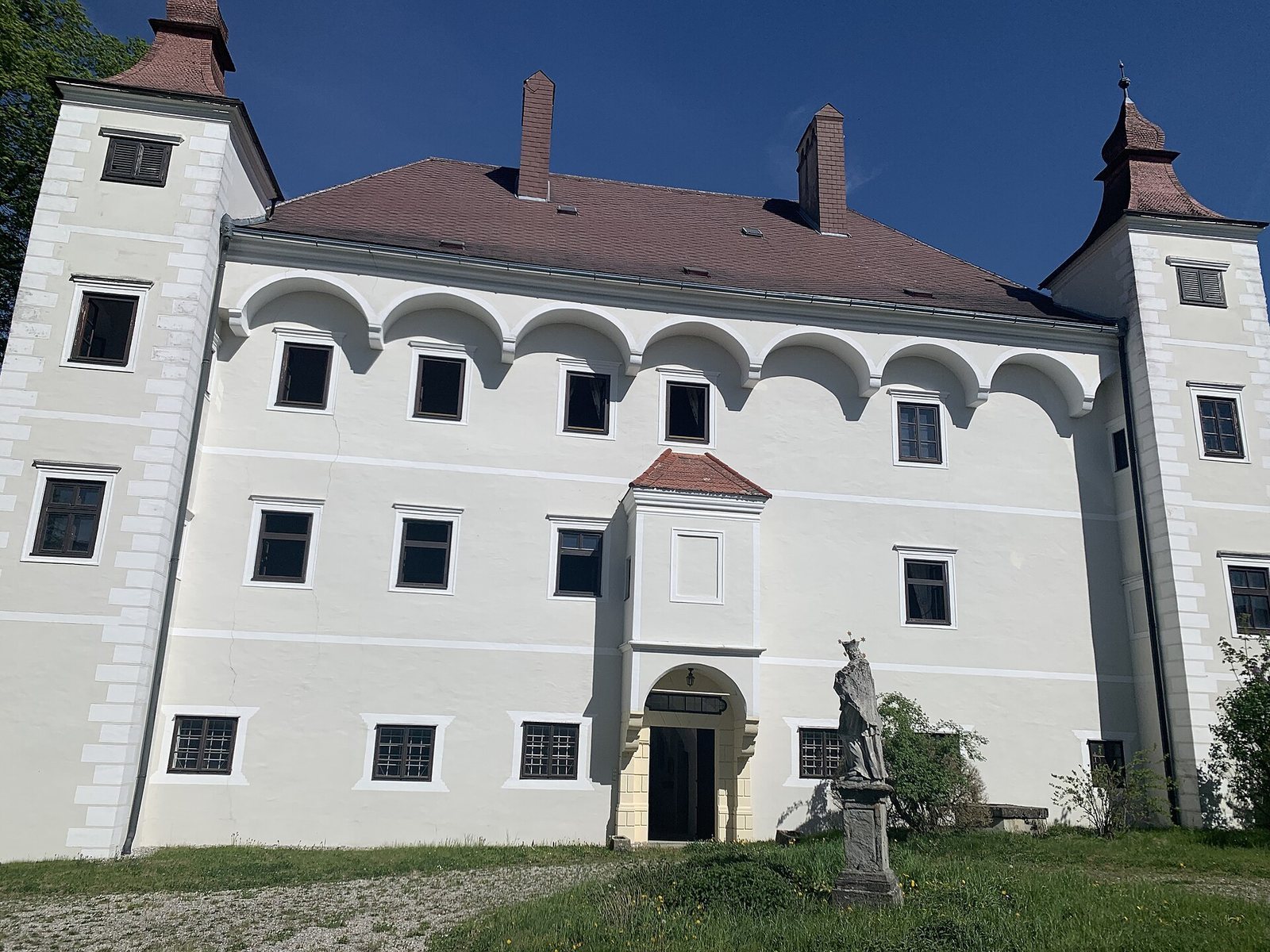
Rohrbach Castle stands in Weistrach, Austria, and its present appearance chiefly reflects the 16th and 17th centuries. The fortress arose on land that had belonged to the Prince-Bishopric of Bamberg, an ecclesiastical territory in the Holy Roman Empire. The knightly family of Rohrbach first appears in a 1370 record concerning an endowment for a Mass. Its members served the Habsburgs, the European dynasty that ruled Austria, and the Lords of Walsee, a prominent Austrian noble family.
Medieval Lords and Hungarian Occupation
In 1486, Hungarian forces under King Matthias Corvinus captured Rohrbach and strengthened its fortifications. Corvinus ruled Hungary from 1458 to 1490. Austrian forces recovered the fortress after his death in 1490. In 1487, Wolfgang von Rohrbach built the small castle of Klingenbrunn at Haag as part of the Rohrbach estate. It was demolished in 1848.
Changes in Ownership
The Rohrbach family ended with Hans Adam in the mid-17th century. His widow, Anna Margarethe, Baroness von Puchheim, married Wolf Helmhardt von Hohberg (1612–1688), a Protestant from Silesia who was a farmer, agriculturalist, and poet. Hohberg entered the Lower Austrian estate of lords, one of the region’s historic political estates, in 1659. He then bought the Rohrbach estate and Klingenbrunn from his stepdaughters.
Religious pressure led Hohberg to leave for Regensburg in 1664. He sold his properties to Matthäus Riss, Knight of Risenfels (1606–1668), a Catholic merchant from Tyrol who was based in Steyr. In 1686, Holy Roman Emperor Leopold I raised Riss’s sons Franz (1636–1700) and Johann Baptist (1638–1699) to hereditary baronial rank. Rohrbach and Klingenbrunn passed through Franz’s descendants.
The Risenfels Family and Later Ownership
When Philipp von Risenfels died on 13 January 1932, the family’s male line came to an end. His daughters Elisabeth (1896–1979) and Johanna (1905–1980) inherited the property. Elisabeth sold her share to Johanna in 1954. In 1972, Johanna transferred the castle to her great-nephew Marius Mautner Markhof (1928–2005), an Austrian entrepreneur, and continued living at Rohrbach until her death. Mautner Markhof’s family still lives at the castle and manages it.
Remains
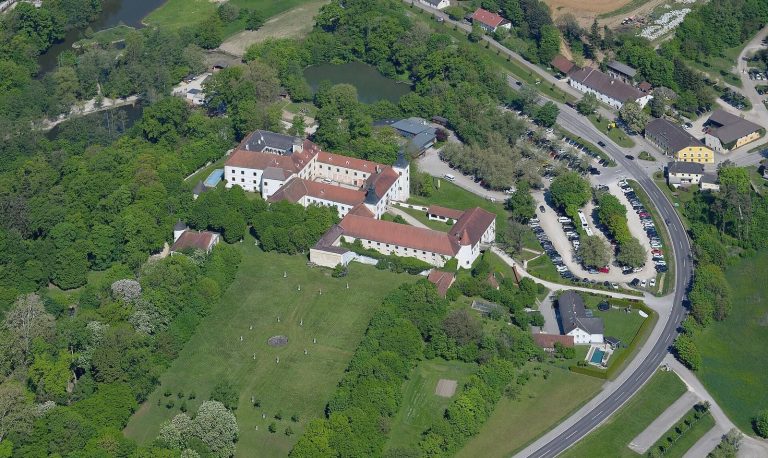
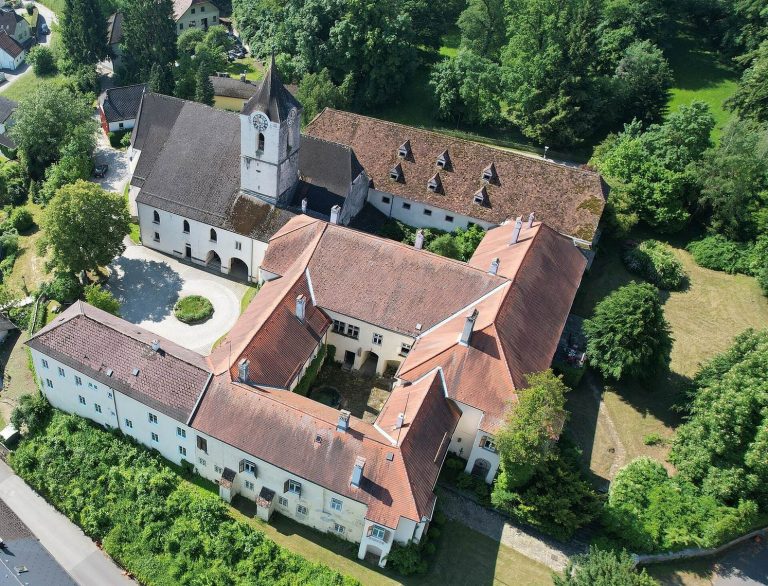
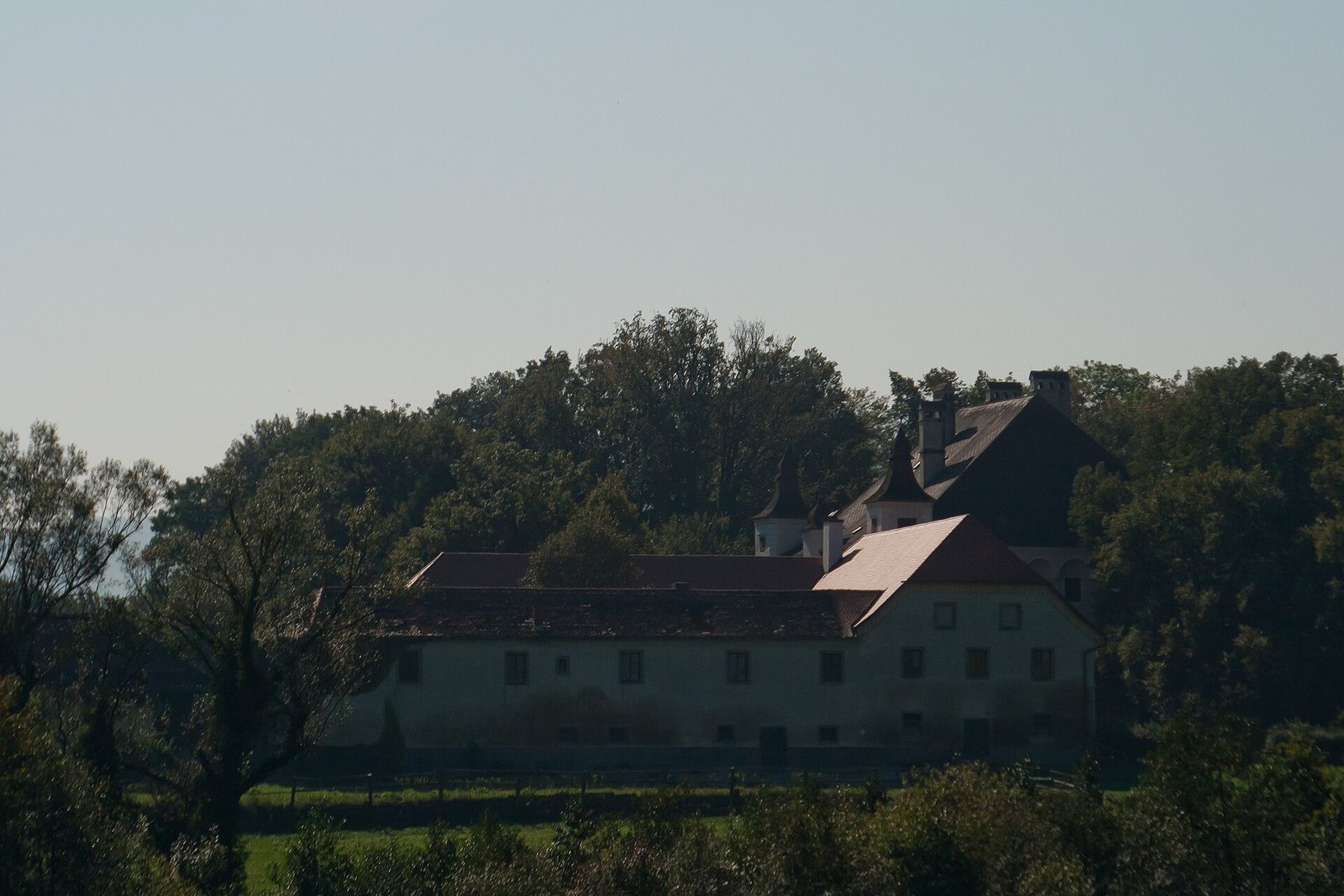
The renovated castle stands northwest of Weistrach’s center, just outside it, beside the federal road toward Haag in Lower Austria. It remains in use.