Berchtold Castle: A Baroque Estate Residence in Vidovice, Czechia
Site at a Glance
- Rating
- 4.4
- Popularity
- High
- Country
- Czechia
- Primary era
- Modern
- External website
- Open
- Eras represented
- Modern
- Civilizations
- Austria-Hungary, Habsburg
- Site type
- Domestic
- Remains
- Castle
On this page8 sections
History
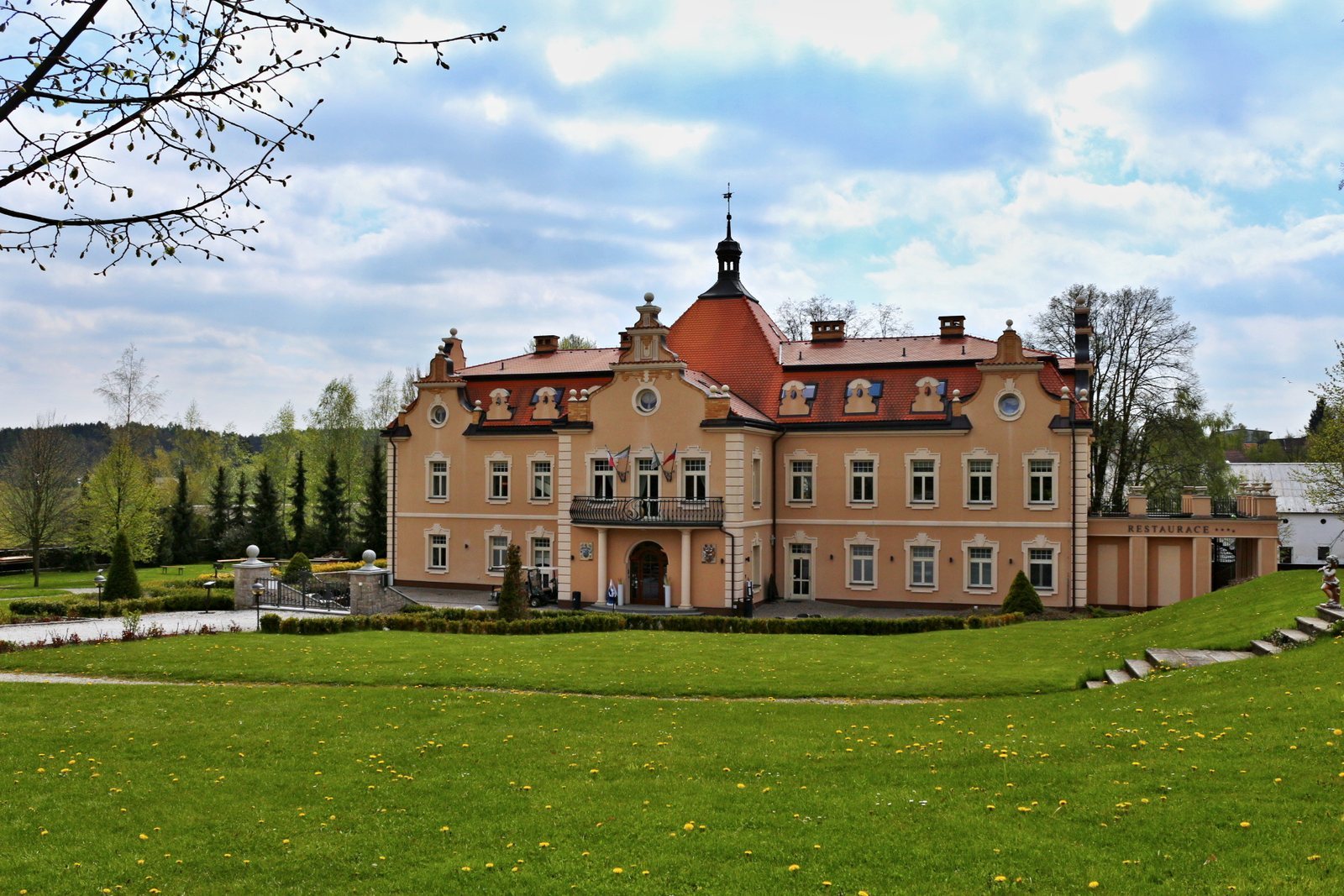
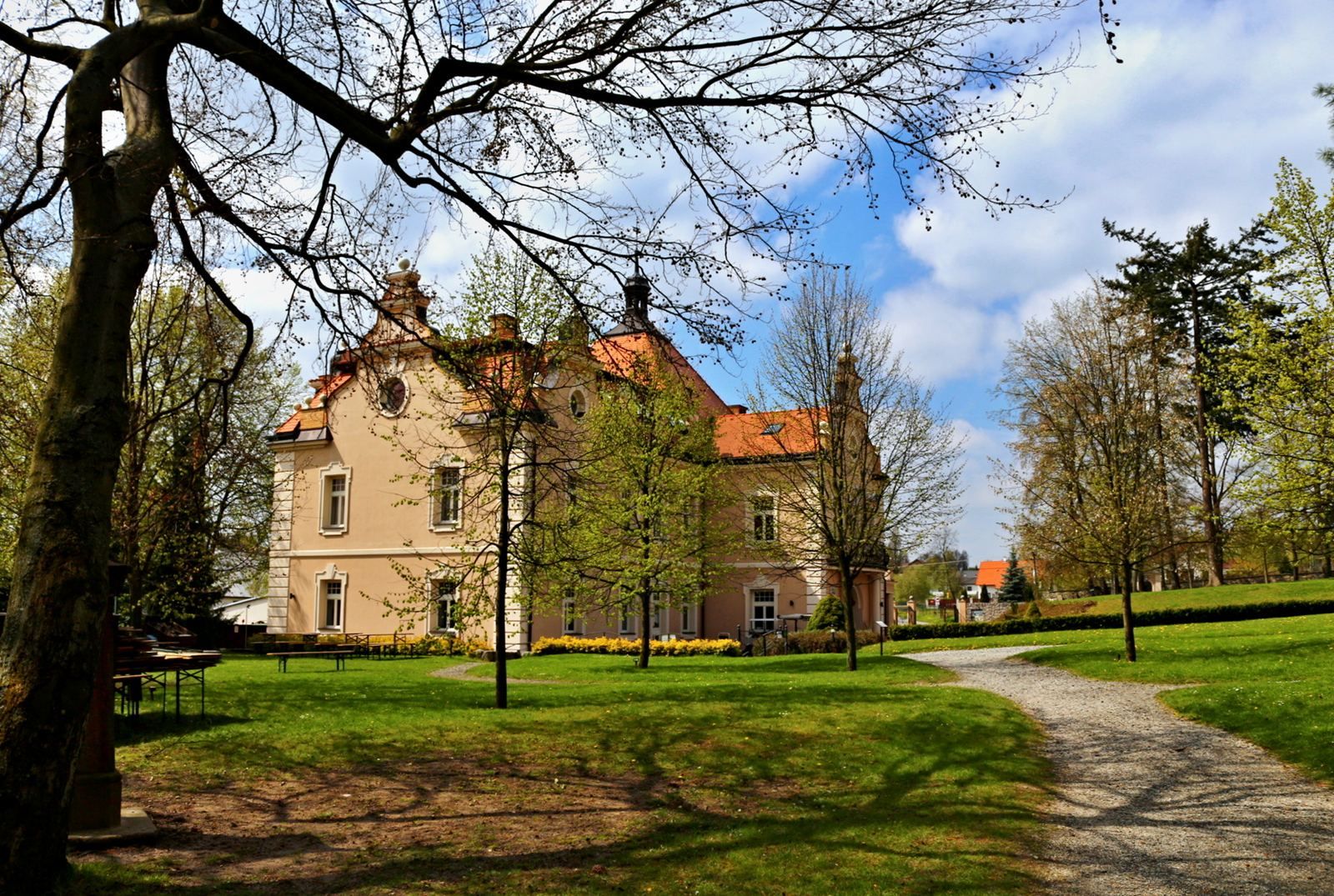
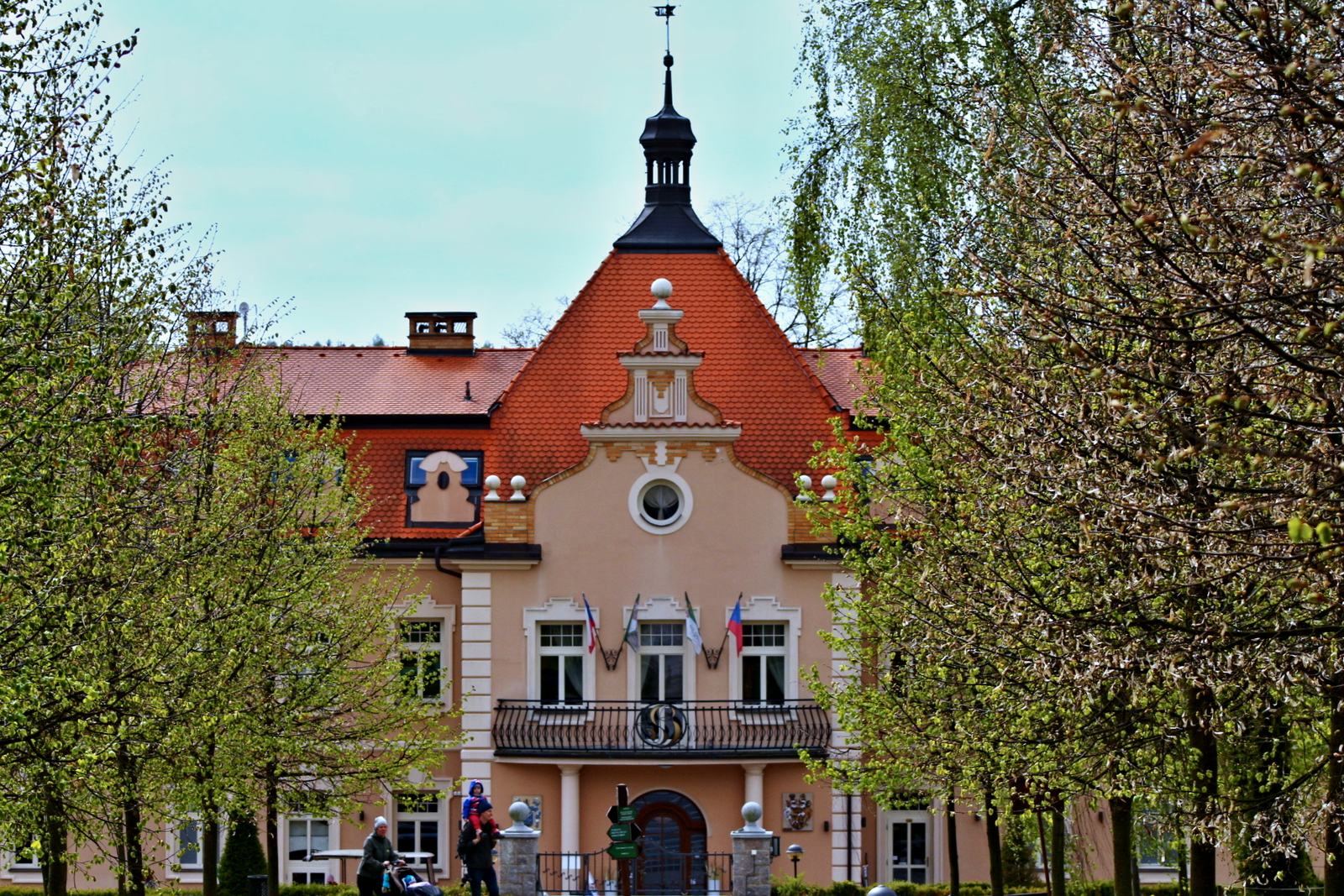
Berchtold Castle is a Baroque-style residence in Vidovice, part of Kunice in Czechia. Baroque is a European architectural style known for elaborate ornament. A manor house and estate at Vidovice are first mentioned in 1388.
Medieval manor and estate divisions
The estate belonged to a lesser-noble family known by the name of Vidovice. Vavřinec of Vidovice is the first owner named, and the property later passed to his sons Beneš, Jakub, and Jan. Bohuněk of Vidovice lived alongside them between 1412 and 1416. During Vavřinec’s time, other parts of the village belonged to Zdislav, the parish priest of Libeř.
The manor house probably disappeared in the second half of the fifteenth century, possibly amid events connected with the Hussite Revolution, an early-fifteenth-century religious and political upheaval in Bohemia associated with followers of reformer Jan Hus. Vidovice was subsequently divided for several centuries.
Estate and residence in the seventeenth to early twentieth centuries
In the seventeenth century, Vidovice and its manorial farm, a farm operated as part of an estate, belonged to the Velké Popovice estate. From 1808, the village was part of Chlum. A separate Vidovice estate entered the land register in 1877.
On 24 December 1877, Eleonora, daughter of Josef Brzorád of Chlum, married Rudolf Kainz. That year, the Vidovice estate and castle were separated from Chlum to form an independent property. The Kainz holding included a representative building, an estate with a brickworks, and land.
The Milner family bought the castle and estate in 1894 and carried out the most extensive building alterations in 1904. From 1906, the residence was described as a newly built castle with a park. Other owners included Václav Stařimský, Baron of Libštejn; Josef Václav Radecký z Radče, known as Joseph Radetzky, an Austrian field marshal (a senior military rank); the Brzorád family; Professor Blažek; and the Berchtold family of Uherčice, after whom the castle later took its name.
Twentieth-century use and reconstruction
The Kunice and surrounding-area village museum was established in 1935 through the efforts of former Kunice mayor Josef Oldřich and his son, Dr. František Oldřich. František, a physician and First World War participant, wrote a chronicle of Kunice that included stories about some of the museum’s exhibits.
From the second half of the twentieth century, the Czechoslovak Army, the armed forces of Czechoslovakia, used the castle for Prague’s air defence, meaning military protection against aircraft attack. After 1990, the complex passed to the municipality and was sold to a private company three years later.
New owners acquired the castle in 2005 and undertook a comprehensive reconstruction. A coat of arms attributed to Count Otokar Berchtold was found, and the castle was named Berchtold that year.
Remains
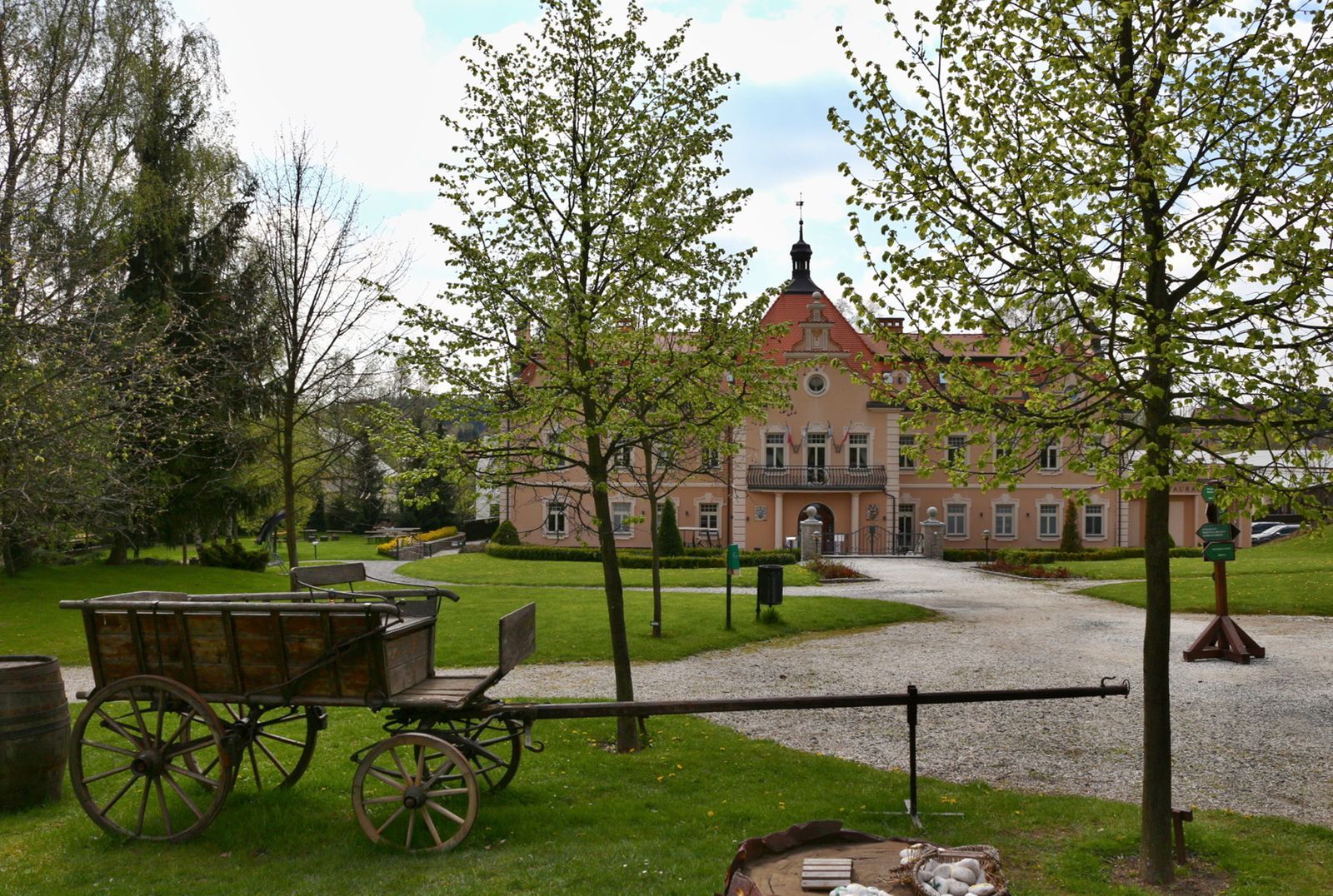
The complex includes the castle, several exhibition spaces, a park, and a sports center on the grounds. The village museum occupies the ground floor, while a wing of the castle extends toward the park.
Castle buildings and exhibitions
Residence and grounds
The present-day restaurant is on the castle’s ground floor, where the date 1904 is recorded. The later reconstruction added a wing toward the park and enlarged the park; a sports center was also built on the grounds.
Village museum and collections
The ground-floor museum exhibition focuses on the history of Kunice and the surrounding area. Its original arrangement has been preserved as a representation of the local villages at the time of the museum’s founding. The displays include archaeological finds, work by local craftspeople, objects associated with guilds, glassware, weapons, hunting trophies, minerals, musical instruments, and sharks.
The collection also includes coins dating to 1012, paper currency from 1880 to 1945, and First World War material, including bullets removed from soldiers’ bodies. Old photographs of local villages and caricatures of the castle’s patron, Antonín Panenka, are also displayed. Panenka is a Czech former footballer associated with a distinctive penalty-kick technique. The postage-stamp collection numbers hundreds of Czech issues, including one described as the world’s most beautiful for 2010, alongside stamps from Monaco and the Vatican.