Pux Castle: A Castle and Chapel in Styria, Austria
Site at a Glance
- Rating
- 5
- Popularity
- Very Low
- Country
- Austria
- Primary era
- Modern
- Eras represented
- Medieval, Early Modern, Modern
- Civilizations
- Austria-Hungary, Duchy of Styria, Habsburg, Habsburg Austria, Holy Roman Empire
- Site type
- Domestic
- Remains
- Castle
On this page9 sections
History
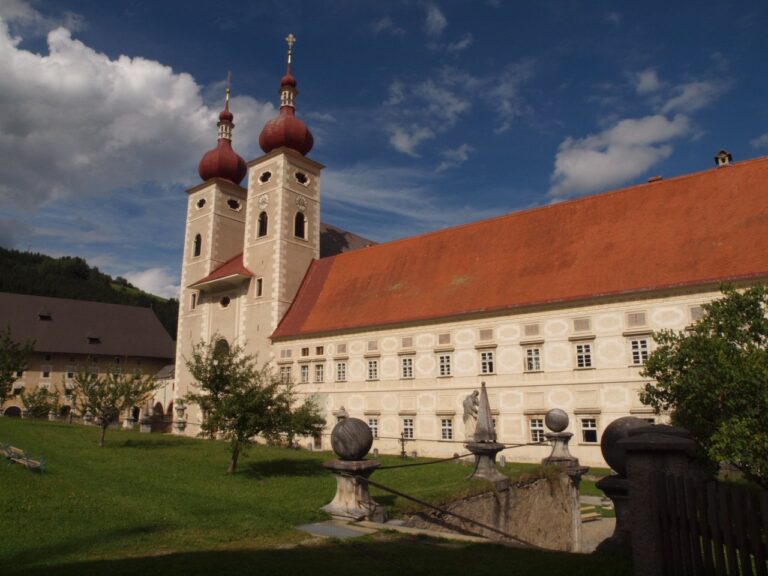
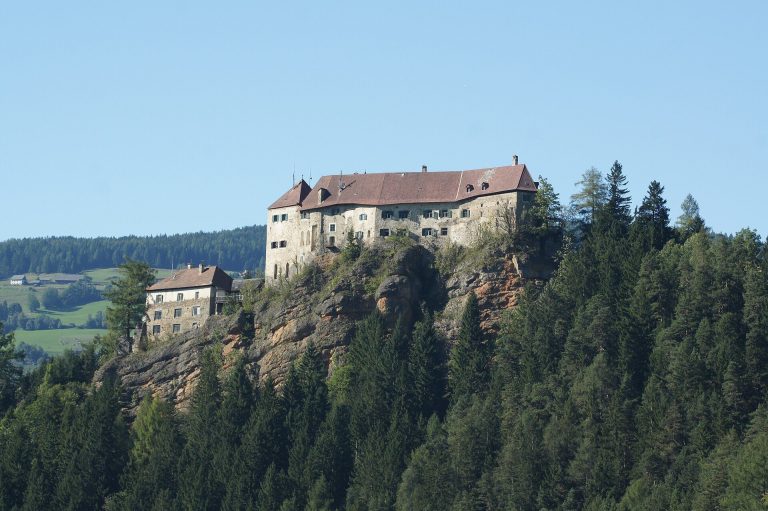
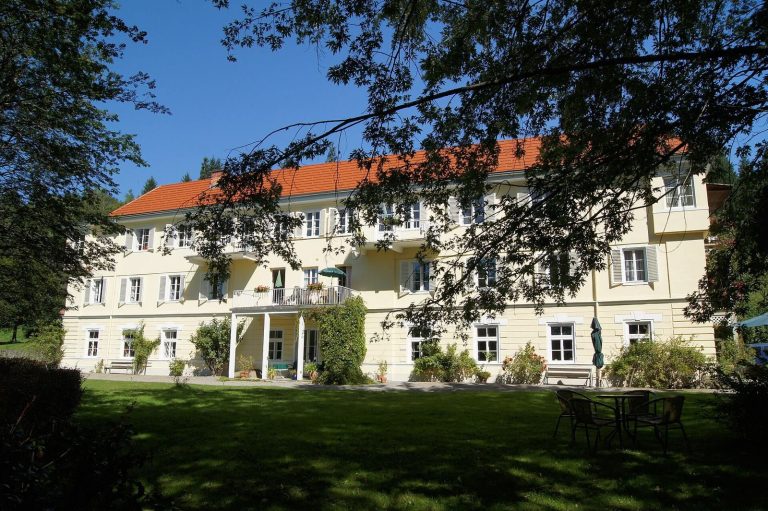
Pux Castle stands within the municipality of Teufenbach-Katsch in Styria, Austria. Its present building was erected in 1911 beside the chapel, continuing the site’s history after an earlier castle’s destruction.
The earlier castle and its successor
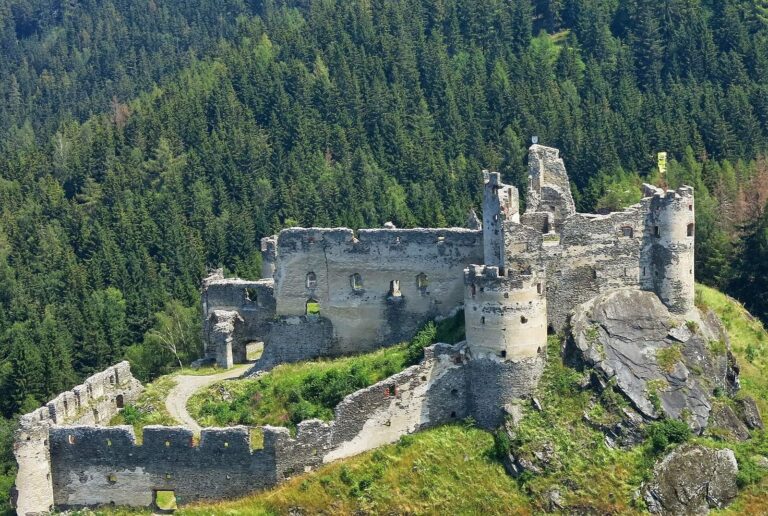
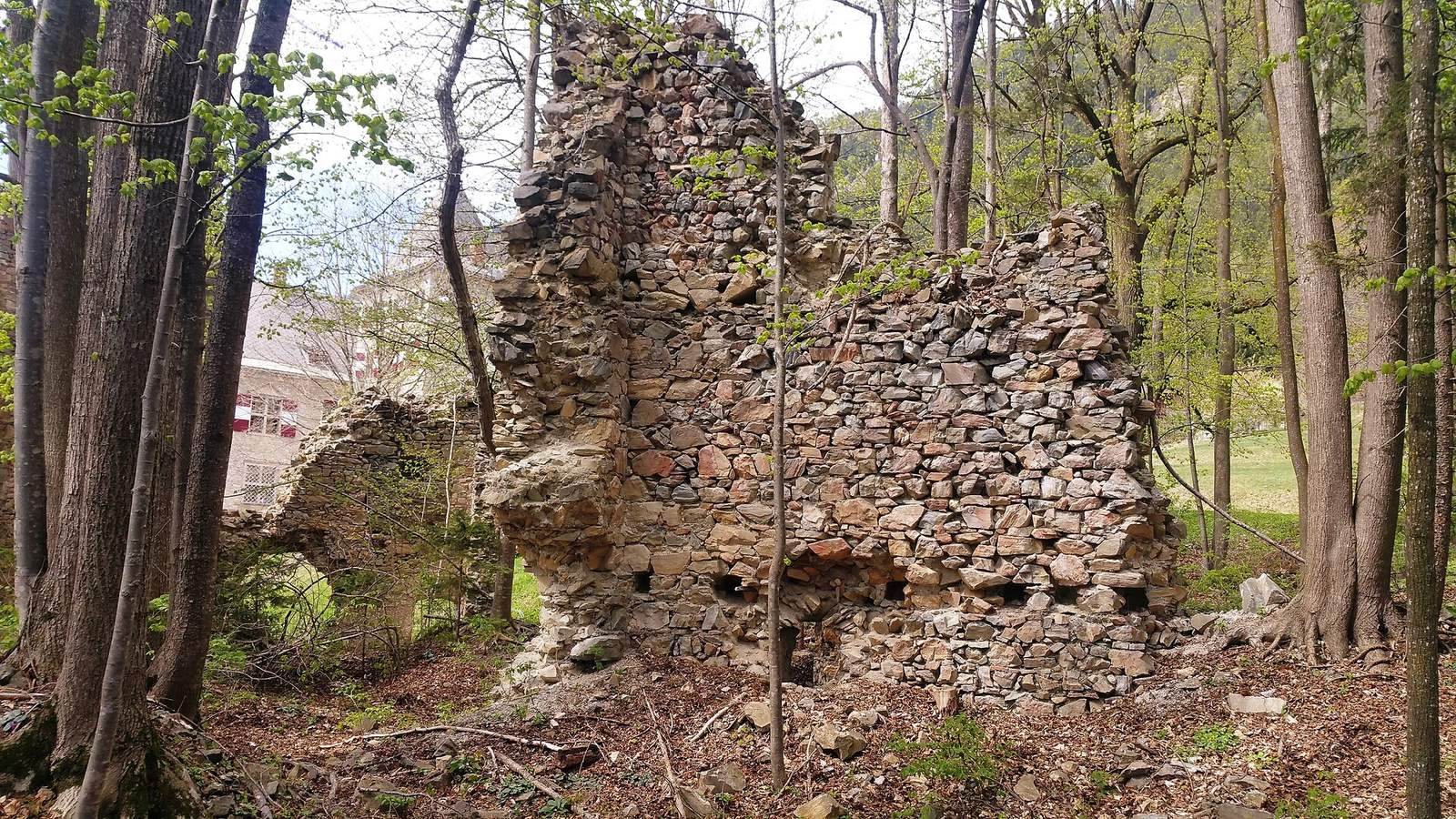
The earlier castle burned on Christmas night in 1779 and fell into ruin. Afterward, the noble Pranckh family built a manor house at the foot of Pux Mountain.
The chapel is Roman Catholic and dedicated to St Giles, a Christian saint. It belongs to the Murau deanery of the Diocese of Graz-Seckau.
The Pranckh family in the twentieth century
Hans von Pranckh lived at the castle from 1921 to 1945. A former lieutenant in the Bavarian Army, he led a district of the Styrian Heimatschutz, a regional organization associated with the Heimwehr, an Austrian paramilitary movement.
Georg Pranckh was born at the castle in 1926. He later became a politician with the Austrian People’s Party and a member of Austria’s National Council, the lower house of the national parliament.
Remains
The castle building was constructed from exposed rubble and dressed stone. To its south, a freestanding chapel stands in the former outer castle courtyard.
The chapel
Plan and architectural features
The chapel’s rectangular nave is in the late Romanesque style, a later phase of Romanesque architecture, and joins a recessed square choir. A sacristy, a room for clergy and church furnishings, extends north from the choir and bears the date 1594. At the eastern end of the nave is a Neo-Gothic roof turret, reflecting a revival of Gothic design.
The choir has a vaulted ceiling, while the nave has a wooden ceiling divided into recessed panels. A wooden gallery from the Renaissance, a European artistic period, occupies the western end of the nave.
Frescoes
Thirteenth-century frescoes decorate the choir and the pointed arch separating it from the nave. They show Christ within an almond-shaped halo, the symbols of the Evangelists, angels, and saints. The paintings were uncovered in 1912 and secured in 1957.
Altar and organ
The altar dates to 1676 and has a painted hanging at its front from around 1730. The organ, dated 1693, depicts the apostles Peter and Paul at the sides, with Cecilia, a Christian saint associated with music, and the biblical king David at the center.
Memorials
A memorial shield names Christoph von Pranckh and bears the date 1616. A tombstone commemorates Adam von Pranckh, who died in 1591. Its relief shows kneeling figures before the Resurrection of Christ, flanked by sculpted figures used as supports. The tombstone is probably the work of sculptor Philibert Pocabello.