Miel Palace: A Baroque Country Residence in Germany
Site at a Glance
- Rating
- 5
- Popularity
- Low
- Country
- Germany
- Primary era
- Early Modern
- Eras represented
- Early Modern
- Civilizations
- Electorate of Cologne, Holy Roman Empire
- Site type
- Domestic
- Remains
- Elite Residence
History
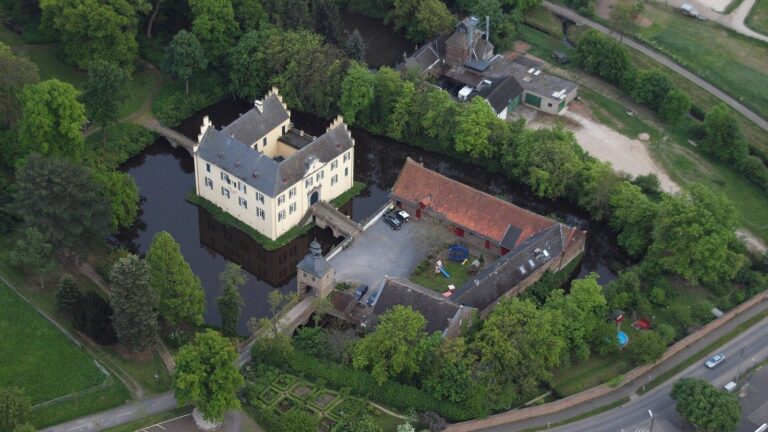
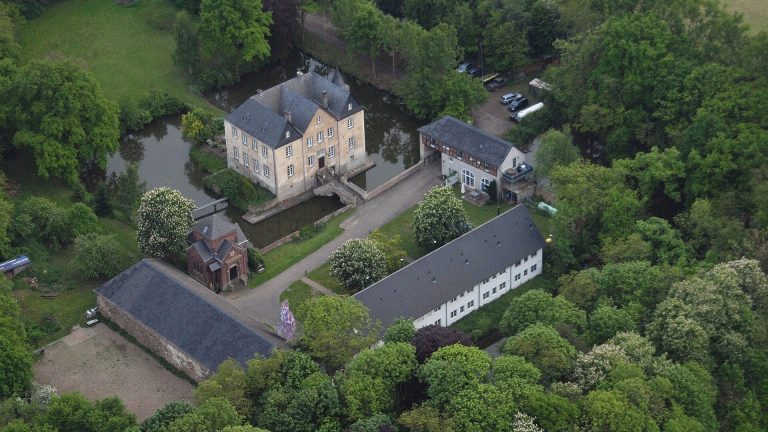
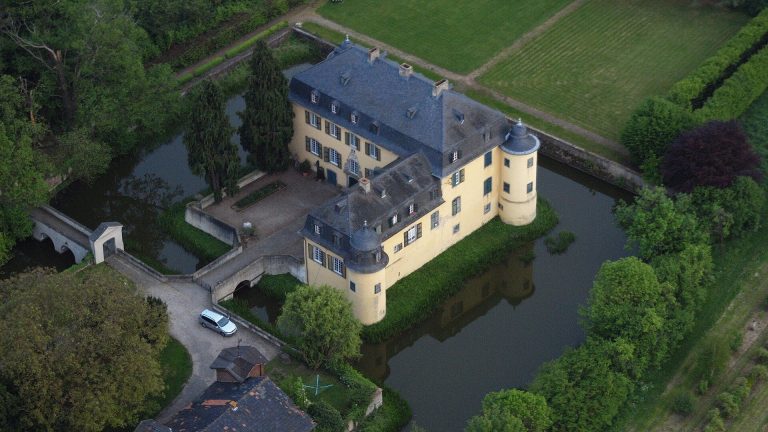
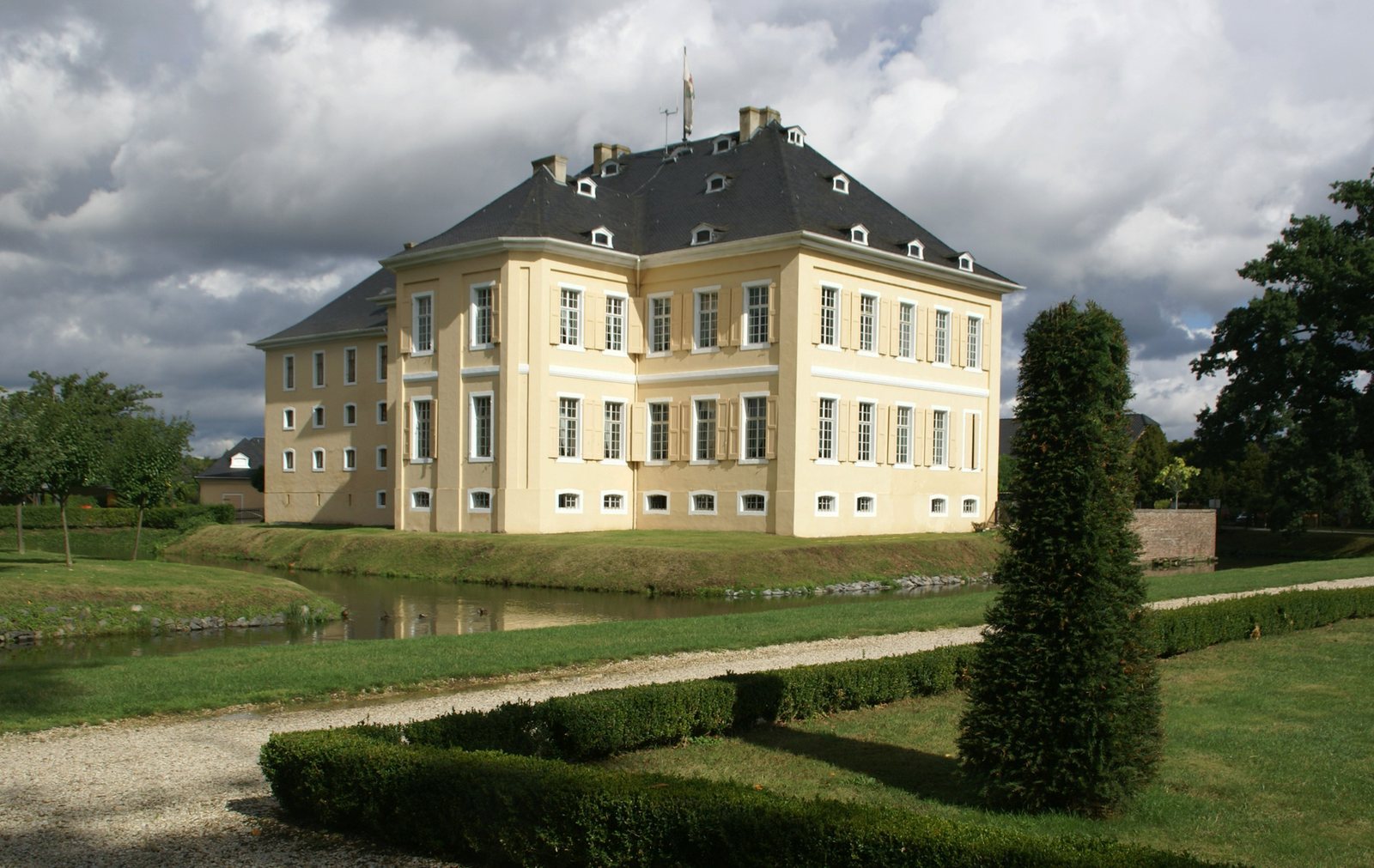
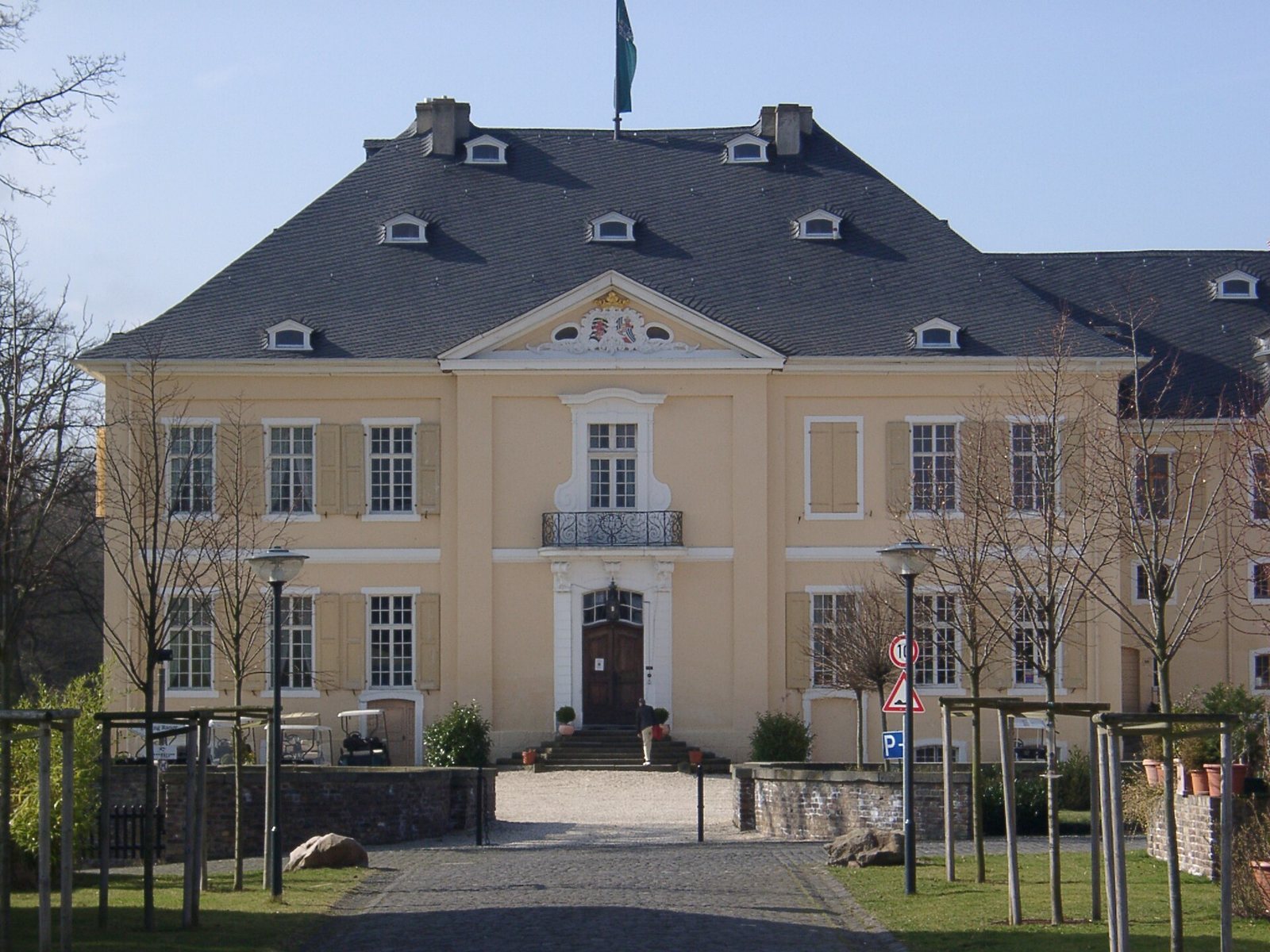
Miel Palace is a Baroque country residence in Miel, a district of Swisttal in North Rhine-Westphalia, Germany. Built from 1767 to 1772, it belongs to the Baroque, an influential European style of art and architecture in the seventeenth and eighteenth centuries. The palace was commissioned by Caspar Anton von Belderbusch as a personal retreat, replacing an earlier water castle owned by the Spies von Büllesheim family. Its architect was Johann Georg Leydel.
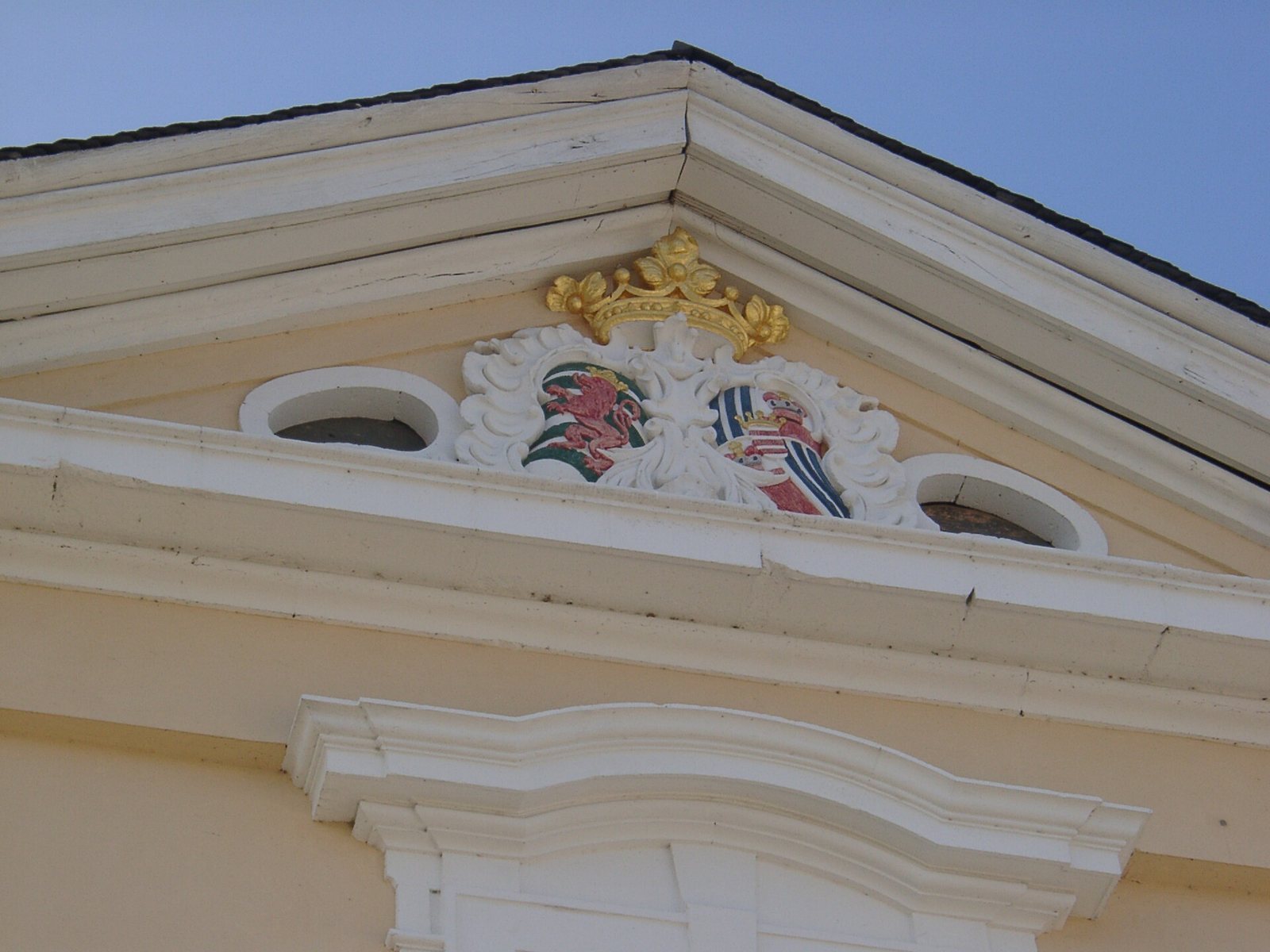
Belderbusch served as state minister in the Electorate of Cologne and effectively governed under Elector Max Friedrich, an ecclesiastical ruler and prince of the Holy Roman Empire. He lived at the palace until his death in 1784 and received the noble rank of imperial count in 1782. His relationship with Caroline von Satzenhofen, head of the women’s religious foundation at Vilich, led to a room being set aside for her. The foundation was a community for women whose members did not necessarily take monastic vows. The older castle designation associated with the site came from its predecessor, rather than describing the later manor palace.
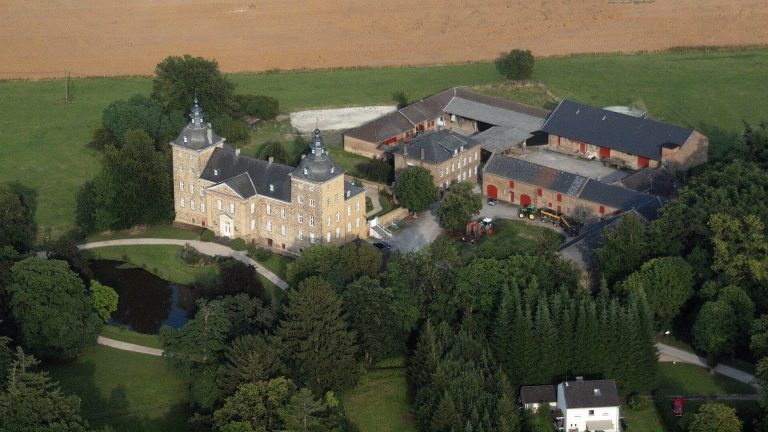
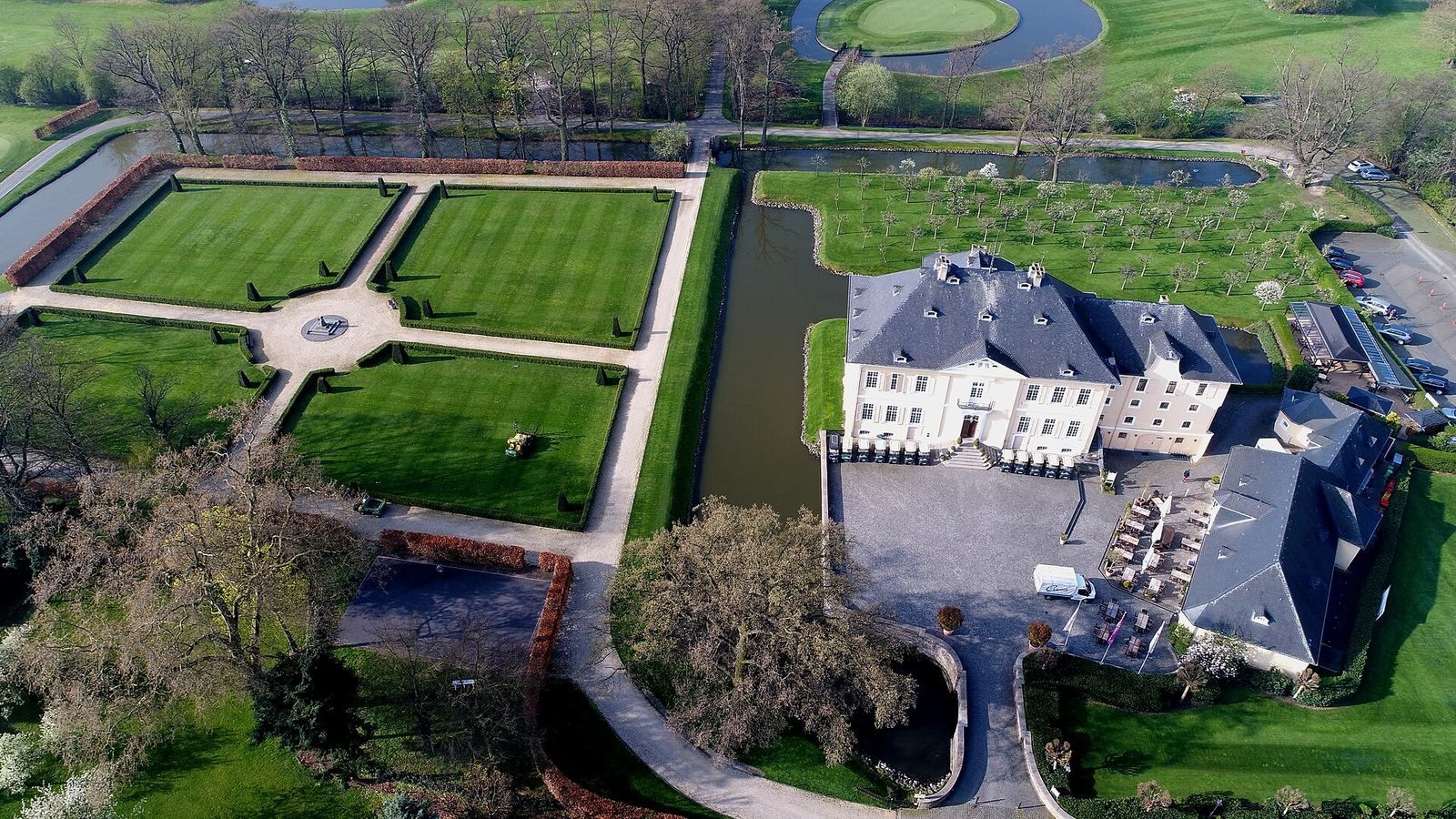
By 2000, the palace interior had undergone extensive renovation. The palace and its outbuildings are now used by a golf club and a restaurant.
Remains
The palace stands in the Swist lowland, near the southeastern edge of the Ville. Its design draws on the French hunting lodge and the architectural style associated with Louis XIV, whose court and reign (1643–1715) influenced French art and architecture. It was planned as a leisure-oriented country house, with adjustments for its intended use. The interior is noted for its furnishings, and the garden hall contains wall paintings by François Rousseau, a court painter based in Bonn.