Biberstein Castle: A Lodron Family Seat in Carinthia
Site at a Glance
- Rating
- 5
- Popularity
- Very Low
- Country
- Austria
- Primary era
- Medieval
- Eras represented
- Medieval, Early Modern, Modern
- Civilizations
- Habsburg, Habsburg Austria, Holy Roman Empire
- Site type
- Domestic
- Remains
- Castle
On this page8 sections
History
Foundation and medieval ownership
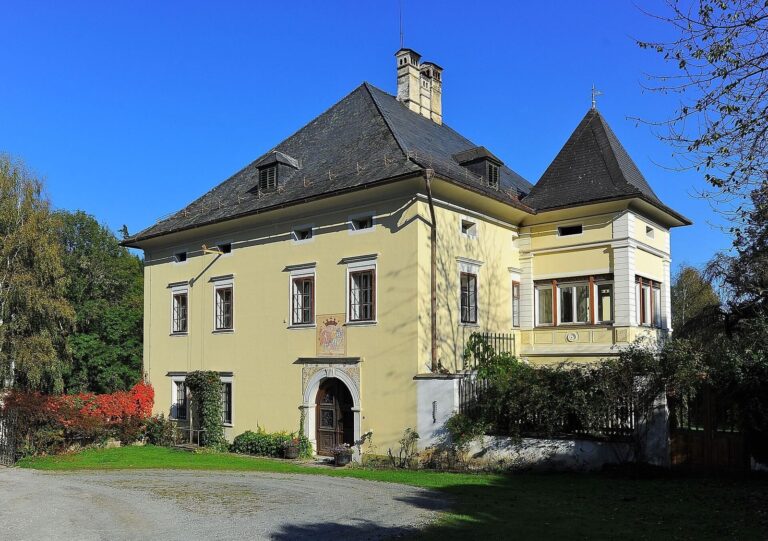
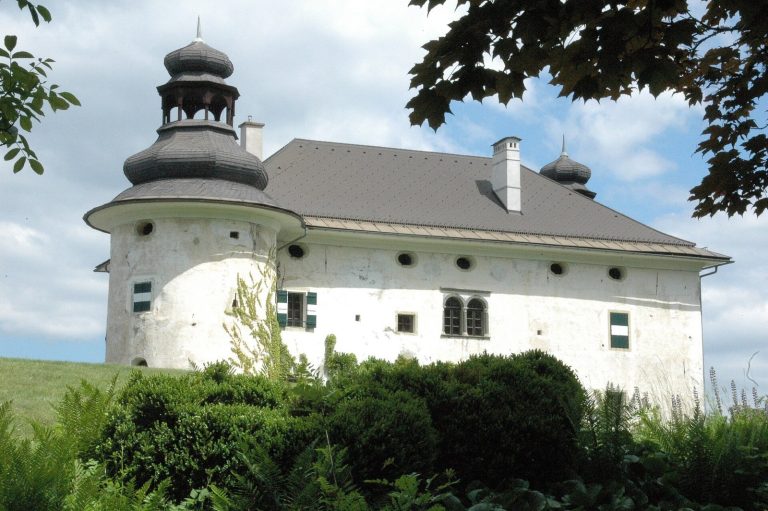
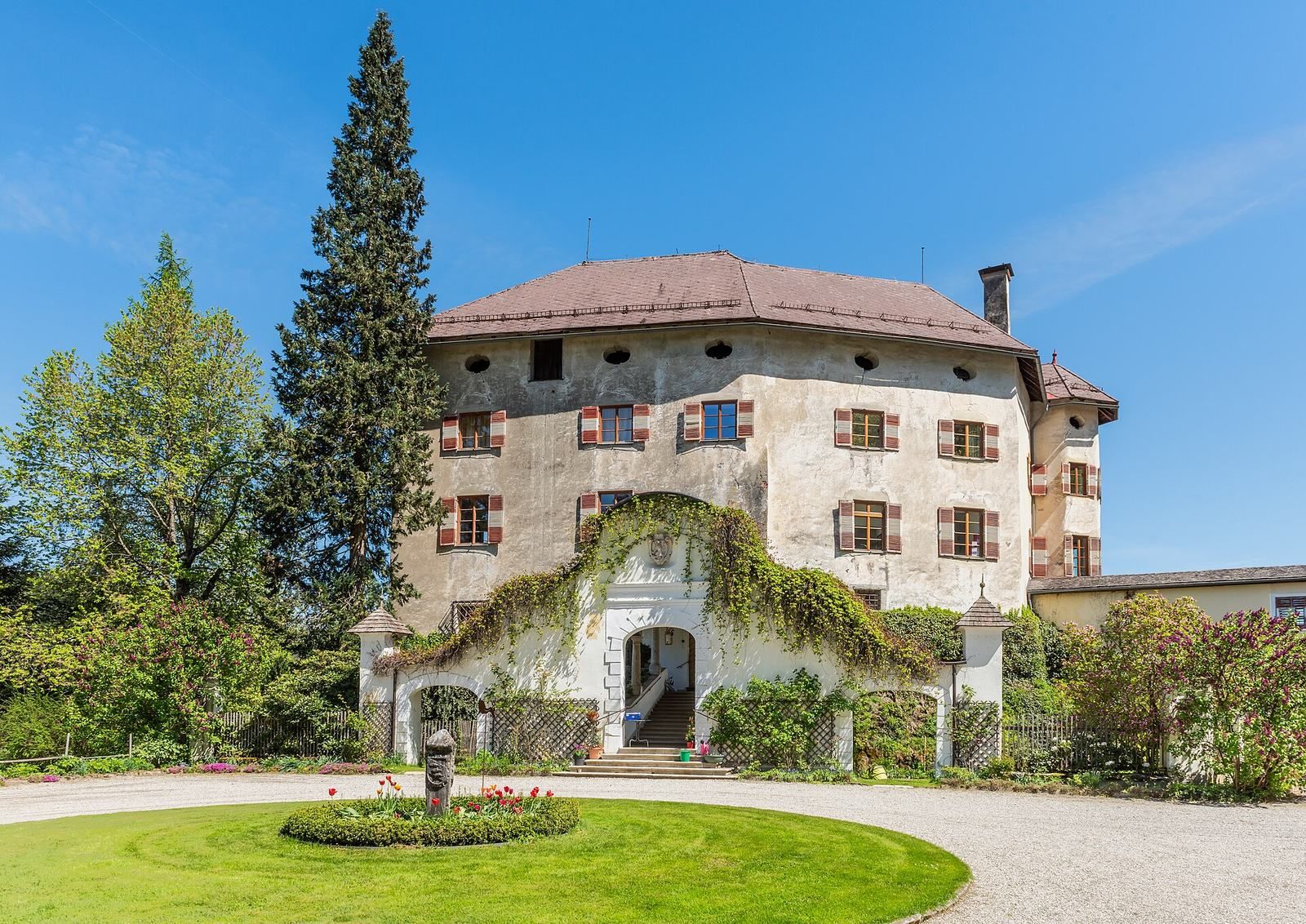
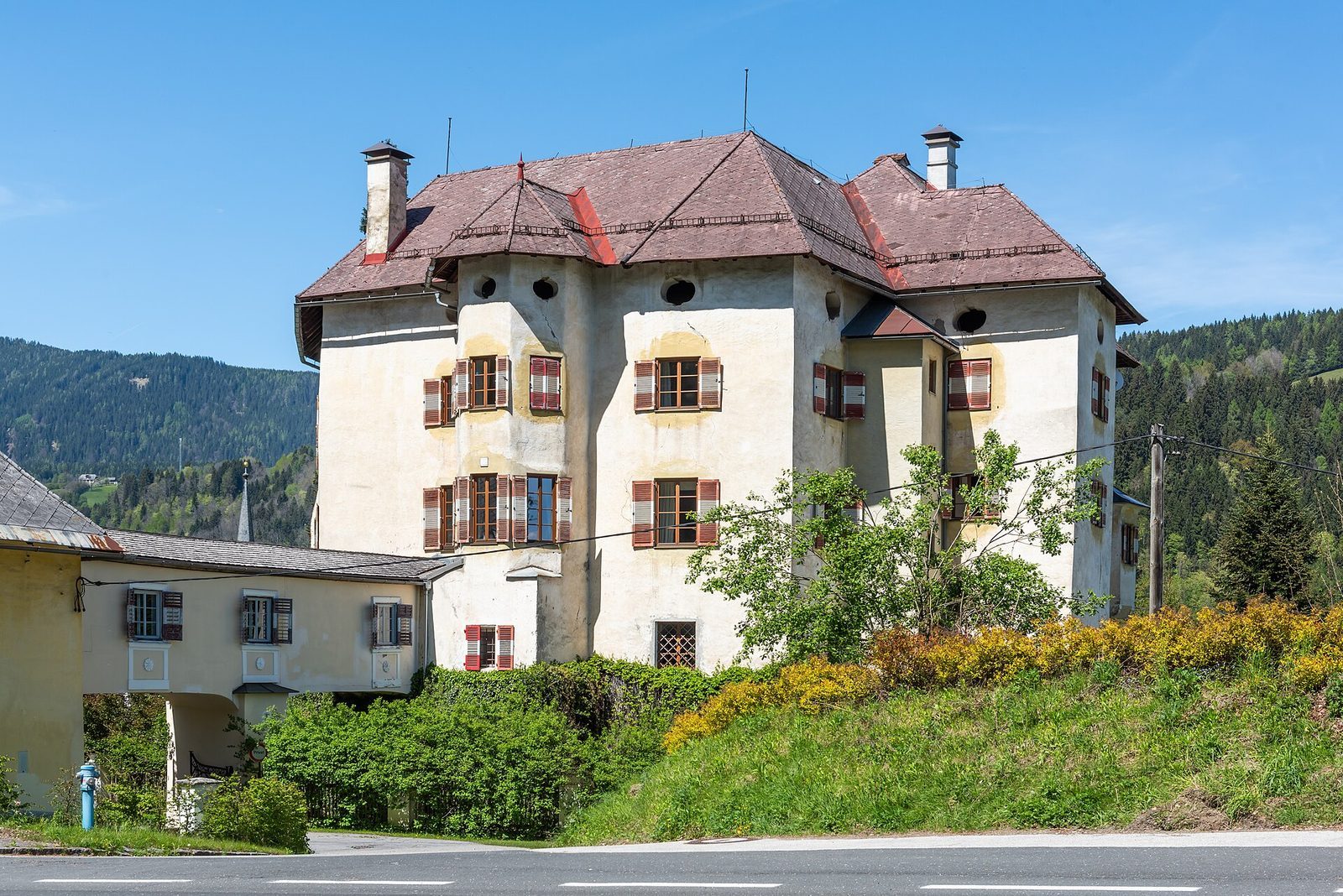
Biberstein Castle, also called Schloss Biberstein, is a late-medieval castle at the southern entrance to Himmelberg, Austria. Marchwart der Pybriacher built it; he was serving as a district judge in Himmelberg by 1382. In 1396, Duke William granted him the nobleman’s seat as a fief, a holding granted under a ruler’s authority.
From Khevenhüller to the Lodrons
In 1571, the castle passed to Georg Khevenhüller, a Carinthian nobleman, in an exchange of estates. Katharina, Countess Lodron, acquired it in 1662 for 118,000 gulden, using money left by Paris Lodron, the Catholic Prince-Archbishop of Salzburg. The castle then became the seat of a secondary branch of the Lodron family. The estate has remained in private Lodron ownership since that acquisition.
Remains
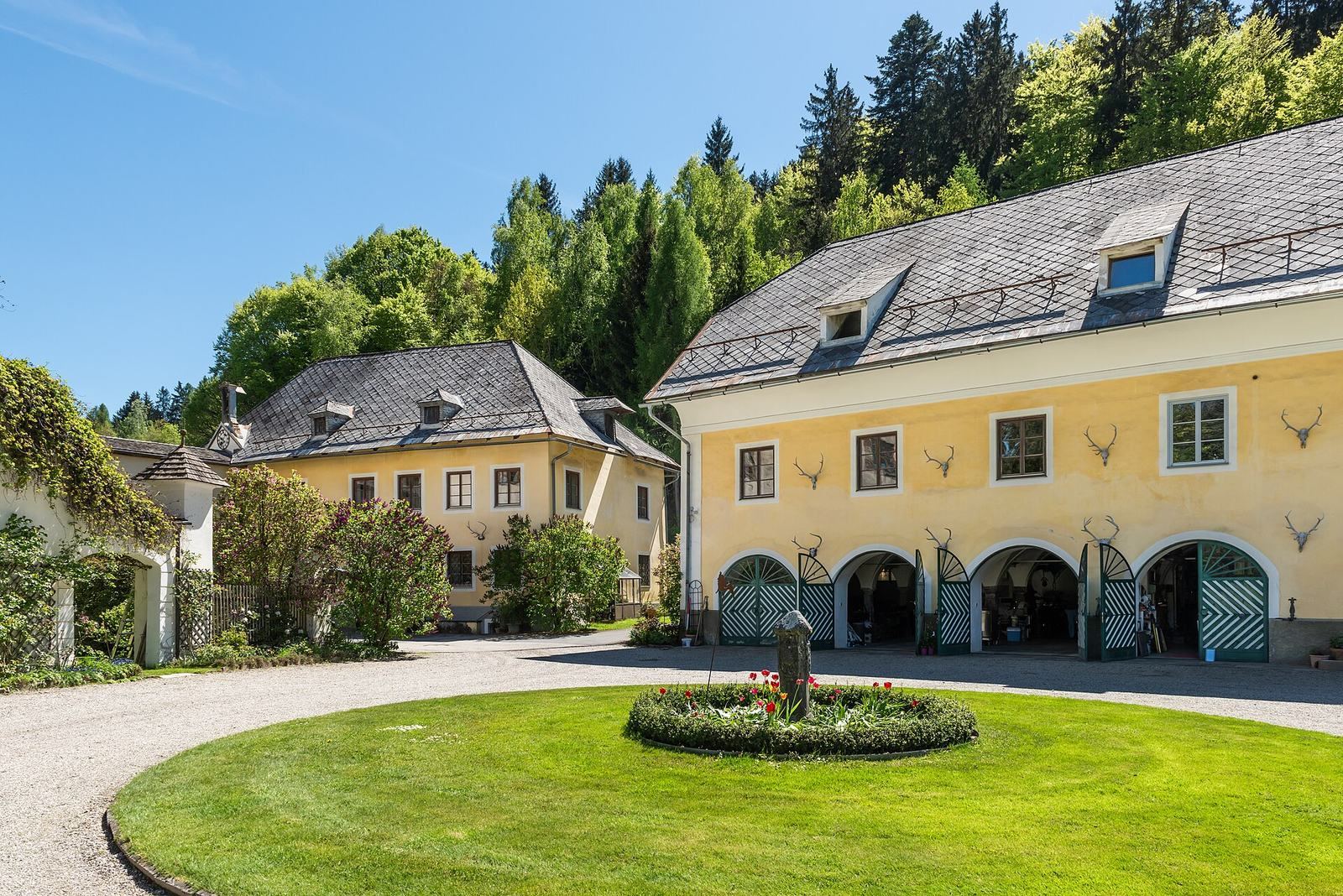
The castle is a three-storey complex with an irregular plan enclosing a four-sided courtyard. Its fabric combines a late-medieval core with alterations from the sixteenth and seventeenth centuries. Open roof framing includes circular openings, while sixteenth-century arcades line two sides of the courtyard, which also has a movable roof.
Castle entrance and interiors
A covered stairway leads to the entrance, where a wrought-iron grille was assembled around 1920–25 from eighteenth-century Baroque grave crosses. On the ground floor, vaults have stucco ribs dating to the sixteenth century. An upper-floor room has a stucco ceiling probably made around 1735 by stucco artist Kilian Pittner. Its scenes show Diana and the hunter Actaeon, the Triumph of Dionysus, and Dionysus in Vulcan’s forge.
Chapel and boundary stones
Castle chapel
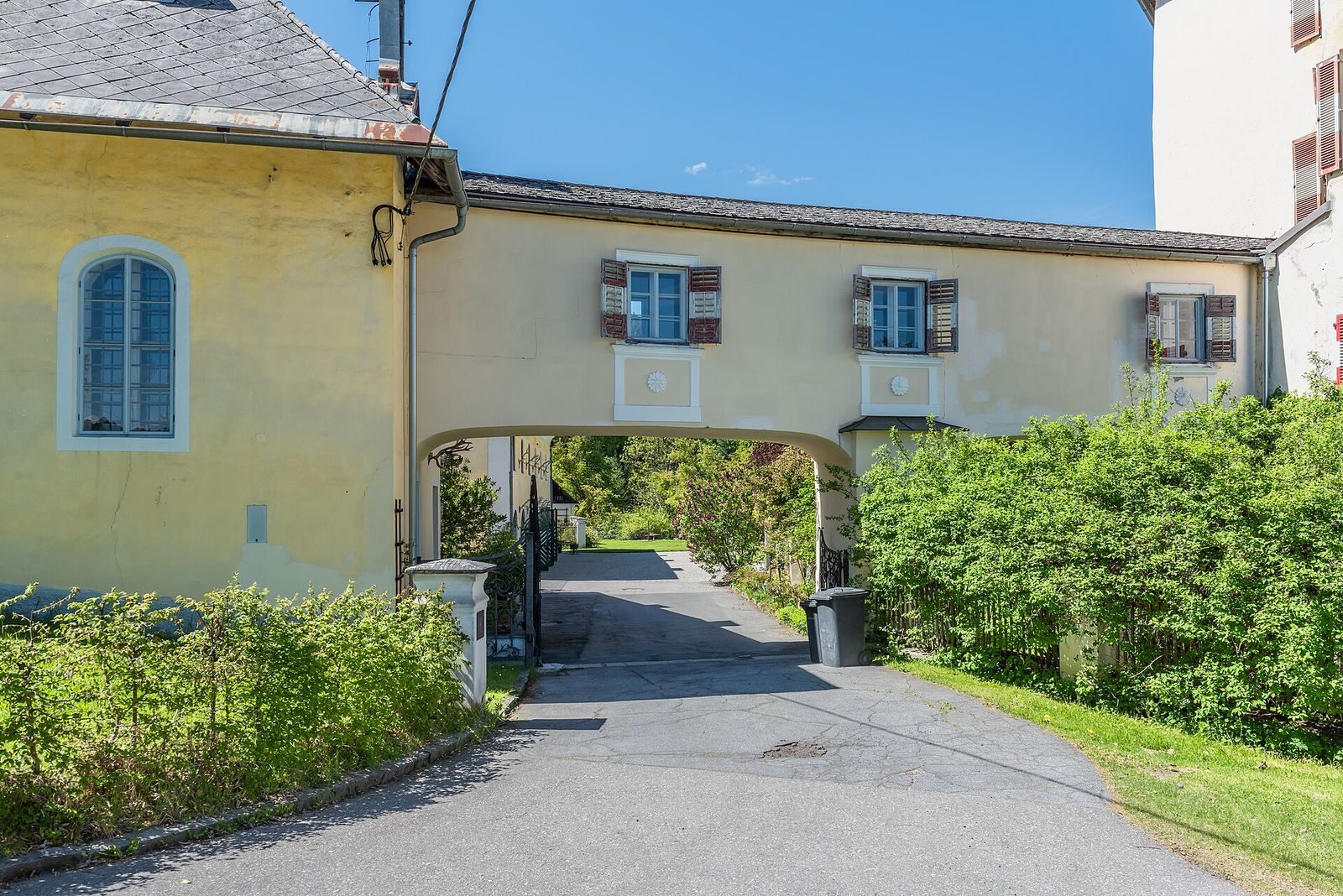
A masonry passage crosses the road to connect the castle with its chapel. The chapel’s altarpiece depicts the Adoration of the Magi and is copied from a work by Italian Baroque painter Giovanni Lanfranco. Other features include a crucifix and a Sacra Conversazione, a devotional image of the Virgin and Child with saints in a unified scene.
Boundary stones
Several boundary stones stand in the courtyard. One, dated 1612 and attributed to stonemason and sculptor Martin Pacobello, was moved from the northern shore of Lake Ossiach. It marked the boundaries of the lordships of Ossiach, Prägrad and Biberstein. Another stone, dated 1603, marked the boundary of the Himmelberg judicial district.