Marktoberdorf Palace: A Baroque Episcopal Residence
Site at a Glance
- Rating
- 4.2
- Popularity
- Medium
- Country
- Germany
- Primary era
- Early Modern
- Eras represented
- Early Modern, Modern
- Civilizations
- German, Holy Roman Empire
- Site type
- Religious
- Remains
- Palace
On this page9 sections
History
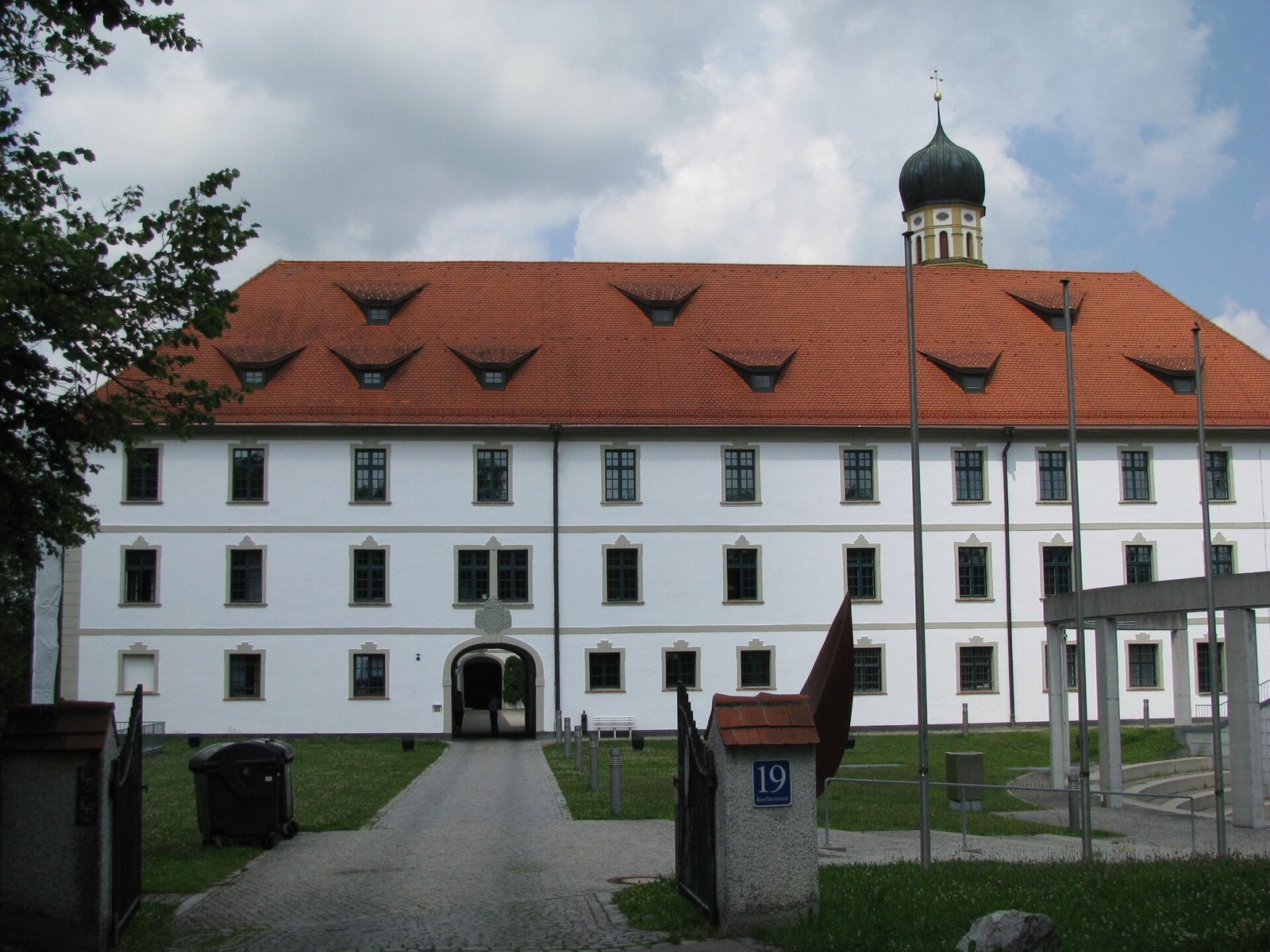
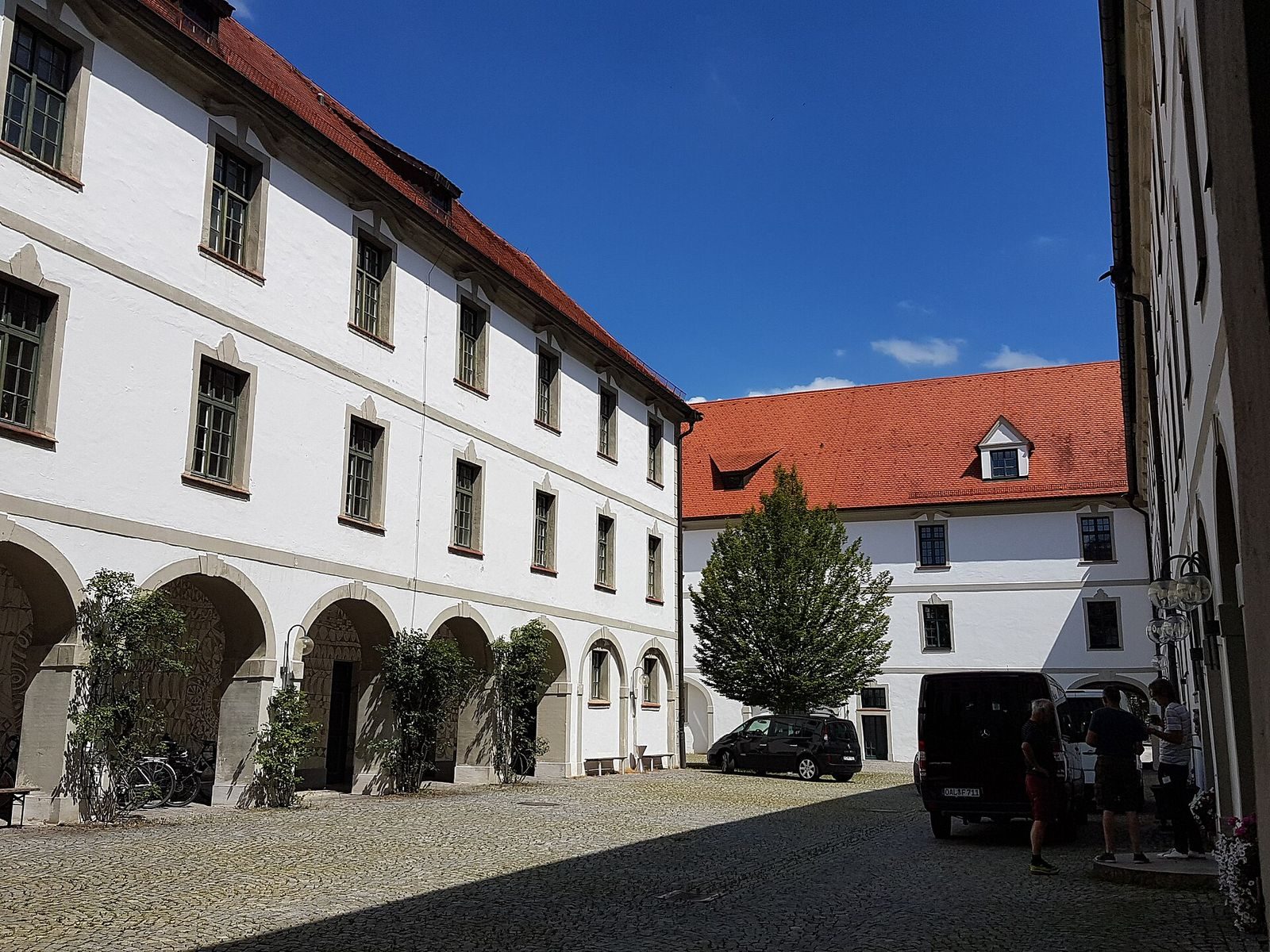
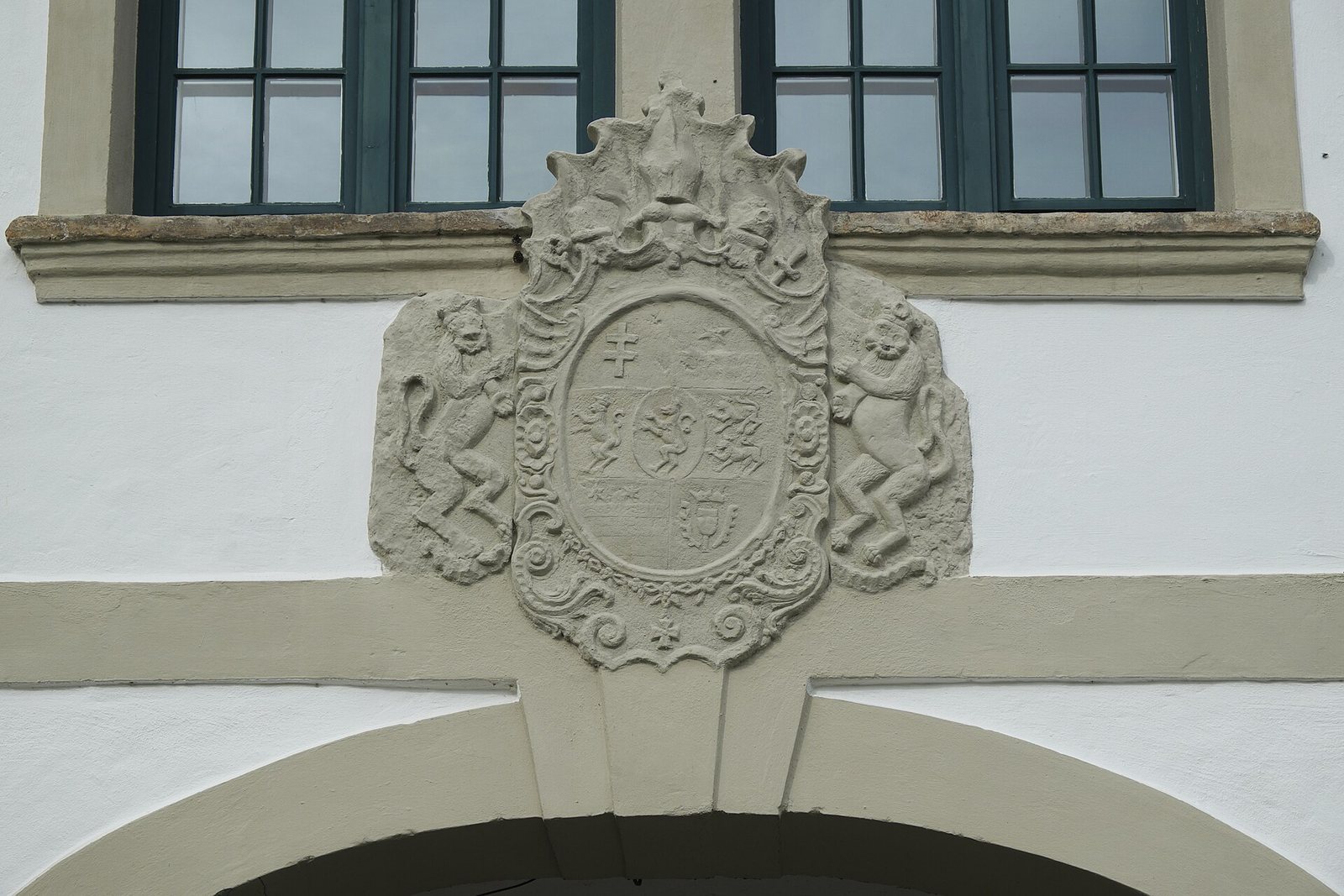
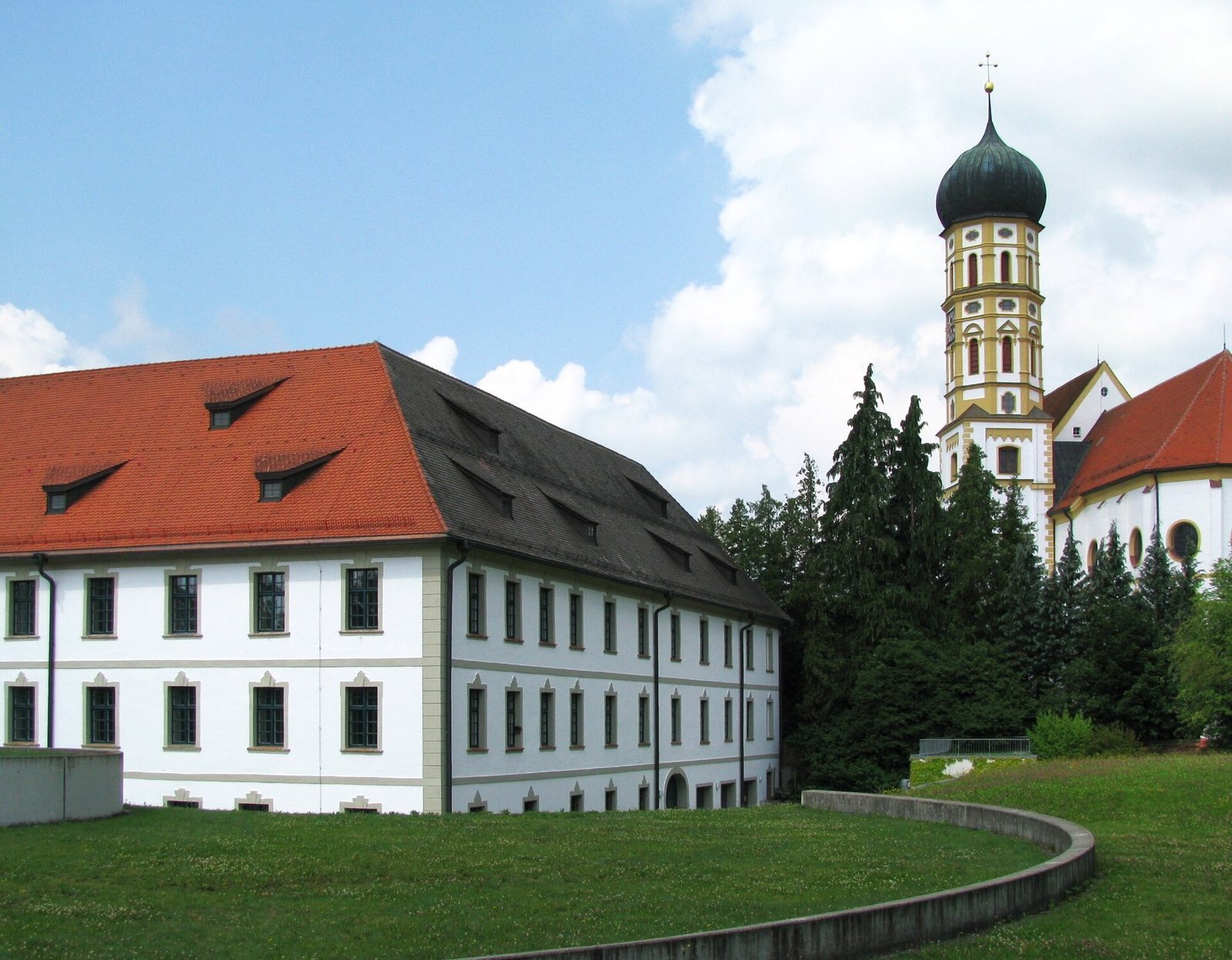
Marktoberdorf Palace is a Baroque residence in Germany, in the town of Marktoberdorf. Built in 1722 to replace an earlier castle, it served Augsburg’s prince-bishops as a hunting lodge and summer residence.
From castle to Baroque palace
By 1424, Oberdorf had a castle. Between 1505 and 1517, Augsburg Prince-Bishop Heinrich von Lichtenau commissioned a late Gothic replacement, which was enlarged in 1598 and 1599. A prince-bishop held both a bishop’s religious office and authority as a territorial ruler.
The earlier castle was demolished in 1722. Prince-Bishop Alexander Sigismund, Count Palatine of the Rhine, commissioned the present palace, built under the direction of Johann Georg Fischer, a master builder from Oberdorf in the Allgäu. Clemens Wenzeslaus of Saxony, the last Prince-Bishop of Augsburg and the last Elector of Trier, died at the palace in 1812. An elector was a prince entitled to participate in choosing the Holy Roman Emperor.
Government and institutional use
After secularization, the transfer of church property to secular control, the Bavarian state took over the palace. A royal district court and a revenue office responsible for fiscal administration moved in in 1819; a surveying authority followed in 1864. From 1876 to 1923, the building housed a preparatory school for prospective teachers. The district administration office remained there until 1967.
Fire and later use
A fire struck the palace in 1967. Its west and south wings remained vacant until a renovation in 1984, when the Bavarian Music Academy Marktoberdorf established its headquarters in the building.
Remains
Palace and grounds
The palace forms the center of the surviving site. Its garden lies in front of the building, while an avenue extends southeast from the palace toward a viewpoint outside town.
The palace
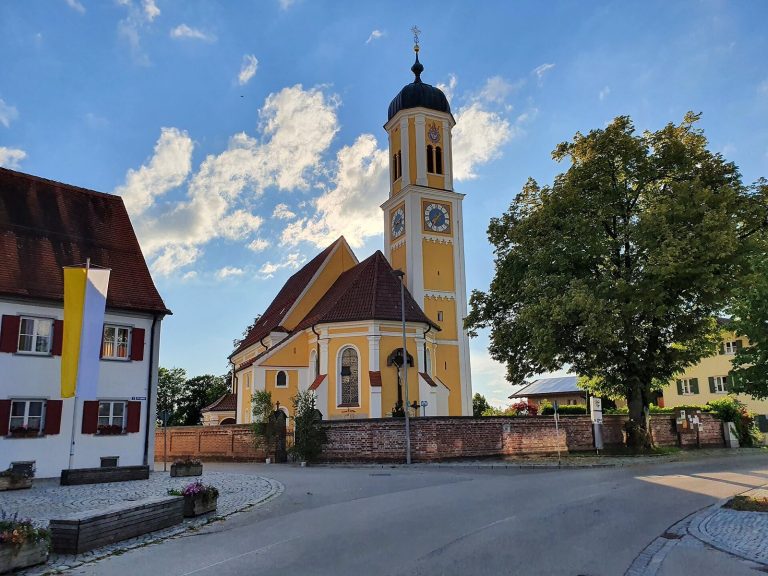
The present building is Baroque and stands near the Baroque parish church of St. Martin. An earlier castle on the site included a late Gothic building.
Electors’ Avenue
This linden avenue dates to the 18th century and runs for two kilometres from the palace southeast to a viewpoint beyond the town.
Underground concert hall
An underground concert hall occupies the palace garden in front of the building. It opened in 1996.