Marienburg Castle: A Baroque Residence in Leutesdorf
Site at a Glance
- Popularity
- Medium
- Country
- Germany
- Primary era
- Early Modern
- Eras represented
- Medieval, Early Modern
- Civilizations
- Electorate of Trier, Holy Roman Empire
- Site type
- Domestic
- Remains
- Castle
On this page8 sections
History
Leutesdorf Castle and the Vogts
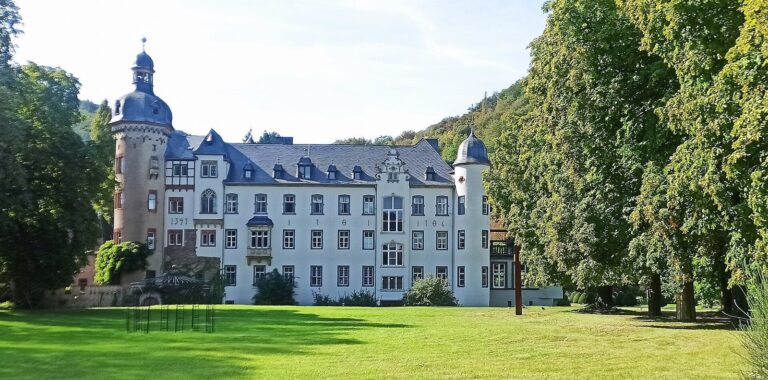
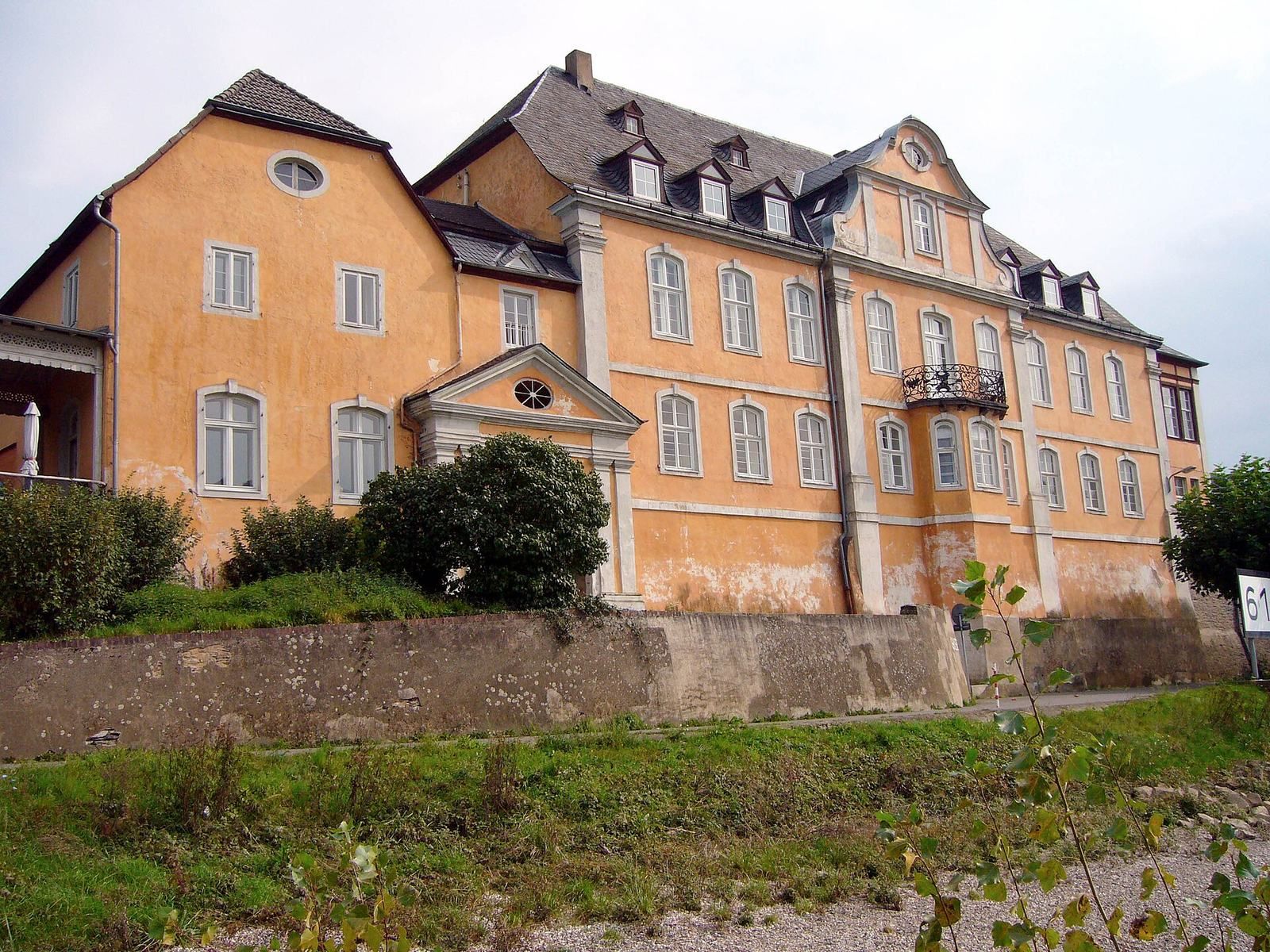
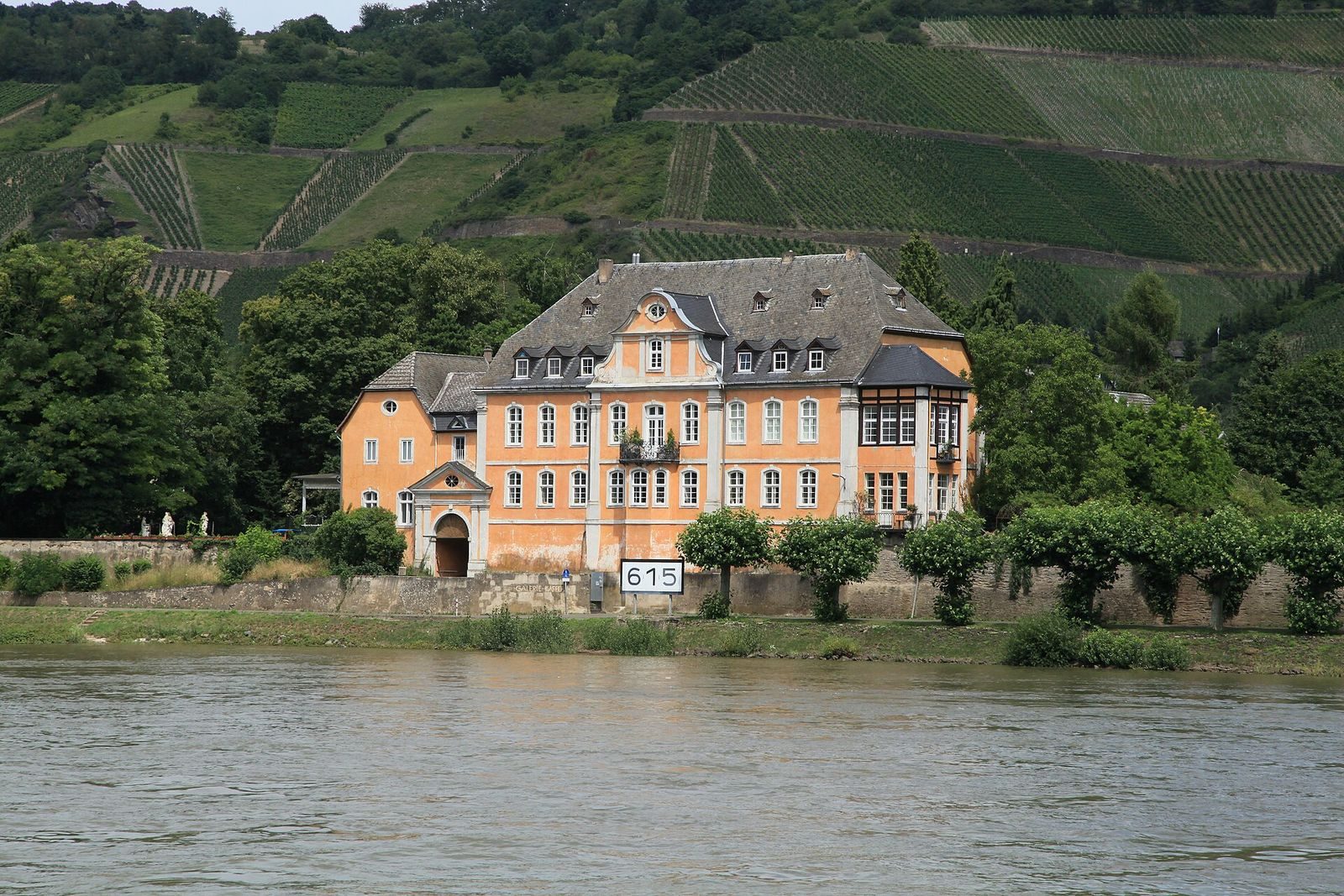
Marienburg Castle is a four-storey Baroque residence at the northern end of Leutesdorf, beside the Rhine in Germany. Its eighteenth-century building was commissioned by Ernst Anton Sohler between 1750 and 1754, following the earlier Leutesdorf Castle on the site.
Leutesdorf Castle originated as the seat of the Vogts of Leutesdorf, medieval officials who exercised authority for the Counts of Virneburg, a noble house in the Rhineland. In 1300, the knight Werner Vogt von Leutesdorf was described as a robber knight.
Over generations, members of the Vogt family gained shares in Bürresheim Castle through marriages to its heiresses and moved there. Leutesdorf Castle later became a wine estate as the Vogt family lines gradually died out. In 1464, the last heiress, Katharina Vogt von Leutesdorf, married the knight Emmerich Schilling von Lahnstein.
Changing ownership and the Marienburg name
After a legal dispute that lasted 89 years, the Breitbach-Bürresheim family gained ownership of Leutesdorf Castle in 1661. The property was sold again in 1680 to Ferdinand Damian, Baron von Breitbach, lord of Bürresheim. A local tradition places the start of a haunting around 1700, claiming that one of the castle’s last owners was taken alive to hell by the Devil on Good Friday.
In 1736, the estate was sold to Ernst Anton Sohler, a court councillor in Electoral Trier, an ecclesiastical principality ruled by an archbishop who was also a prince-elector, and director of the Leutesdorf Rhine toll. Sohler had also owned Namedyer Werth for a time, when it was known as Sohler’s Werth. He commissioned the new castle in 1750–1754 and lived there for five years. After his death in 1759, his nephew Ernst Anton Josef Mees inherited it, and the castle became known as Meesenburg.
In 1855, the heirs sold the castle and Namedyer Werth to Julius Johanny of Hückeswagen. He renamed the castle Charlottenburg in honour of his wife. Carl Emil Blank of Barmen bought it in October 1869, and it has been called Marienburg since then.
Postwar use
After the Second World War, Mennonites, a Christian Anabaptist tradition that developed during the Reformation, established a home at the castle for elderly people displaced from their homes. After the home closed, two of Blank’s great-grandsons renovated the building.
Remains
Castle and grounds
Main building and courtyard
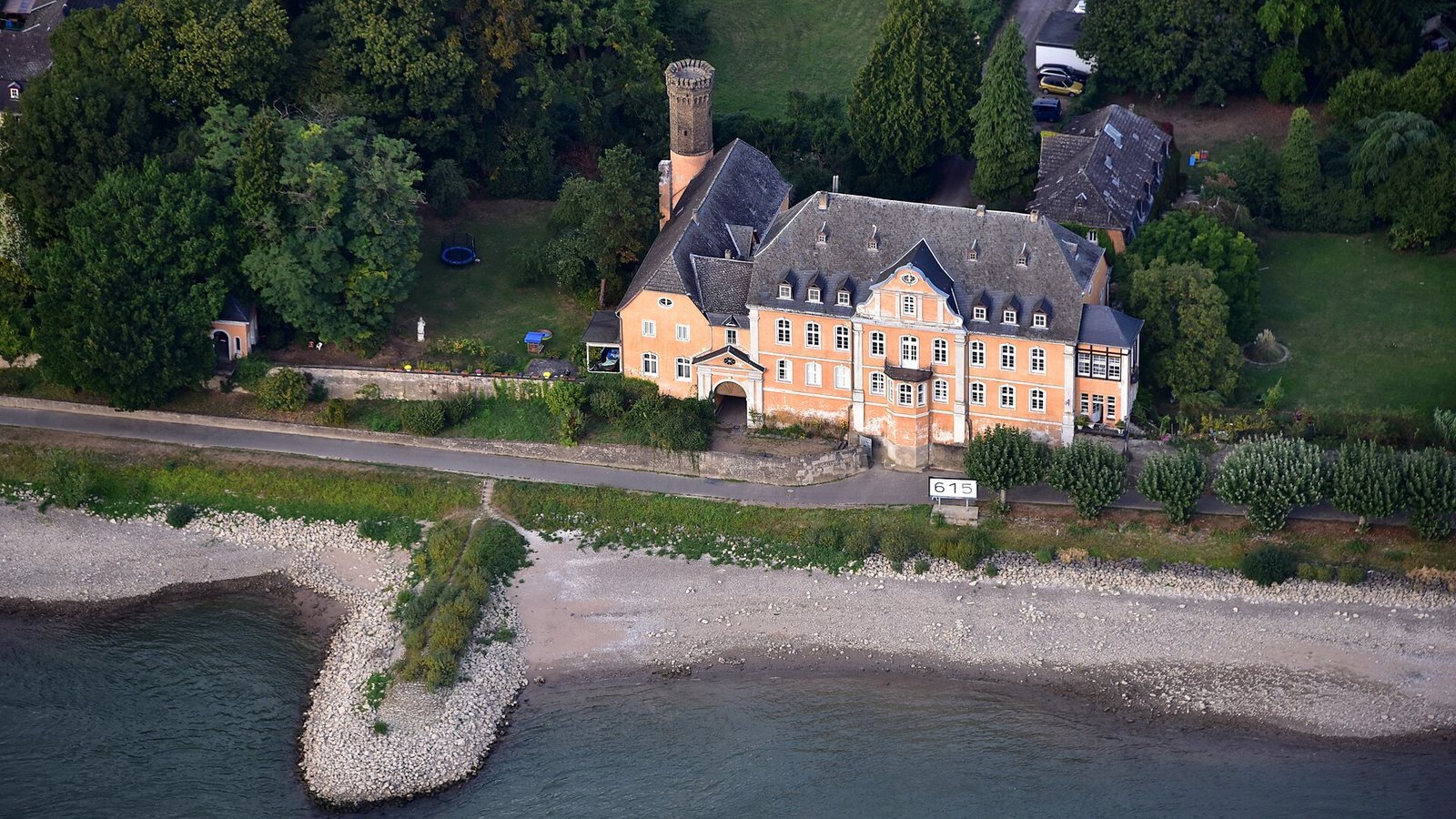
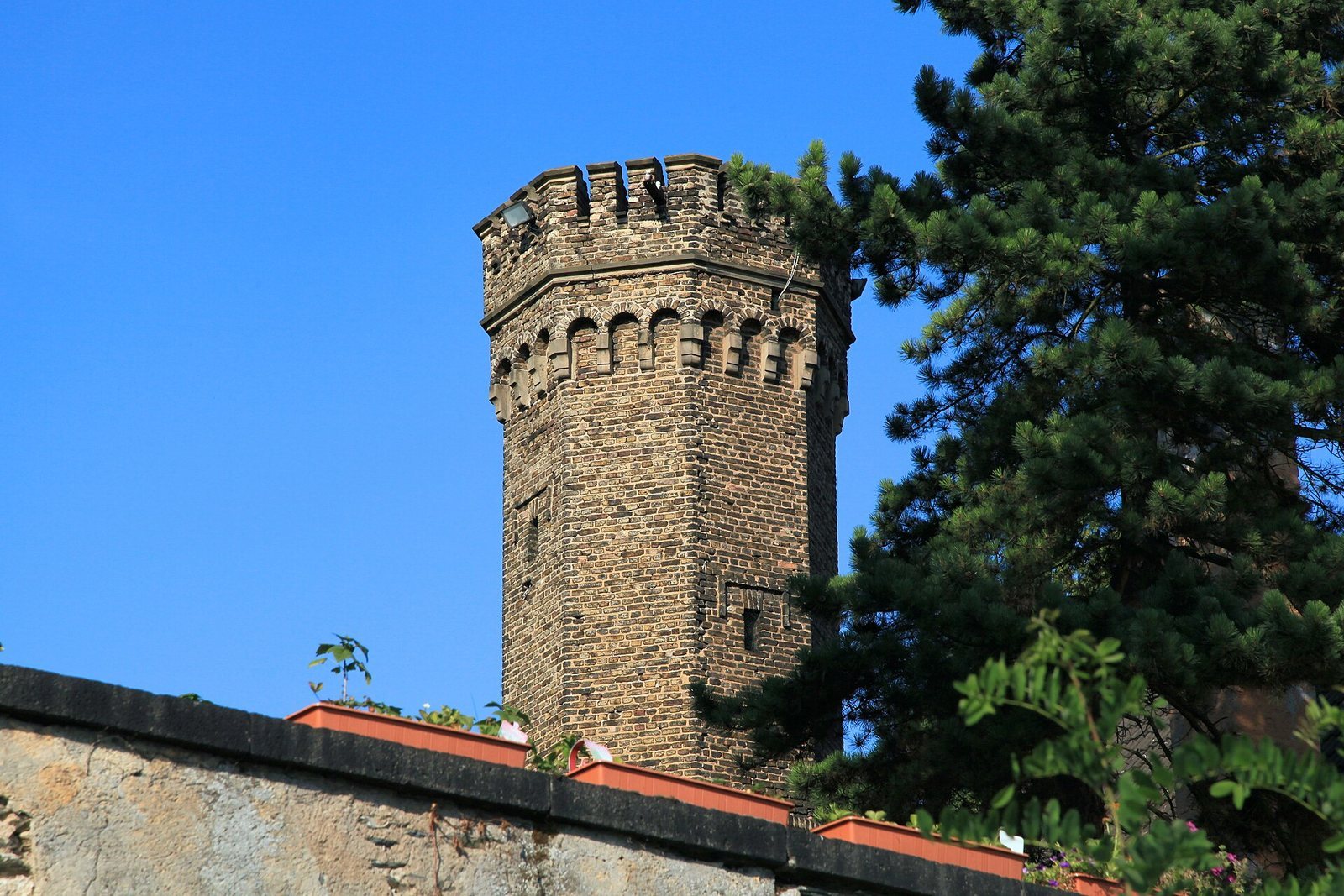
The compact castle has four storeys and stands on the foundations of Leutesdorf Castle. Its principal facade faces the Rhine, while the main entrance is on the landward side, marked by an ornamental Rococo portal. A north wing with a tower meets the main building at a right angle. Together with a separate building, these structures enclose a horseshoe-shaped inner courtyard.
Garden
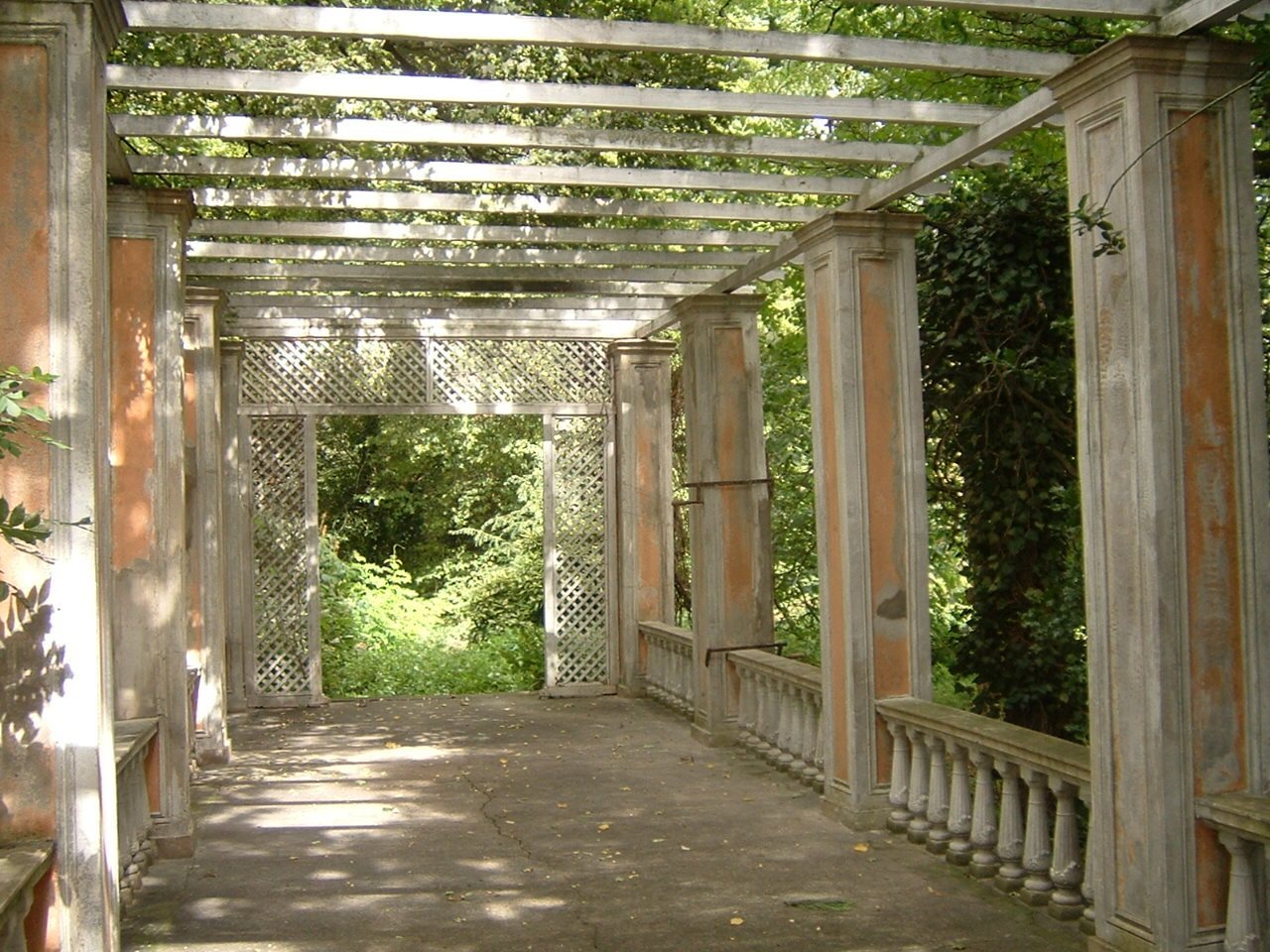
A landscaped garden extends from the castle toward the Rhine and contains a pergola and a small pavilion. In the local haunting tradition, an apparition came from the village, crossed the courtyard, entered the north wing, and continued through the main house’s kitchen before vanishing in the pantry. The garden was also said to be disturbed.