Lustbühel Castle: An Early Baroque Aristocratic Residence in Graz
Site at a Glance
- Rating
- 4.5
- Popularity
- High
- Country
- Austria
- Primary era
- Early Modern
- Eras represented
- Early Modern, Modern
- Civilizations
- Austria-Hungary, Duchy of Styria, Habsburg, Habsburg Austria, Holy Roman Empire
- Site type
- Domestic
- Remains
- Castle
On this page6 sections
History
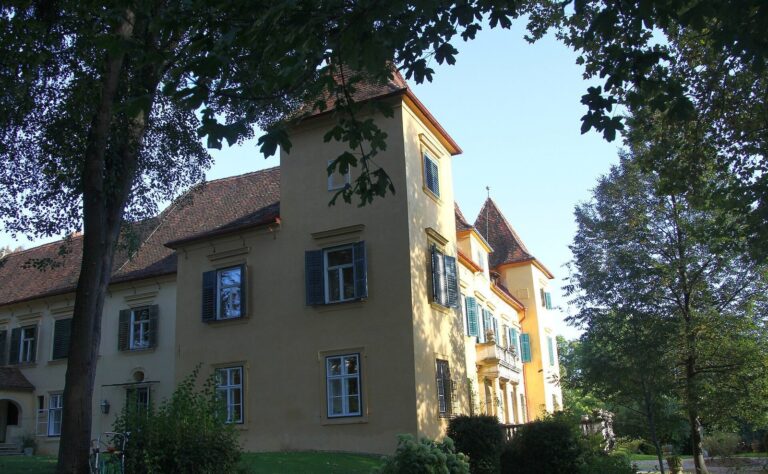
Lustbühel Castle is an early Baroque aristocratic residence on Lustbühel hill in Waltendorf, Graz, Austria. It was built in the first half of the seventeenth century, though its exact construction date is unknown. Early Baroque refers to an early phase of Baroque architecture.
Estate and Architectural Changes
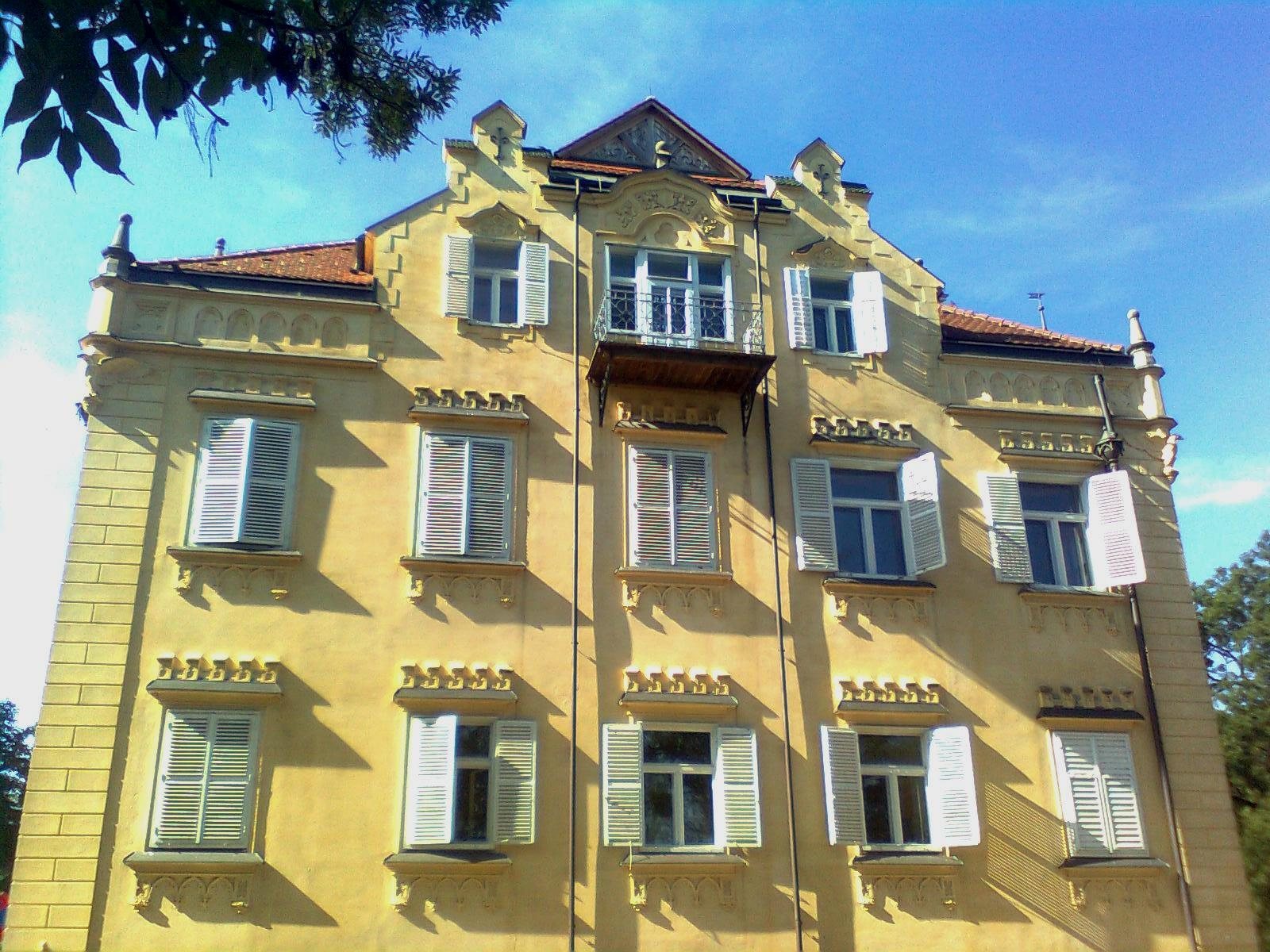
An estate occupied the site before the castle was built. Alterations in the first half of the eighteenth century, during the nineteenth century, and in 1907 gave the building a new appearance, incorporating historicist features that draw on earlier architectural styles.
Public Use and Protection
From 1947, Graz’s Youth Welfare Office used the castle and established a convalescent home for children aged three to six. The building is protected as a listed monument, and its rooms currently include a kindergarten.
Remains
The castle’s surviving architecture combines its early Baroque origins with later historicist and Neo-Gothic forms. Neo-Gothic design revives Gothic forms, while historicism draws on earlier architectural styles.
Exterior
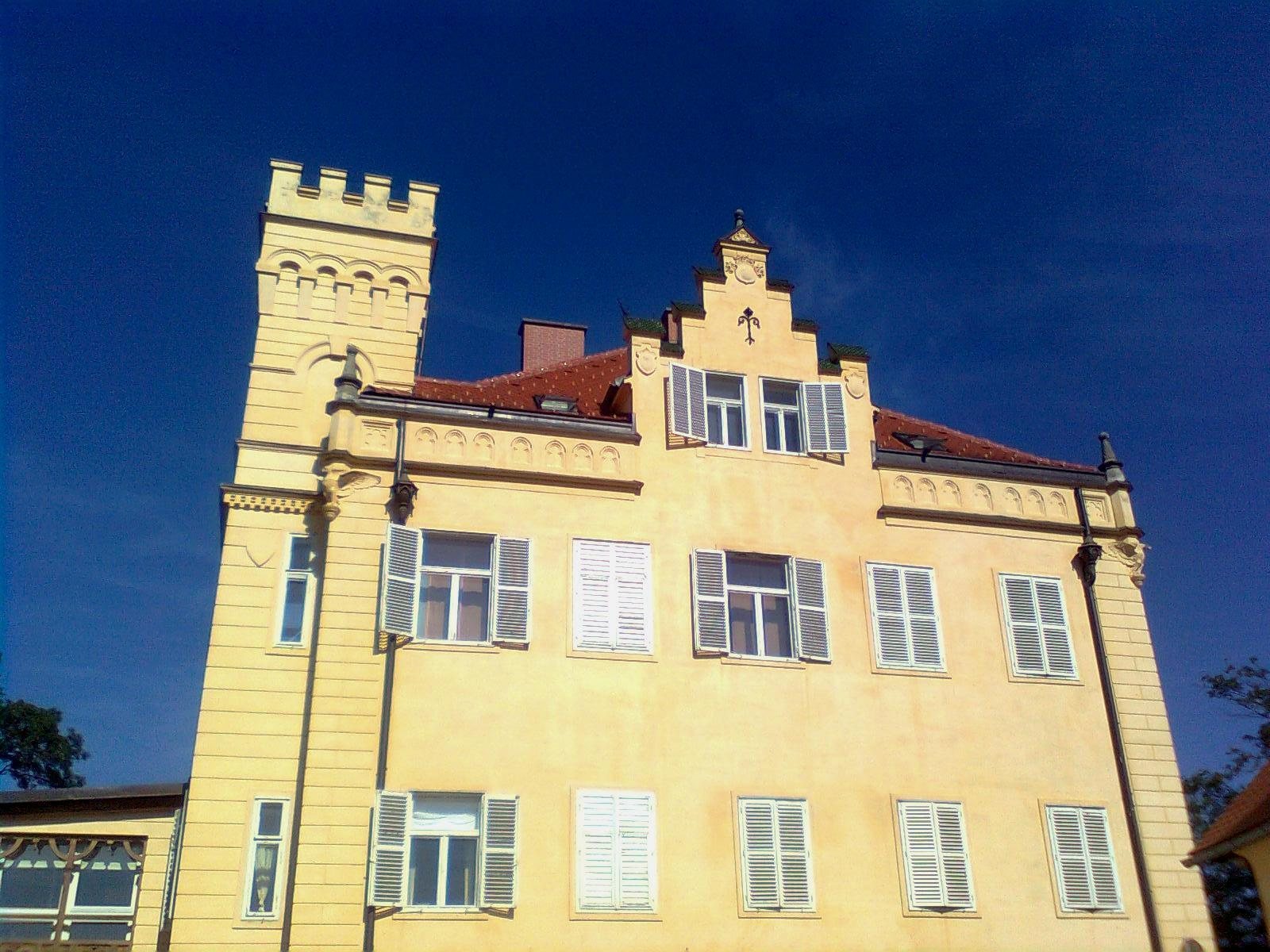
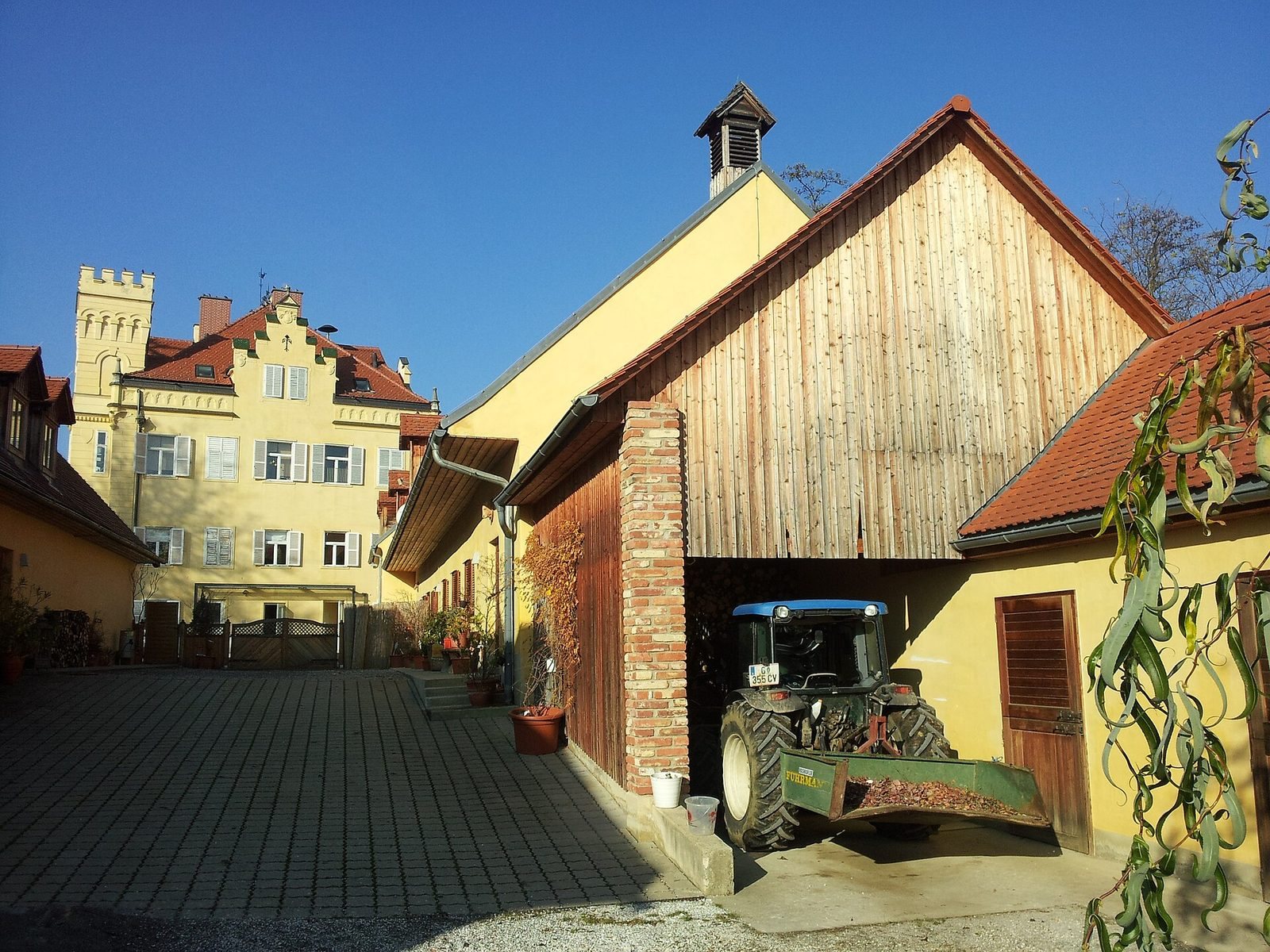
The exterior features stepped gables, a portal decorated with bar tracery, ornamental openwork formed from slender bars, and a tower at the southeast corner crowned with battlements. Wrought-iron window grilles date to 1907. Sandstone busts of warriors, dating to the early eighteenth century, stand on the gate piers.
Vestibule
Inside, a two-aisled vestibule has round marble columns in the Neo-Romanesque style, a revival of Romanesque forms.