Jetzendorf Castle: A Hofmark Lord’s Residence in Bavaria
Site at a Glance
- Rating
- 4.5
- Popularity
- Medium
- Country
- Germany
- Primary era
- Medieval
- Eras represented
- Medieval, Early Modern
- Civilizations
- Duchy of Bavaria, Holy Roman Empire
- Site type
- Domestic
- Remains
- Castle
On this page8 sections
History
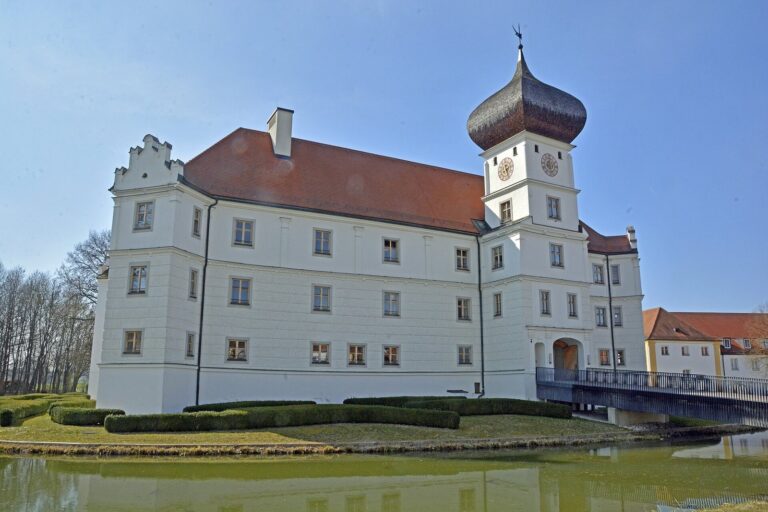
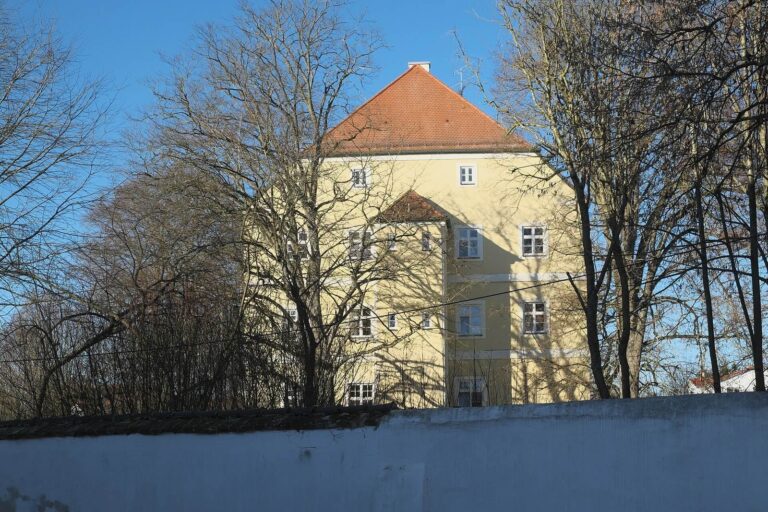
Jetzendorf Castle is a historic residence in Upper Bavaria, Germany. Construction began in the 12th or 13th century, and its oldest surviving parts are late Gothic. The castle served as the lord’s residence for a Hofmark, a Bavarian manorial jurisdiction in which a lord held certain local rights.
Medieval lordship
Jetzendorf is first mentioned in 893, when Count Jezo exchanged possessions there. This reference concerns the settlement, not the castle’s foundation. During the Middle Ages, the Hofmark passed among a succession of lords. The neighboring village of Volkersdorf belonged to it from 1345 to 1848. The Zillenhart family held the lordship from 1520 to 1572; other owners included the von Kamer family, the counts of Rechberg, the barons of Stromer, and the counts of Lösch.
Expansion and later ownership
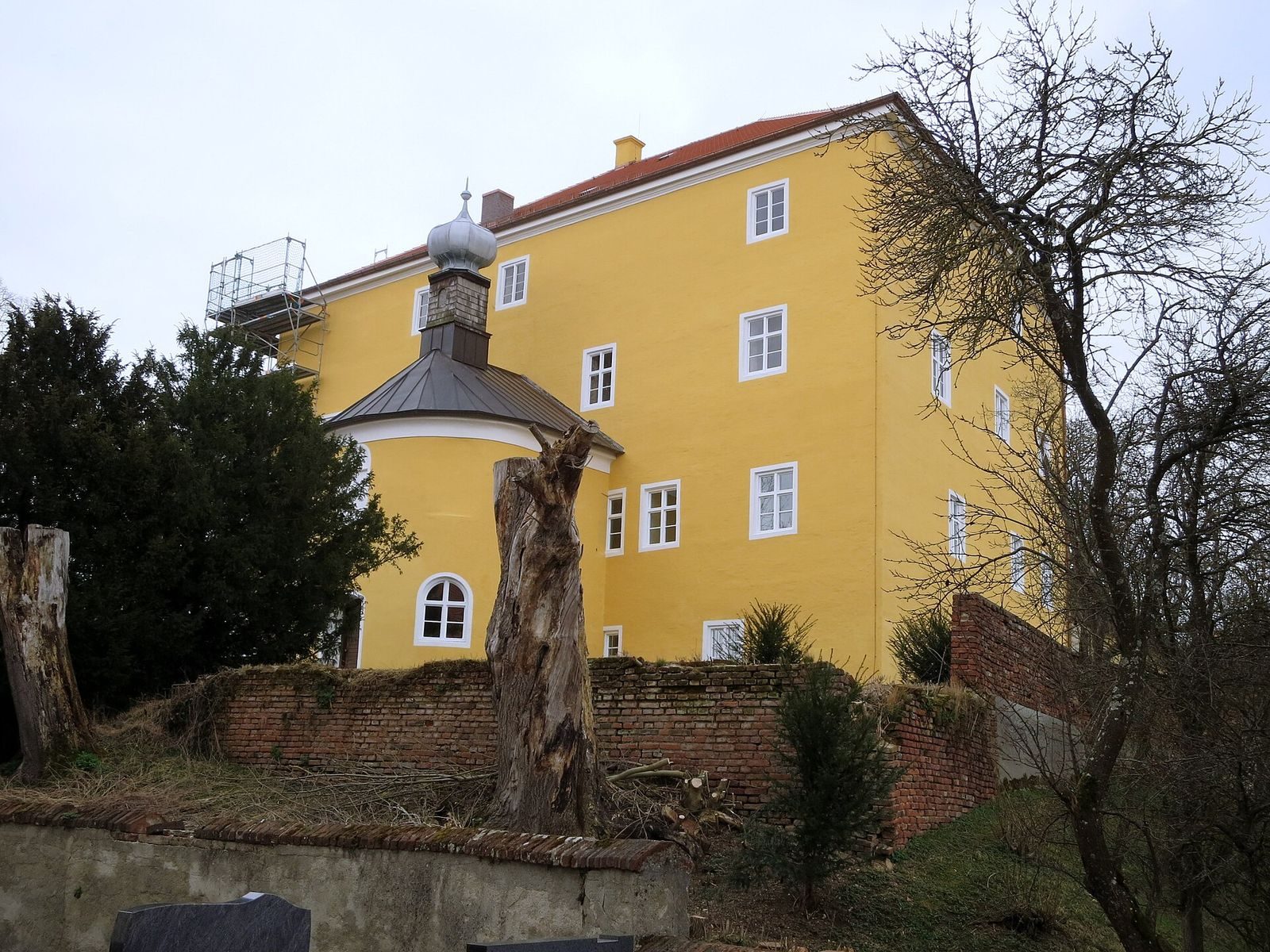
The castle reached its present extent in the 1610s, when its west and south wings were added. In 1840, woodworm damage led to the removal of the upper storey and gable of the older upper castle.
The Barons of Freyberg-Eisenberg have owned the castle since 1812, and the family continues to live there. Karl von Freyberg (1866–1940), its best-known family owner, served as Bavaria’s minister of agriculture from 1919 to 1920.
Remains
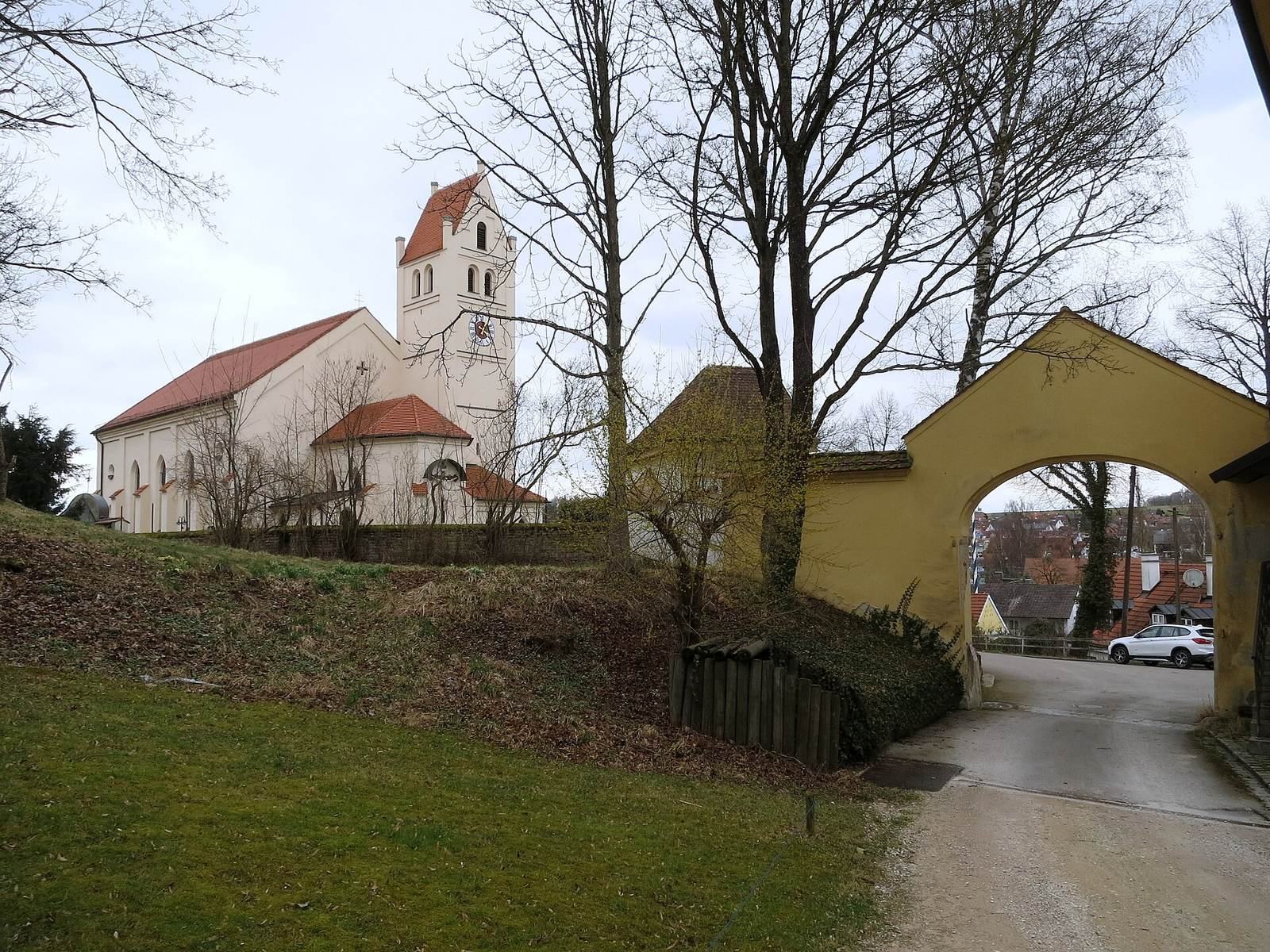
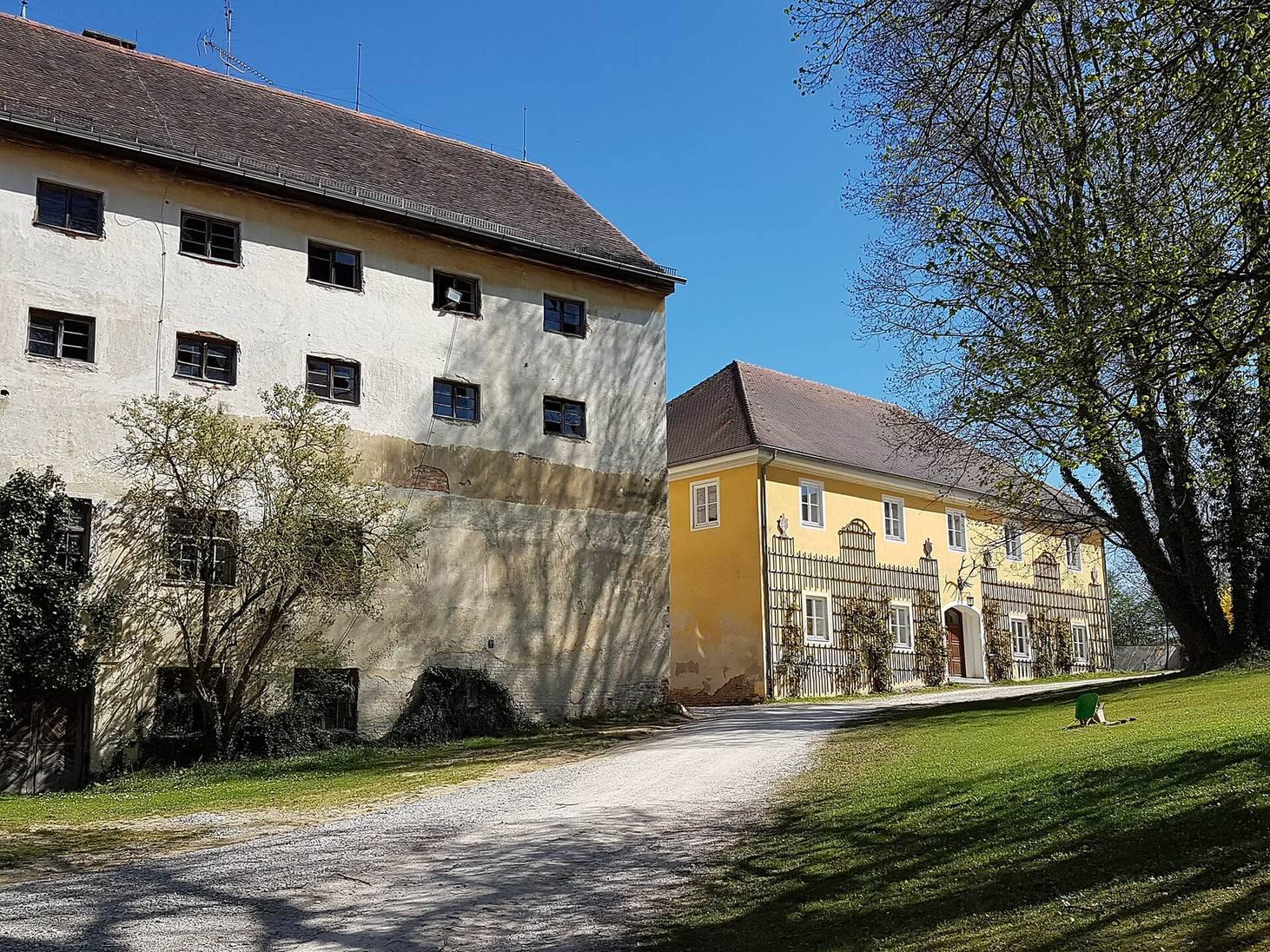
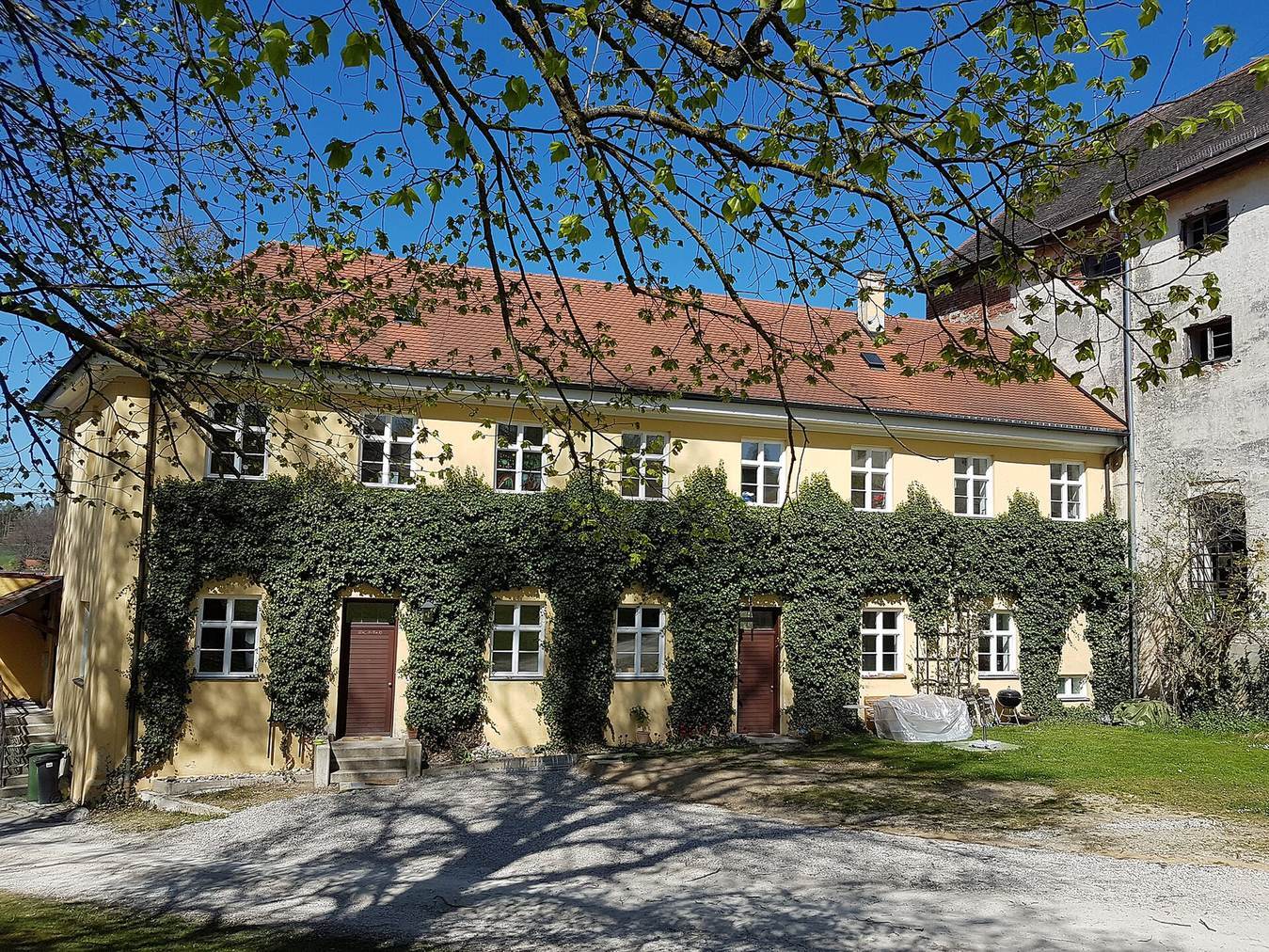
The castle complex
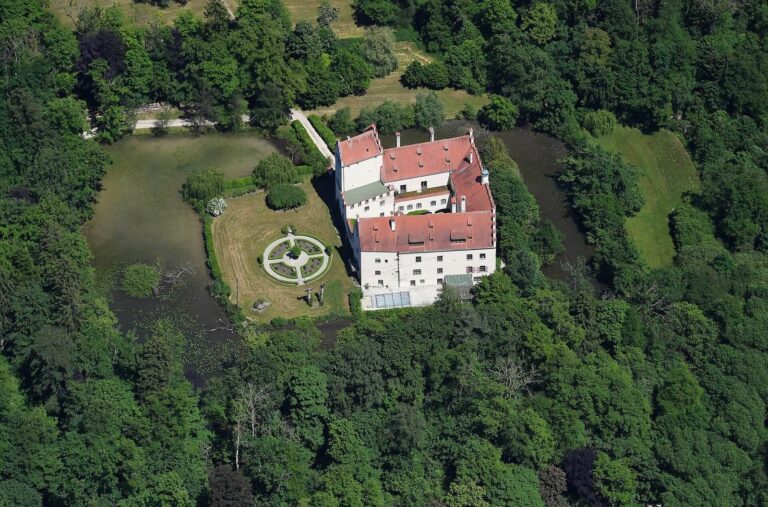
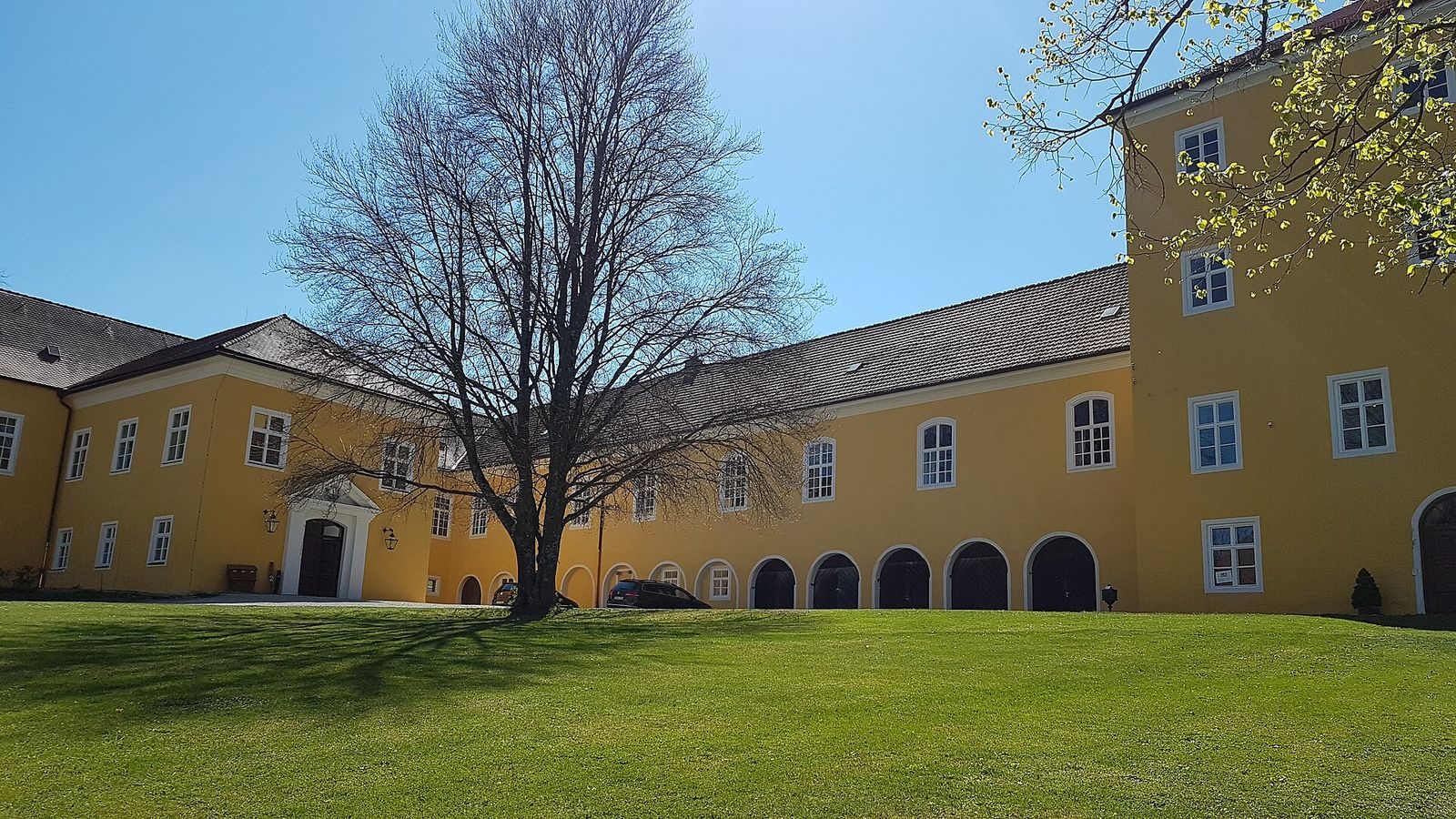
The castle is arranged as a three-wing complex, with associated farm buildings enclosing its courtyard. This layout is characteristic of a Hofmark castle.
Residence
The oldest surviving parts of the residence are late Gothic, the later phase of Gothic architecture that developed across Europe in the later Middle Ages. The west and south wings complete the three-wing plan.
Farm and brewing buildings
Buildings associated with the castle include a brewmaster’s house, a horse stable, and a castle barn. The former brewery continued operating until 1971.
Archaeological remains
The castle area contains archaeological remains from the medieval and early modern periods.