Ahorn Castle: A Renaissance Castle in Germany
Site at a Glance
- Rating
- 4.4
- Popularity
- Low
- Country
- Germany
- Primary era
- Early Modern
- Eras represented
- Medieval, Early Modern
- Civilizations
- Holy Roman Empire
- Site type
- Domestic
- Remains
- Castle
On this page8 sections
History
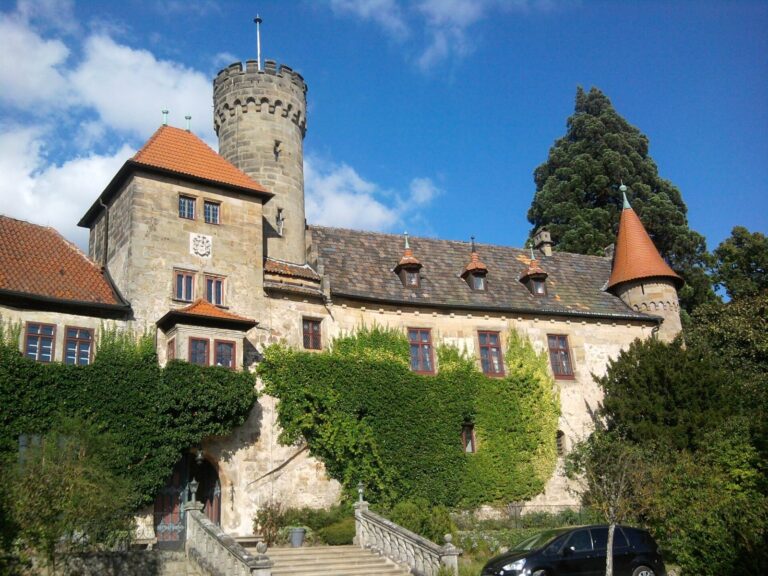
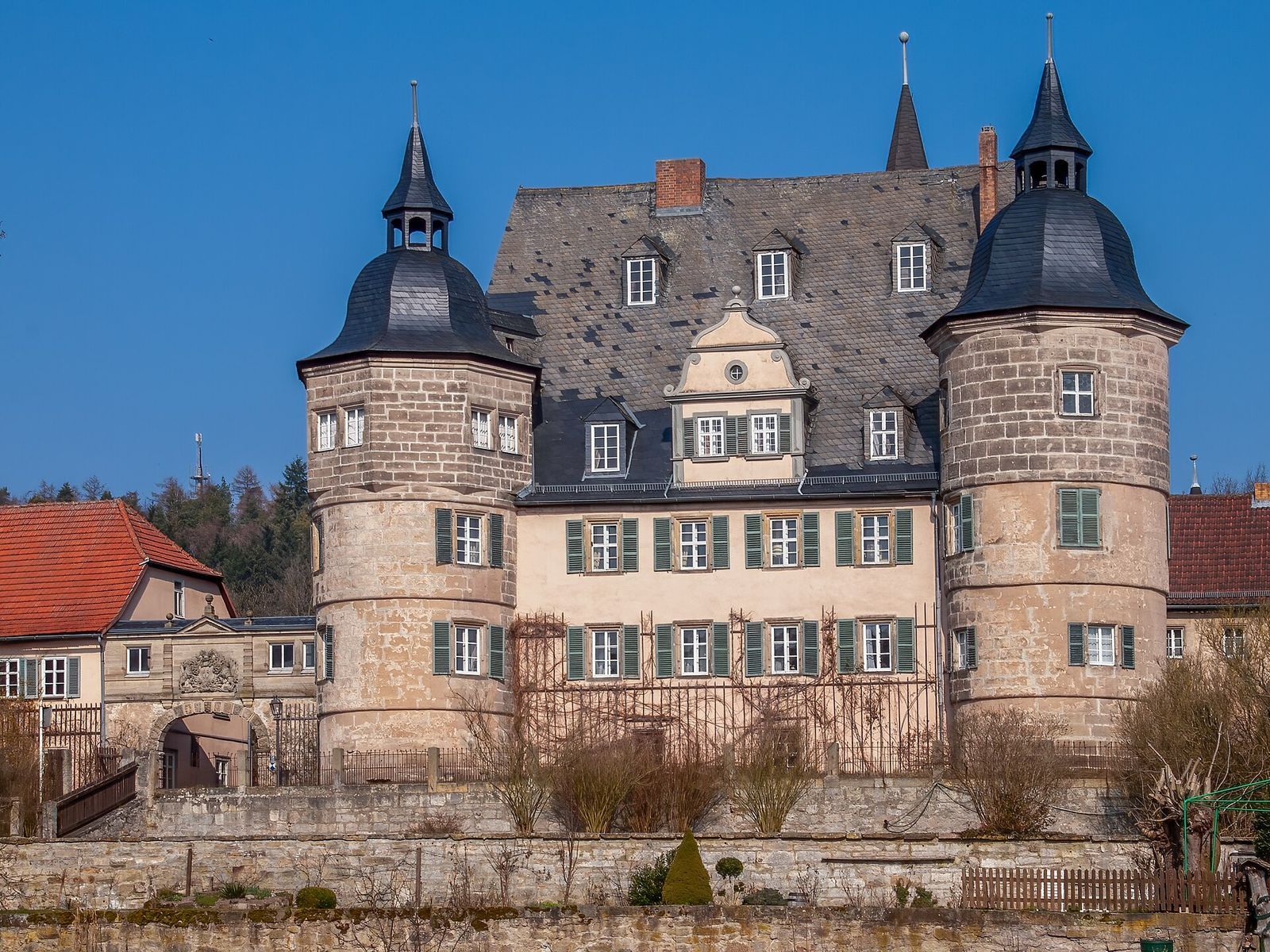
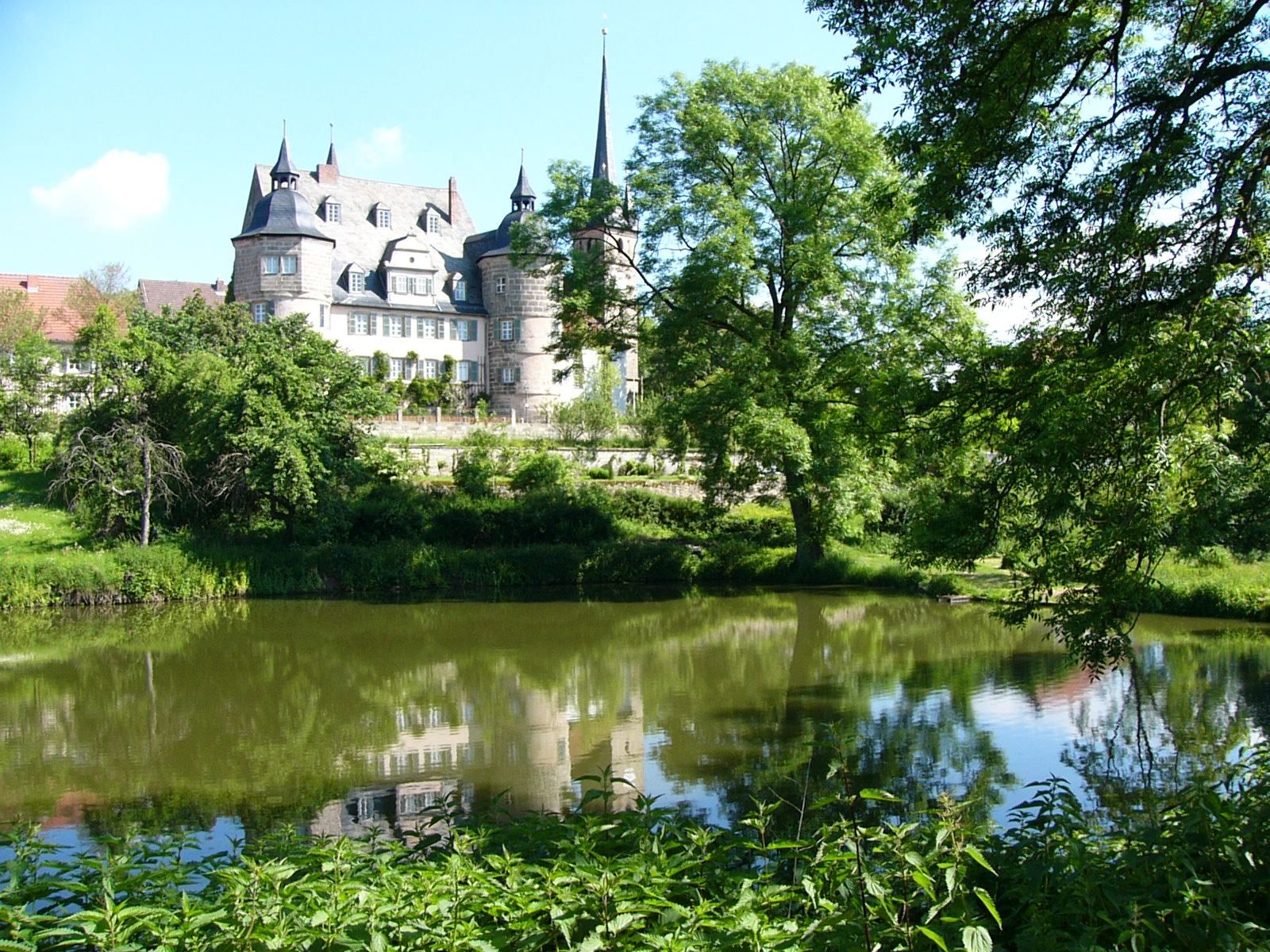
Ahorn Castle is a Renaissance castle in Germany, rebuilt in its present form in 1555 on the remains of an earlier stronghold. Its history reaches back to a castle known as Burg Ahorny, mentioned in charters near the end of the 11th century.
Early records and landholding
The surrounding holdings near Coburg belonged to Richeza, Queen of Poland, who had inherited them through her mother’s dowry. She bequeathed the properties to Anno II, Archbishop of Cologne. In 1071, he used them to endow the Benedictine monastery at Saalfeld, which he had founded. Benedictines are a Western monastic order whose communal life follows the Rule of Saint Benedict. The properties included Coburg Hill, the villages of Füllbach, Creidlitz, Ketschendorf, and Trufelistadt, the former imperial estates of Seidmannsdorf, Lauter, and Mirsdorf, and woodland near the castle.
Rebuilding and later ownership
After the Peasants’ War, a major uprising in German-speaking lands in 1524–25, Joachim von Rosenau rebuilt the castle in 1555. The Lords of Streitberg altered its appearance in 1621. Over time, ownership passed through the von Schaumberg, Muffel von Ermreuth, von Hendrich, and von Baumbach families before reaching the Barons von Erffa, who remain its owners. The castle church developed from a Gothic castle chapel.
Remains
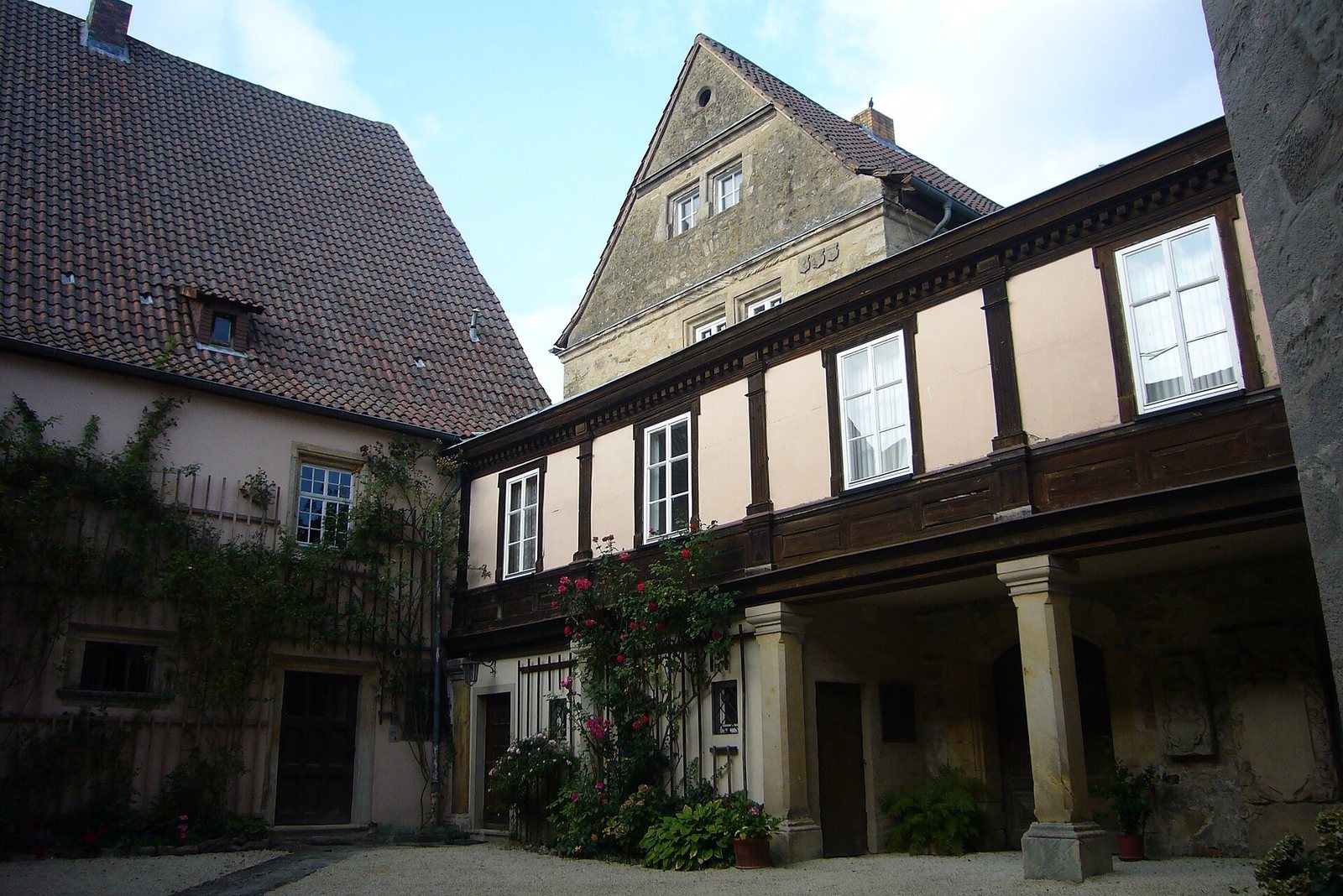
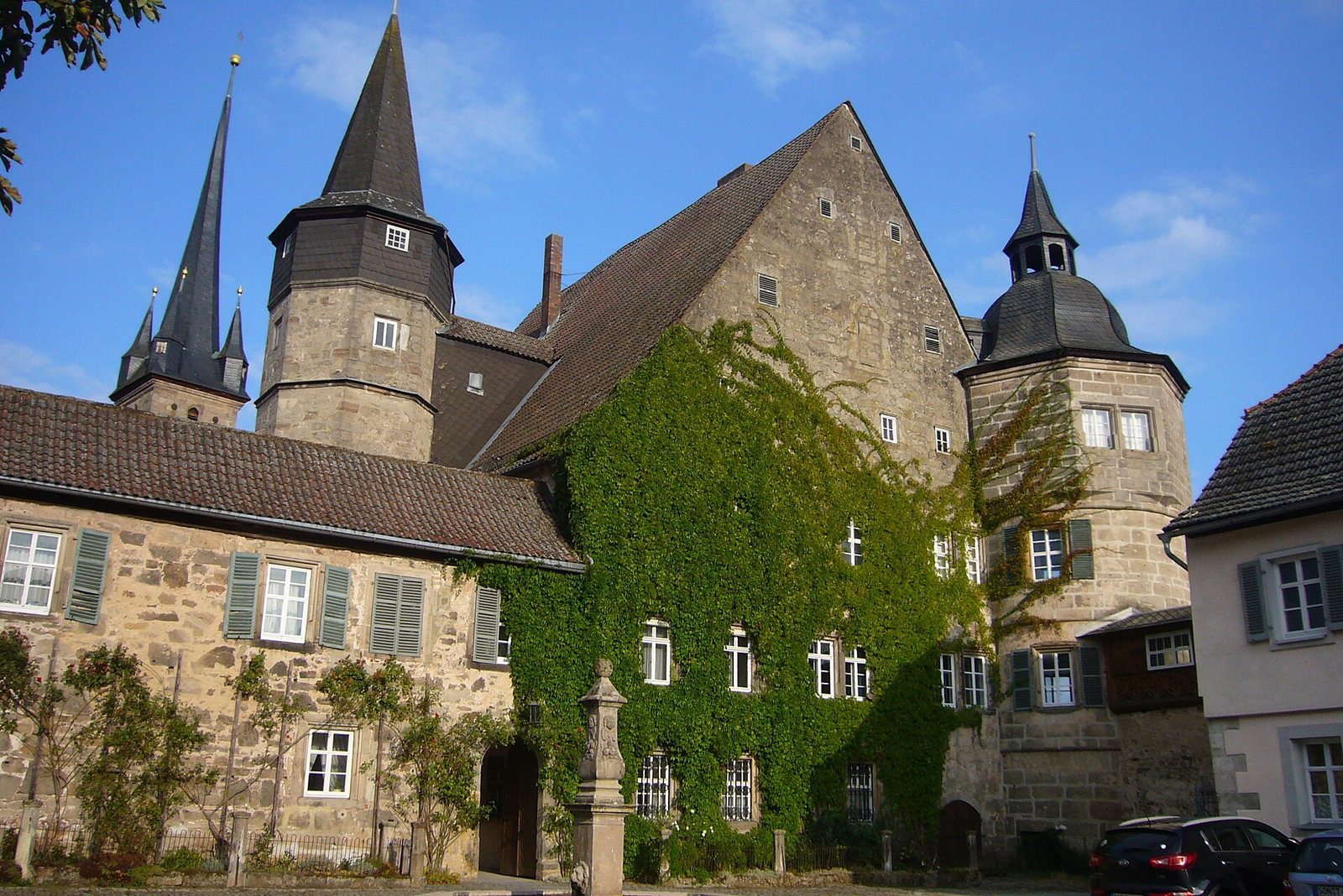
The surviving complex brings together a Renaissance castle and inner courtyard, agricultural buildings, a separate sheep-farm group, and a church. The buildings range from the castle’s Renaissance fabric to farm structures of the 18th and 19th centuries and a Baroque sheep farm.
Buildings and courtyard
Main castle
Rounded towers mark the castle’s front corners. Its small inner courtyard contains an octagonal stair tower with a spiral staircase. The steps are fixed to a stone-carved spindle rather than, as usual, to a column. The unusual construction has earned the staircase the extravagant label of an additional wonder of the world.
Manor farms
A manor farm adjoins the castle on its left, with agricultural buildings dating from the 18th and 19th centuries. Just under a kilometre away, the manor sheep farm is a Baroque complex dating to 1713; it houses the Coburg Region Equipment Museum.
Castle church
The church stands east of the castle and contains two elaborate epitaphs, funerary memorials honoring members of the Lords of Streitberg.