Schloss Isareck: A Castle in Bavaria
Site at a Glance
- Popularity
- Medium
- Country
- Germany
- Primary era
- Early Modern
- Eras represented
- Early Modern
- Civilizations
- Duchy of Bavaria, Electorate of Bavaria, Holy Roman Empire
- Site type
- Domestic
- Remains
- Castle
On this page7 sections
History
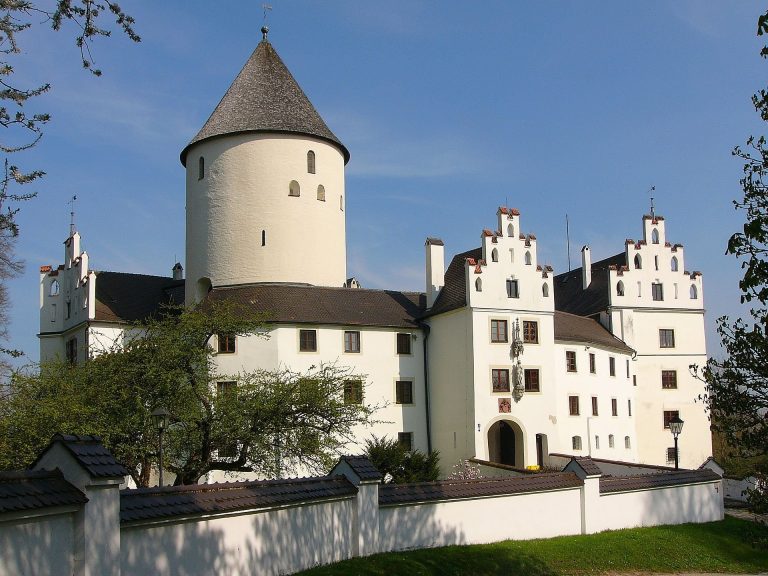
Schloss Isareck is a castle in Isareck, northeast of Wang in Bavaria, Germany. Its history spans a medieval lordship, ducal administration, and the later rebuilding of the castle.
Medieval lordship and ducal administration
The lordship of Isareck existed by 1283. It probably passed to the Wittelsbachs, Bavaria’s ruling dynasty for much of its history, through the Counts of Moosburg, a medieval noble family associated with the Bavarian town of Moosburg. From 1403, the lordship was repeatedly pledged or placed under the administration of ducal officials. It became part of the Moosburg district court in 1591.
Construction and later changes
The present castle was built between 1559 and 1570 for Albrecht V, Duke of Bavaria, by Asmus Hälmayr, a master builder from Moosburg. A fire damaged the castle in 1648, and it was rebuilt in 1664. Renovations followed between 1775 and 1777; in 1803, the southeastern half was demolished. The Counts of La Rosée have owned the castle since 1824. The complex is protected as both an architectural monument and an archaeological monument.
Remains
Layout and surviving fabric
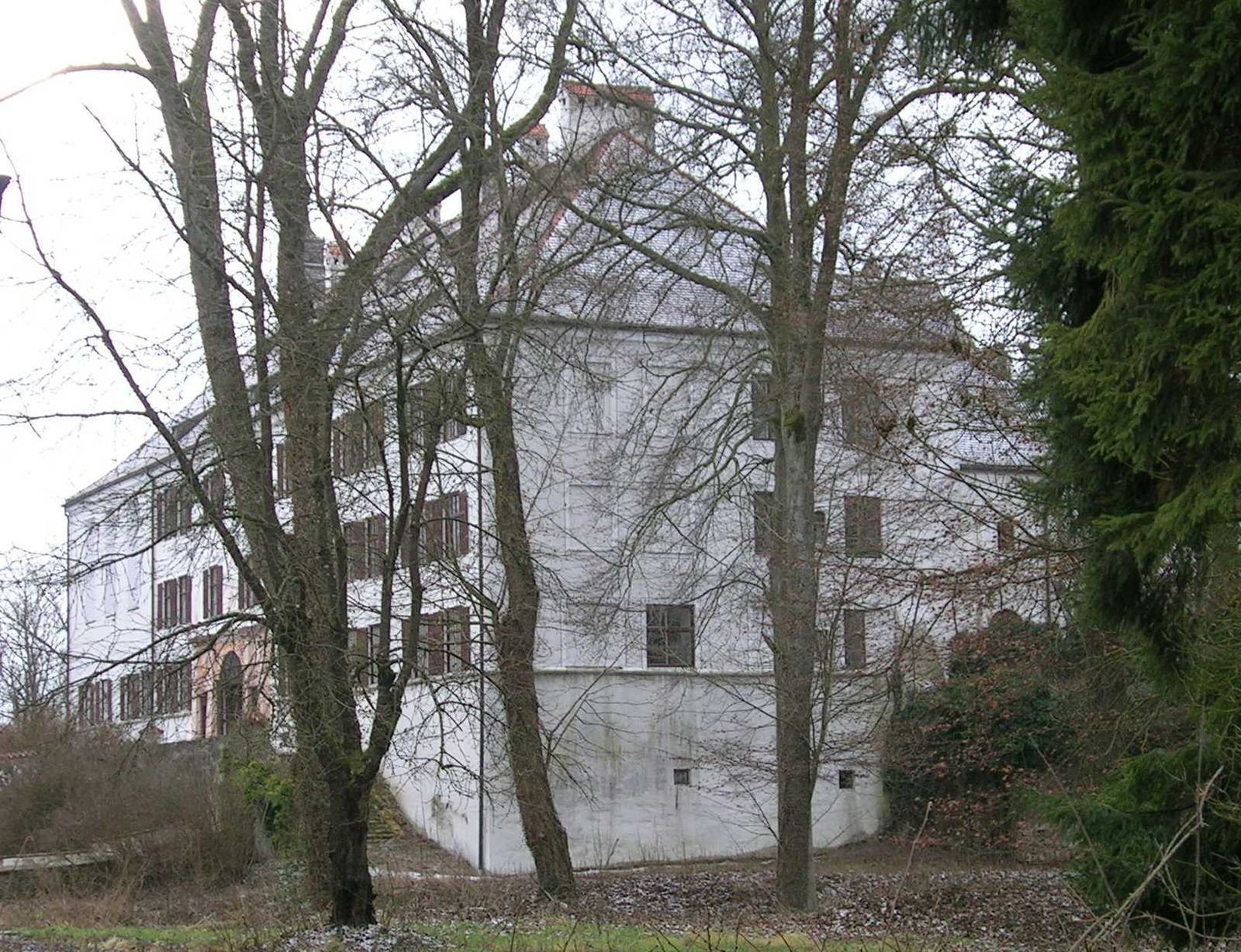
The castle stands on steep slopes above the Isar, near its confluence with the Amper. Its original plan comprised four wings.
Northeastern wing
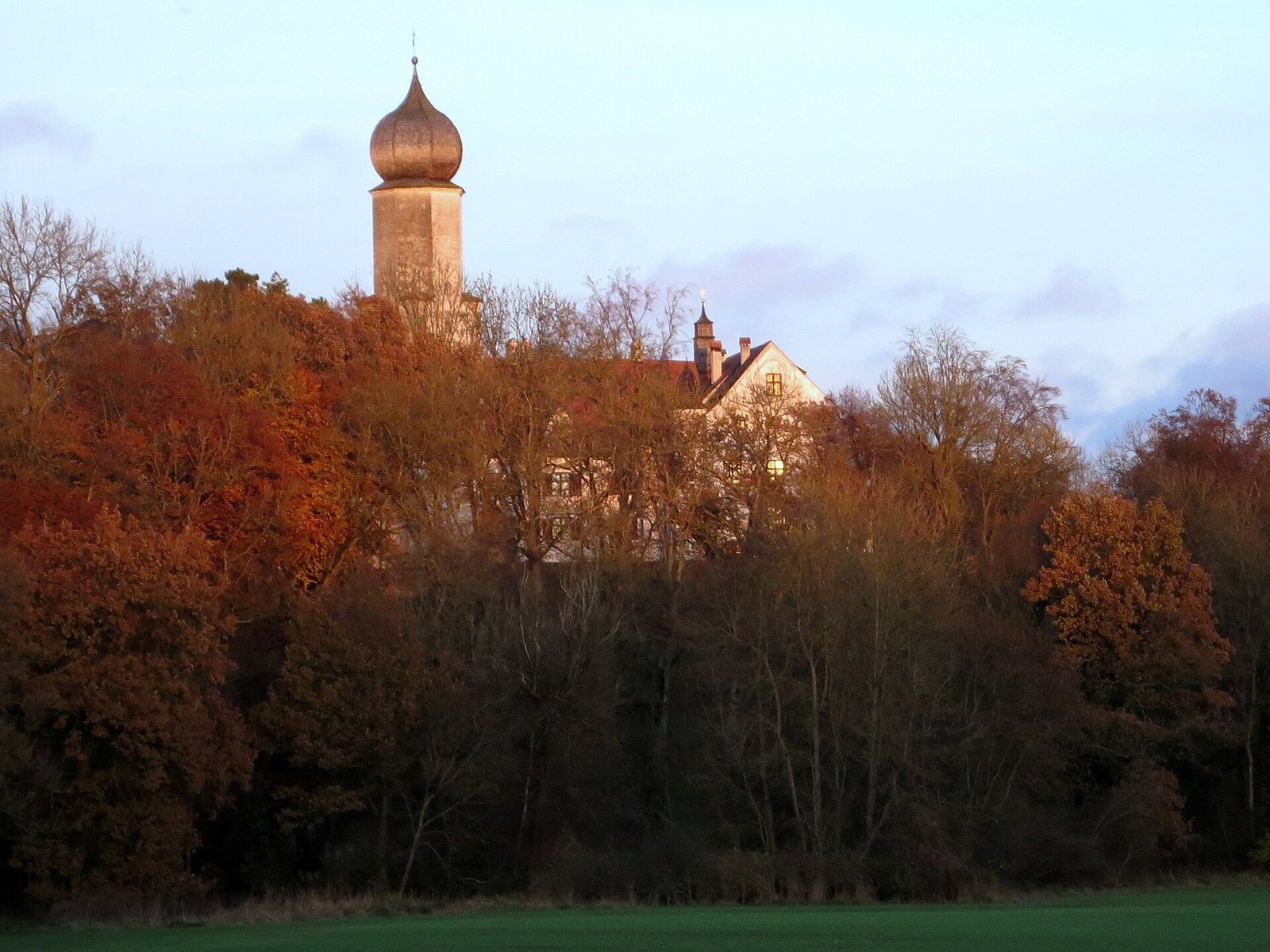
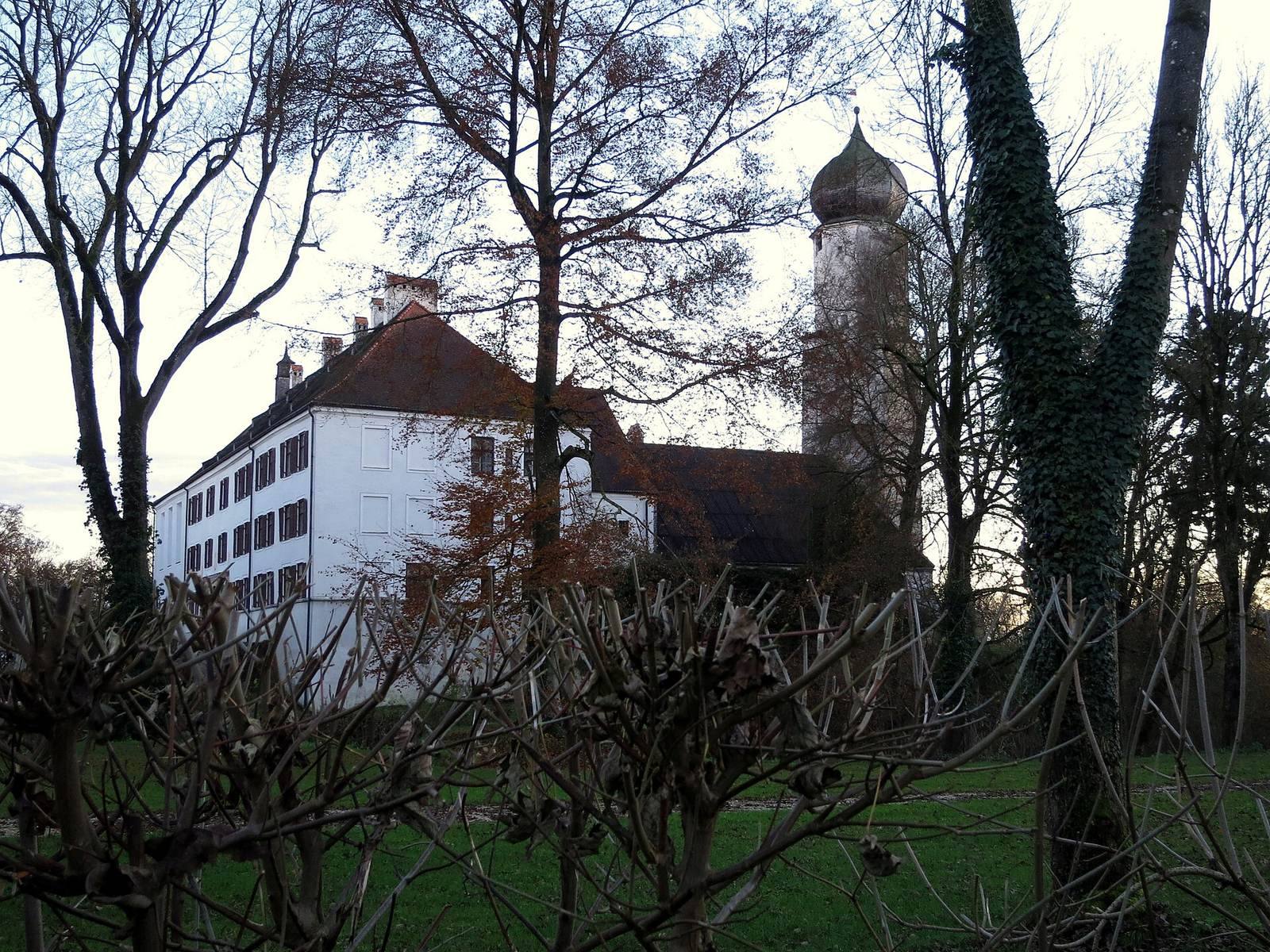
The surviving northeastern wing is three storeys high and retains its entrance portal. The Castle Chapel of St. George occupies the first floor above ground. A castle tower is topped by a bulb-shaped dome in the Baroque style, a European artistic and architectural style that flourished mainly in the seventeenth and eighteenth centuries.
Ancillary buildings and archaeological remains
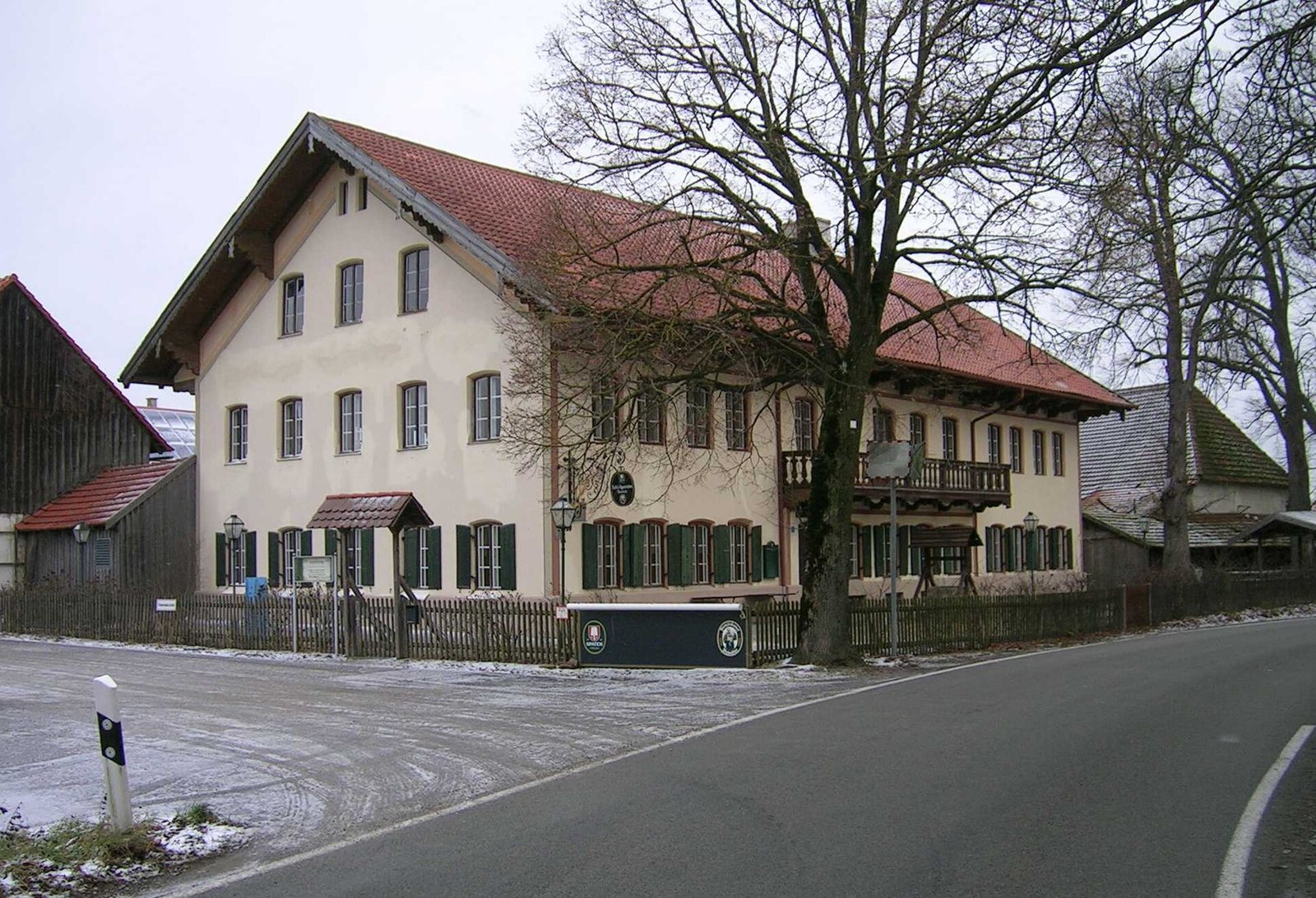
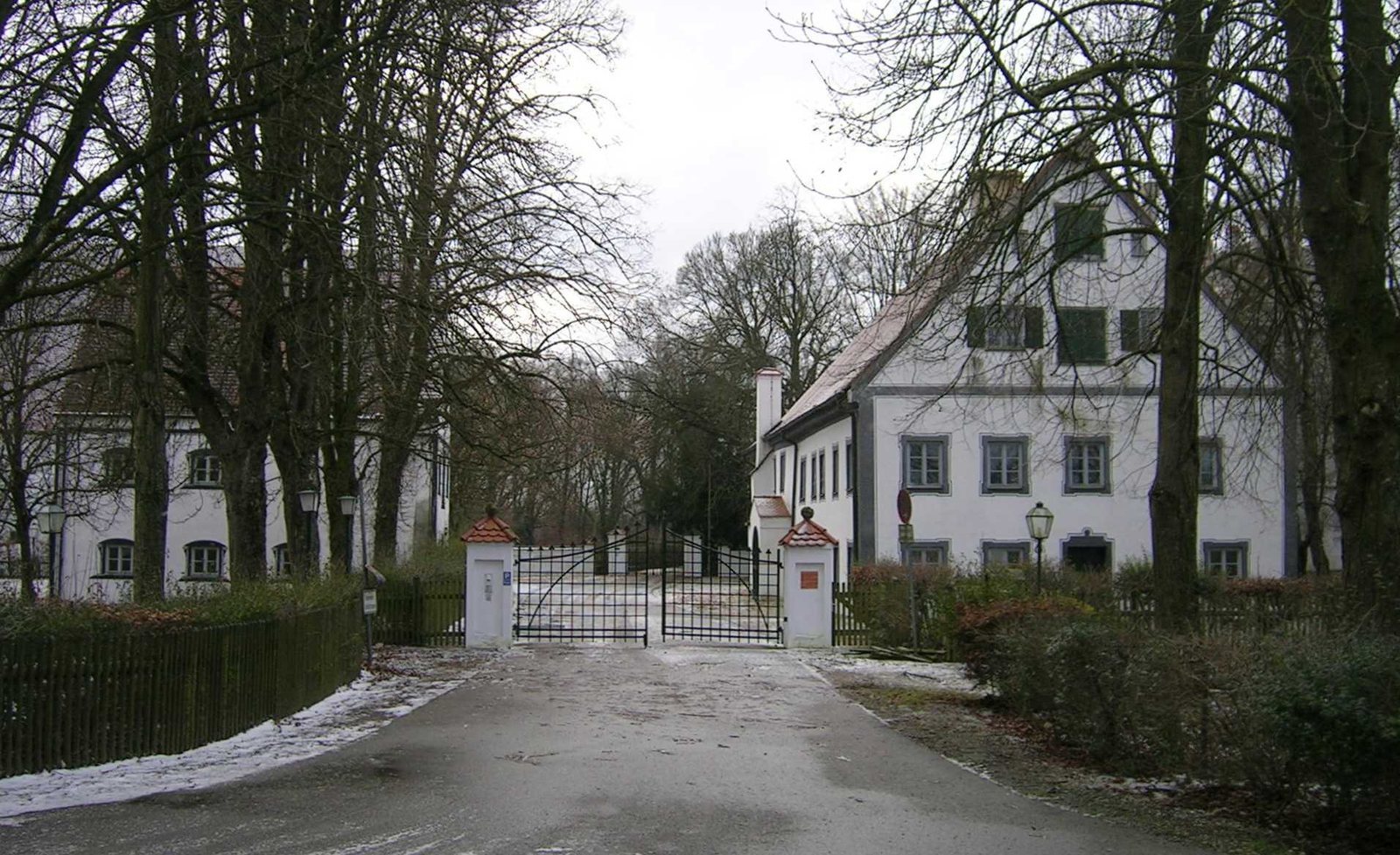
Ancillary buildings also survive. Subsurface remains from the medieval and early modern periods extend across the castle area and its predecessor buildings. The archaeological remains include a forecourt service yard.