Gondelsheim Castle: A Neo-Gothic Residence in Baden-Württemberg
Site at a Glance
- Popularity
- Medium
- Country
- Germany
- Primary era
- Modern
- Eras represented
- Modern
- Civilizations
- German, Grand Duchy of Baden
- Site type
- Domestic
- Remains
- Castle
On this page6 sections
History
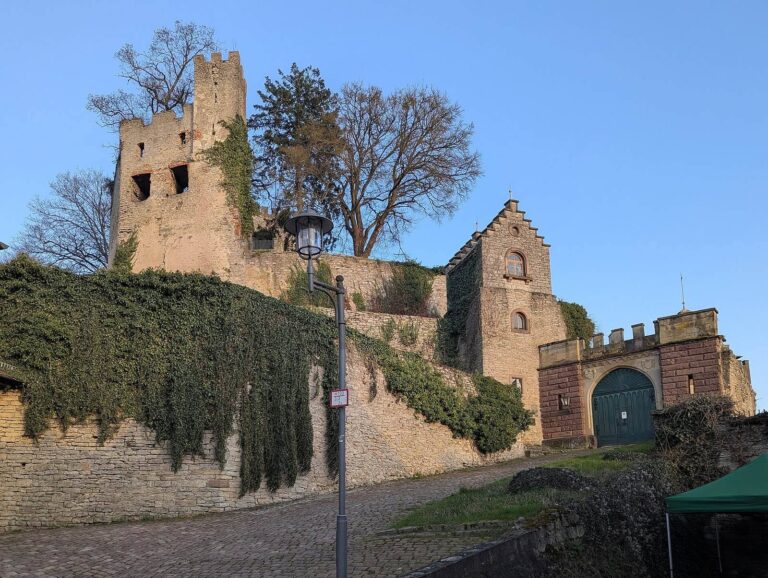
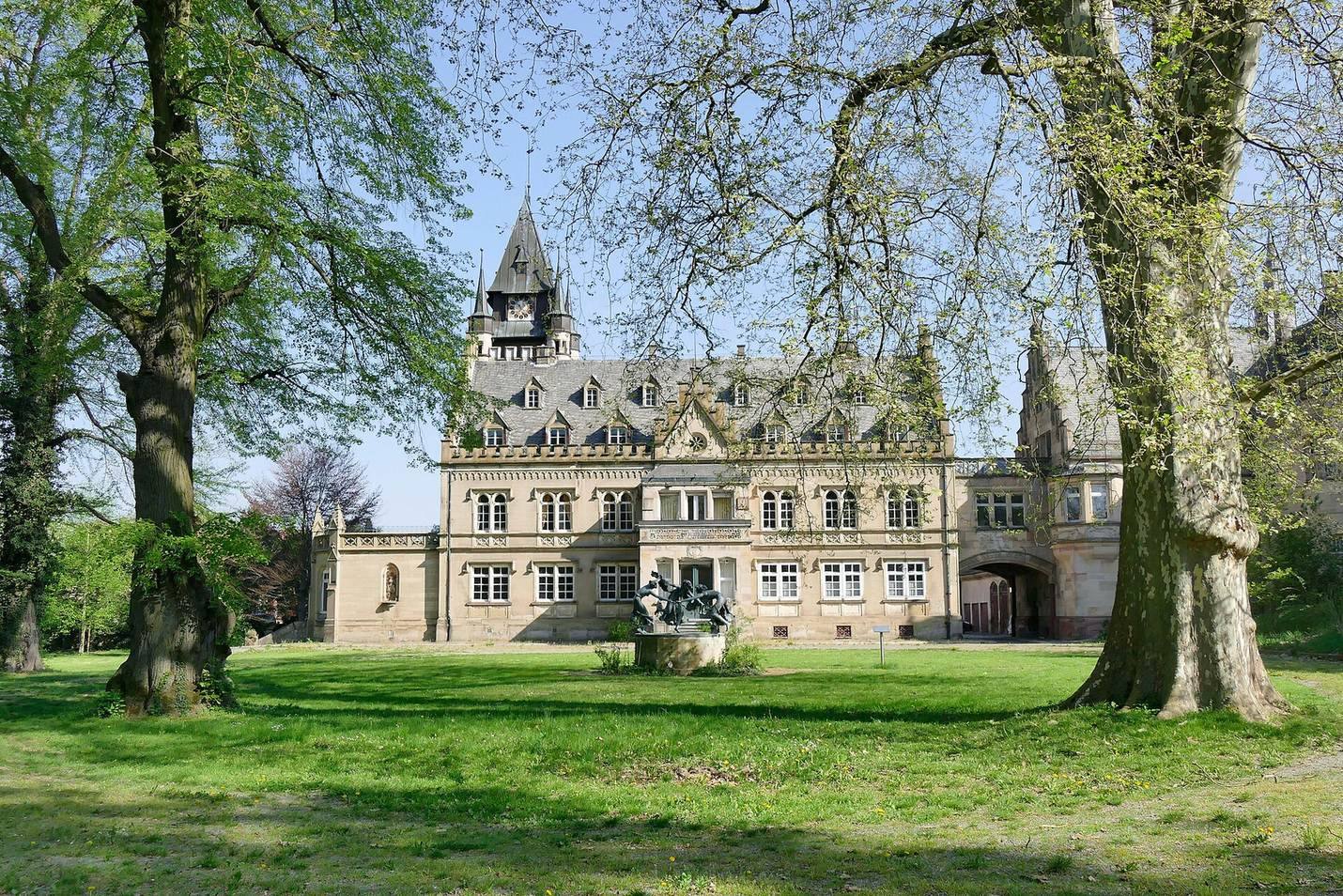
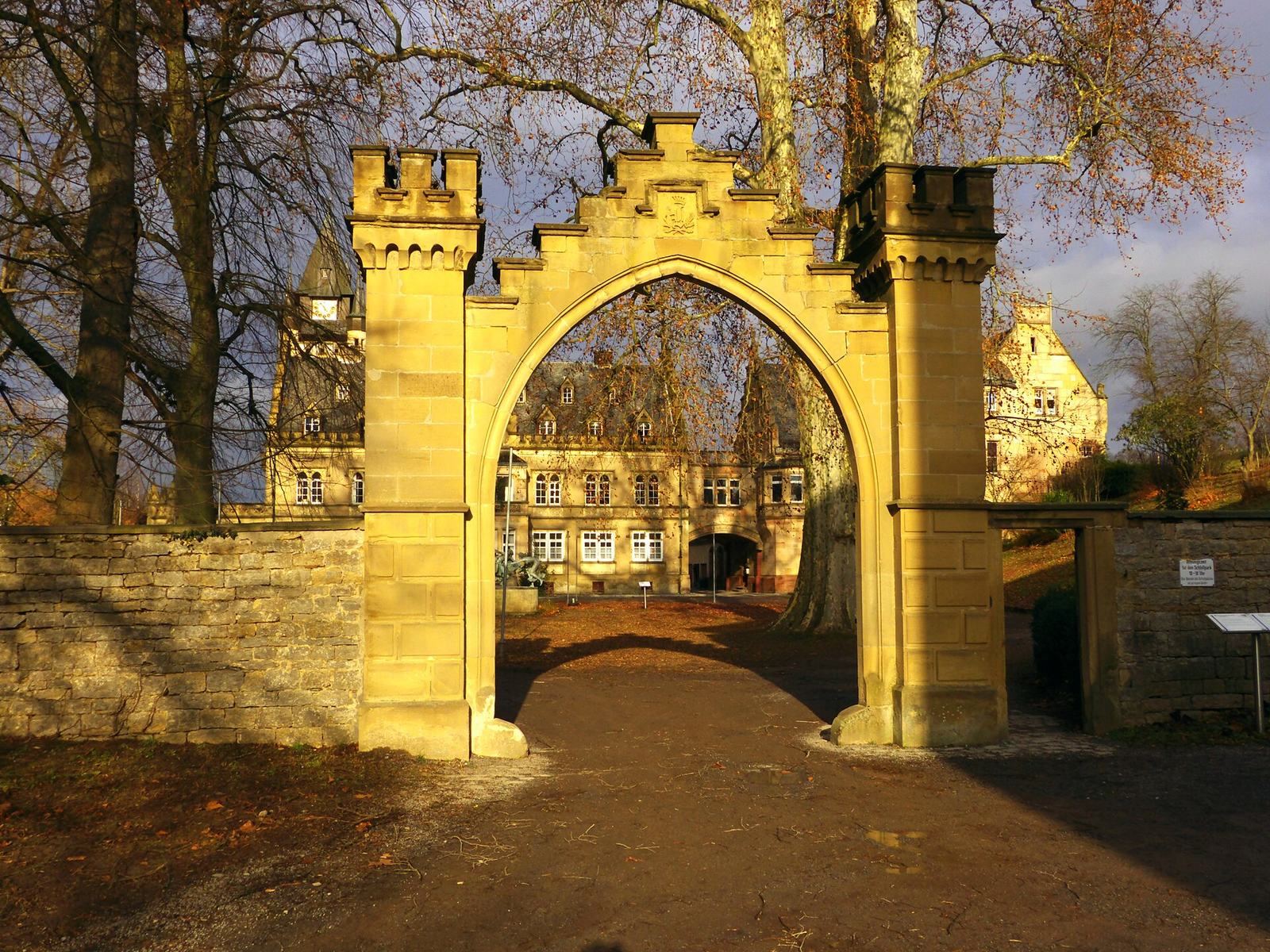
Gondelsheim Castle is a castle in Baden-Württemberg, Germany, completed in 1857 in the Scottish Neo-Gothic style, a nineteenth-century revival drawing on Scottish Gothic architecture. It stands on the site of a medieval castle.
Medieval predecessor
The earlier castle was destroyed during the German Peasants’ War, a series of uprisings in German-speaking lands in 1524–1525, and the Thirty Years’ War, a major European conflict fought from 1618 to 1648.
Ownership and succession
The Lords of Mentzingen held the property from the late seventeenth century until the late eighteenth century. In 1790, margraves Friedrich and Ludwig Wilhelm August bought it. A margrave was a hereditary territorial ruler; Ludwig Wilhelm August later became Grand Duke Ludwig I of Baden.
Ludwig I retained the castle as private property and left it to his son, Ludwig Wilhelm August, Count of Langenstein and Gondelsheim (1820–1873), who commissioned the present building. After the count died, the property passed to his sister Luise (1825–1900), wife of Carl Israel, Count Douglas (1824–1898). On 21 May 2010, Axel Count Douglas’s sale of the castle to a Heidelberg businessman was formally notarized.
Remains
Castle and wings
The castle’s main building follows the Scottish Neo-Gothic style. Freiburg architect Georg Jakob Schneider prepared its plans. Wings added in 1906 were designed in Art Nouveau, an international decorative and architectural movement prominent around the turn of the twentieth century.
Nymph Fountain
A donor-funded Nymph Fountain was installed in the castle park in 2003. It is a replica of German sculptor Walter Schott’s 1903 work Three Dancing Girls. The original sculpture is one of five examples worldwide.