Ville Huchet Castle: An Eighteenth-Century Residence in France
Site at a Glance
- Rating
- 3.7
- Popularity
- Very Low
- Country
- France
- Primary era
- Early Modern
- Eras represented
- Early Modern
- Civilizations
- French
- Site type
- Domestic
- Remains
- Castle
On this page6 sections
History
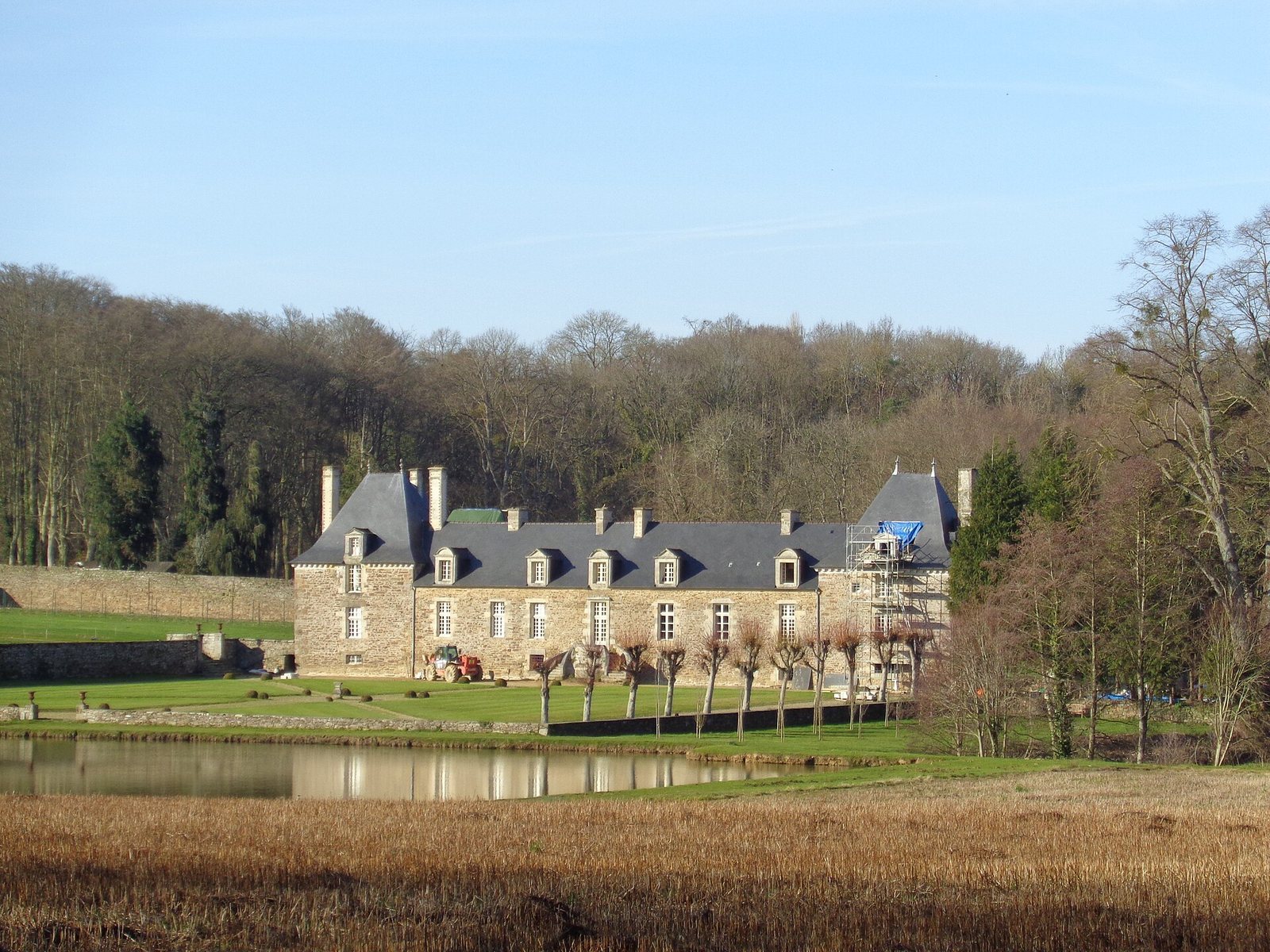
Ville Huchet Castle, also known as Château de Plouër, is a historic residence in Plouër-sur-Rance, France. Rebuilt in the early eighteenth century in the Louis XIII style, a French architectural style named for the king who ruled from 1610 to 1643, it replaced the county’s former seat.
Rebuilding in the eighteenth century
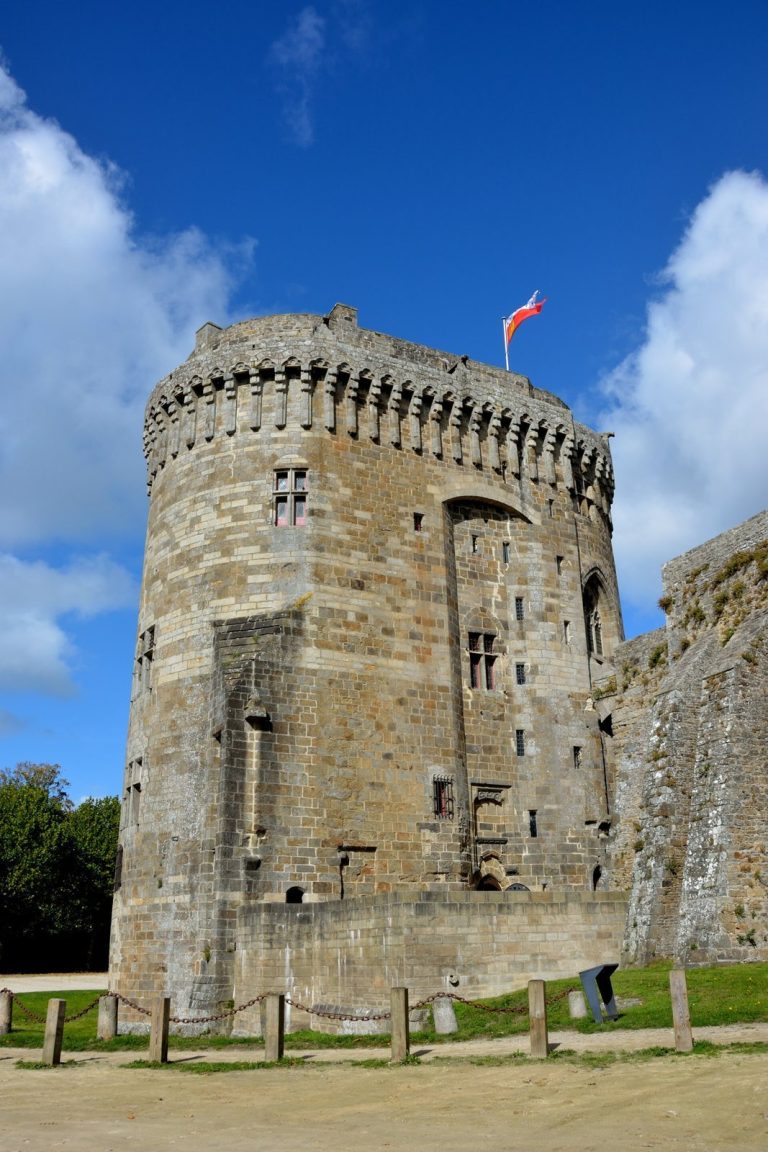
In 1695, Charles Auguste de Goyon de Matignon sold the county of Plouër to Pierre de La Haye. The former seat was the fortress of Saint-Paul, which was probably partly in ruins. Joseph de La Haye (1665–1723) transformed the old castle to create the present residence.
Later ownership and protection
The estate later passed through marriage to the Magon family, shipowners from Saint-Malo. Thierry Magon de La Villehuchet owned the château. In 2017, his nephew sold it to the Vasselot de Régné family, its current owners. The property has been listed as a French historic monument since 15 June 1964.
Remains
The château and grounds
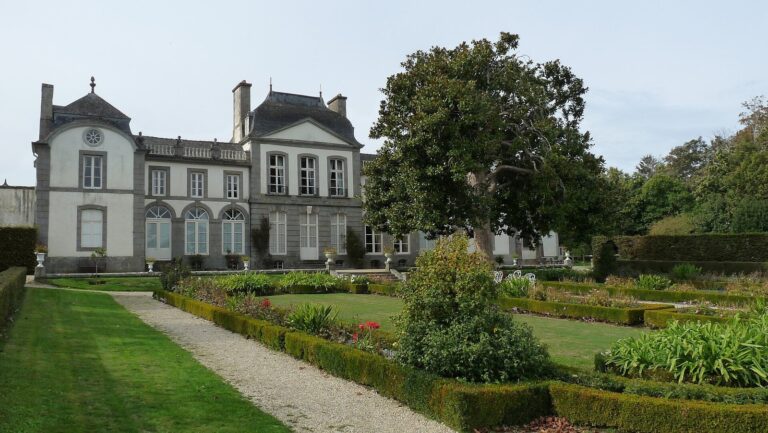
The château is built in the Louis XIII style. Its grounds were laid out with French-style parterres, ornamental garden beds arranged in formal patterns, and designed vistas.
The former fortress
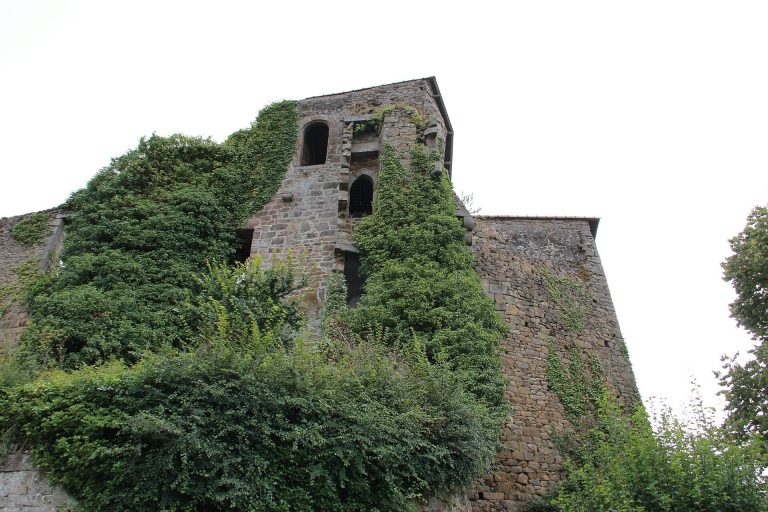
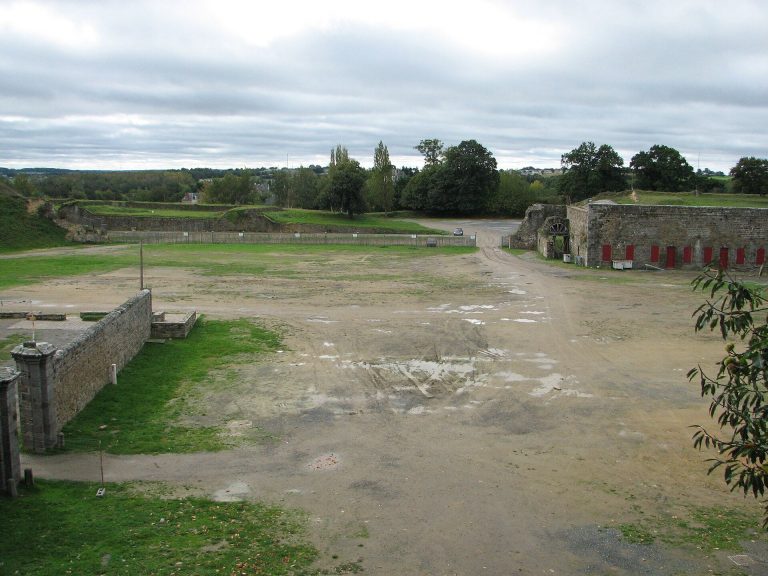
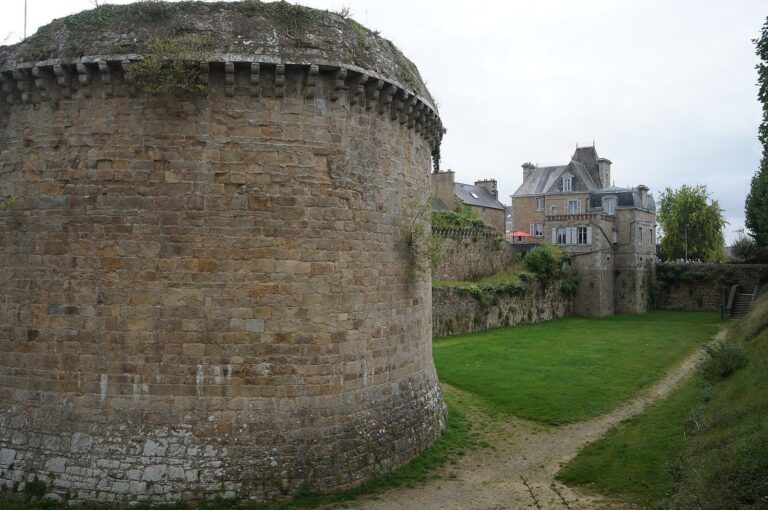
The predecessor fortress of Saint-Paul had moats, drawbridges, towers, and buildings. These features were completely altered during Joseph de La Haye’s work to create the present château.