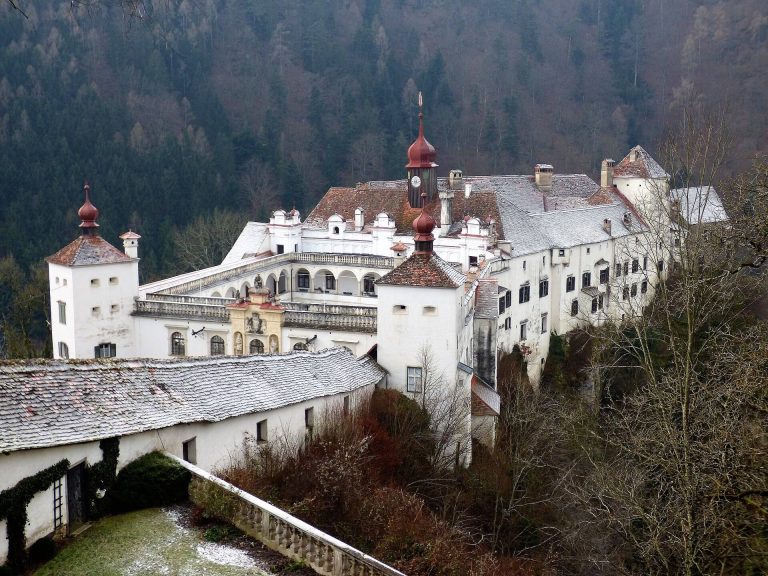
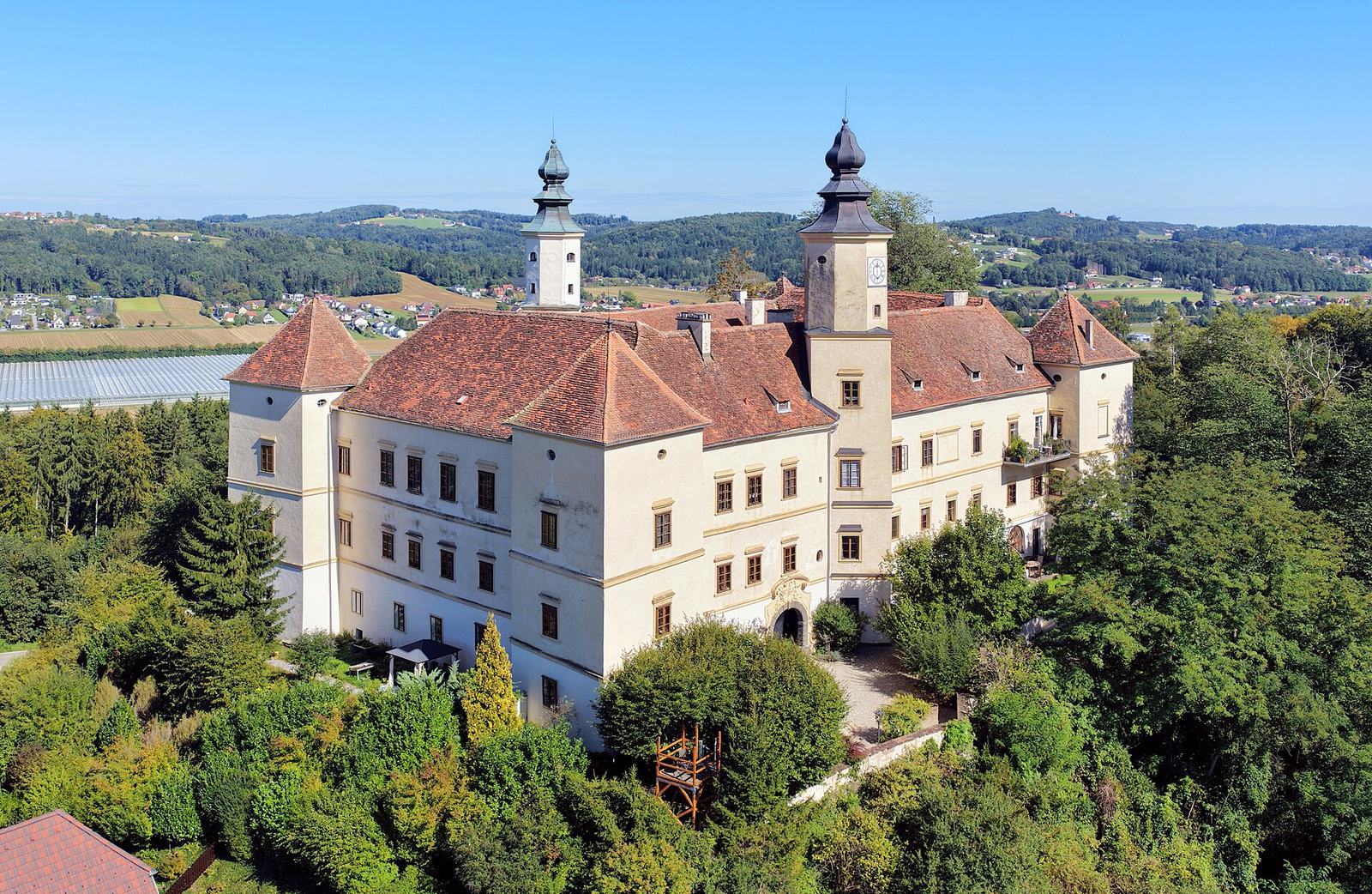
Freiberg Castle in Austria: A Medieval Castle and Cultural Meeting Place
Site at a Glance
- Popularity
- Medium
- Country
- Austria
- Primary era
- Early Modern
- Eras represented
- Medieval, Early Modern
- Civilizations
- Duchy of Styria, Habsburg, Habsburg Austria, Holy Roman Empire
- Site type
- Domestic
- Remains
- Castle
On this page9 sections
History
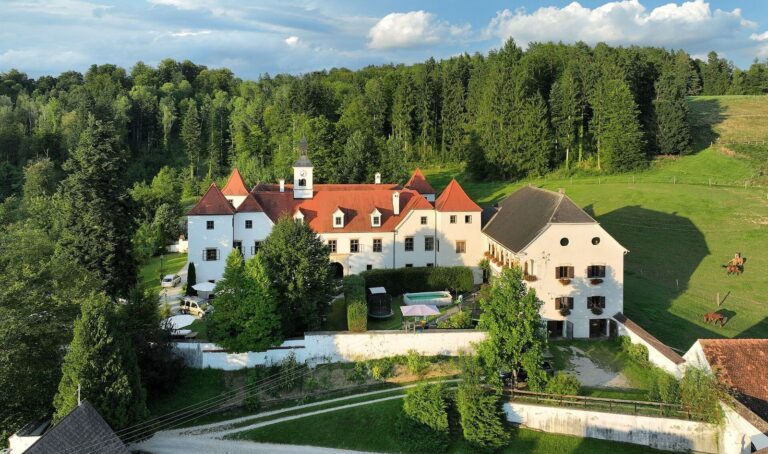
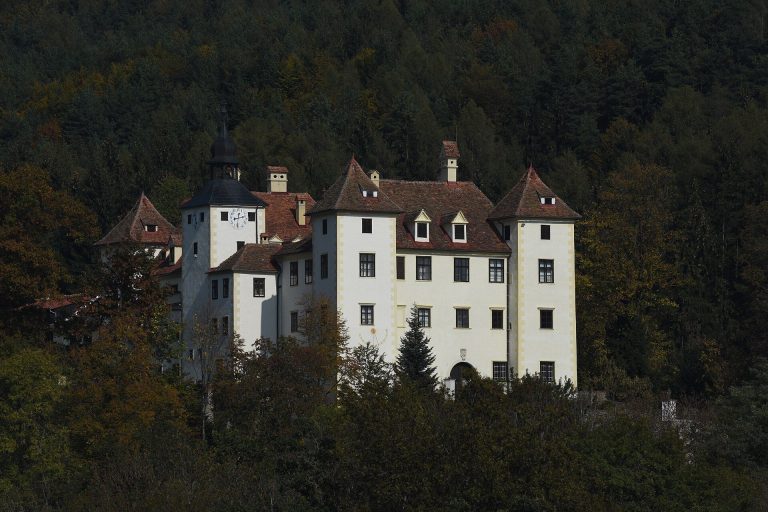
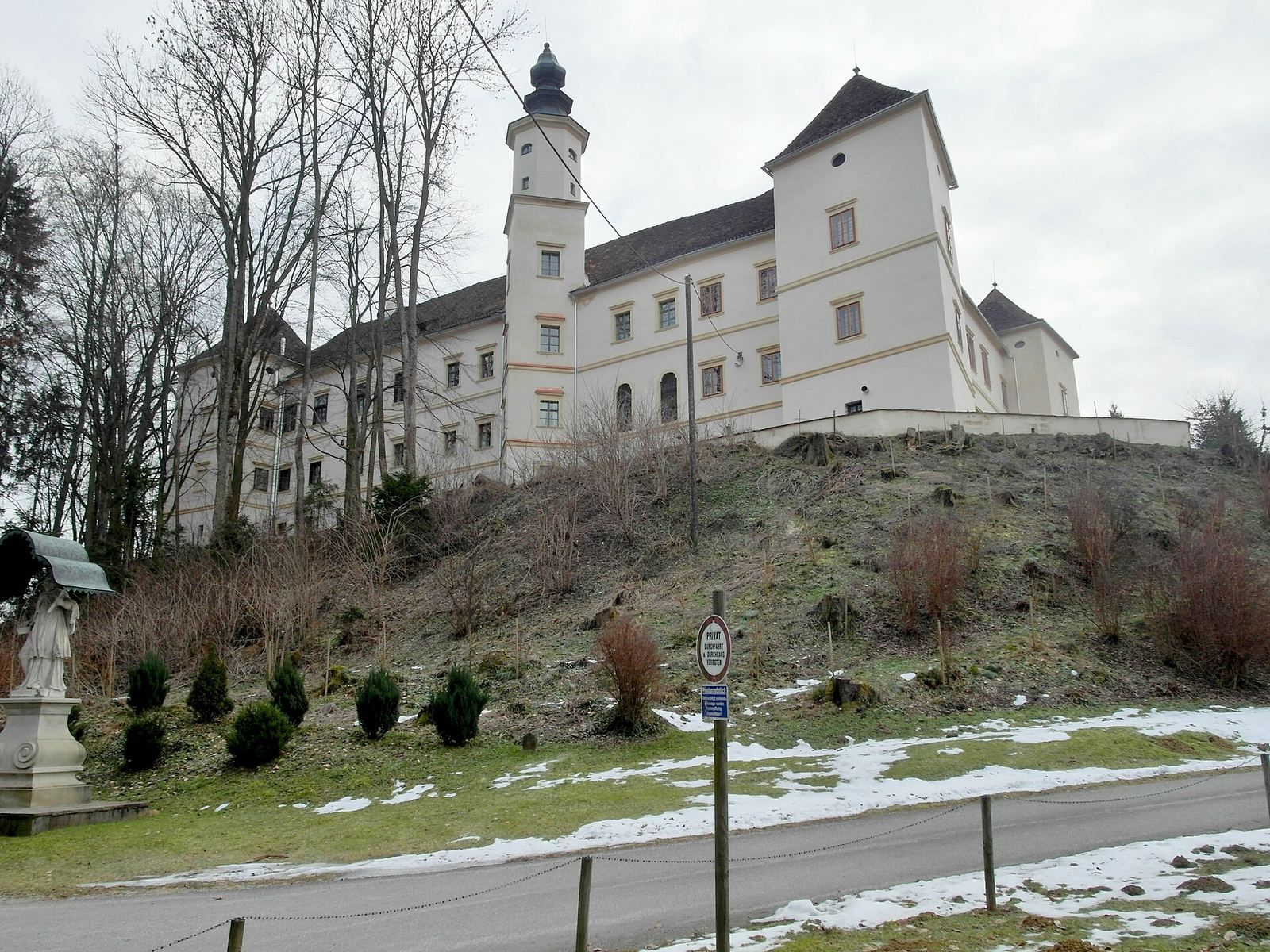
Freiberg Castle is a 12th-century castle in Ludersdorf-Wilfersdorf, Styria, Austria, built by the Freynbergers. Its first known written mention dates to 1472. In 1636, Count Ott Gottfried von Kollonitsch, a member of a Croatian noble family, acquired the castle and expanded it in the Renaissance style, a European period marked by renewed interest in classical forms. In 1679, Mühlhausen Castle and its associated lordship, an estate or territory governed by a lord, came under Freiberg’s holdings.
Ownership and restoration
The Kollonitsch family line ended in 1874, after which the castle changed hands rapidly. During the Second World War and the postwar period, it deteriorated so severely that building authorities considered closure warranted. Fischer bought the castle and undertook major repairs, but his sudden death left its future uncertain.
In 1973, Erich Mohringer and Walter Haibel bought the deteriorated property from the Province of Styria and Fischer’s son. They carried out renovations over the following decades, helping revive the castle.
A cultural meeting place
Especially during the 1970s, 1980s, and 1990s, Freiberg became a cultural meeting place. The Austrian groups Erste Allgemeine Verunsicherung and S.T.S. made their first public appearances in its banqueting hall. Jazz musicians Art Lande and Cecil Taylor also visited, and painter and graphic artist Gerald Brettschuh held his first major exhibition there.
In 1976, Austrian artists including Franz Motschnig, later known as Franz Yang-Močnik, took part in a three-week artists’ retreat at the castle. Performer Marie-Thérèse Escribano rented space there in 1982. Writer Bernhard Hüttenegger lived at Freiberg and later wrote the novel Tarnfarbe. Guitarist Peter Ratzenbeck, sculptor and media artist Hartmut Skerbisch, and violinist and conductor Thomas Zehetmair also lived there for several years.
Later ownership and cultural initiatives
After Erich Mohringer’s death, his four children inherited his half of the castle. His daughter Alexandra and her husband, Johann Kober, continued his bookbinding business. Walter Haibel sold his half in spring 2007.
Artist Winfried Lehmann held an art event at the castle in both 2013 and 2014 as part of Kunst Ost’s Aprilfestival. He brought entrepreneur Ewald Ulrich, whose company headquarters is based at the castle, into the project as a partner. In 2014, the Aprilfestival developed into an independent cultural initiative.
Remains
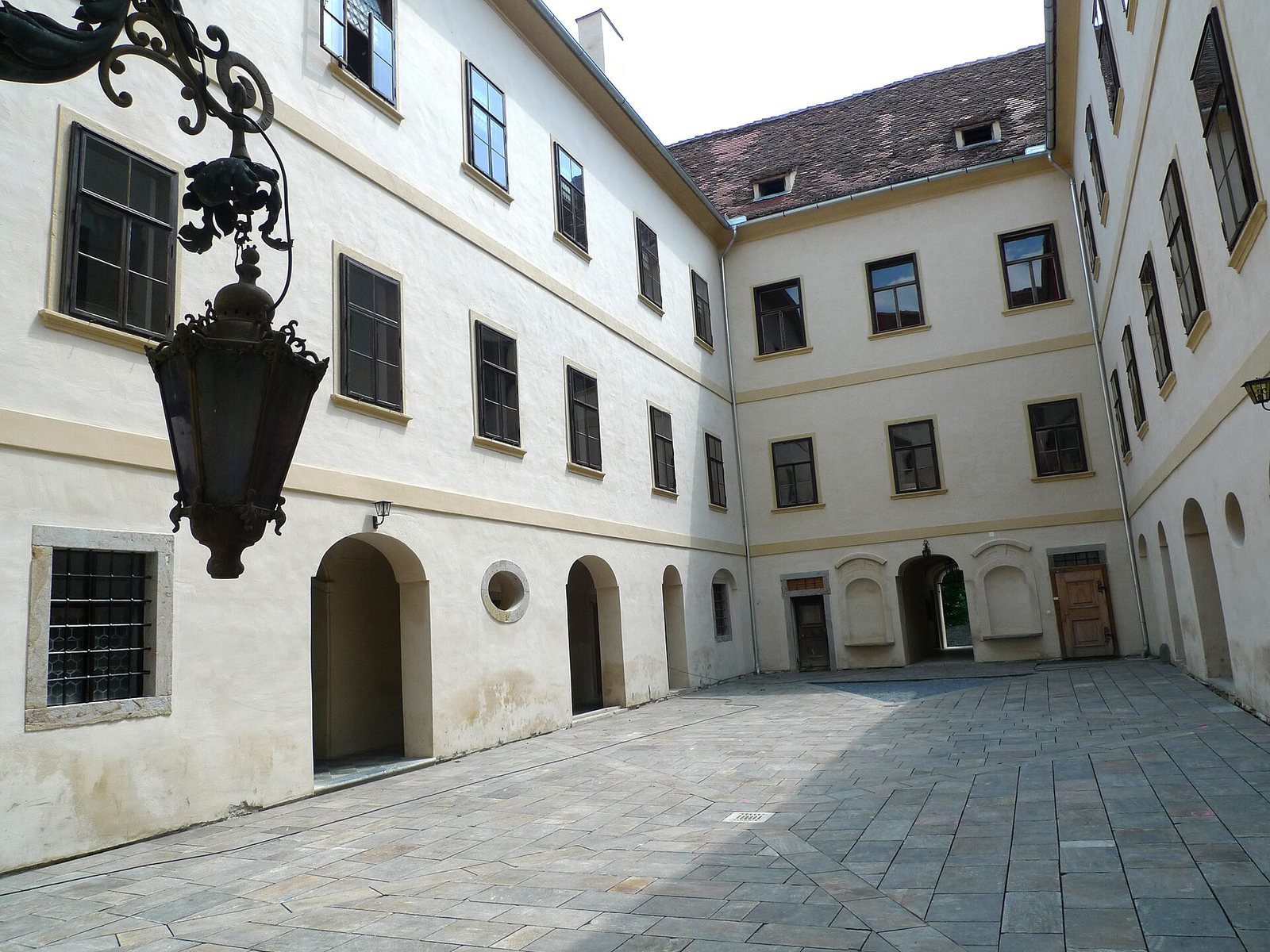
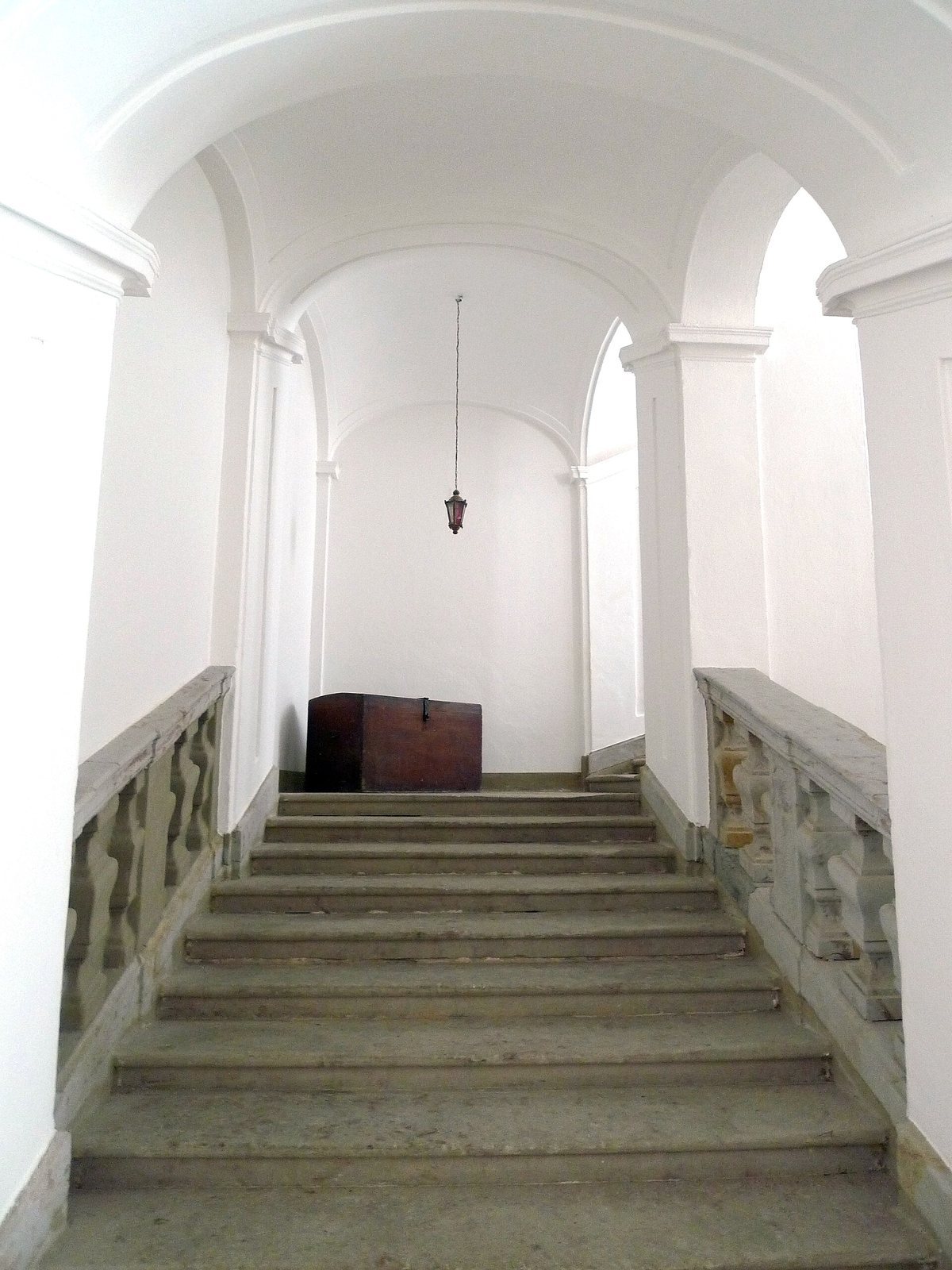
The castle’s interior brings together religious, ceremonial, residential, and commercial uses. Its features include alterations made in 1747, a Rococo-style banqueting hall, and rooms adapted for apartments after renovations began in 1973.
Interior spaces
Chapel and main staircase
The chapel and main staircase were among the parts of the castle altered in 1747.
Banqueting hall
The banqueting hall is in the Rococo style, an 18th-century style known for elaborate decorative design.
Rooms and ground floor
Renovations after 1973 included work on the castle’s rooms and the creation of apartments. The ground floor housed an inn and Erich Mohringer’s bookbinding workshop.