Dardana Fortress: A Dardani Settlement and Late Roman Fortification in Kosovo
Site at a Glance
- Popularity
- Medium
- Country
- Kosovo
- Primary era
- Classical
- Eras represented
- Classical, Medieval
- Civilizations
- Illyrian, Roman
- Site type
- Military
- Remains
- Fort
On this page7 sections
History
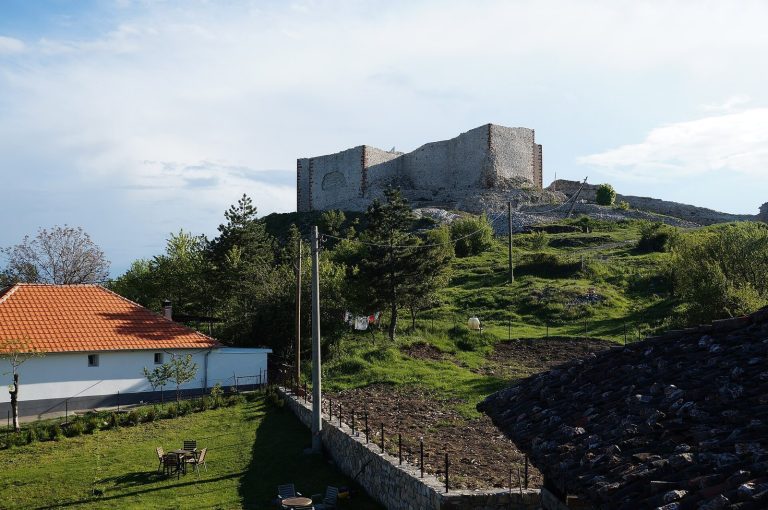
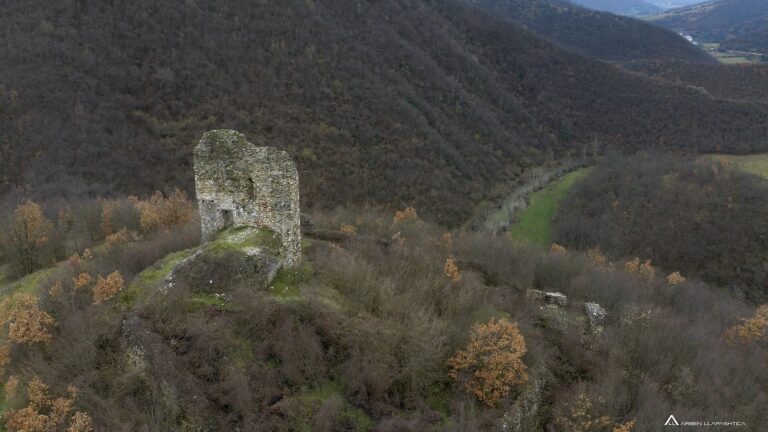
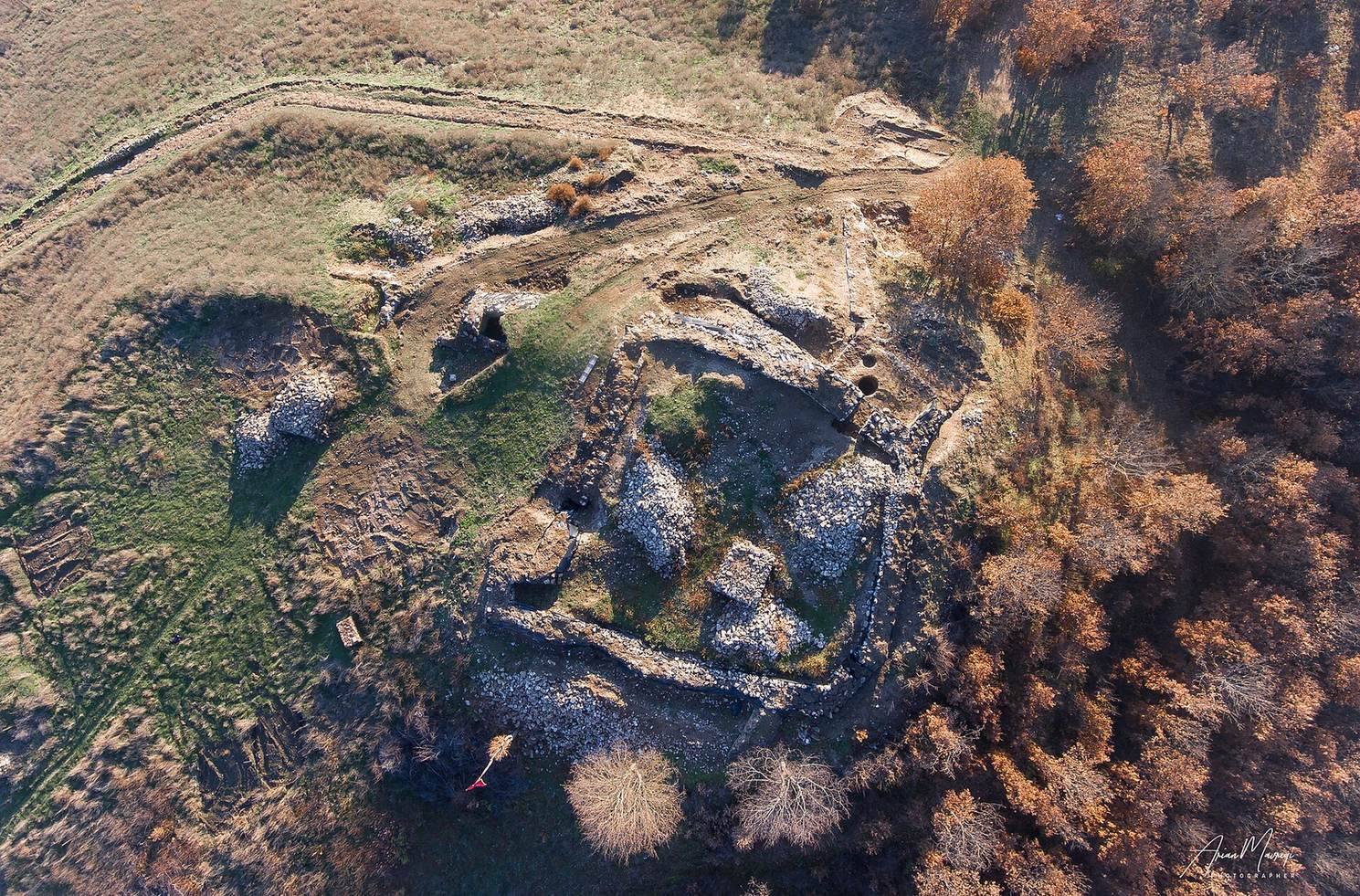
Dardana Fortress is a hilltop settlement and fortification northwest of Kamenica in eastern Kosovo. It served as a settlement and fortress of the Dardani, an ancient people of the central Balkans, during Classical-Hellenistic antiquity (5th–4th centuries BCE), the era of classical Greek and Hellenistic culture. Rebuilt in the late Roman period, it remained in use through Late Antiquity (4th–6th centuries CE), the later ancient centuries during the transition from Roman rule toward the medieval period.
Early archaeological phases
The earliest finds thought to have originated at the site date to the Bronze Age and consist mainly of pottery fragments. Its archaeological sequence also includes a Late Bronze Age/Iron Age phase dated to the 8th–7th centuries BCE.
Late Roman rebuilding
In the late Roman period, the fortress was rebuilt as part of the defensive system of the Roman province of Dardania, a Balkan region that became a Roman province. Late Antiquity was the final phase of habitation and use at the site.
Archaeological investigation and heritage
The site was discovered in the 1970s, and intensive excavation began in 2012. Archaeologists Shafi Gashi and Klodian Velo have worked there, and the Archaeological Institute of Kosovo manages the site. A chance discovery in 1992 helped illuminate Illyrian burial customs, while excavation at the fortress has added to knowledge of trade between Dardania and the Mediterranean region. Since 2015, the site has been designated an archaeological monument within Kosovo’s cultural heritage.
Remains
Hilltop layout and fortifications
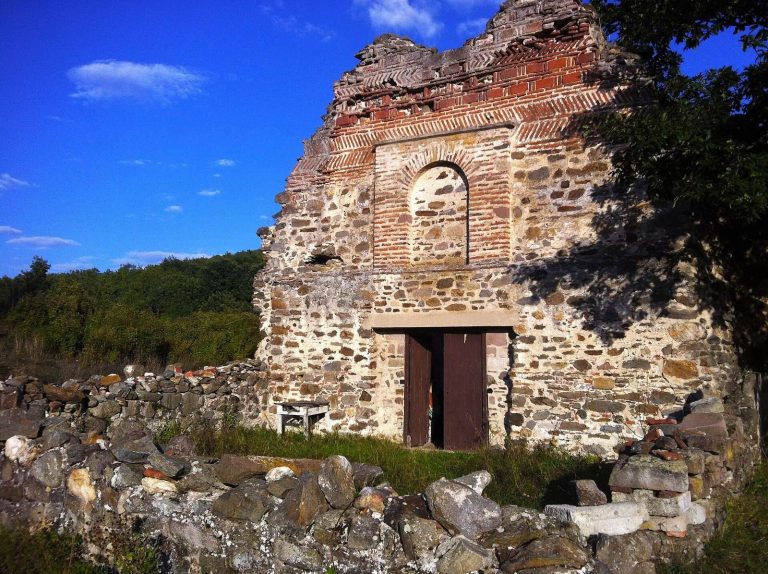
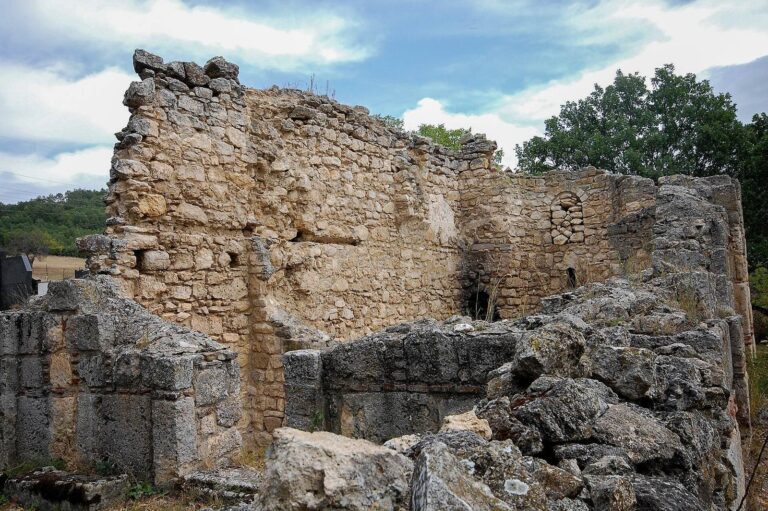
The site covers about 3 hectares on a hill at an elevation of 560 metres. Its irregular ground plan follows the hill’s contours, and its defences comprise two lines of ramparts. Most excavated structures, including walls, towers and dwellings, date to Late Antiquity. The walls were built from medium-sized local sandstone using core-and-veneer construction, with a stone core faced by outer layers. They range from 140 to 210 centimetres wide.
Archaeological finds
Two stone axes, fragments of a flint knife and a pierced stone hammer are among the Late Neolithic finds considered to have been brought to the hill from elsewhere. The earliest material thought to have originated at the site is mainly Bronze Age pottery. A funerary stele, an upright stone slab associated with burial or commemoration, was found at the foot of the hill.