Dagstuhl Castle: A Historic Residence and Computer-Science Research Center
Site at a Glance
- Popularity
- Medium
- Country
- Germany
- Primary era
- Early Modern
- Eras represented
- Early Modern, Modern
- Civilizations
- German, Holy Roman Empire
- Site type
- Domestic
- Remains
- Castle
On this page9 sections
History
Medieval origins and the Lasalle family
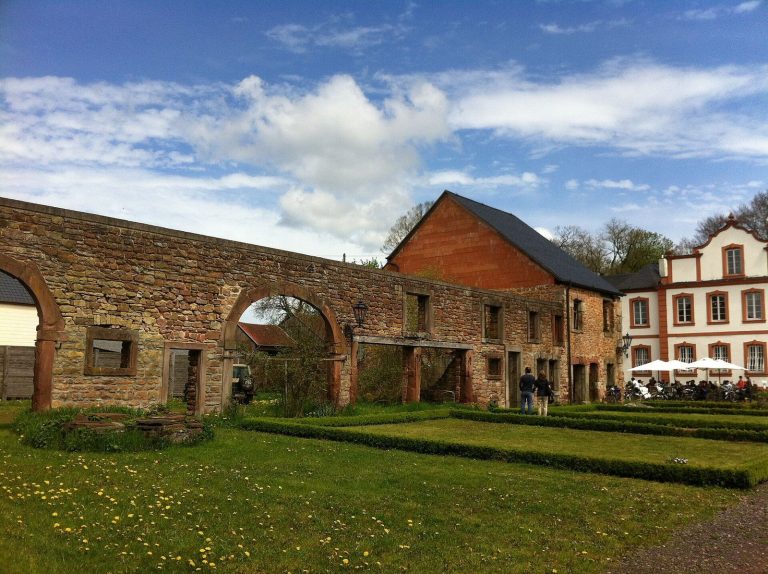
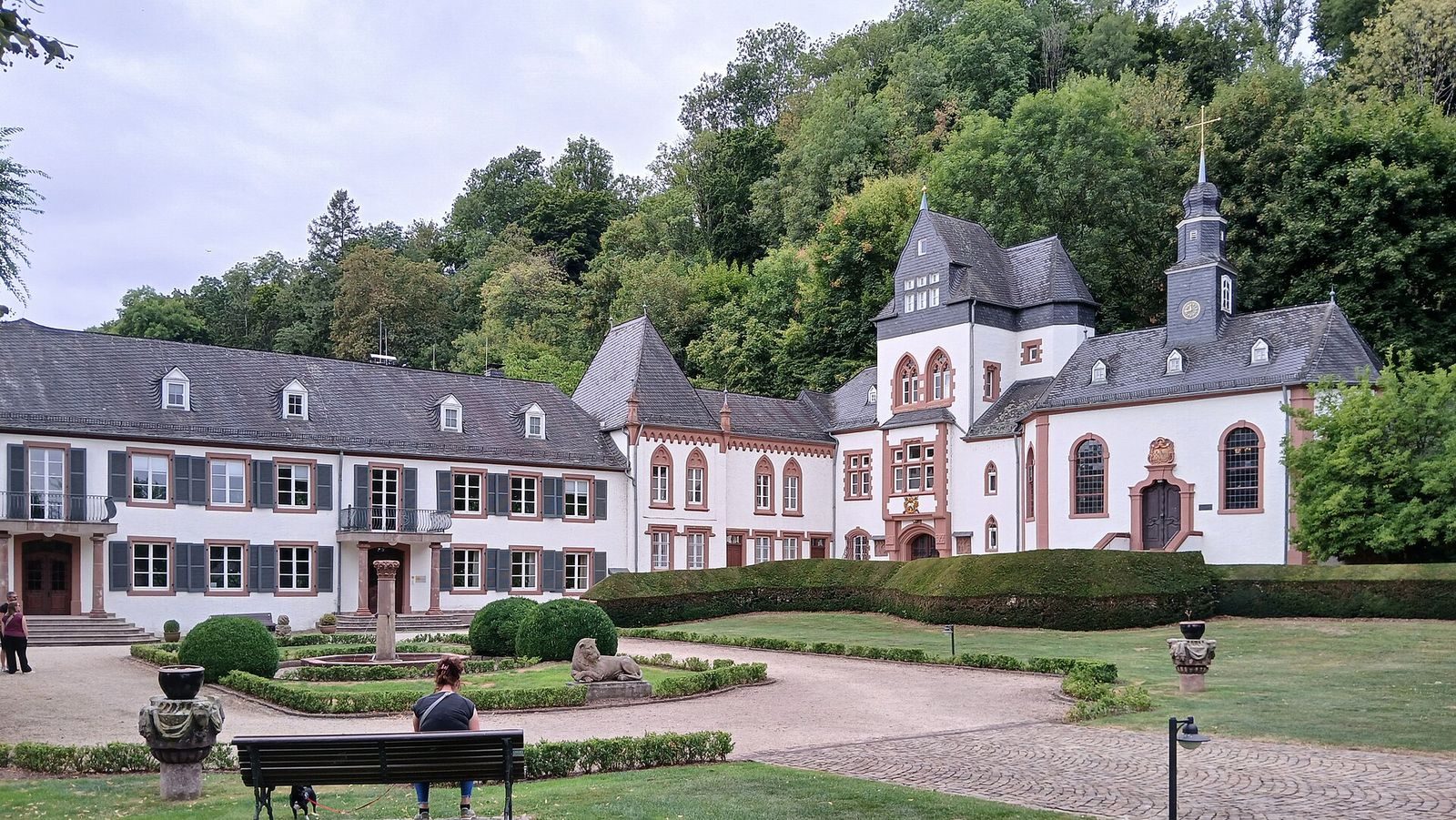
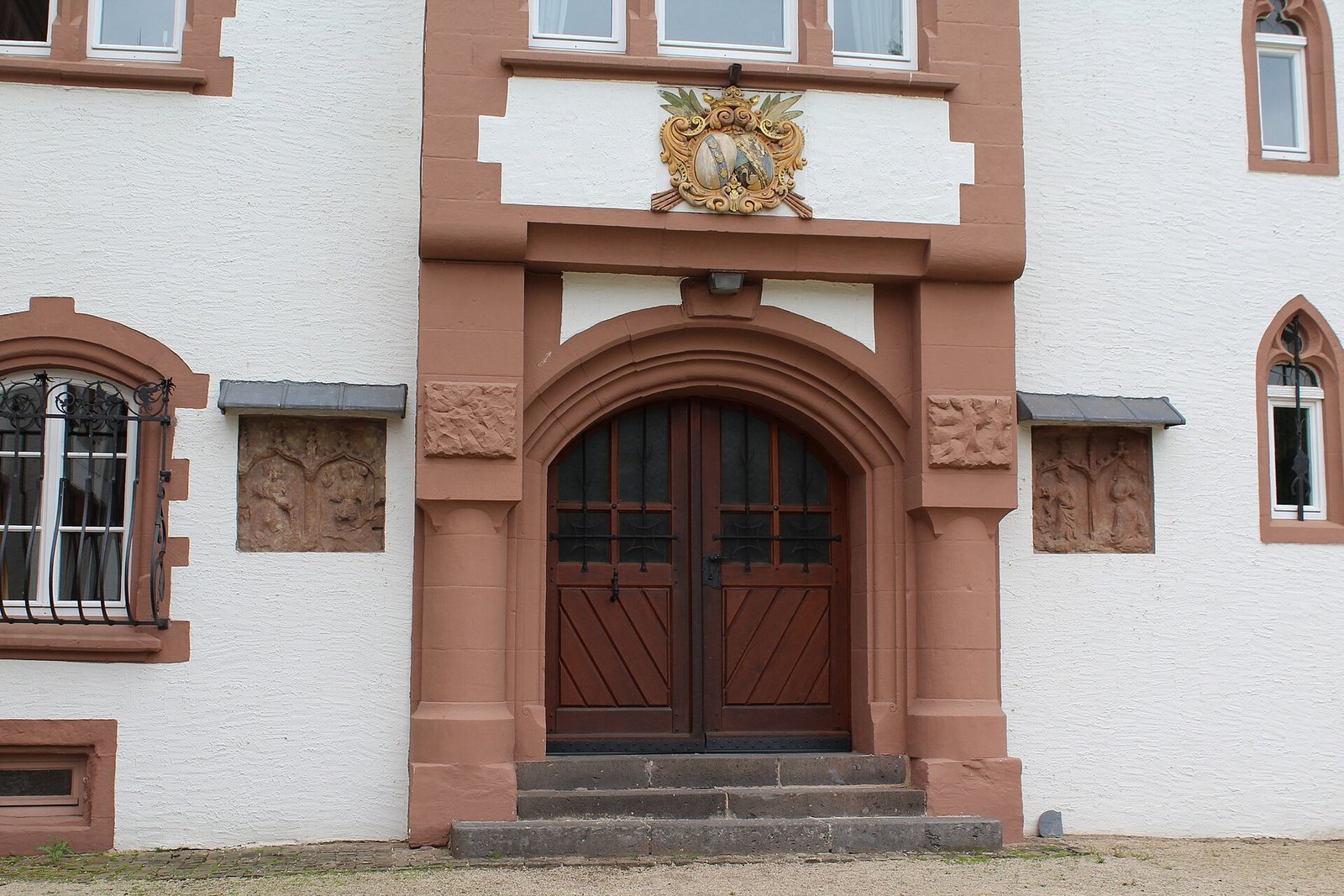
Dagstuhl Castle is an eighteenth-century castle in Dagstuhl, near Wadern in Saarland, Germany. Count Anton von Öttingen-Soetern-Hohenbaldern built it in 1760 at the foot of a fortified castle that had stood there in the thirteenth century.
After French Revolutionary troops entered the area, the estate’s lands were leased. Baron Wilhelm de Lasalle von Louisenthal acquired the castle in the early nineteenth century, and his family lived there until 1959.
The baron’s daughter, Octavie de Lasalle (1811–1890), was a painter known as the “Painter Countess.” The Lasalle heirs enlarged the castle in 1905–06.
From religious residence to research center
In 1959, the Lasalle family transferred the castle and associated buildings to the Franciscan Sisters, members of religious communities inspired by Francis of Assisi. By 1961, the sisters had taken over the complex and established a retirement home. The Franciscan Sisters of Waldbreitbach later assumed responsibility for the home.
The castle became state property in 1989. The governments of Saarland and Rhineland-Palatinate established an international computer-science research center there, modeled on the mathematics center at Oberwolfach. The Leibniz Centre for Informatics was established at Dagstuhl in 1990. It operates as a nonprofit, supported by public and private funding and by German and international research institutions.
Remains
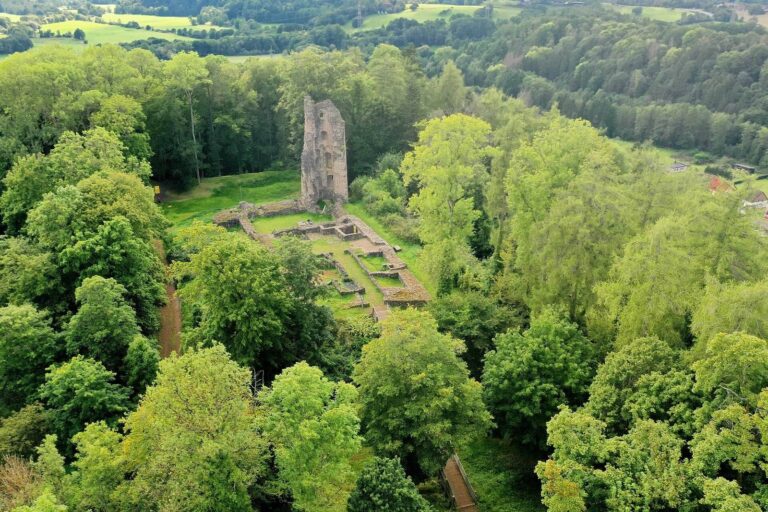
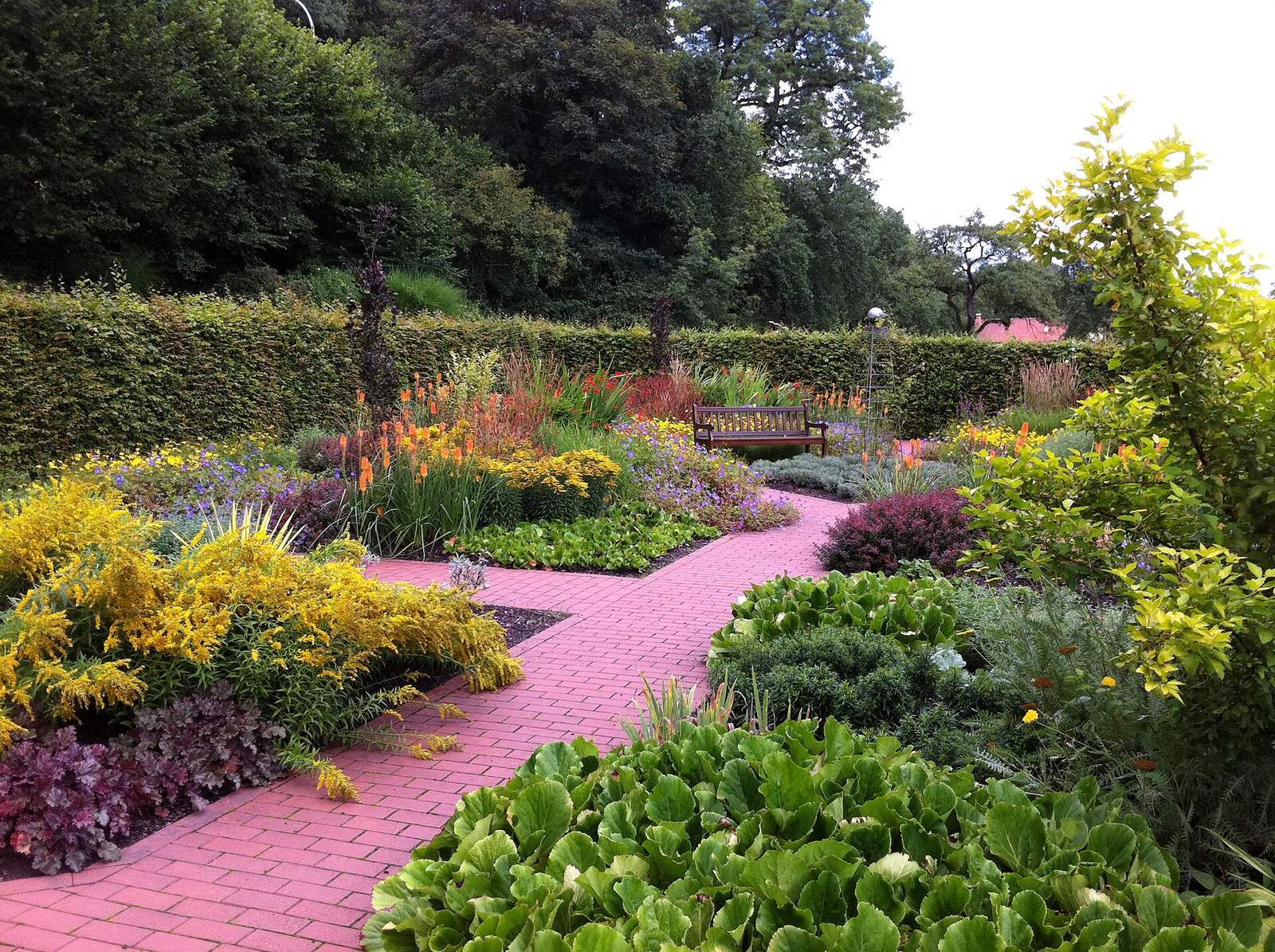
The present castle stands beside the lower Lösterbach, a tributary of the Prims. Opposite it is a Baroque garden, a formal landscape arranged in geometric patterns; ruins of the earlier fortified castle survive nearby. The present complex includes the eighteenth-century building and later additions.
The main castle and chapel
Main house and connecting building
The castle was enlarged with additions for the research center. Part of the building uses Neo-Gothic forms, which revive features of medieval Gothic architecture. The main house and chapel are linked by a historicizing connecting building, designed to draw on earlier architectural styles. This link includes a section of a tower.
Chapel
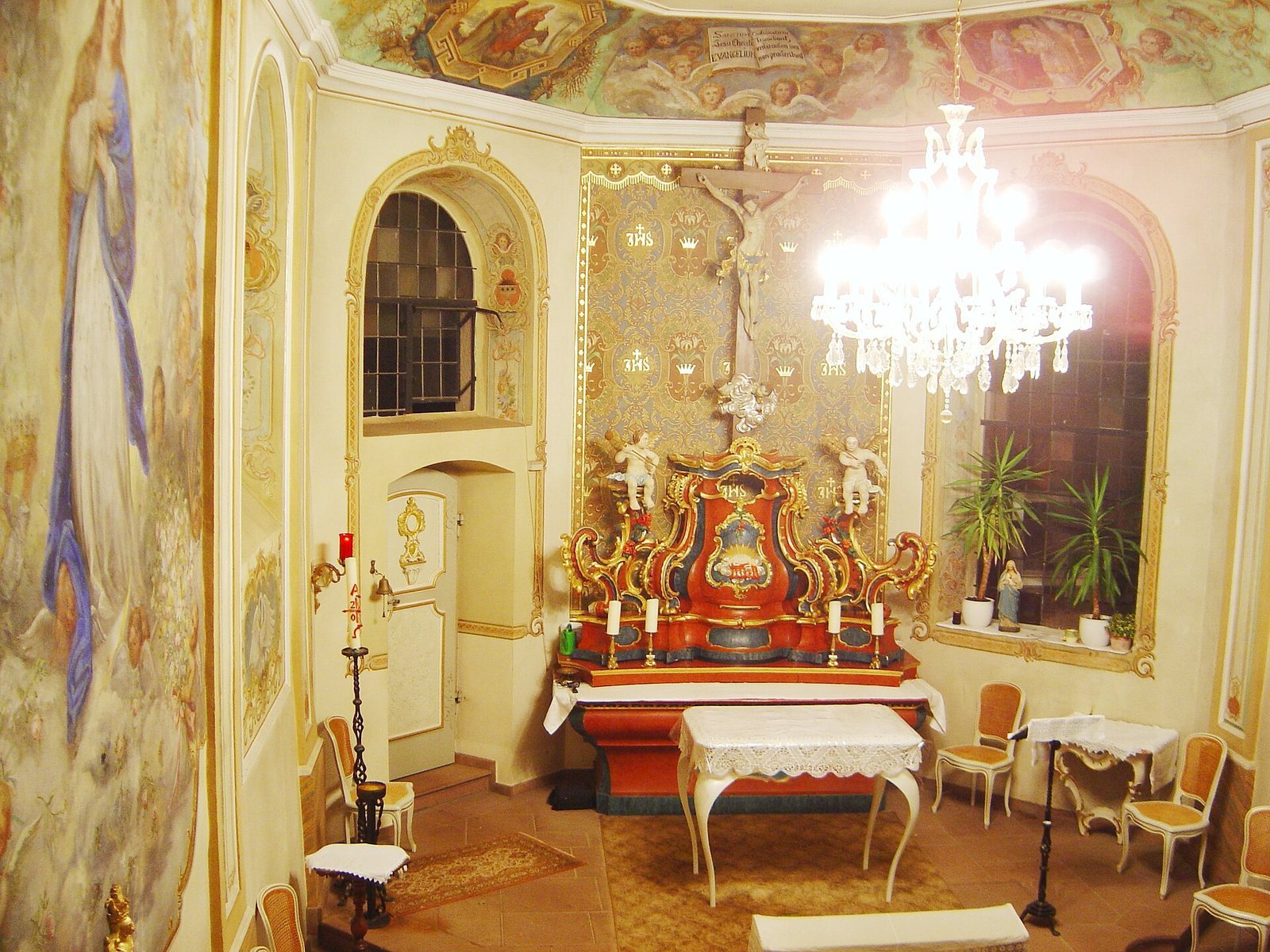
The chapel contains a Stations of the Cross, a series of devotional images showing episodes from Jesus’s final journey to his crucifixion, and an altarpiece made by Octavie de Lasalle.
Garden
The garden opposite the castle was redesigned in 2001 as part of the “Gardens without Borders” project. The design drew on paintings by Octavie de Lasalle.
Earlier fortress
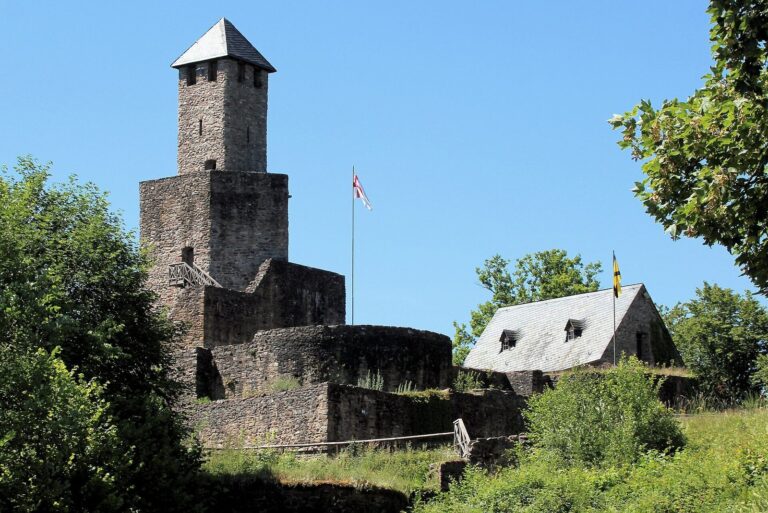
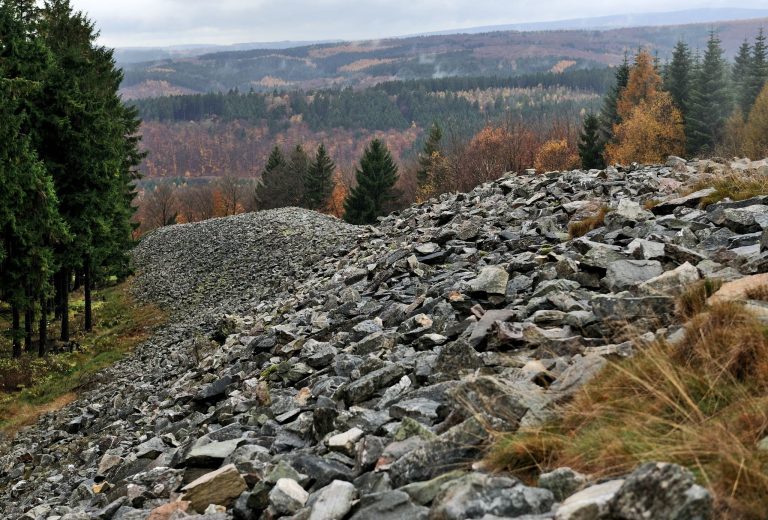
Ruins of the thirteenth-century fortified castle remain visible not far from the present castle.