Ammerland Castle: A Historic Estate on Lake Starnberg
Site at a Glance
- Popularity
- Medium
- Country
- Germany
- Primary era
- Early Modern
- Eras represented
- Early Modern
- Civilizations
- Duchy of Bavaria, Electorate of Bavaria, Holy Roman Empire
- Site type
- Domestic
- Remains
- Castle
On this page9 sections
History
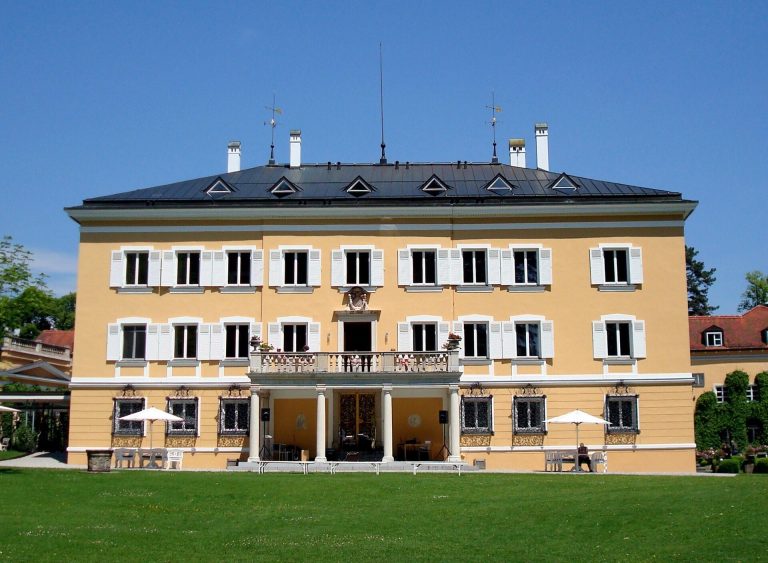
Ammerland Castle is a historic estate on the shore of Lake Starnberg in the Ammerland district of Münsing, Germany. Its secluded Old Castle dates to the 16th century, and its Baroque New Castle was built in 1683–1685. The estate became a Hofmark in 1596, a Bavarian estate whose lord exercised local jurisdiction; its first recorded holders, the Lerchenfeld family, lived in the Old Castle.
Wittelsbach rule
From 1681, Ammerland passed in turn among three members of the Wittelsbach dynasty, the ruling family of Bavaria, who held senior church offices. Albrecht Sigmund (1623–1685), bishop of Freising and Regensburg, commissioned the New Castle. He was followed by Joseph Clemens (1671–1723), archbishop of Cologne and bishop of Regensburg, Freising, Hildesheim, and Liège, and then by Johann Theodor (1703–1763), a cardinal, a senior official of the Roman Catholic Church, and bishop of Regensburg, Freising, and Liège.
Baumgarten ownership and transfer
After Johann Theodor’s death, the estate returned to the ruling house. In 1770, it was granted as a fief to Foreign Minister Johann Joseph Count von Baumgarten (1713–1772) and heirs named in his will, with inheritance restricted to the male line. In 1815, Ammerland’s local jurisdiction was abolished, and the estate became the freehold property of the then holder, Karl Count von Baumgarten (1779–1834).
In 1816, Count Lavallette, a supporter of Napoleon, the French military and political leader, hid in the Old Castle after being condemned to death. King Maximilian I Joseph of Bavaria knew of his presence. Karl Count von Baumgarten sold the estate in 1818 to the Swiss entrepreneur and revolutionary Hieronymus von Meyer (1769–1844). In 1821, it passed to the lawyer Alois Ritter von Lengriesser, who sold it back to the Crown in 1841.
Pocci residence and later history
King Ludwig I subsequently granted Ammerland as a fief to Lieutenant General Fabrizio Count von Pocci (1766–1844). His son, Franz Count von Pocci (1807–1876), used the castle as a summer residence and made it a cultural center. The painter Moritz von Schwind stayed there for an extended period in 1853.
Near the end of the Second World War, German archaeologist and diplomat Max von Oppenheim stayed briefly at Ammerland with his sister Wanda von Pocci. A Munich hotelier bought the castle in 1966, and Werner Döttinger acquired it in 1988. After it had neared dilapidation, the castle was renovated in 1990. Döttinger received the Gabriel von Max Monument Prize in February 2016 for the extensive restoration. The privately owned complex is protected as a built monument and is also listed as an archaeological monument.
Remains
The estate includes two castle buildings, with the secluded Old Castle set apart from the New Castle beside the lake. Early-modern remains also lie beneath parts of the grounds.
Castle buildings
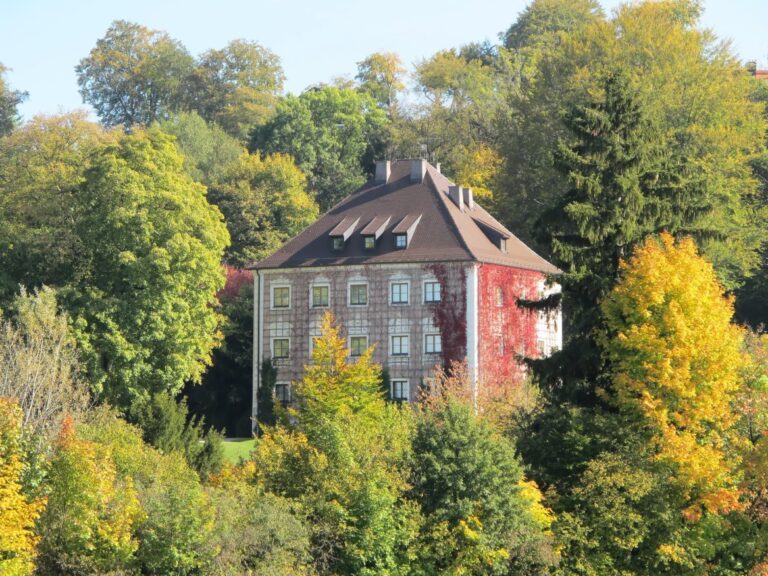
Old Castle
The Old Castle is the secluded building within the complex. Its 16th-century date places it before the construction of the lakeside New Castle.
New Castle
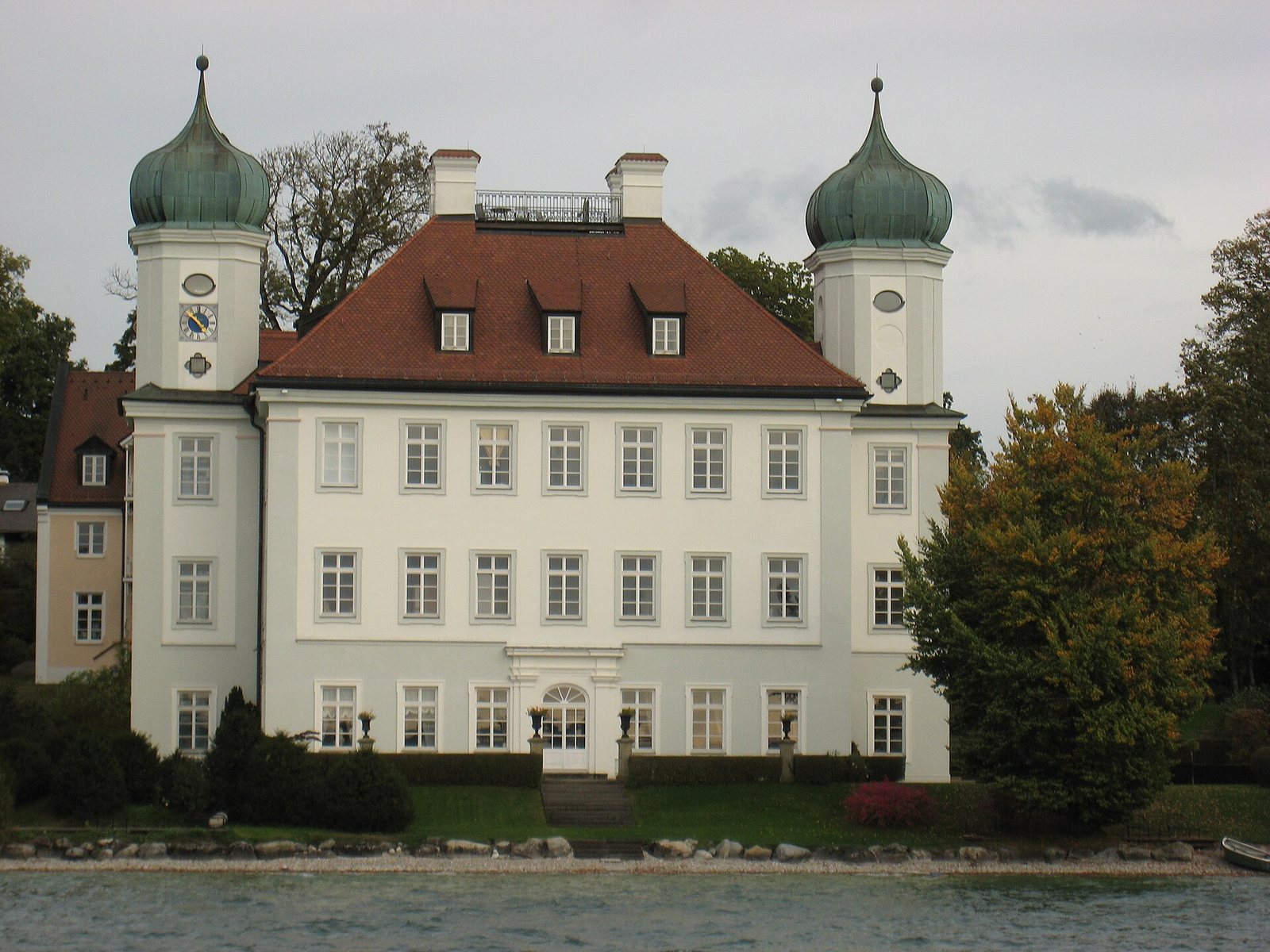
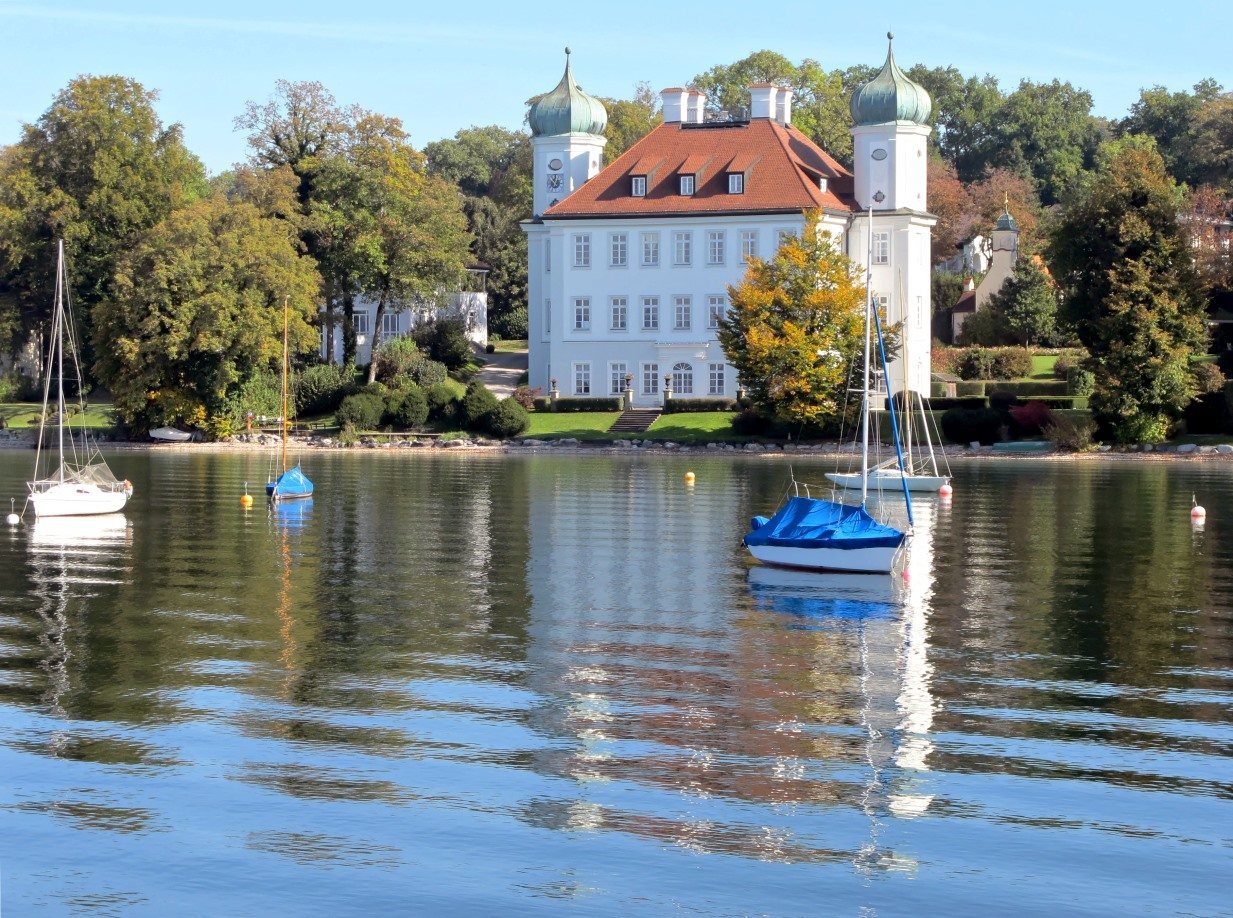
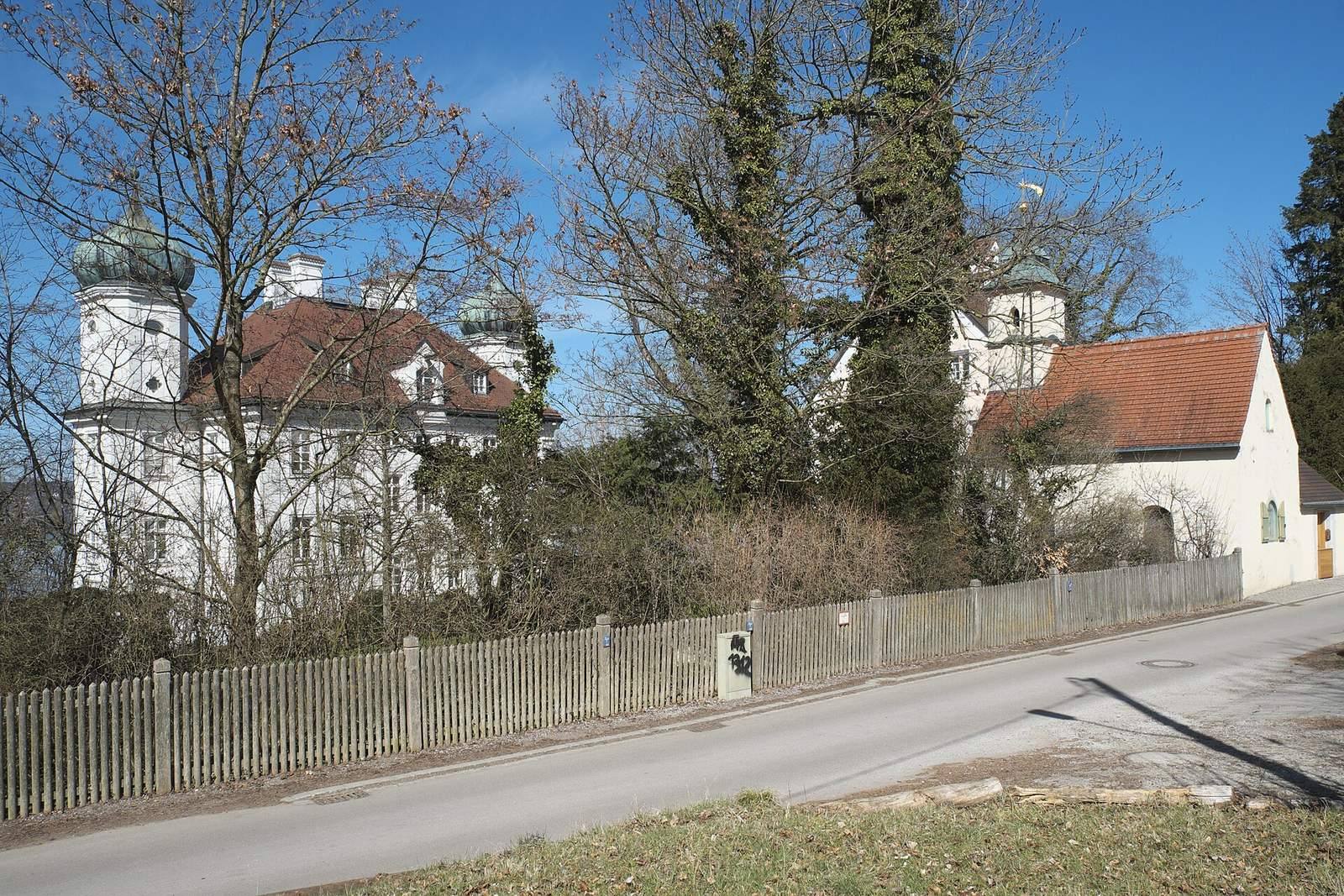
Built directly beside Lake Starnberg, the New Castle has two onion domes. It was probably constructed by Caspar Feichtmayr, a Baroque master builder and stucco artist, in the Wessobrunn School style, a Bavarian artistic tradition associated with stucco and ornamental decoration.
Grounds and archaeological remains
Subsurface early-modern remains in the grounds include the castle chapel of the Three Kings, dedicated to the Magi of the Christian Nativity story, a former farmyard, and Baroque gardens.