Santi Vittore e Carlo: A Baroque Church in Genoa
Site at a Glance
- Popularity
- Medium
- Country
- Italy
- Primary era
- Early Modern
- Eras represented
- Early Modern, Modern
- Civilizations
- Genoese, Italian
- Site type
- Religious
- Remains
- Church
On this page11 sections
History
Santi Vittore e Carlo is a Roman Catholic church on Via Balbi in Genoa, Italy. Founded by the Discalced Carmelite Agatangelo di Gesù e Maria, it was designed in Genoese Baroque style and first dedicated to Saint Charles Borromeo, a sixteenth-century cardinal and archbishop associated with Catholic reform.
Foundation and construction
Agatangelo, born Giovanni Agostino Spinola, acquired the land and financed the building. The architect Bartolomeo Bianco drew up the design in 1629. Following disagreements with the Carmelites, Bianco left the project in 1631, but the friars continued construction according to his plan. The church was inaugurated on 4 November 1635, and work was completed in 1673.
Parish church and Carmelite return
The Discalced Carmelites, a reformed branch of the Carmelite order, served the church until 1798, when the Ligurian Republic, a northwestern Italian republic that existed from 1797 to 1805, suppressed the convent. The friars departed, and the church passed to clergy who did not belong to a religious order. It became a parish church in 1799, replacing the church of San Vittore, and Saint Victor was added to its dedication. The former San Vittore was closed for worship, deconsecrated, and demolished in the 1830s to make way for the Carlo Alberto road. In 1847, Archbishop Placido Maria Tadini recalled the Carmelites to serve at Santi Vittore e Carlo.
Damage and later care
Air raids in May 1944 severely damaged the church. Cardinal Giuseppe Siri consecrated it on 9 June 1962. In January 1974, the archbishop entrusted its care to the Fraternity of the Most Holy Virgin Mary, a Catholic devotional association. The church belongs to the Archdiocese of Genoa, and its parish community is part of the Centro Ovest vicariate, an administrative subdivision of a diocese.
Remains
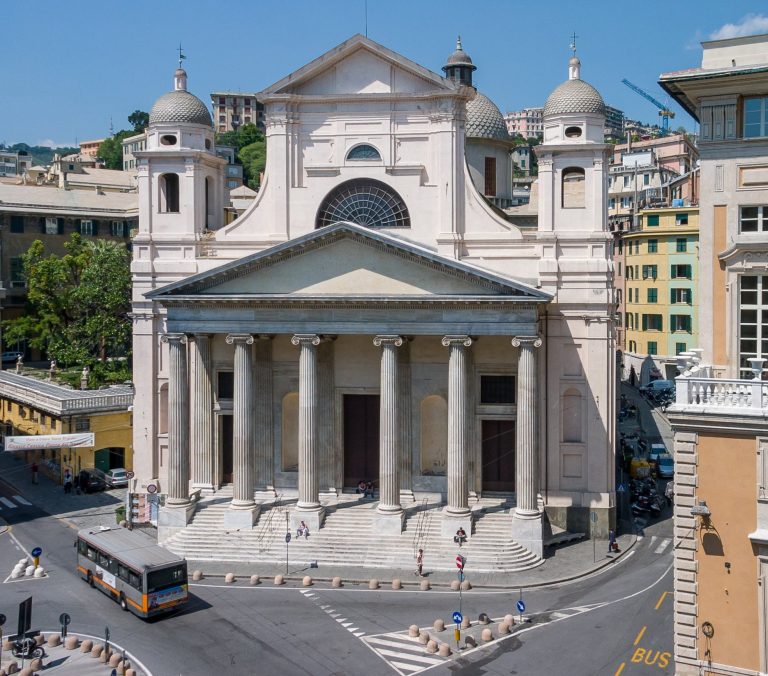
The church is built in Genoese Baroque style. Its floor rises above street level, reflecting the steep upward slope of the ground on the uphill side of Via Balbi; two flights of stairs provide access.
Façade and setting
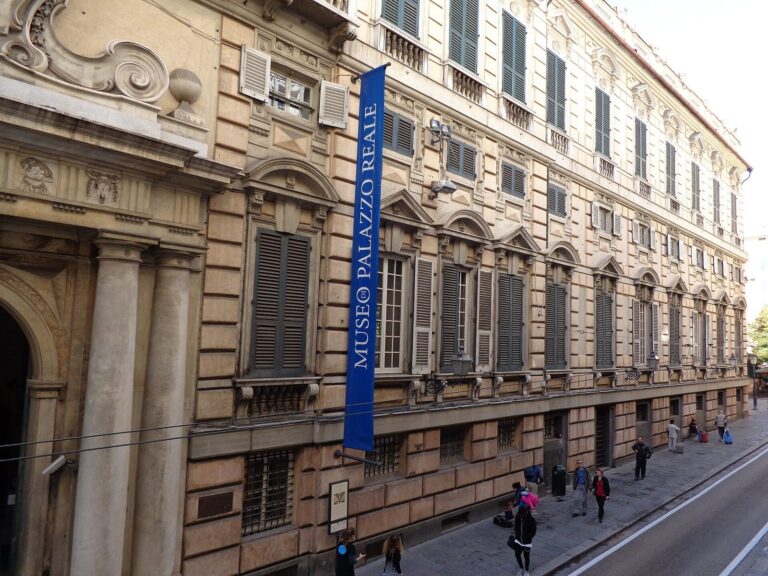
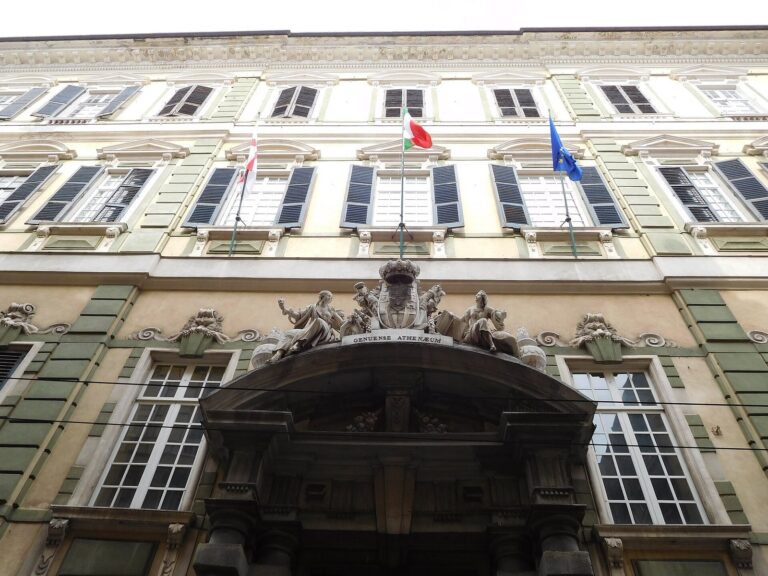
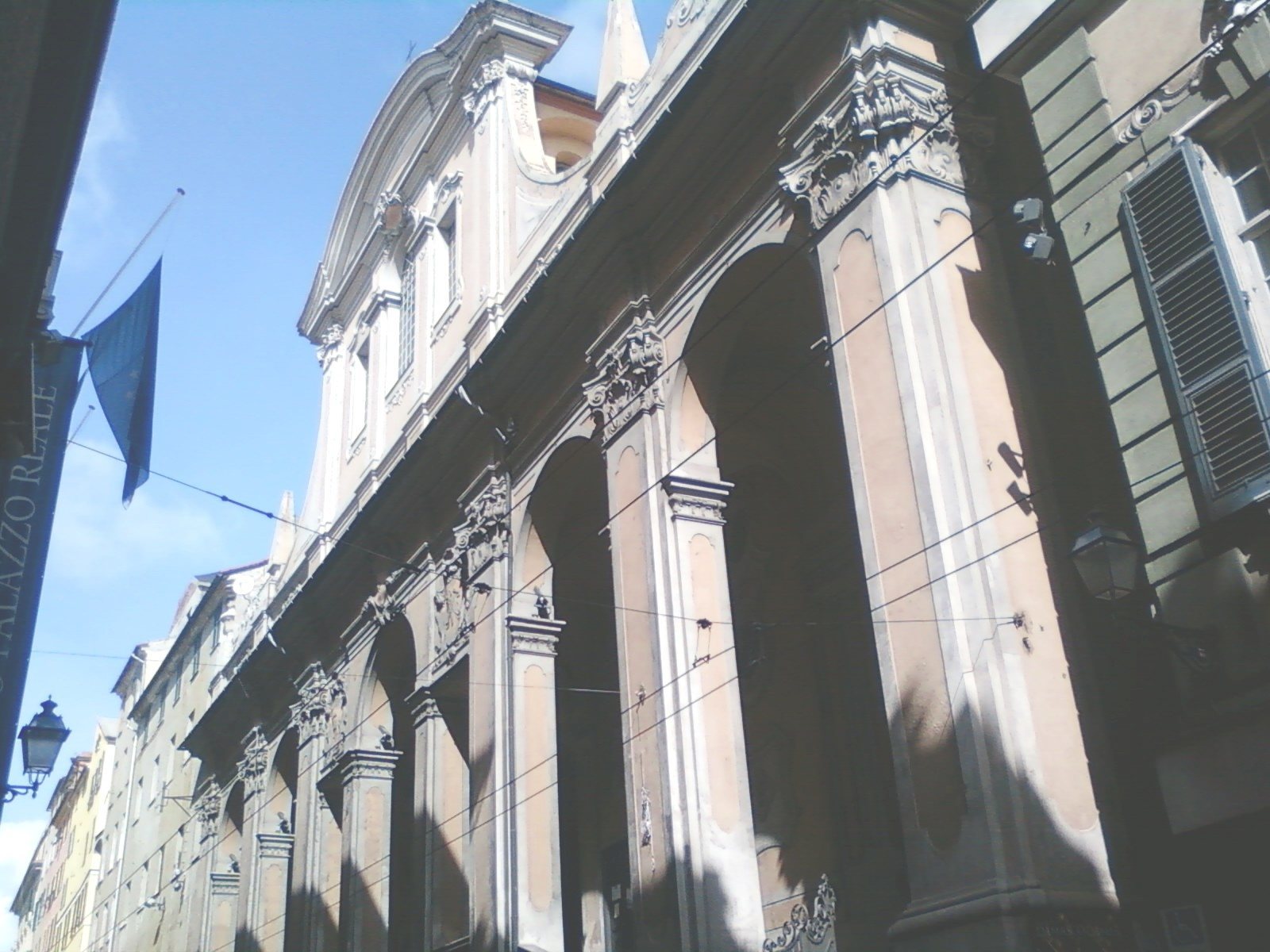
Facing the Royal Palace and beside the University Palace, the church has a loggia façade, an open-sided gallery, renovated in 1743 with financial support from a member of the Durazzo family. Marble and stucco decorate its exterior.
Interior
Plan and dome
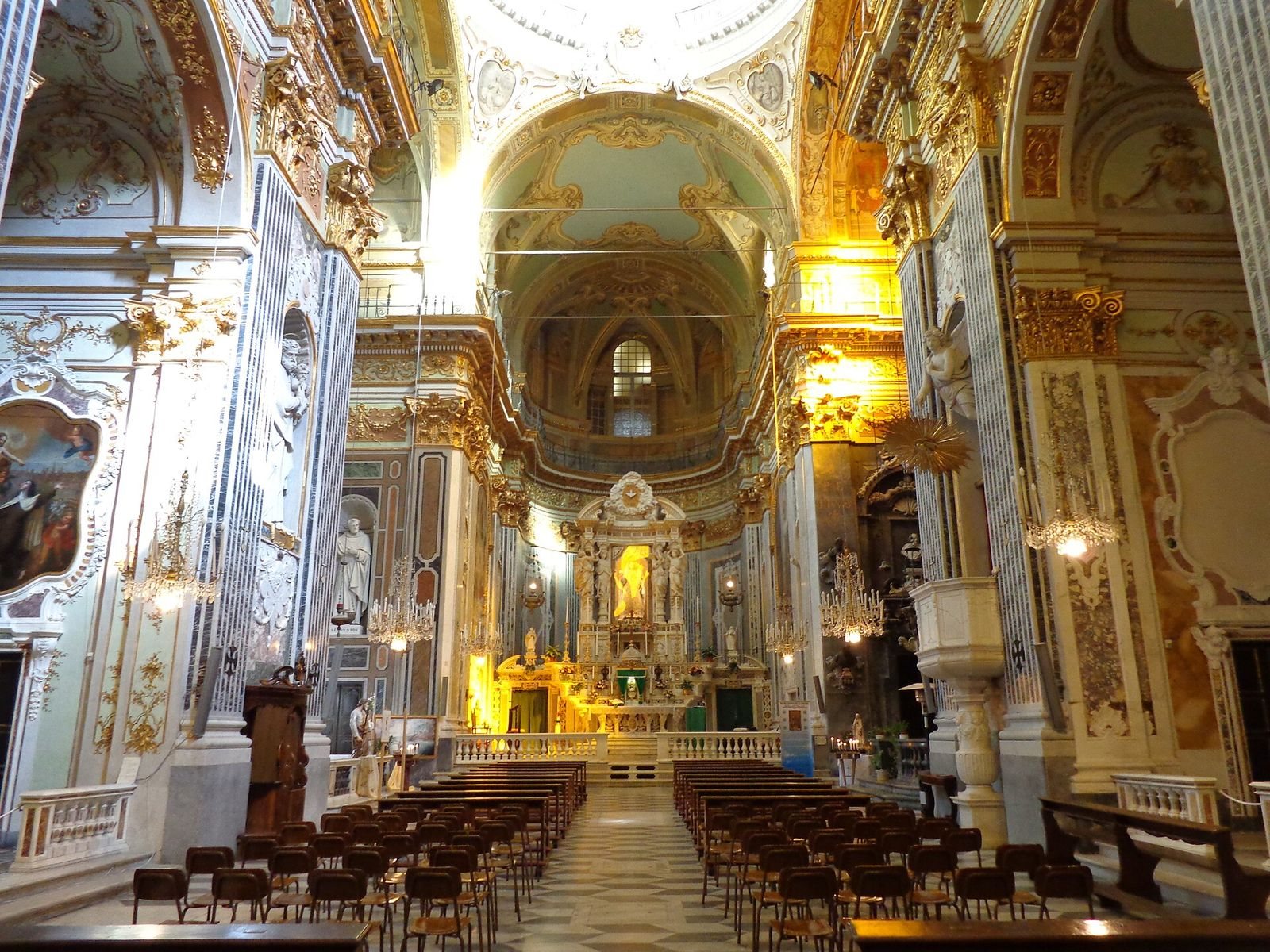
The interior has a single long central space crossed by a shorter transept, forming a Latin-cross plan. Six side chapels open from the nave, and a dome rises above the crossing where the nave and transept meet.
Painted decoration
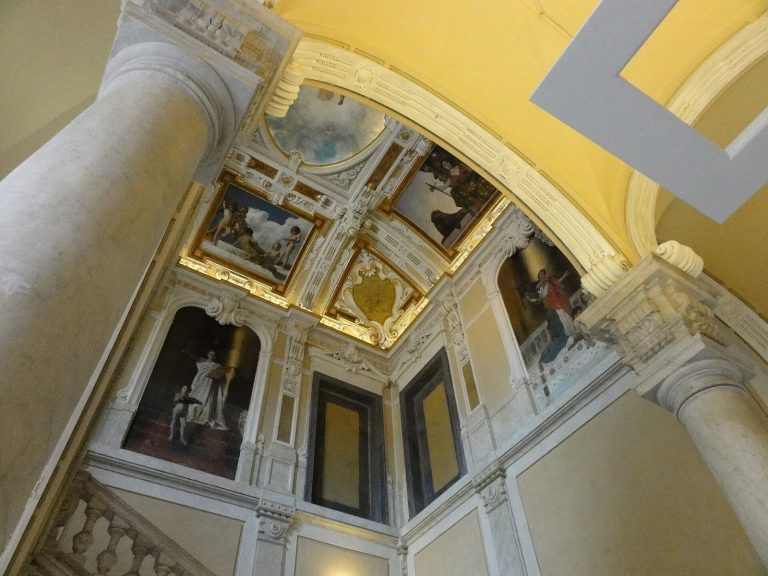
Domenico Parodi painted figures representing the Virtues on the pendentives, the curved surfaces that support the dome above the square crossing. The rest of the church’s decoration was carried out between 1890 and 1898 under Maurizio Dufour. Among its paintings are Saint John of the Cross by Domenico Piola, Saint Teresa by Giovanni Andrea Carlone, Saints Anne, Francis of Paola and Liborius by Lorenzo De Ferrari, and The Nativity and The Adoration of the Magi by Orazio De Ferrari. The church also has paintings by Giovanni Maria delle Piane, known as Mulinaretto.
Altars and sculpture
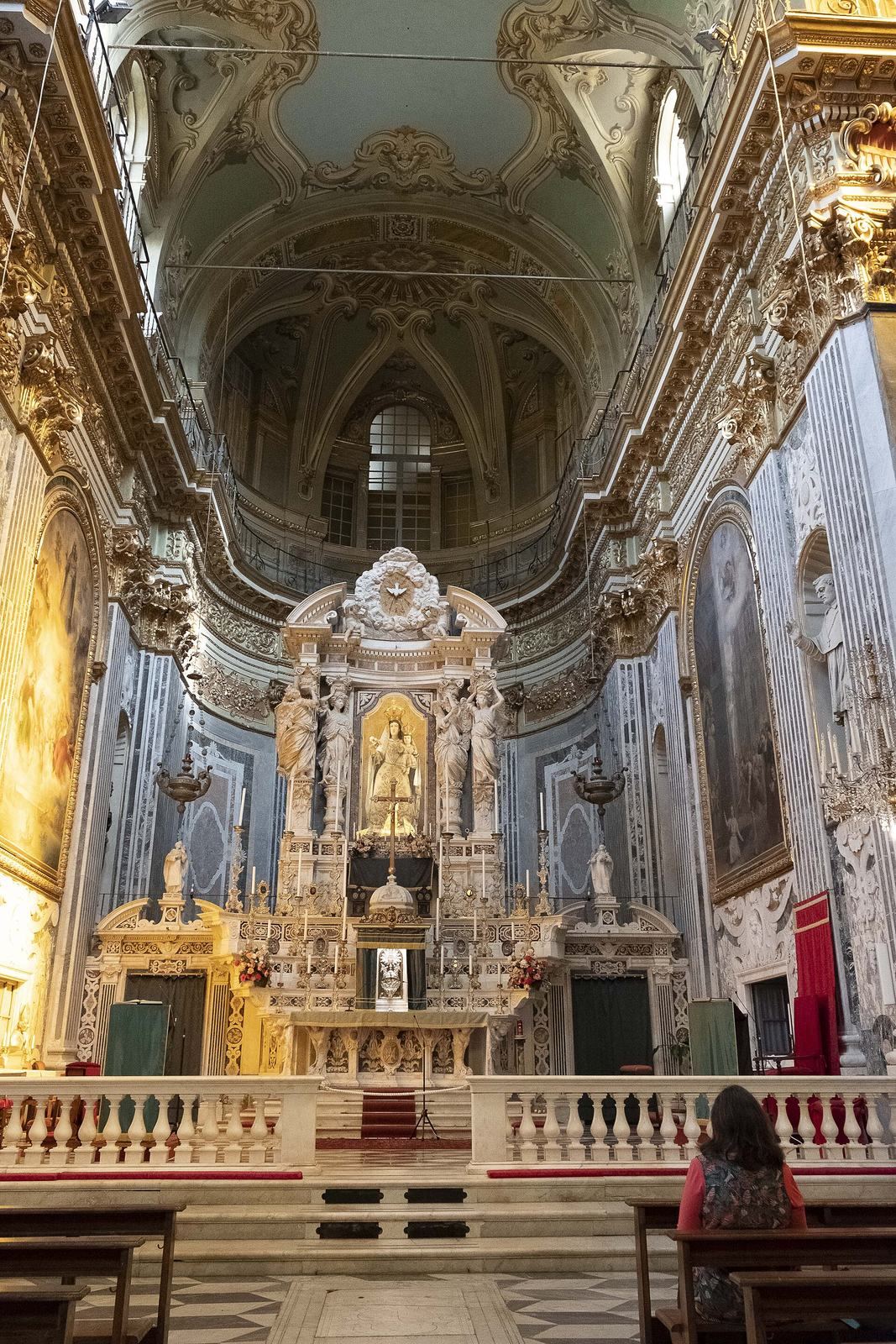
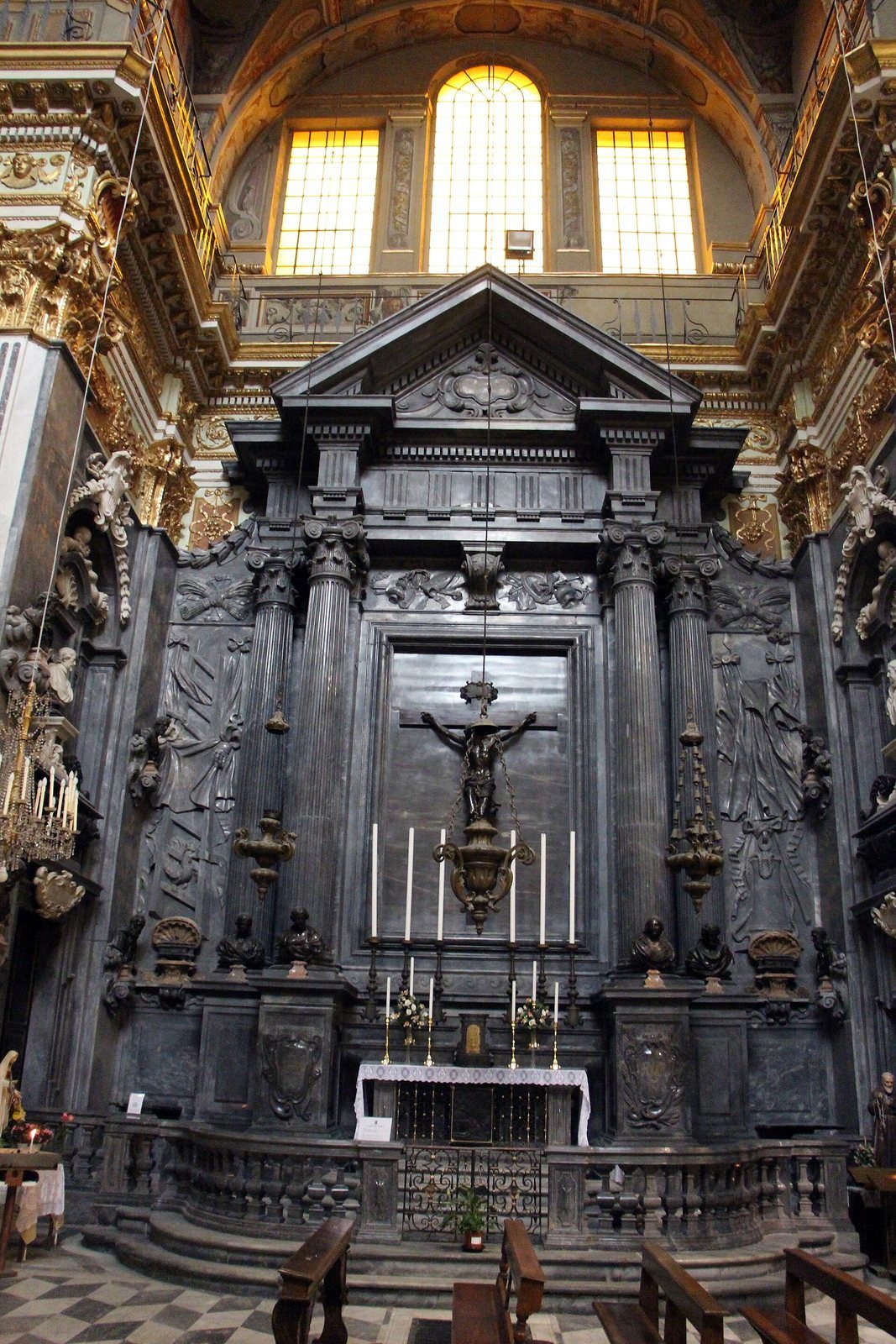
The main altar, made by the eighteenth-century sculptor G.B. Casella, came from the Sauli Chapel in the demolished church of San Domenico and was installed here in 1867. The Franzoni Chapel contains statues by Alessandro Algardi, including a large bronze crucifix. Works by Filippo Parodi include Our Lady of Mount Carmel (1678) and Angels and Two Saints (1680). A wooden sculpture belongs to the Maragliano school, a Genoese wood-sculpture tradition associated with Anton Maria Maragliano.
Two sculptures stand at the entrances to the stairways. A bust of Dufour is at the start of the left-hand stair, while the right-hand stair begins beside a marble statue by Giovanni Giacomo Paracca, also known as Valsoldo. It depicts Giovanni Agostino Centurione, who held an ecclesiastical benefice at San Vittore.
Madonna of Fortune
A seventeenth-century wooden statue of the Madonna and Child, popularly called the Madonna of Fortune, was transferred here from San Vittore in 1799. According to tradition, it had served as the figurehead of an Irish ship wrecked in Genoa’s harbour during a storm on 17 January 1636. Two residents of the Prè district recovered it and placed it in a warehouse. The statue was credited with miraculously saving a girl who fell from a window in the building, and Pope Urban VIII confirmed the miracle. It received the title Our Lady of Fortune, was crowned on 17 January 1637, the first anniversary of the shipwreck, and was displayed for veneration at San Vittore. Genoese people held the statue in deep devotion.