Santa Maria Maggiore: Jesuit Parish Church in Trieste
Site at a Glance
- Popularity
- Medium
- Country
- Italy
- Primary era
- Early Modern
- Eras represented
- Early Modern, Modern
- Civilizations
- Austrian Empire, Habsburg, Holy Roman Empire
- Site type
- Religious
- Remains
- Church
On this page6 sections
History
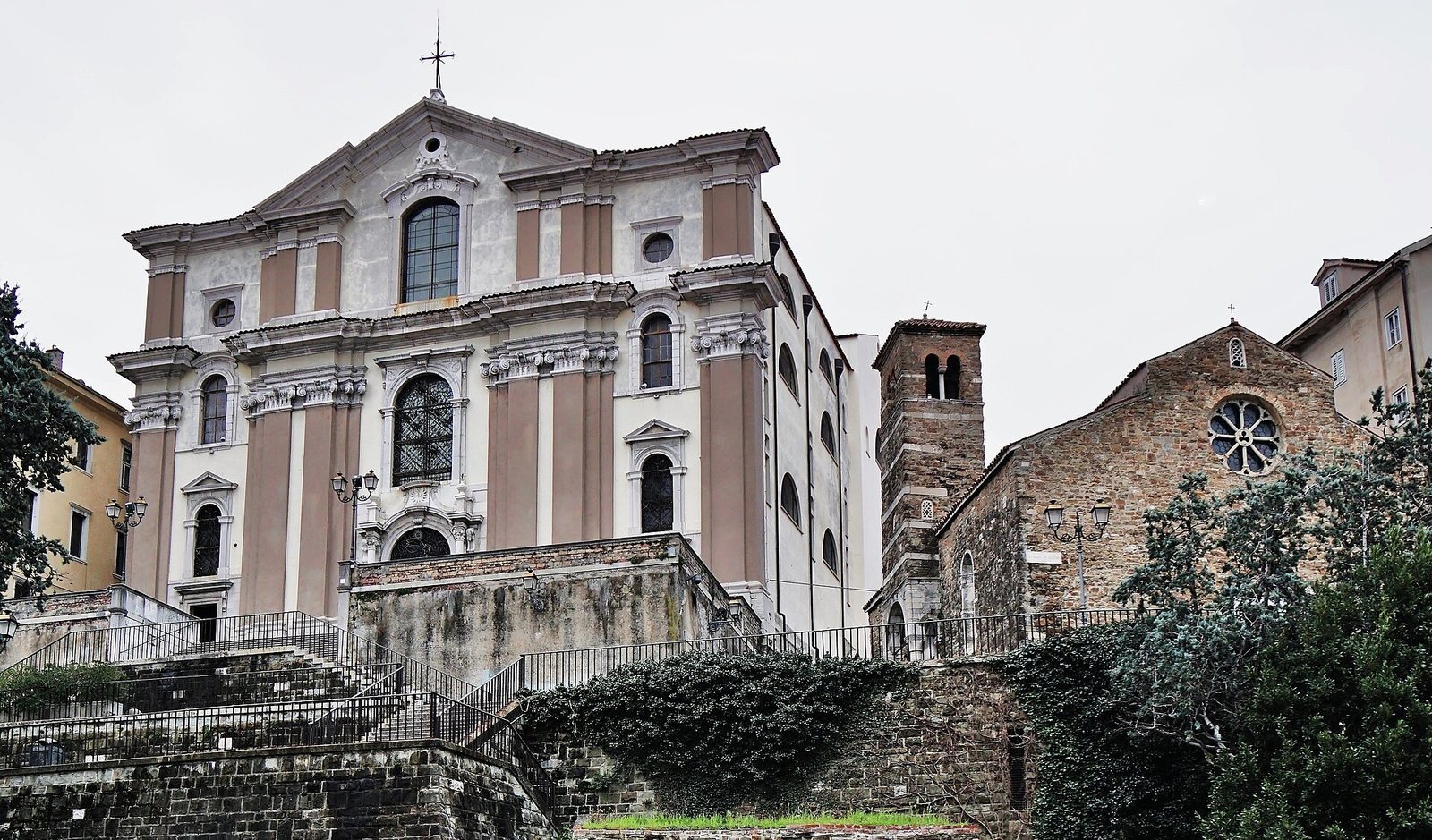
Santa Maria Maggiore is a Baroque Roman Catholic parish church in Trieste, Italy, built by the Jesuits in the 17th century and dedicated to the Immaculate Conception, the Catholic belief that Mary was preserved from original sin from the beginning of her existence. Its founders intended it to become the city’s largest sacred building at the time. The church belongs to the Diocese of Trieste and is popularly known as the Jesuit church because of its origins.
Jesuit foundations and construction
The Jesuits, members of the Catholic Society of Jesus, came to Trieste in 1619, when Giuseppe Mezler and Gregorio Salateo became the first members of the order to arrive there. The community grew quickly, aided by good relations with the government, and established a school known as the Jesuit College. Giacomo Rampelli of Pisino served as the church’s first rector, or appointed leader, from 1622 to 1630. Bishop Rinaldo Scarlicchio laid the first stone on 10 October 1627.
Completion and later stewardship
Construction extended across several decades. Bishop Giacomo Ferdinando Gorizutti consecrated the church on 11 October 1682, while part of its roof was still open. In November, a fire that began at a nearby oil mill destroyed the wooden dome. The church remained unfinished when the Jesuit order was dissolved in 1773, and the dome was completed in 1817. The facade, finished around 1701, is probably the work of Jesuit artist and architect Andrea Pozzo. Giacomo Briani is thought to have contributed substantially to the interior design.
The Franciscans have managed the church since 1922. On 21 November 2011, Archbishop of Trieste Giampaolo Crepaldi granted it the title of diocesan sanctuary, a church recognized by its diocese as a place of particular religious significance. Our Lady of Health, after whom one of its chapels is named, is a devotional title for the Virgin Mary.
Remains
Setting and facade
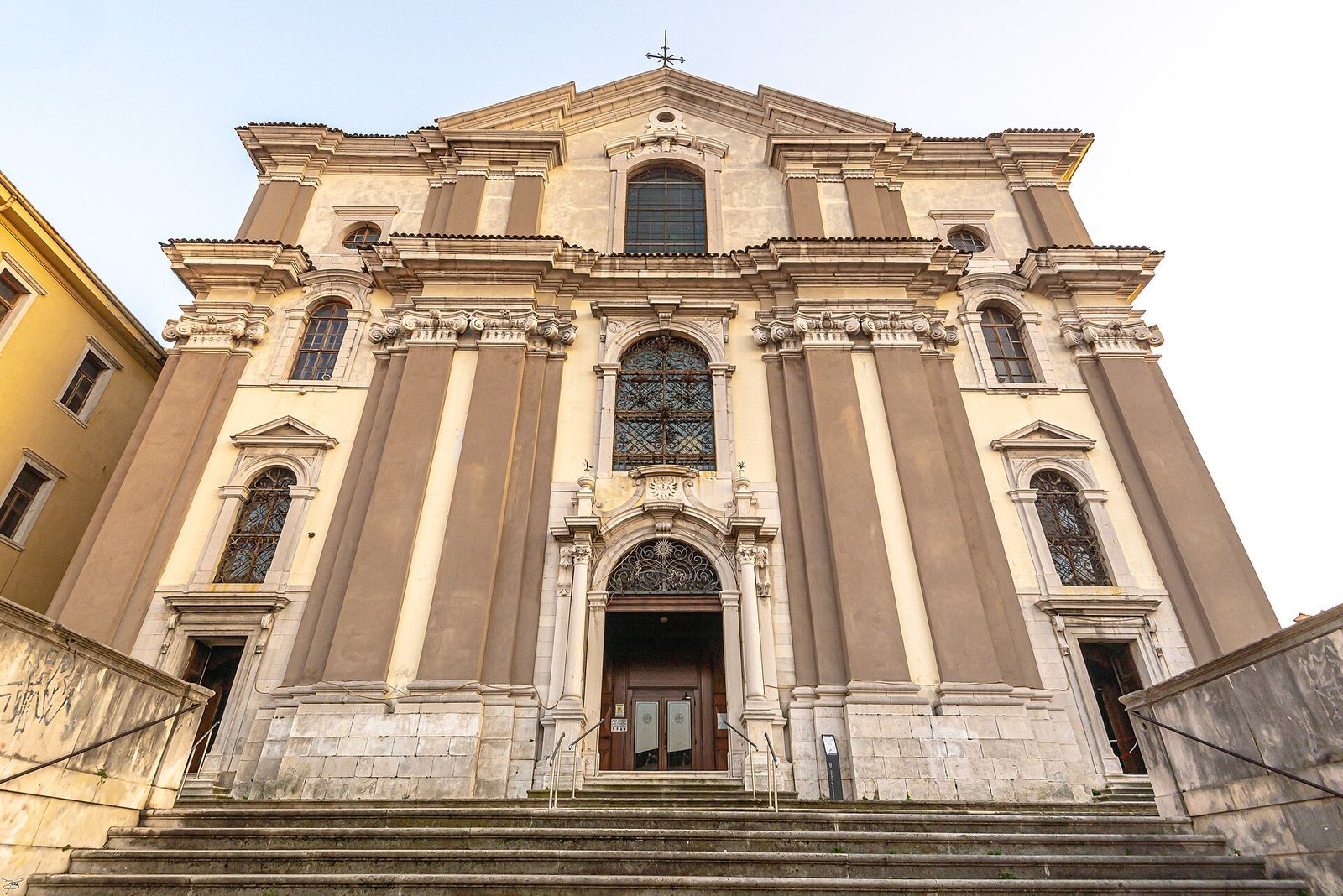
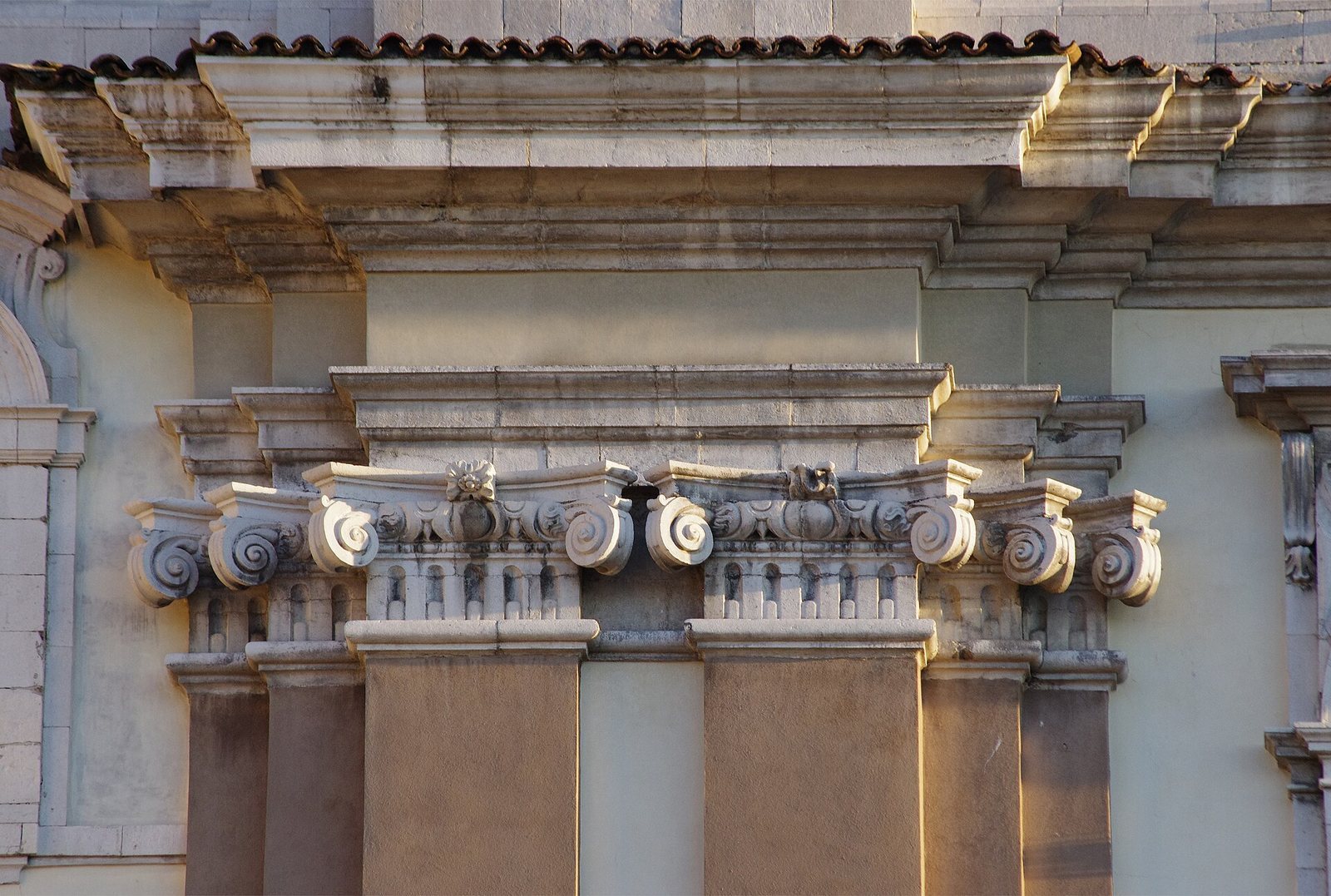
At the foot of San Giusto hill, the church stands near Trieste’s historic center and the Basilica of Christ the Savior, formerly called the Basilica of San Silvestro. The Jesuit College is beside it. The Baroque facade has two levels and a pediment. Groups of Corinthian pilasters, flat vertical supports attached to the wall, divide it into three sections corresponding to the church’s three naves.
Interior
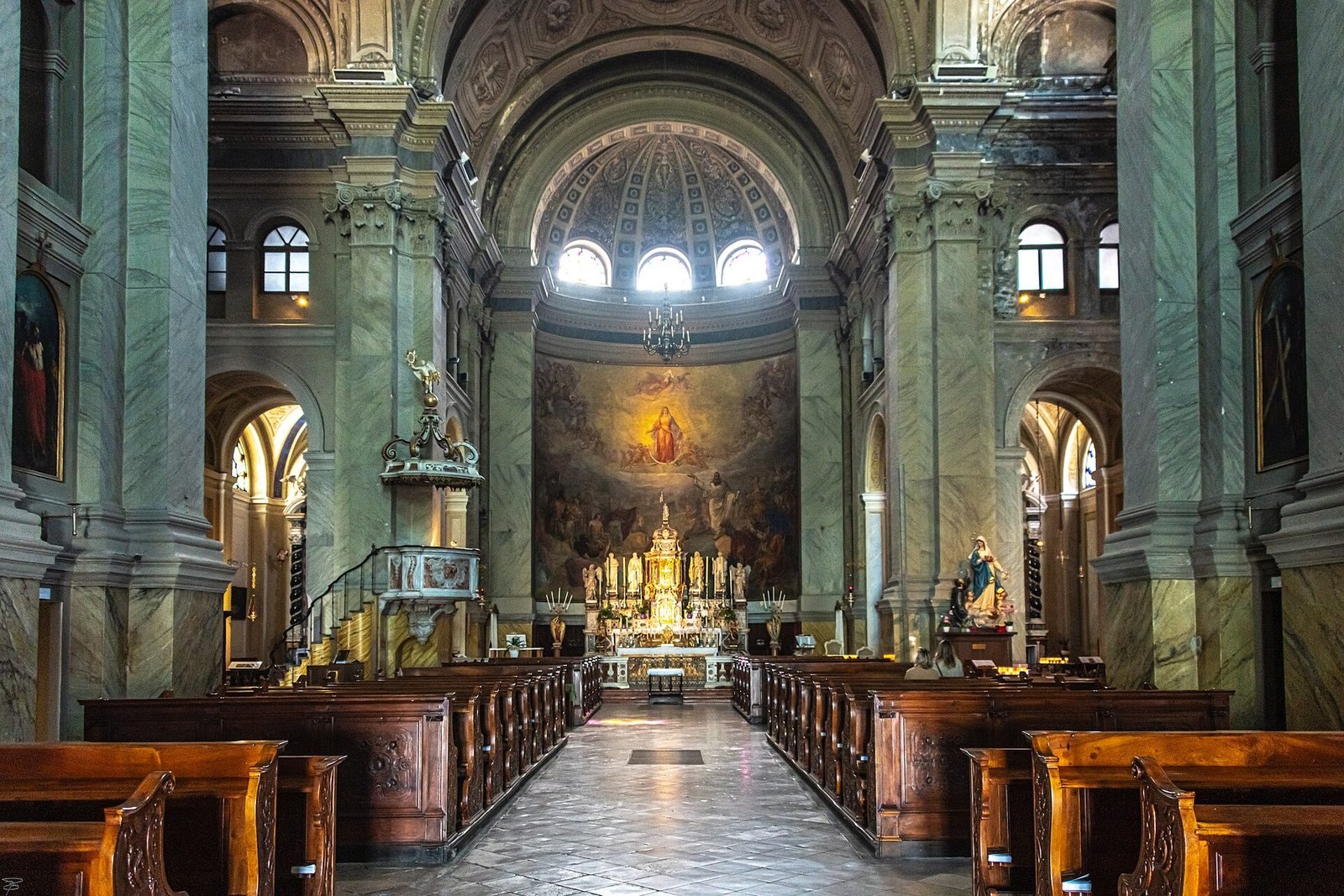
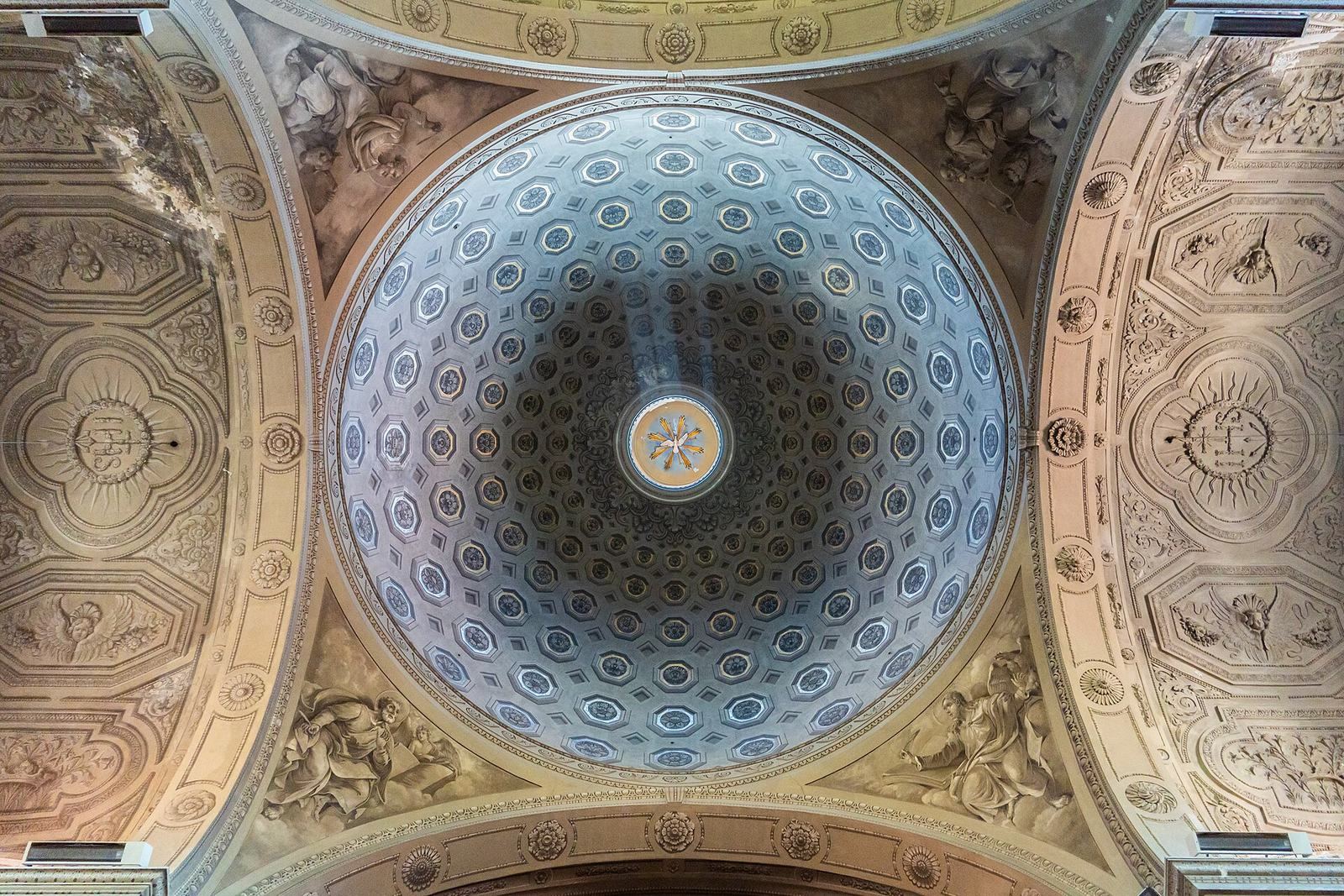
The interior follows a cross-shaped plan, with three long spaces called naves, a cross-arm called a transept, and a recessed end called an apse. A dome rises above the crossing, where the lengthwise and crosswise parts meet. Its plaster paintings by Giuseppe Bernardino Bison show the Four Evangelists, traditionally named as the authors of the four Gospels, among painted architectural forms that create the appearance of built structures. The high altar, dedicated to the Immaculate Conception, was built between 1672 and 1717 and underwent restoration during the 19th century. Marble statues of Ignatius of Loyola, Aloysius Gonzaga, Francis Borgia, and Francis Xavier stand beside the tabernacle, a receptacle for the consecrated Eucharist. A painting of the Immaculate Conception by Sebastiano Santi, made in 1842, continues the altar’s composition in the apse. To the right of the apse, the chapel of Our Lady of Health contains a 17th-century painting of the Virgin attributed to Sassoferrato. The furnishings also include a raised preaching stand, or pulpit.