Sant Magí de Brufaganya: A Pilgrimage Sanctuary in Spain
Site at a Glance
- Rating
- 4.5
- Popularity
- Medium
- Country
- Spain
- Primary era
- Early Modern
- Eras represented
- Medieval, Early Modern
- Civilizations
- Crown of Aragon, Spanish
- Site type
- Religious
- Remains
- Sanctuary
On this page12 sections
History
Origins and traditions
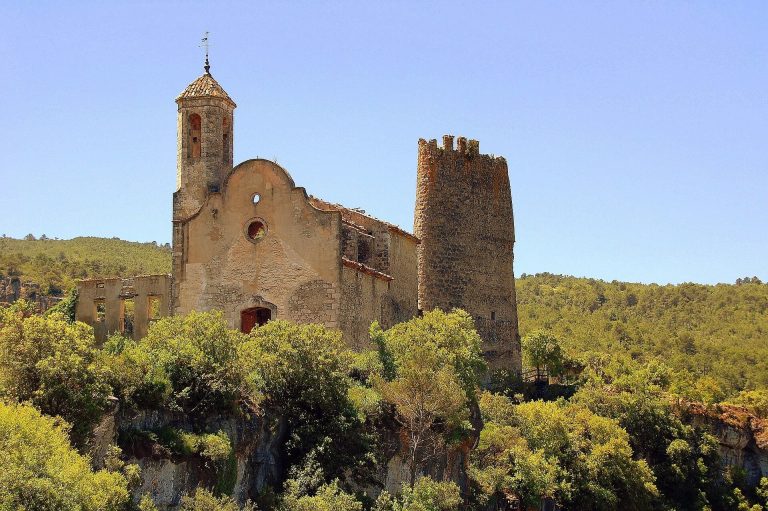
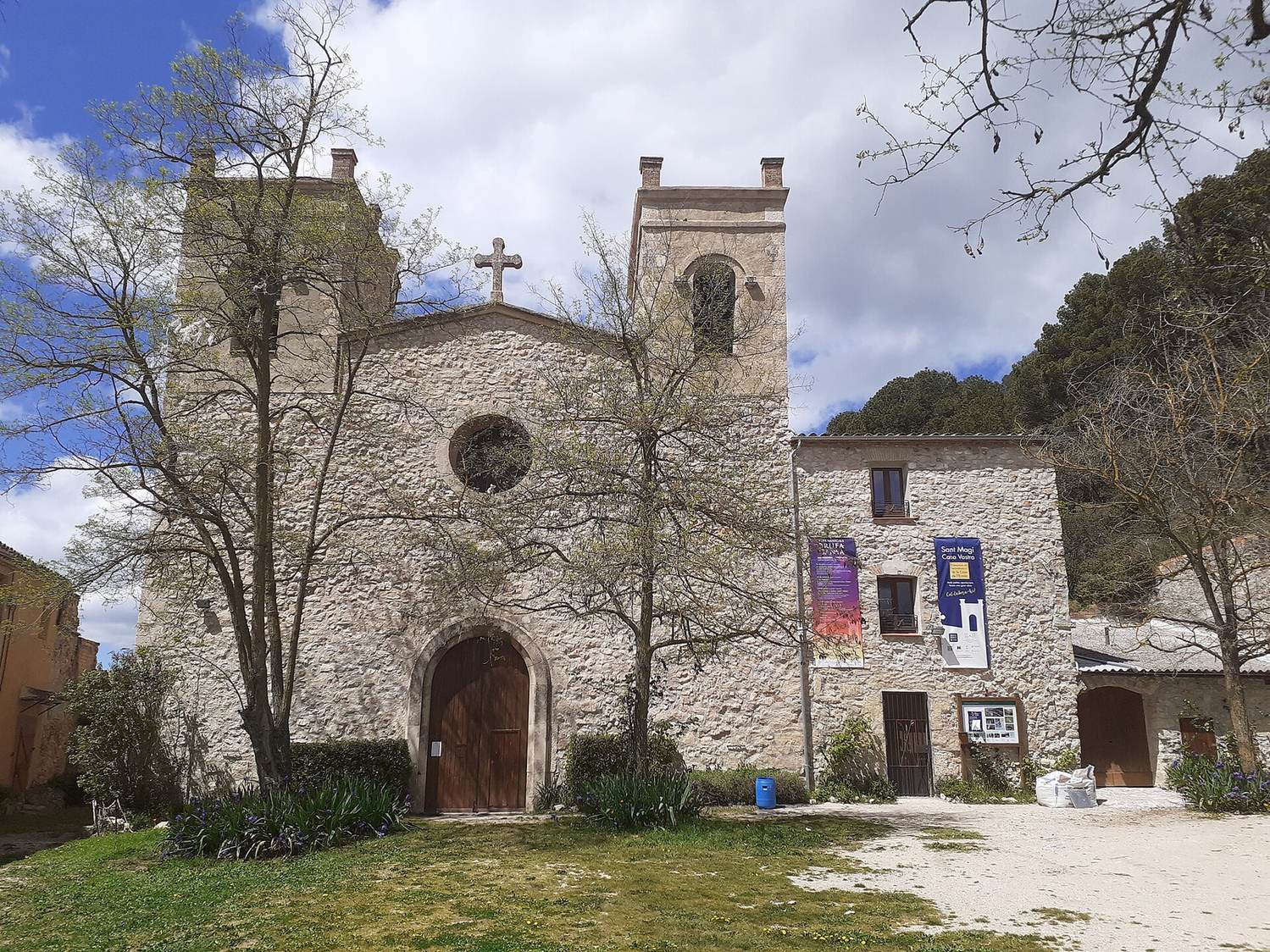
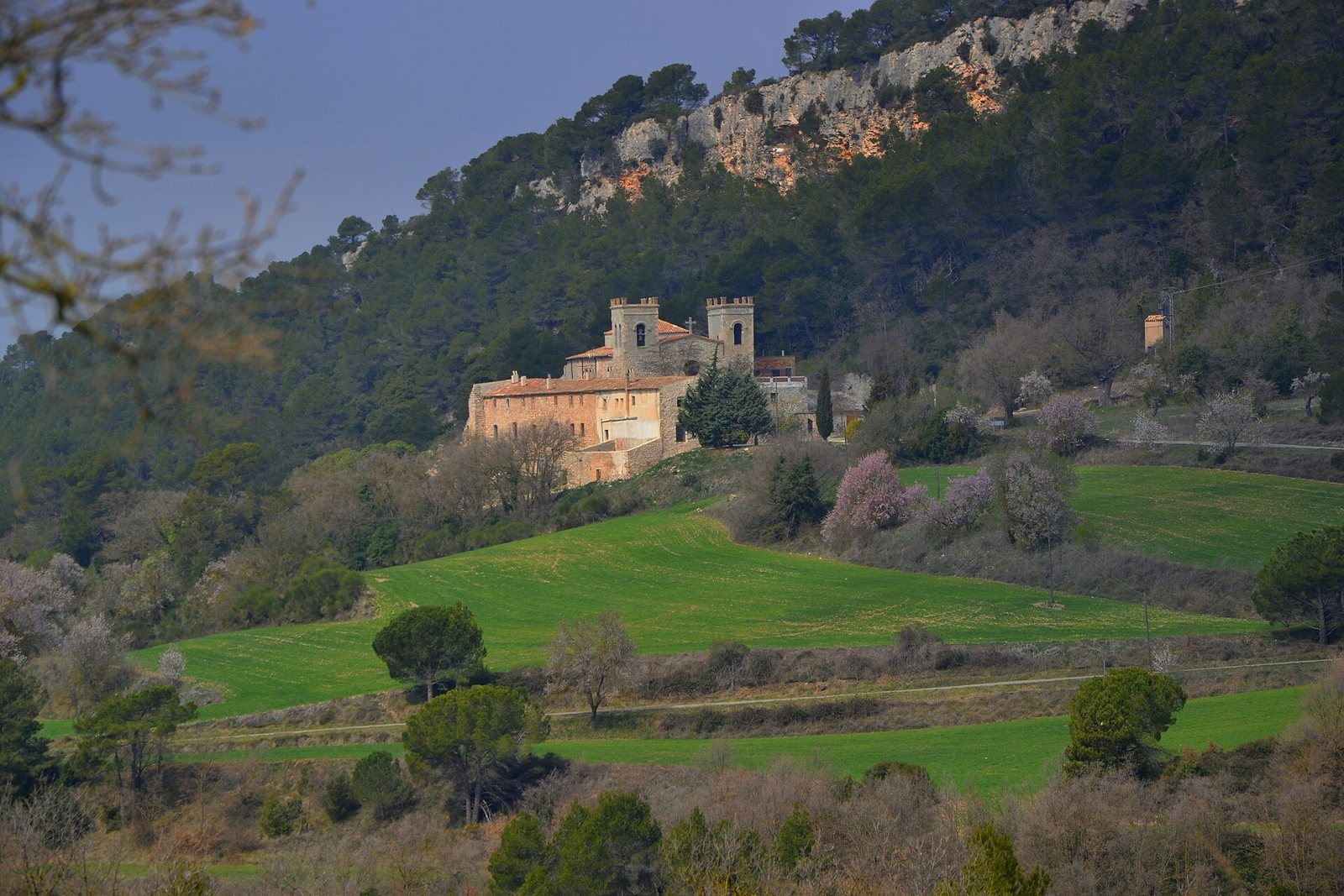
Sant Magí de Brufaganya is a Christian sanctuary in the village of the same name in Pontils, Spain. Its present church, in the Baroque style of elaborate forms and ornament, was begun in 1732 and inaugurated unfinished in 1735. The first written reference to the site as the Rock of Sant Magí dates to 1204, when a hermit’s church already stood there. By the 13th century, the church was a focus of devotion and received bequests.
Christian tradition identifies Sant Magí as a hermit, a religious recluse who lives apart from ordinary society, martyred in the third century and buried at the sanctuary. One legend says he spent thirty years in a cave above the sanctuary, sustained by angels, before Roman pursuers killed him there. Another tells that, while Roman soldiers led him captive down the mountain at Santa Perpètua de Gaià, he struck the ground three times with his staff and brought forth the springs.
The springs’ water was regarded as miraculous and drew pilgrims. For centuries, people from Barcelona, Tarragona, Lleida, Cervera, and Igualada collected it, carried it ceremonially into their towns, and shared it with residents.
Patronage and the Dominican friars
During the 16th century, the Cervelló, a Catalan noble family, initiated repairs to the church. A brotherhood was organized, and the sanctuary received several properties. The Barons of La Llacuna, its patrons, later transferred it to Dominican friars, members of a Catholic religious order. The friars settled there in 1603 and remained until 1835.
The present church and later history
Work on the present church began in 1732, and it was opened in unfinished form three years later. The sanctuary was looted in 1714, 1835, and 1936. The last episode took place during the Spanish Civil War, fought from 1936 to 1939. The sanctuary has served parish functions since 1841.
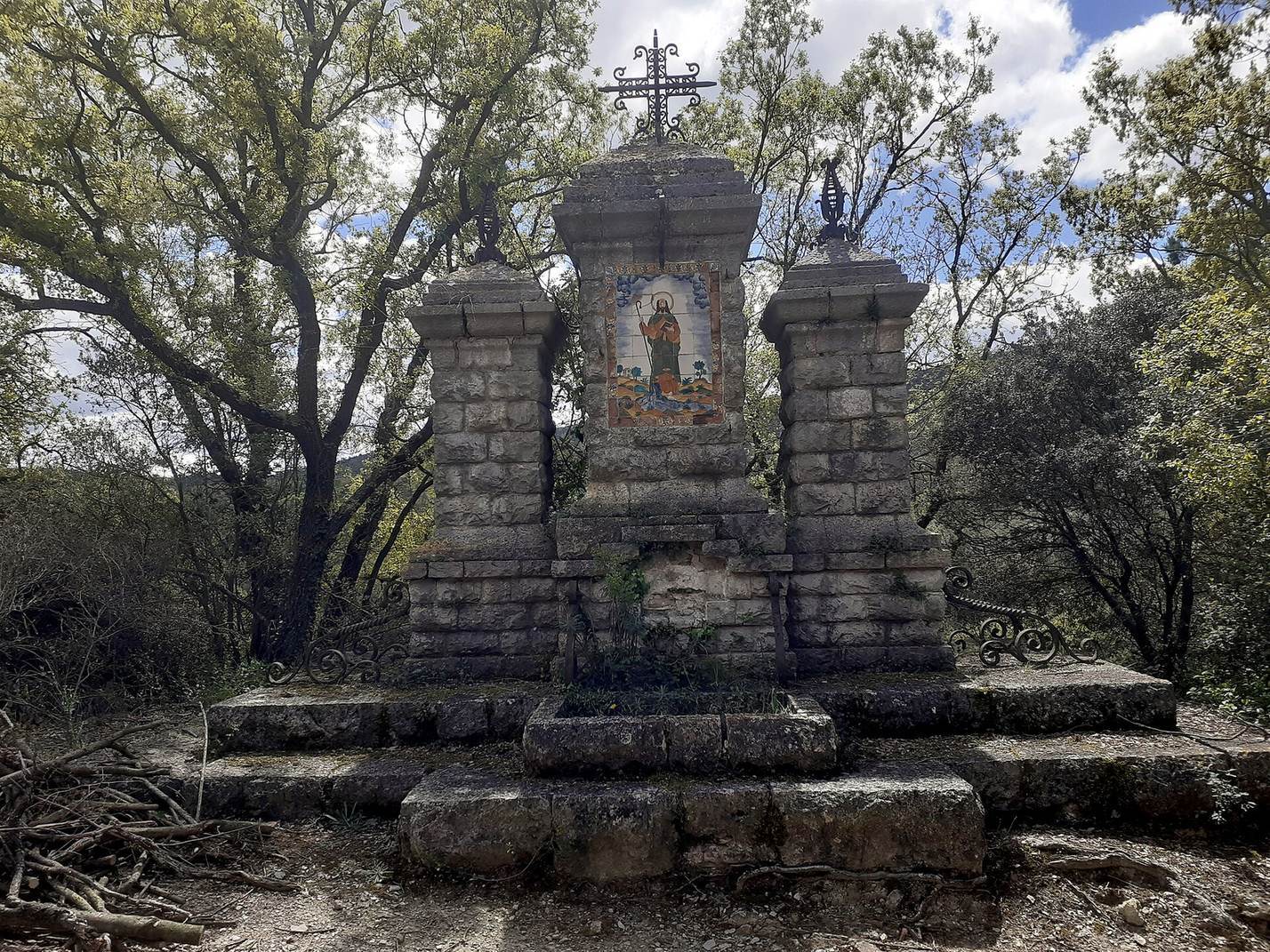
In 1927, the city of Igualada inaugurated a column commemorating Sant Magí. It was destroyed in 1936 during the Civil War, then restored in 1950 and again in 2010.
Remains
The sanctuary complex
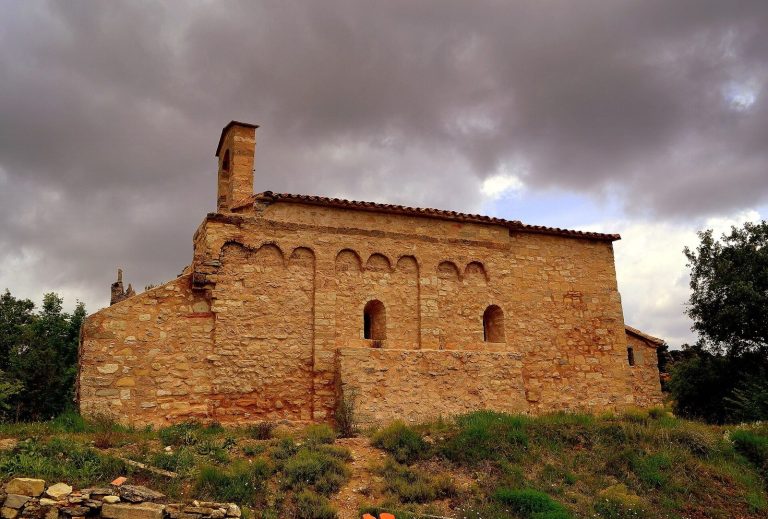
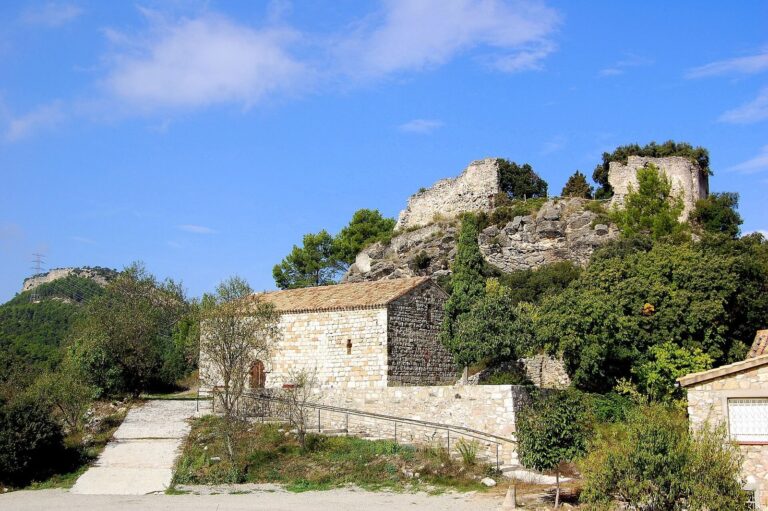
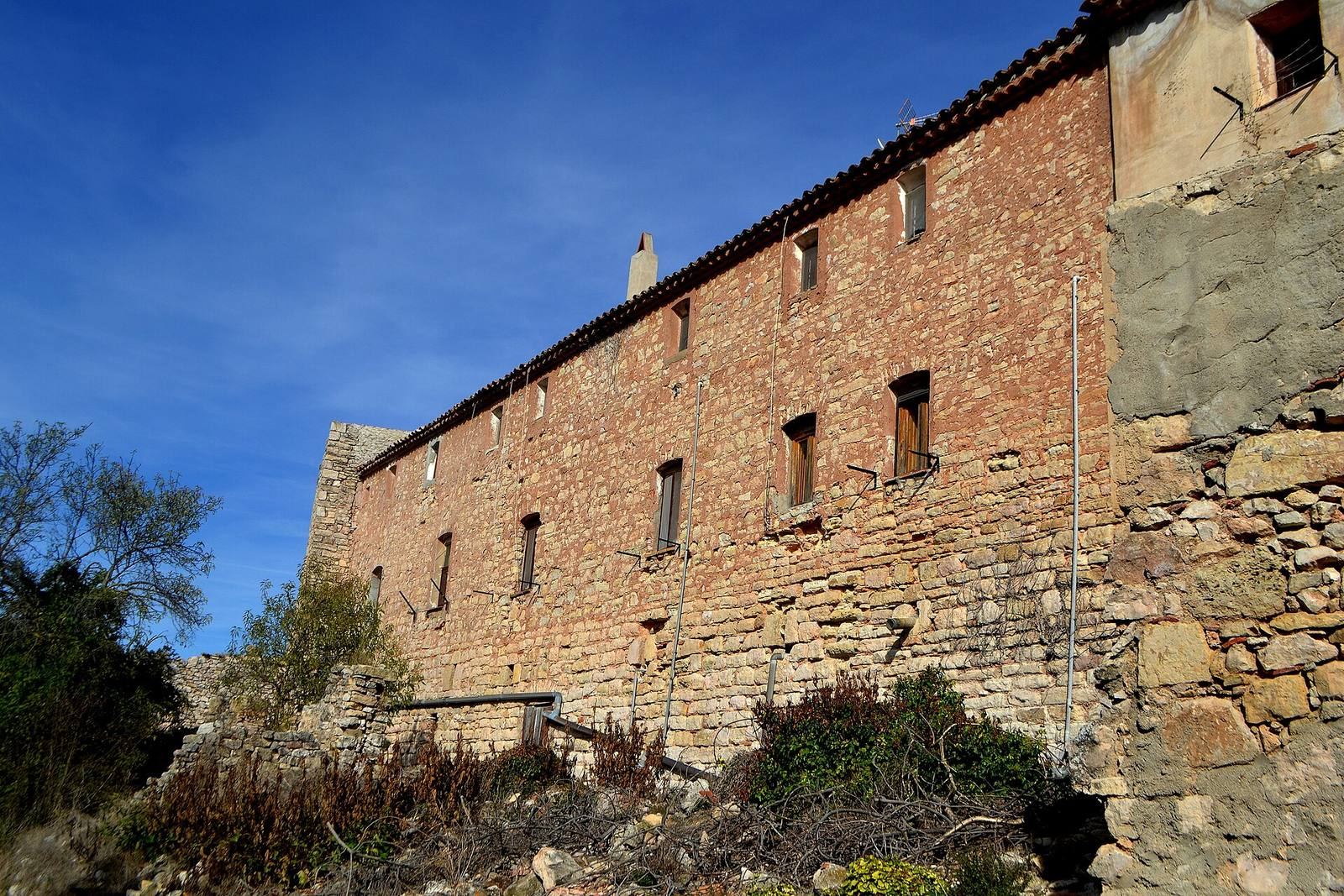
The sanctuary stands at about 750 metres above sea level, above the beginning of the Torrent de Sant Magí. Its complex includes the church, a conventual building, and other dependencies, among them the present rectory. The buildings reflect successive phases of construction, chiefly extensions, as well as damage from looting.
The church
Nave and chapels
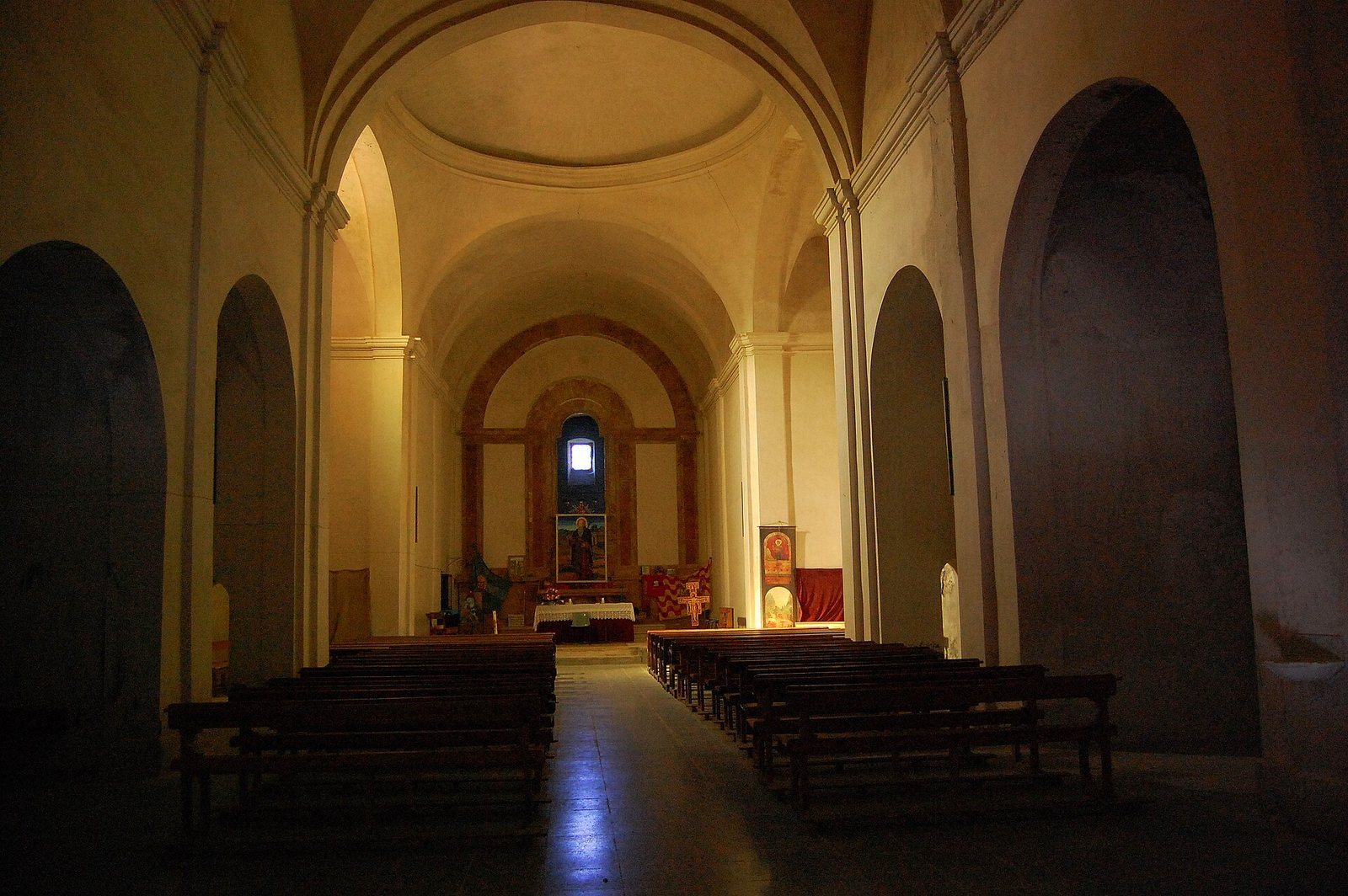
The church has a single nave with side chapels. Four sections of the nave are covered by a barrel vault, a continuous, tunnel-shaped ceiling, with curved lunettes where intersecting vaults meet it. Semicircular arches divide the sections. The wall piers have shallow attached columns and molded cornices. The side chapels have groin vaults, formed by intersecting vaults, while a flattened dome on curved supports called pendentives covers the church’s chancel end.
Shrine and monastic features
Behind the altar, a shrine chamber contains a modern image of Sant Magí. Remains of the monks’ choir survive on the side of the church used for the Epistle reading; wooden lattice screens once connected it with the church. A crypt, or chamber beneath a church, lies below the dome.
Springs and cliff features
Chapel of the Springs
The Chapel of the Springs of Sant Magí lies below the sanctuary. A commemorative column near the chapel stands 1.5 metres high and bears an inscription expressing Igualada’s devotion to Sant Magí.
Cave and hermitages
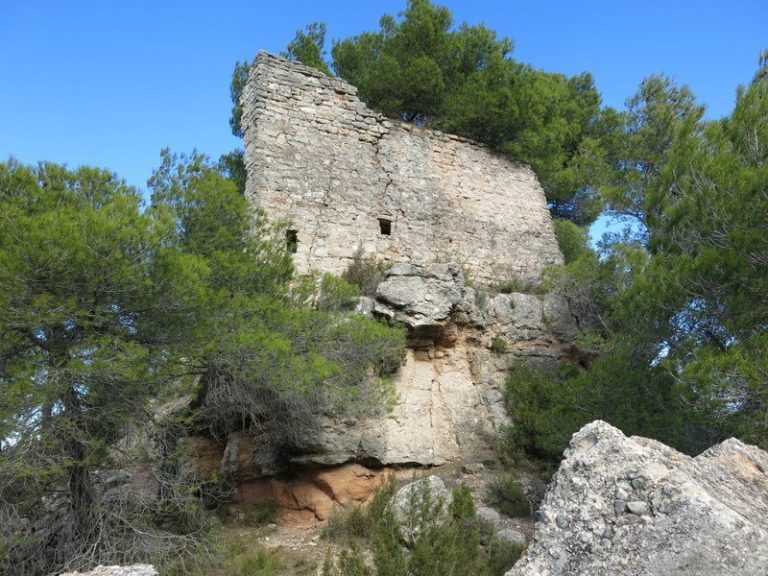
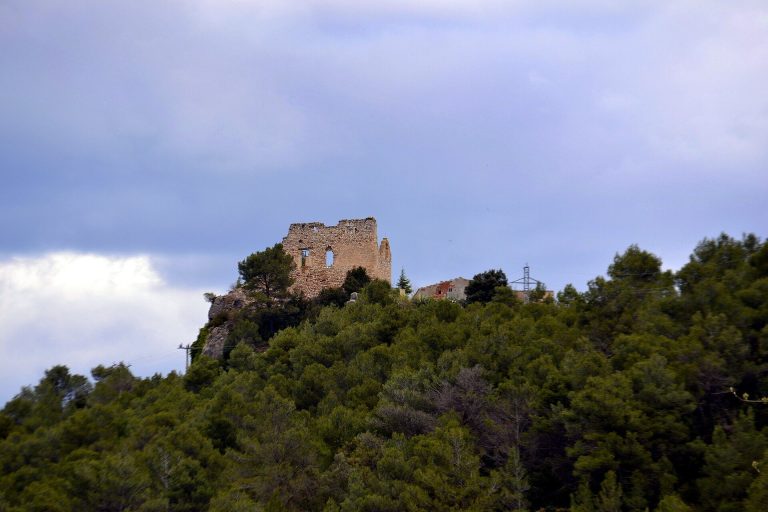
A line of steps descends from the cliff above the sanctuary to the Cave of Sant Magí, a natural cavity. Ruined hermitages also remain among the cliffs.