Sandemar Castle: A Late-17th-Century Swedish Carolean Manor
Site at a Glance
- Rating
- 4
- Popularity
- Very Low
- Country
- Sweden
- Primary era
- Early Modern
- Eras represented
- Early Modern
- Civilizations
- Swedish
- Site type
- Domestic
- Remains
- Castle
On this page6 sections
History
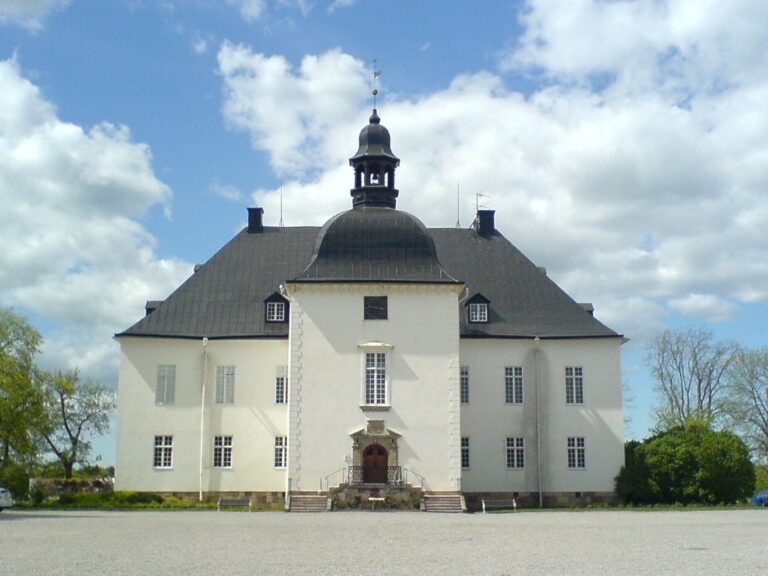
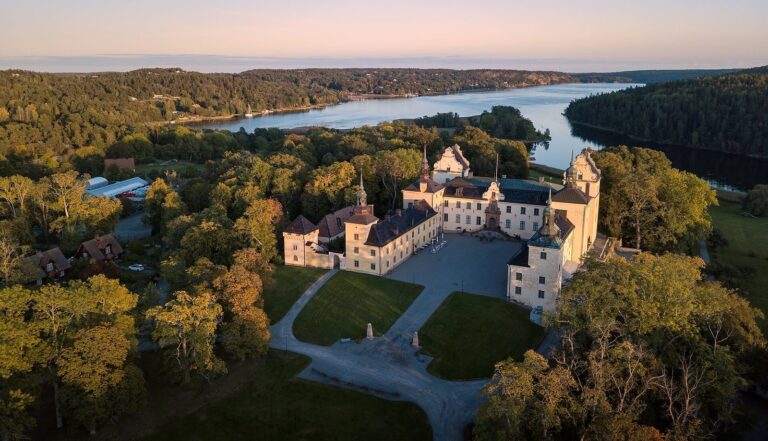
Sandemar Castle is a late-17th-century manor in Sandemar, Haninge Municipality, on Sweden’s Baltic coast. It is a well-preserved example of Carolean architecture, a Swedish style associated with the late 17th century.
Medieval estate
During the Kalmar Union, the political union of Denmark, Norway, and Sweden that lasted from 1397 to 1523, the Sandemar estate belonged to the Livonian Order, a medieval religious and military organization active in Livonia. It later passed to the Swedish nobleman Erik Axelsson Tott, who probably acquired the Order’s lands in present-day Sweden in 1467.
The manor and its early owners
In the 17th century, ownership of the estate passed among the Oxenstierna, Bonde, and Falkenberg noble families. The present manor dates to the century’s later decades. Royal councillor Gabriel Falkenberg is believed to have commissioned its construction in the 1690s; in 1693, he became Count Falkenberg of Sandemar.
The castle escaped the Russian attack on Södermanland in 1719, helping preserve its historic character. Carl Wattrang purchased the property in 1738 and made it a family entail, a legal arrangement that restricted inheritance to keep an estate within a family line. This arrangement ended in 1964, allowing the estate to be sold. It passed to a private owner in 2006 and remains a privately owned residence. Sandemar Nature Reserve was established in the castle’s surroundings in 1997.
Remains
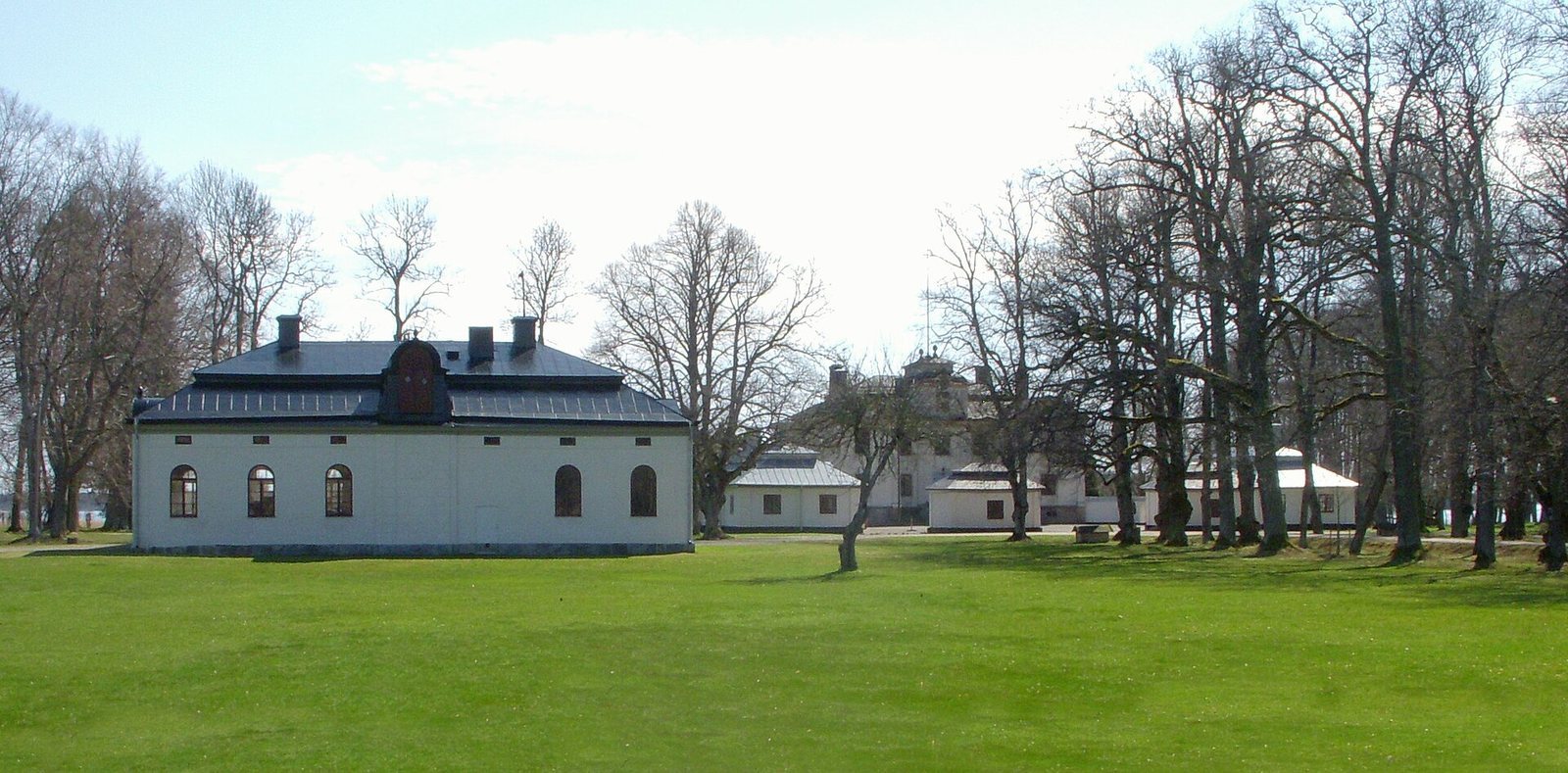
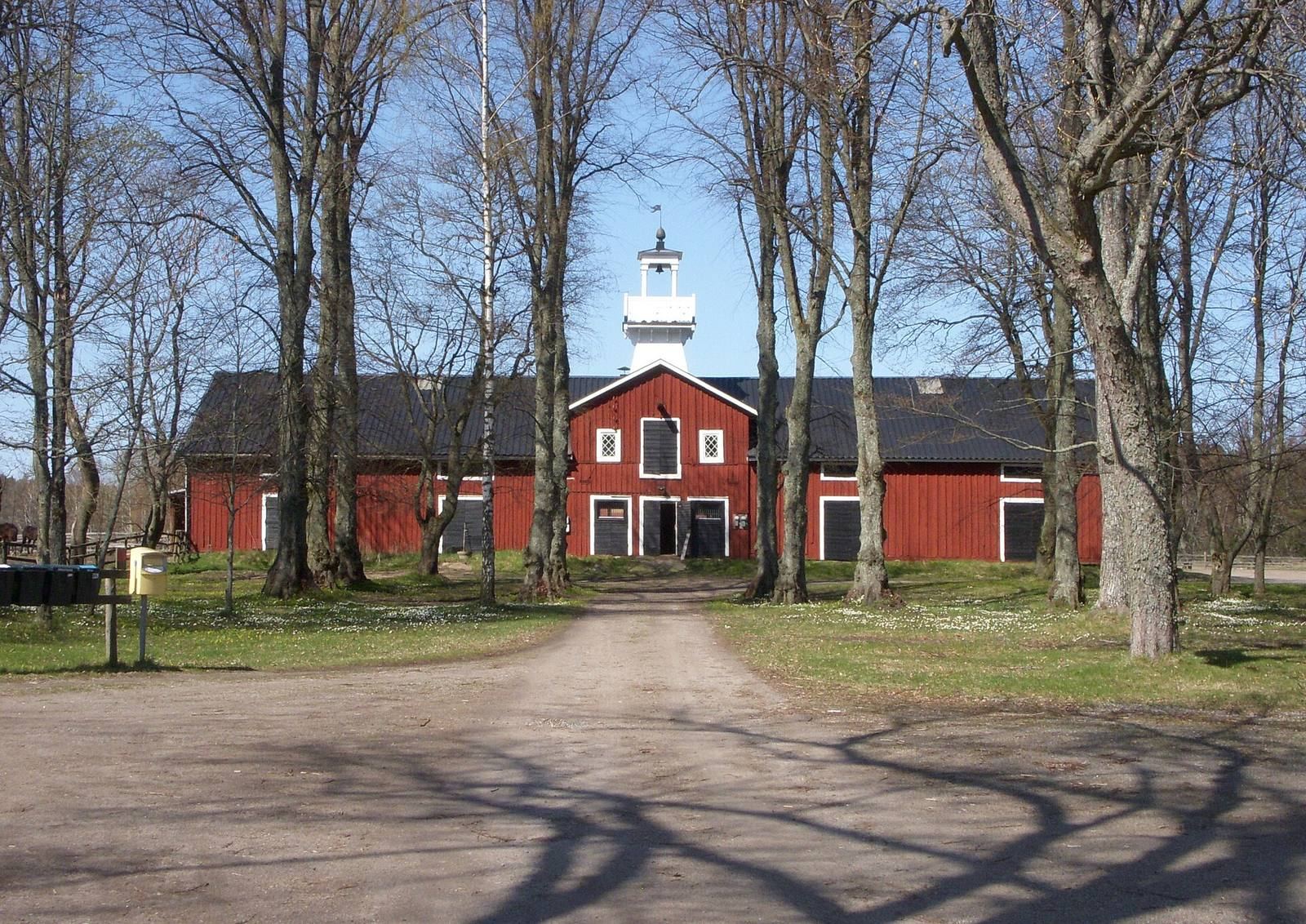
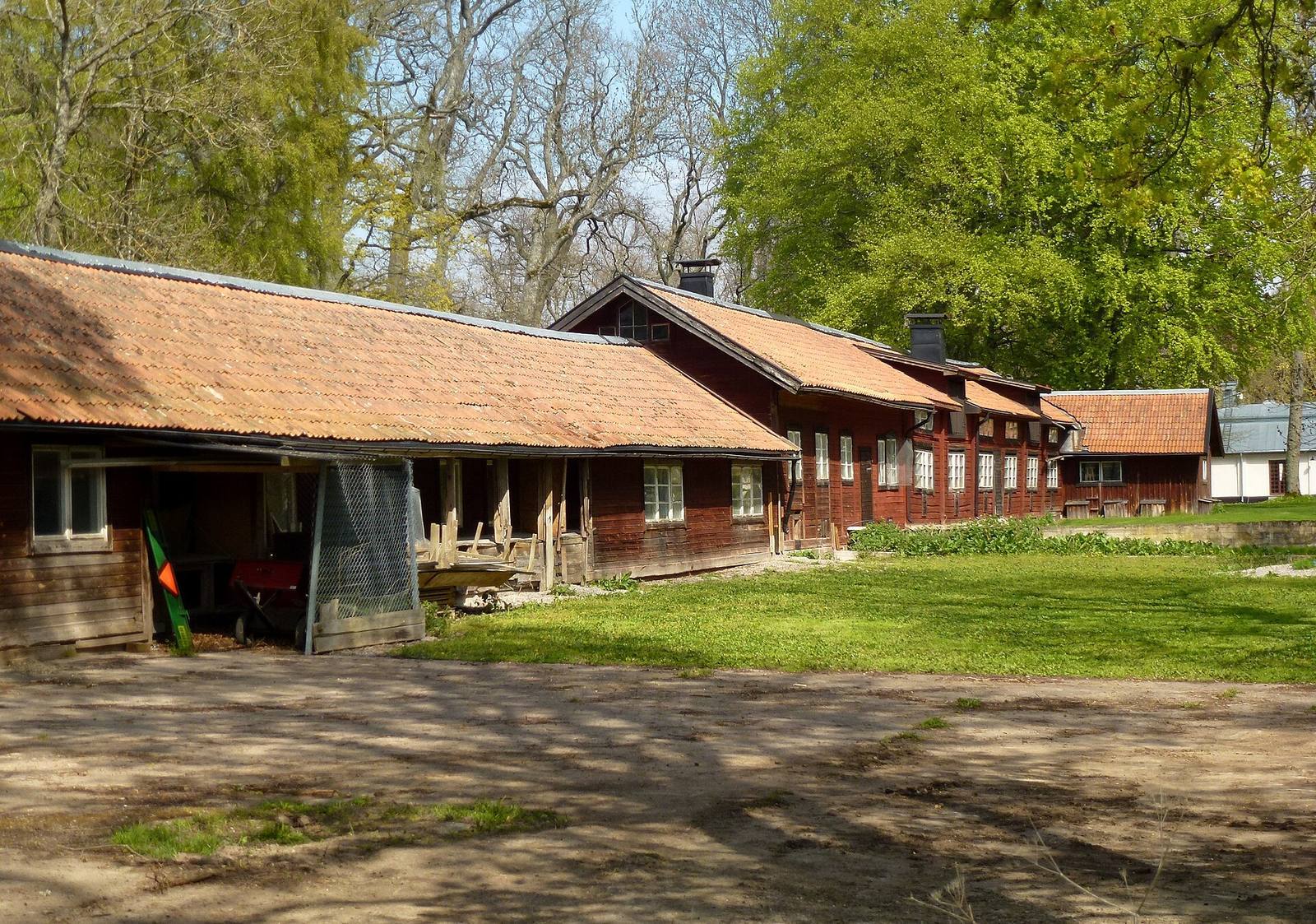
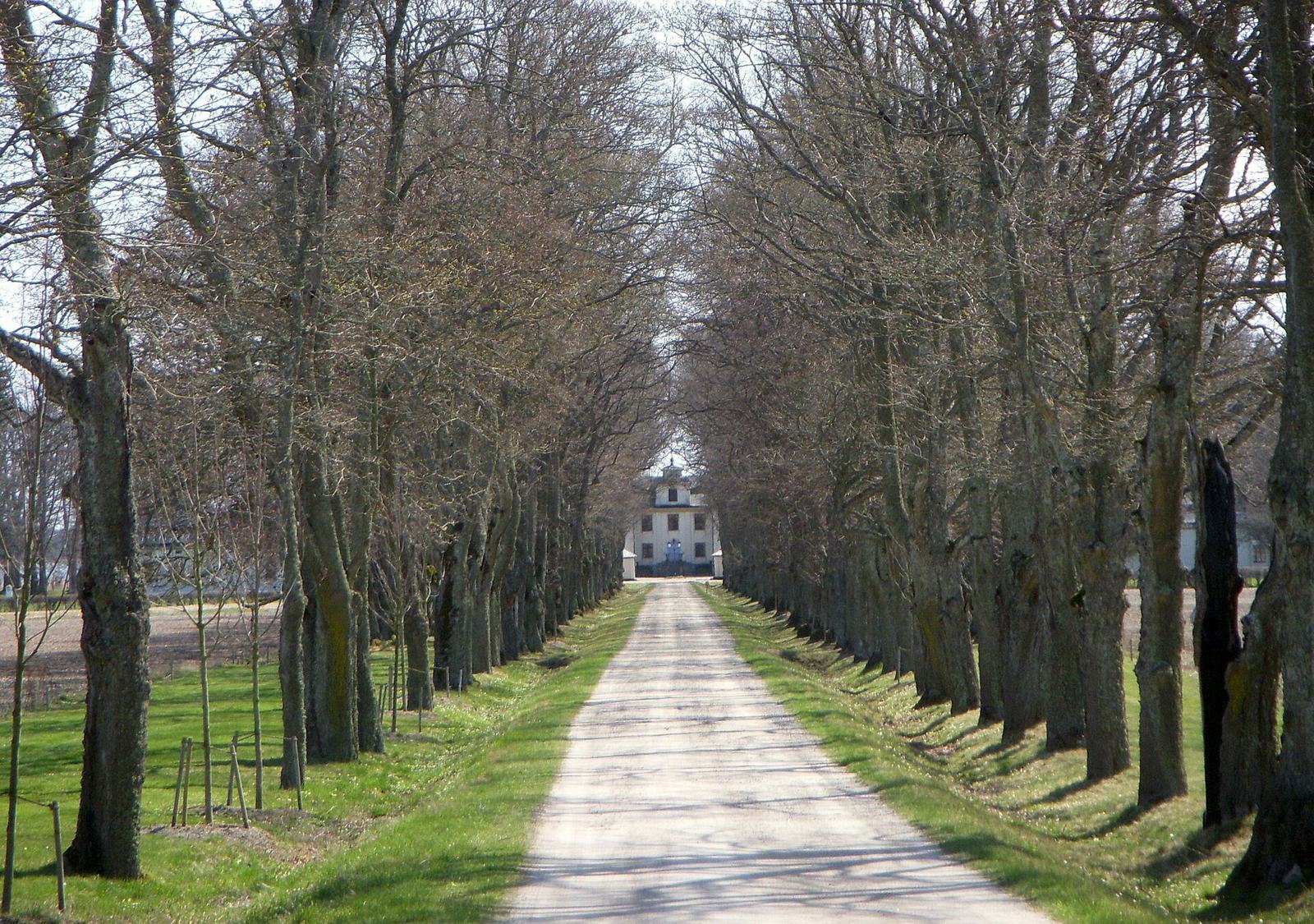
The estate’s physical character includes its timber-clad manor, a French-style garden, a later English-style park, and a coastal landscape of meadows and bay. The house and cultivated grounds sit within surroundings that also support diverse wildlife.
Manor building and interiors
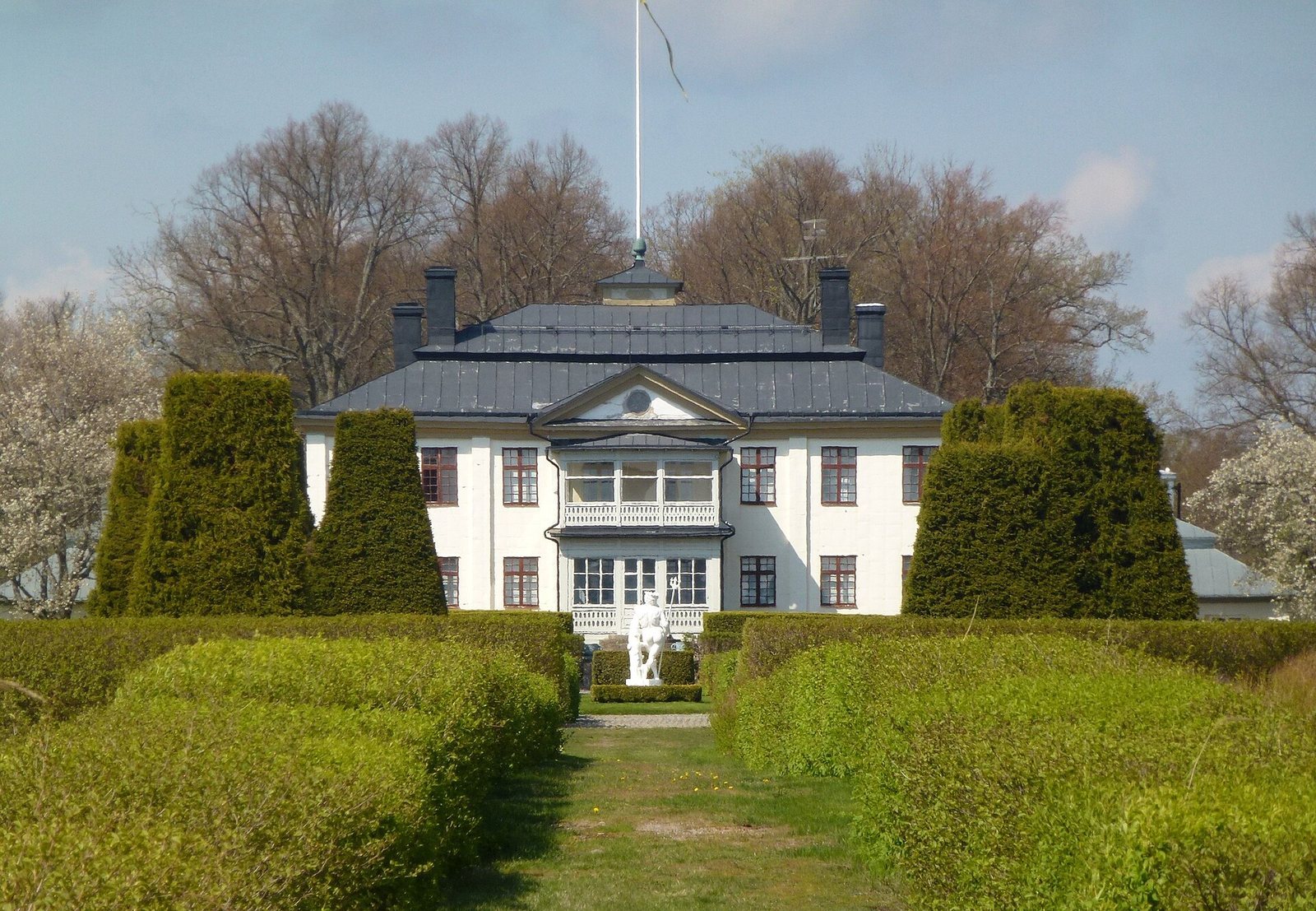
The original main building is clad in timber and brick tiles. Sheet metal covers its seaward side as protection from winds off the Baltic. Its design recalls the work of Swedish architect Nicodemus Tessin the Elder. Inside, richly decorated wallpaper and tapestries form part of the interior finish.
Gardens and coastal landscape
The French-style garden features closely clipped hedges and fir trees shaped into pyramids. An English-style park was added later, with a greenhouse, cultivated plants, and fruit trees. The surrounding area includes coastal meadows and a nearby bay where migratory birds rest. Its wildlife includes rare fen orchids, elder-flowered orchids, and the chess flower.