Dalarö Fort: A Swedish Island Fortification
Site at a Glance
- Popularity
- Medium
- Country
- Sweden
- Primary era
- Early Modern
- Eras represented
- Early Modern
- Civilizations
- Swedish
- Site type
- Military
- Remains
- Fort
On this page9 sections
History
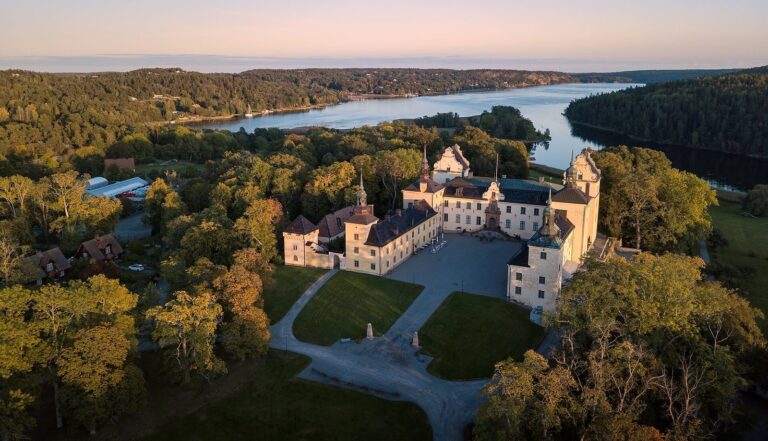
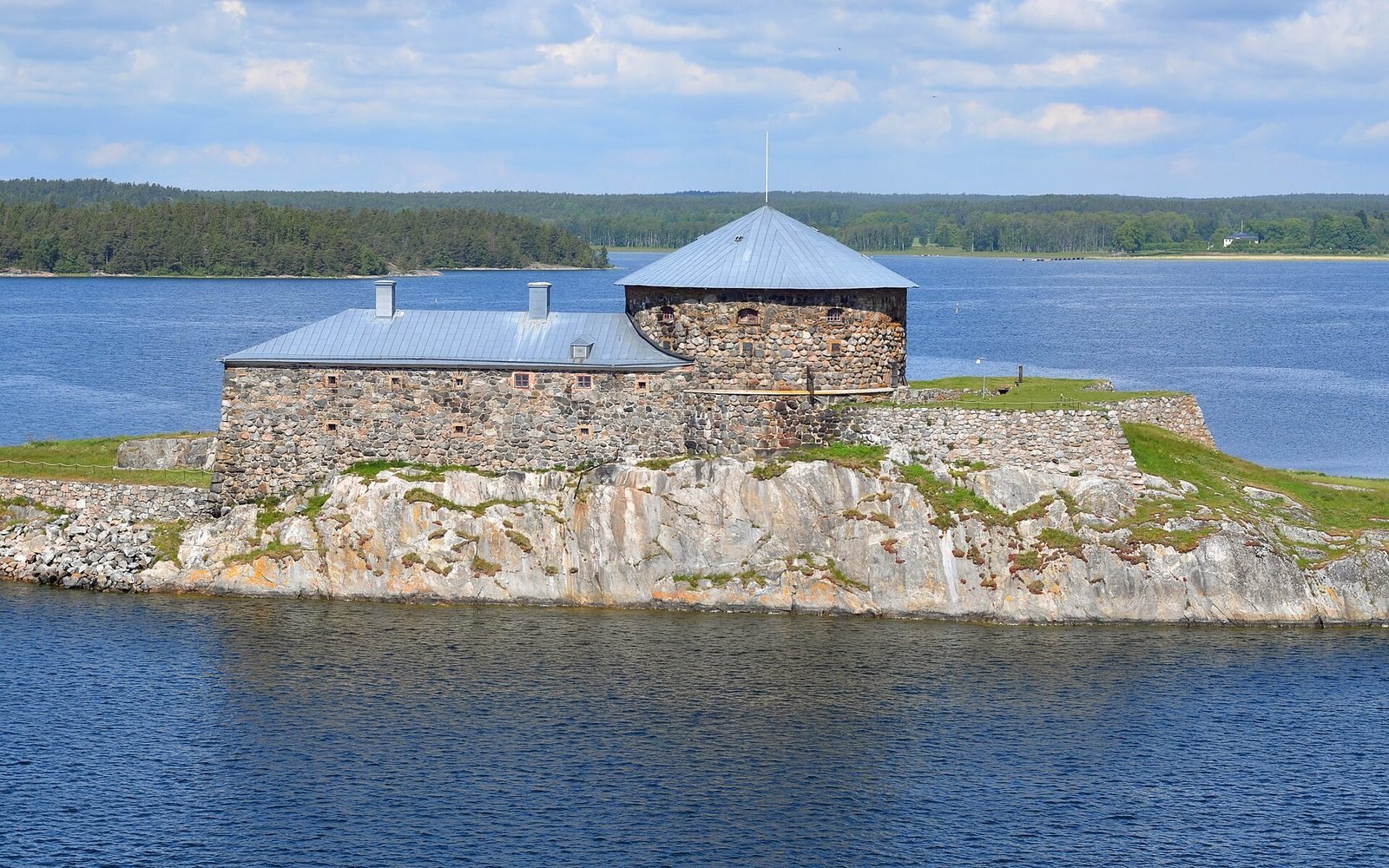
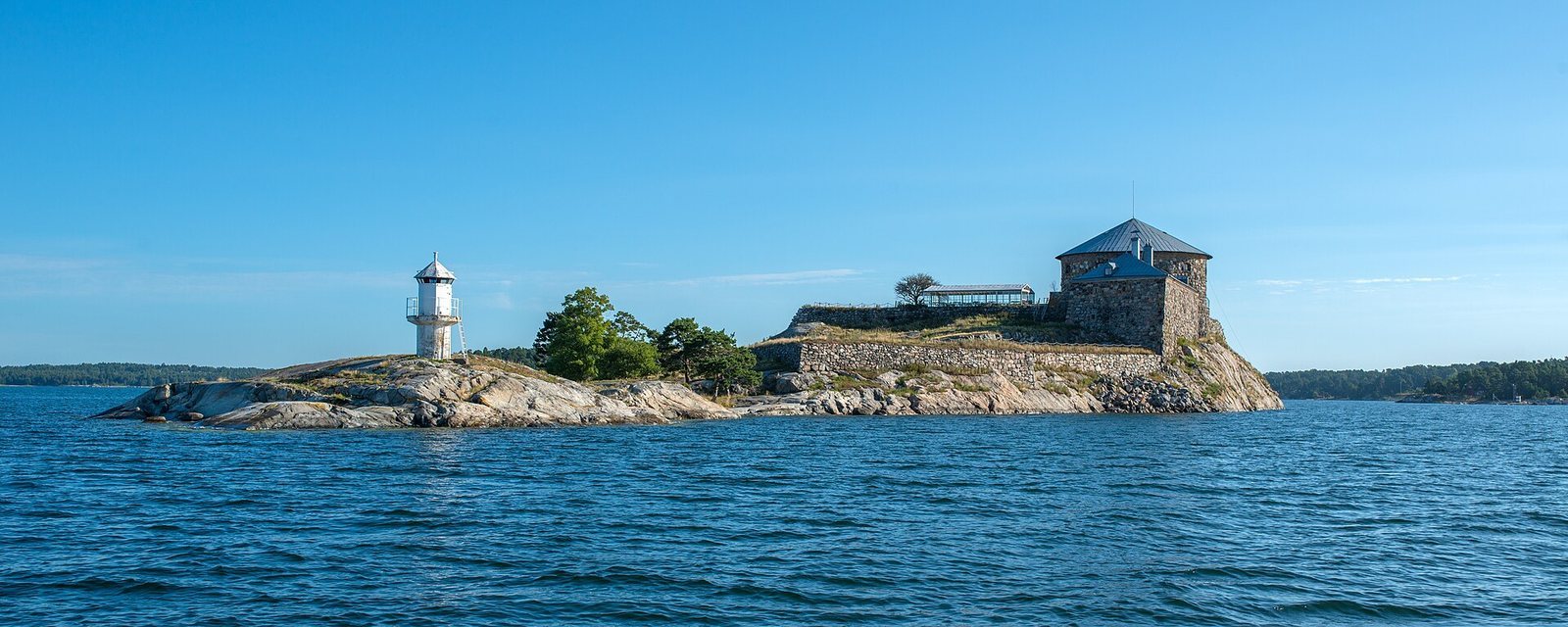
Dalarö Fort is a Swedish fortification on Stockskärsholmen, an island about two kilometres southwest of Dalarö, Sweden. Residents of the Sutholm district built an earlier fort at Stora Dalarö in 1623, but it soon fell into disrepair. A replacement was built in 1656 under King Charles X Gustav, who ruled Sweden from 1654 to 1660.
Establishment and changing administration
The fort’s name changed over time. It was first named for its island location, received a new name in 1659, and was known as Dalarö Fort by 1677. Its Swedish name is Dalarö skans. In 1662, responsibility passed from the War College, a military authority, to the Admiralty, which administered naval affairs. A decision to return the fort to the War College followed in 1677.
Redesign and wartime use
In 1683, Swedish military engineer and fortification designer Erik Dahlbergh proposed changes to the fort’s appearance and a tower on the island’s upper section. The plan gained approval in 1698, but work moved slowly. During the Great Northern War, a conflict from 1700 to 1721 involving Sweden, Russia, and other powers, temporary fortifications were hastily erected in 1700 and again in 1719. Russian forces avoided the fort in 1719, and it was never besieged.
Decline and preservation
Joachim von Rohr commanded the fort from 1743 to 1757. Its defensive works were repeatedly repaired, but received little attention after 1809. The military decommissioned the fort in 1854. In 1935, the Swedish state listed it as an architectural monument. The fort now houses a museum.
Remains
Island layout
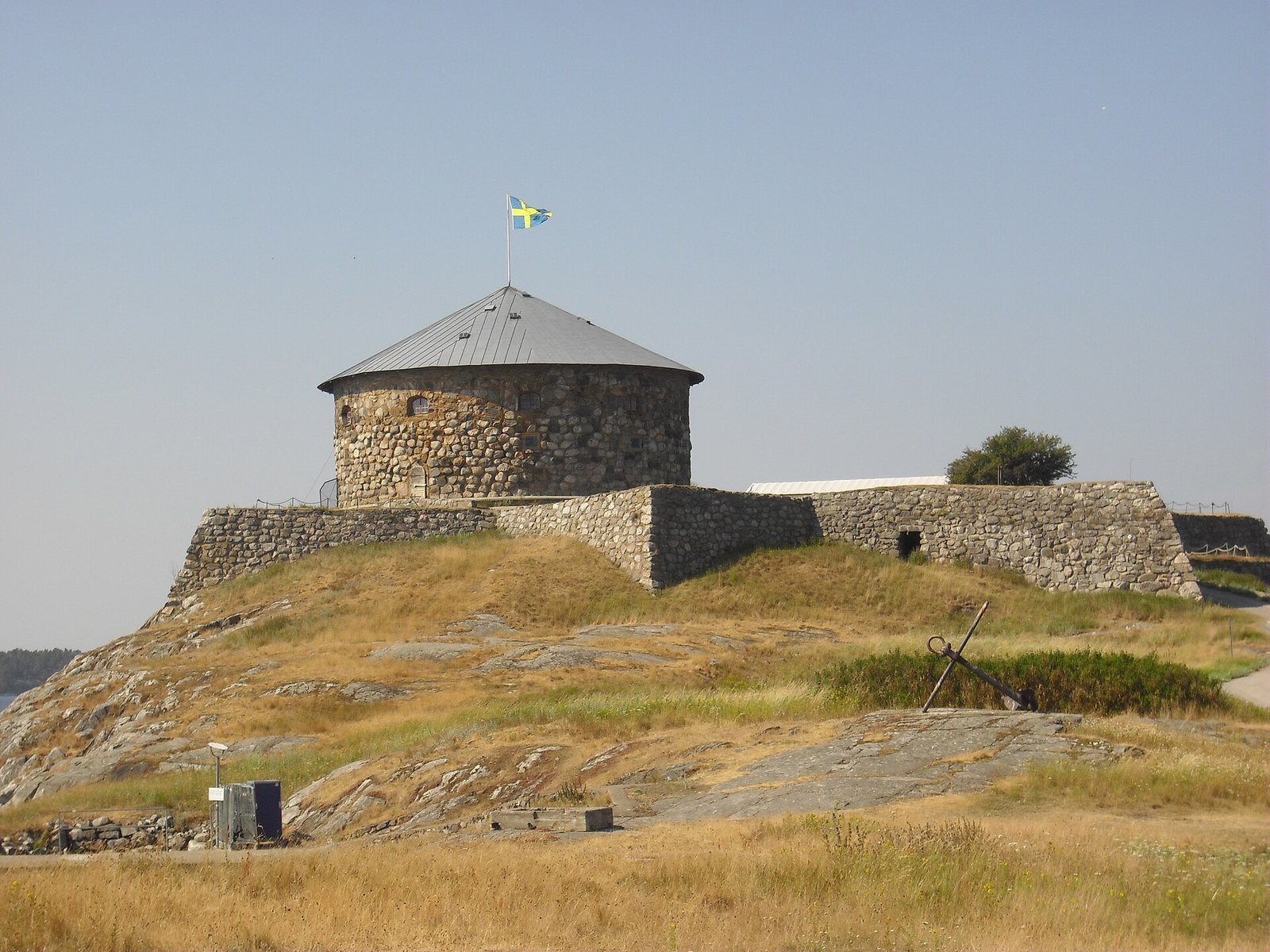
The fort occupies Stockskärsholmen, with defensive works arranged at different levels of the island. Its upper section contains a tower and adjacent casemates, while an outer defensive line was laid out at a lower level.
Fortification elements
Lower defensive line
By 1659, the outer line stood below the upper fortifications. It was built from earth and logs.
Tower and casemates
The tower on the island’s upper part was completed around the middle of the 18th century. Fortified chambers called casemates stand beside it. The tower and adjacent casemates were restored in 1905.