Årsta Castle: A Historic Estate in Sweden
Site at a Glance
- Rating
- 5
- Popularity
- Very Low
- Country
- Sweden
- Primary era
- Early Modern
- Eras represented
- Early Modern
- Civilizations
- Swedish
- Site type
- Domestic
- Remains
- Castle
On this page5 sections
History
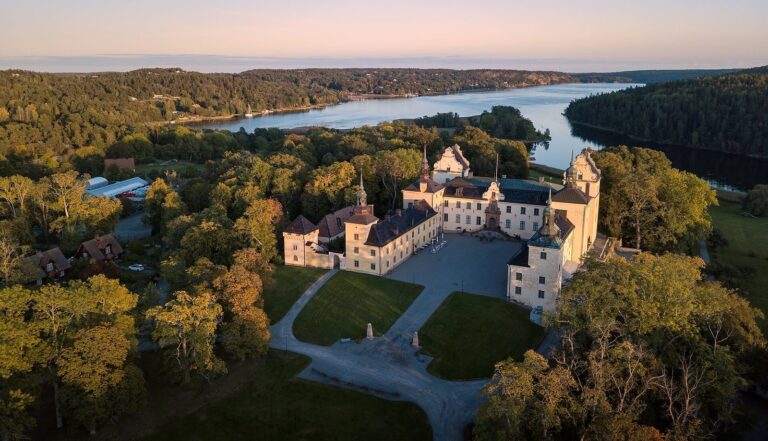
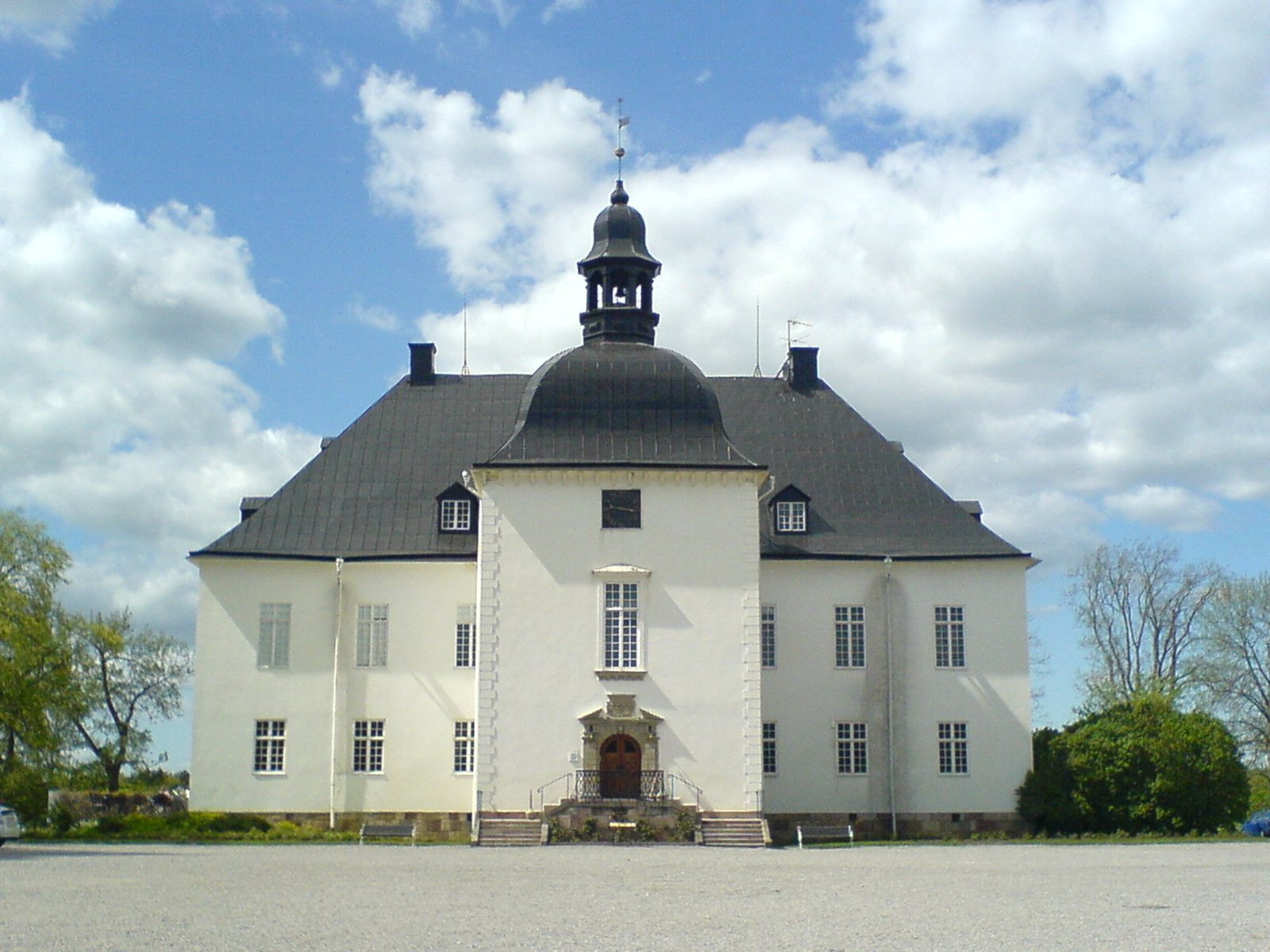
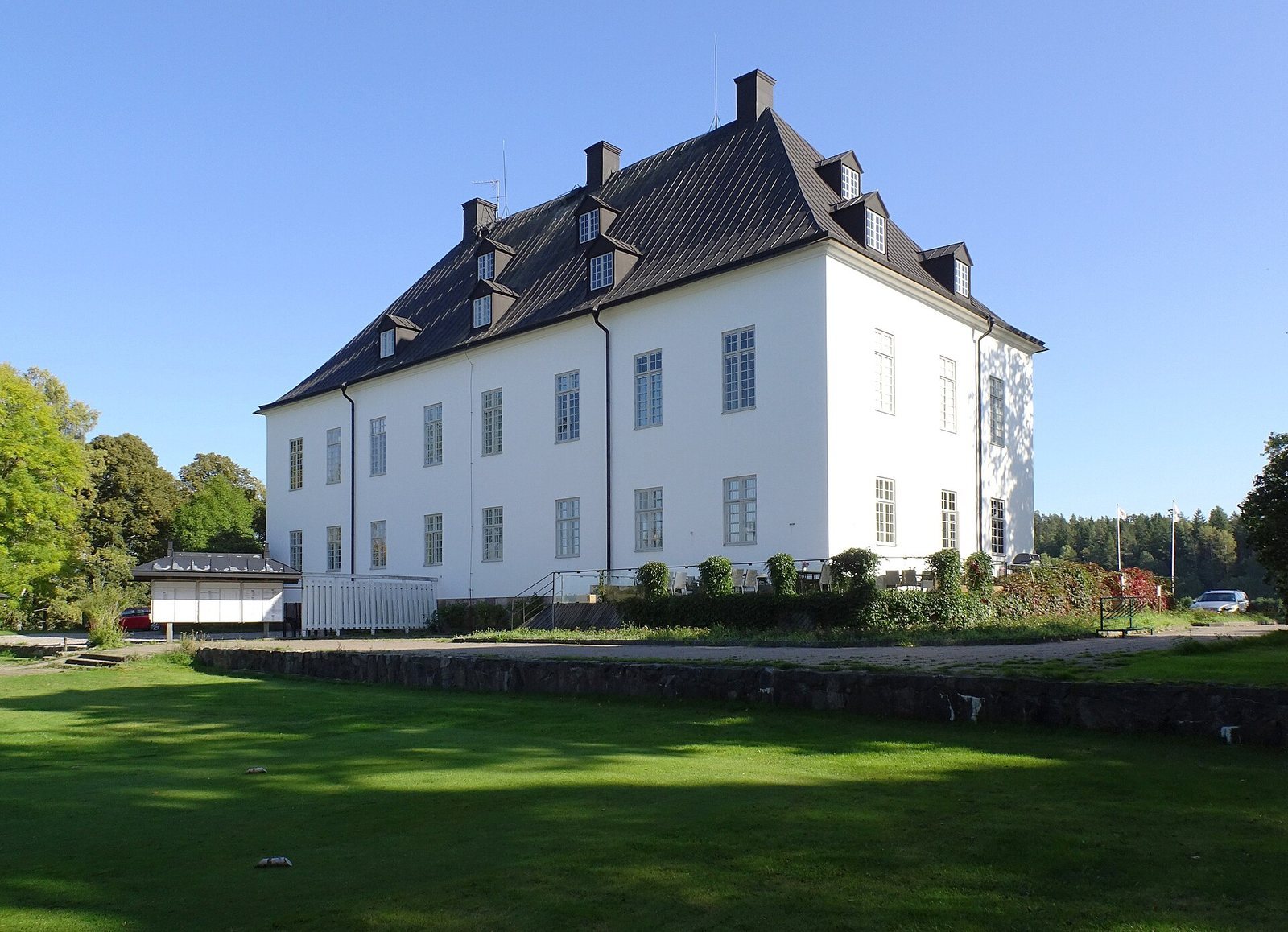
Årsta Castle, in Haninge Municipality, Sweden, was built around 1660 for Admiral Claes Hansson Bielkenstierna and his wife, Barbro Åkesdotter Natt och Dag. The estate had earlier served as a center for the Teutonic Order’s Swedish holdings.
Medieval Commandery and Noble Ownership
By the thirteenth century, Årsta was the seat of a Swedish commandery, an administrative establishment of the Teutonic Order, a medieval religious and military order. It belonged to the Order’s Livonian branch, which operated in the Baltic region. In 1308, Årsta was named as the base for the Order’s Swedish holdings. The estate passed to the Swedish nobleman Erik Axelsson Tott in 1467.
The Castle and Its Owners
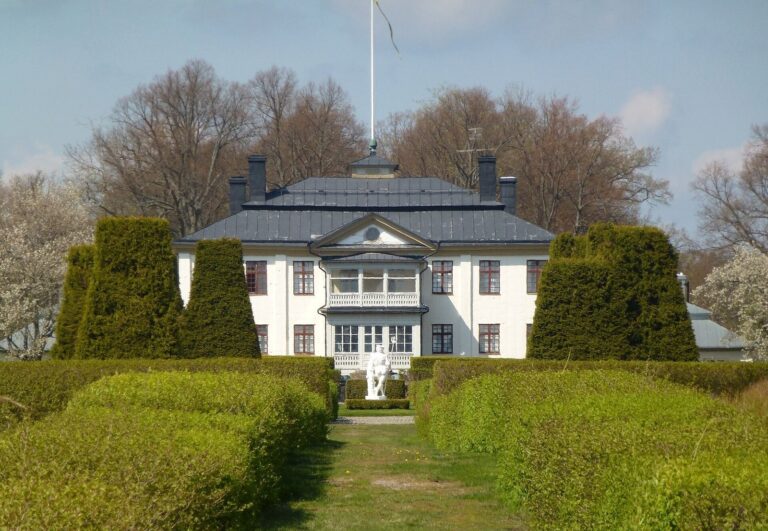
The present castle was erected around 1660 for Bielkenstierna and Barbro Åkesdotter Natt och Dag. The Swedish military engineer Erik Dahlbergh may have been involved as its architect. The property later passed by marriage through the noble families Kurck, Soop, and Fleming. Carl Fredrik Bremer acquired it in 1805.
Bremer’s daughter, Fredrika Bremer, a novelist and early advocate of women’s rights, lived at Årsta as well as in Stockholm. The industrialist Lars Johan Hierta, founder of the newspaper Aftonbladet, became the owner in 1853. Fredrika Bremer died at the estate in 1865.
Modern Ownership and Use
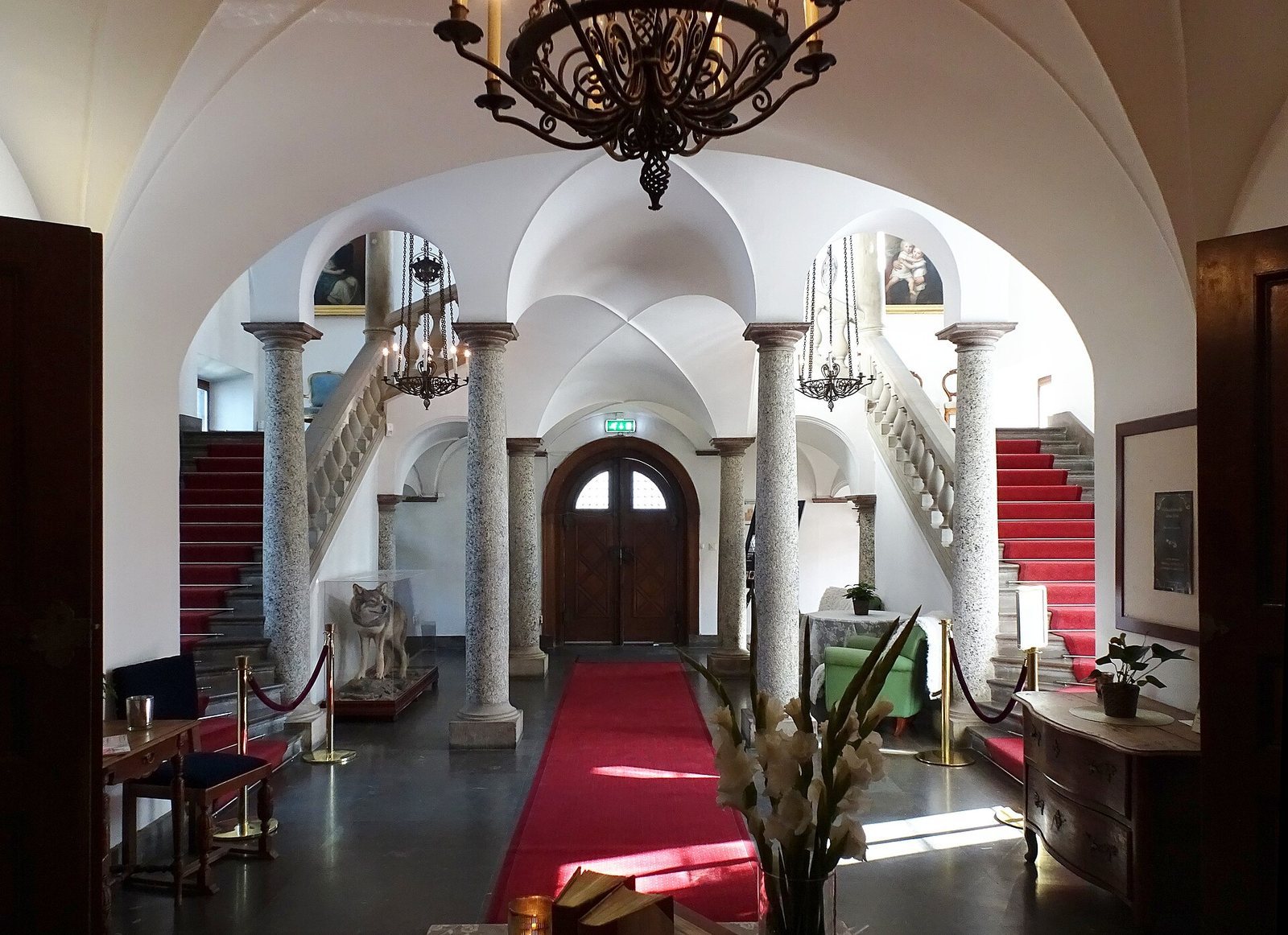
A stockholding company owned the castle from 1898 to 1910. Telephone engineer Gustaf Cedergren then owned it until 1919 and modernized its interiors. The municipality of Österhaninge acquired the castle in 1966; that municipality later became part of Haninge Municipality. The castle is now used by the Årsta Slott Gastronomi restaurant and the Årstasällskapet society.
Remains
Medieval ruins survive on land near the present castle.